
The Great Divide: Electronics vs. HVAC & Jewelry
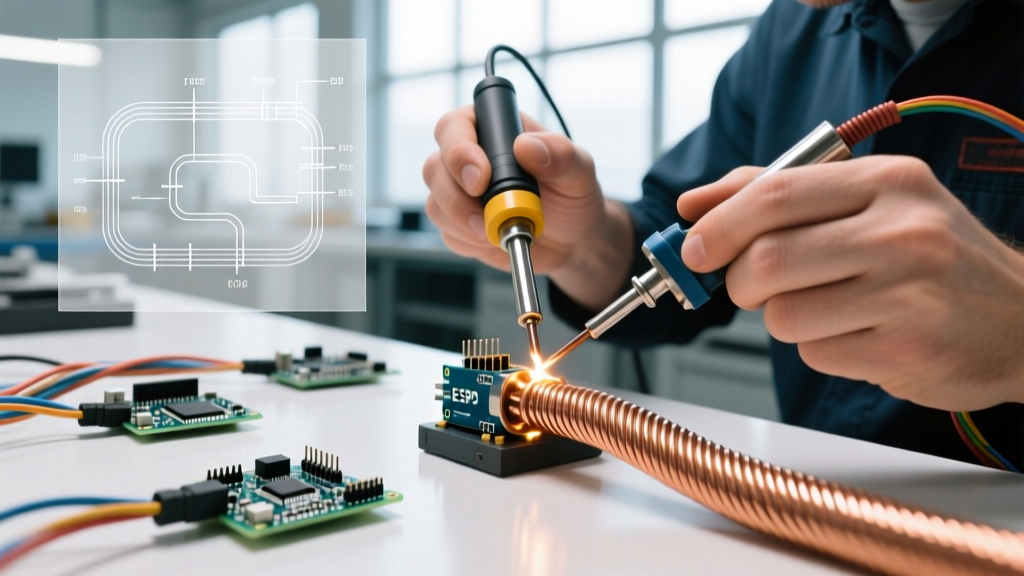
When DIYers and professionals search for "silver solder," they usually encounter a massive point of confusion. In 2026, with silver commodity prices remaining highly volatile, buying the wrong alloy is not just a technical failure—it is an expensive one. The term "silver soldering" actually refers to two entirely different metallurgical processes:
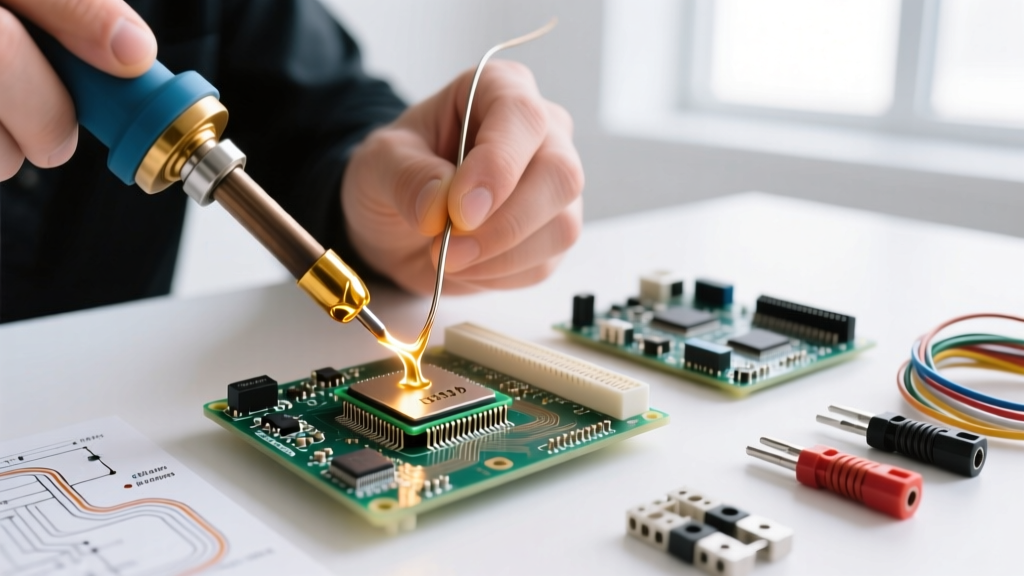
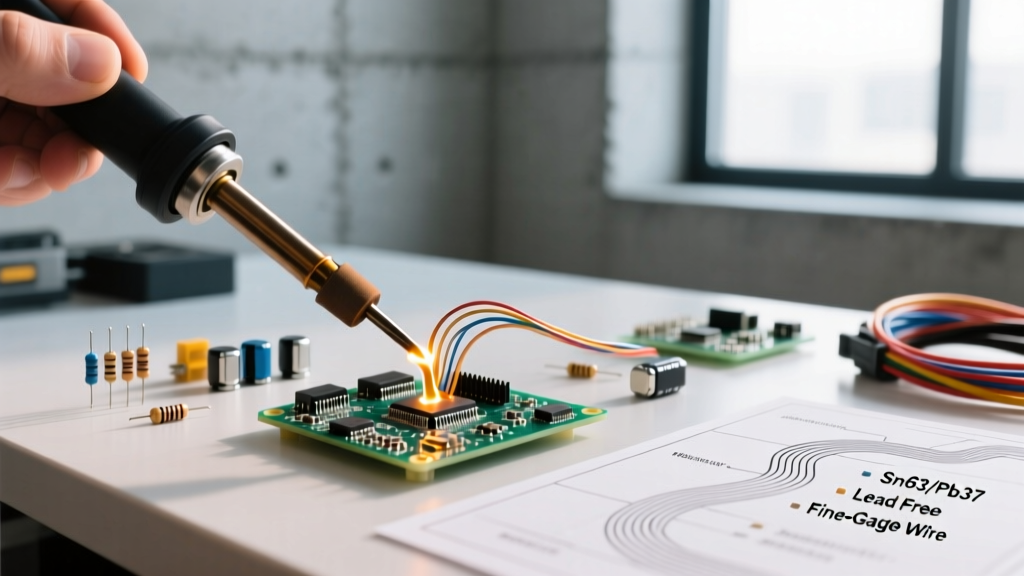
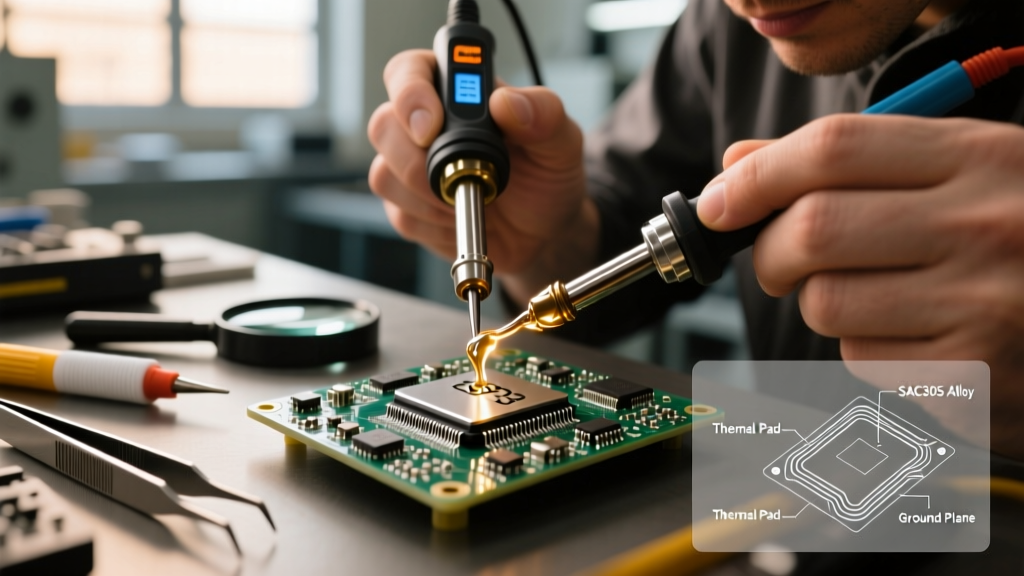
- Electronics Assembly (Lead-Free Soldering): Uses alloys like SAC305 (Tin/Silver/Copper) with a low silver content (3-4%). Melts around 217°C (423°F). Used for PCBs, microcontrollers, and wiring.
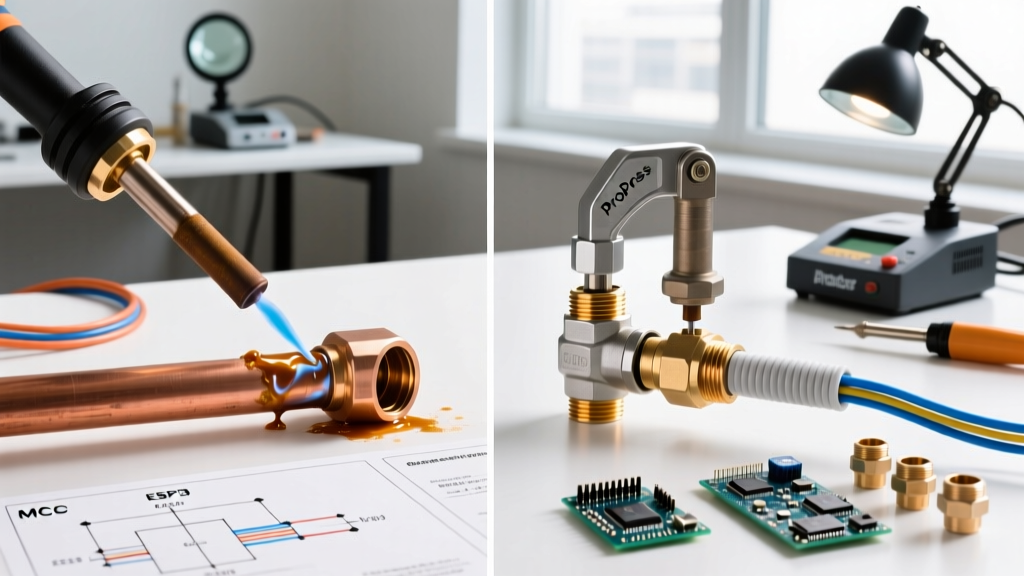
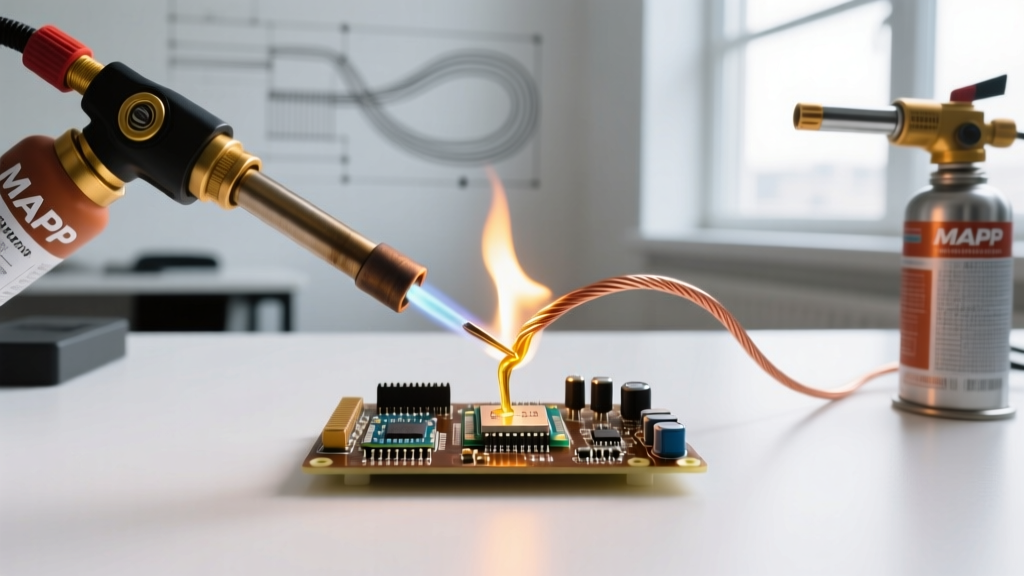
- Industrial & HVAC (Silver Brazing): Uses alloys like BAg-24 or Harris Stay-Silv with high silver content (5% to 56%). Melts between 618°C and 815°C (1145°F to 1500°F). Used for copper refrigeration lines, jewelry, and heavy structural joins.
Mixing these up will result in destroyed FR4 circuit boards or catastrophic HVAC leaks. Below, we break down the exact alloys, troubleshoot the most common failures, and answer the most pressing FAQs for both disciplines.
Alloy Comparison Matrix & 2026 Buyer Guide
Before troubleshooting, verify you are using the correct alloy for your substrate. The table below outlines the industry-standard silver-bearing alloys, their thermal profiles, and estimated 2026 pricing.
| Alloy Designation | Composition | Melting Point | Primary Application | Est. Cost (per lb) |
|---|---|---|---|---|
| SAC305 | 96.5% Sn / 3% Ag / 0.5% Cu | 217°C (423°F) | General PCB, SMD, Through-hole | $40 - $55 |
| Sn96 / Ag4 | 96% Sn / 4% Ag | 221°C (430°F) | Aerospace, High-reliability | $50 - $65 |
| Sn62 / Pb36 / Ag2 | 62% Sn / 36% Pb / 2% Ag | 179°C (354°F) | Silver-metallized caps, RF components | $55 - $70 |
| BAg-24 (Stay-Silv 5) | 5% Ag / Cu / Zn / Sn | 732°C (1350°F) | HVAC copper-to-copper, plumbing | $85 - $110 |
| BAg-3 (Stay-Silv 45) | 45% Ag / Cu / Zn | 618°C (1145°F) | Jewelry, Carbide tipping, Steel | $450 - $600+ |
Source data for alloy compositions and thermal profiles verified via the Kester Solder Alloys Catalog and Harris Products Group Technical Resources.
Troubleshooting Common Silver Soldering Failures
1. The "Dull Joint" Panic (Electronics / SAC305)
The Symptom: You solder a joint using SAC305 lead-free silver wire. Instead of the mirror-like, shiny finish you expect from legacy 63/37 leaded solder, the joint looks grainy, dull, and matte. You assume it is a "cold joint" and rework it, potentially damaging the PCB pad.
The Metallurgical Reality: SAC305 forms large tin dendrites during the cooling phase. These crystalline structures scatter light, making the joint appear dull. According to the NASA-STD-8739.3 Workmanship Manual and IPC-A-610 standards, a dull, grainy appearance in lead-free silver solder is cosmetically normal and does not indicate a cold joint, provided the solder has properly wetted the pad and formed a smooth fillet at the edges.
The Fix: Stop reworking perfectly good joints. Train your eye to look for wetting angles (a smooth, concave transition from pad to lead) rather than surface reflectivity. If you absolutely require a shiny joint for optical inspection systems, you must use a specialized no-clean flux like Kester 245 and enforce a rapid cooling profile (quenching) immediately after the iron is removed.
2. Rapid Tip Erosion & Pitting
The Symptom: Your soldering iron tip develops deep craters and pits within just a few weeks of using silver-bearing lead-free solder, requiring constant replacement.
The Metallurgical Reality: Silver-bearing lead-free alloys require higher operating temperatures (typically 320°C to 350°C) to achieve proper flow. At these elevated temperatures, the tin in the SAC305 alloy aggressively dissolves the iron plating on standard copper-core soldering tips. The silver acts as a catalyst in the intermetallic compound (IMC) formation, accelerating the erosion rate up to 3x faster than with tin-lead solders.
The Fix:
- Lower Standby Temps: Never leave your station at 380°C while idle. Drop the standby temperature to 200°C or use an auto-sleep feature.
- Upgrade Your Tips: Invest in tips with extended iron plating. The Hakko T18-K (chisel) or the Weller RT4 series are specifically engineered with thicker iron layers to resist silver-alloy scavenging.
- Tin the Tip: Always leave a thick blob of SAC305 on the tip before powering down. This sacrificial layer takes the oxidative and erosive hit instead of the iron plating.
3. Silver Leaching on RF & Ceramic Components
The Symptom: When soldering to silver-palladium (Ag/Pd) thick-film terminations on ceramic capacitors or RF antennas, the silver trace literally dissolves into the solder pool, lifting the component off the pad.
The Metallurgical Reality: This is known as "scavenging" or "leaching." Because standard SAC305 contains 0% silver in its bulk matrix (relative to the pure silver pad), a concentration gradient occurs. The molten tin aggressively dissolves the solid silver pad to reach equilibrium.
The Fix: You must use a silver-loaded solder to saturate the molten pool and halt the leaching process. Switch to Sn62/Pb36/Ag2 (if leaded processes are permitted) or a specialized Sn95.5/Ag3.8/Cu0.7 alloy. The pre-existing silver in the solder wire satisfies the concentration gradient, protecting the component’s metallization.
Frequently Asked Questions (FAQ)
Expert Insight: "The biggest mistake I see in 2026 is hobbyists using plumbing silver brazing rods on automotive wiring or PCBs. The 1300°F heat required will instantly vaporize flux, delaminate fiberglass boards, and melt wire insulation. Always match the alloy to the thermal tolerance of your substrate."
Q: Can I use HVAC silver brazing rods (like Stay-Silv 15) to solder my guitar pedals?
A: Absolutely not. HVAC brazing rods (BAg series) require an oxy-acetylene or MAP-Pro torch reaching temperatures exceeding 618°C (1145°F). This will incinerate the FR4 laminate of your PCB, destroy the plastic housings of your potentiometers, and ruin the enamel on your magnet wire. Stick to SAC305 or Sn60/Pb40 wire with a temperature-controlled iron set to 320°C.
Q: Why does my silver brazing rod ball up and roll off the copper pipe?
A: Silver brazing relies entirely on capillary action and surface chemistry, not just heat. If the rod balls up, you have one of two problems:
- Improper Flux: Standard electronics rosin flux burns to ash at 300°C. For silver brazing, you must use a potassium fluoroborate-based flux, such as Harris Stay-Silv Black Flux, which remains active up to 870°C (1600°F) and dissolves copper oxides.
- Uneven Heating: You are applying the torch directly to the brazing rod instead of the base metal. Heat the copper fitting until it is hot enough to melt the rod on contact (around 620°C), then introduce the rod to the joint edge.
Q: Is SAC305 wire safe for all DIY electronics?
A: While SAC305 is the global RoHS standard, its higher melting point (217°C) means you need a high-quality, high-wattage station (minimum 65W, like the Weller WE1010NA or Hakko FX-888D) to maintain thermal recovery. If you are a beginner using a cheap 30W plug-in iron, SAC305 will result in endless cold joints. Beginners should opt for Sn63/Pb37 (eutectic) if local regulations and project requirements permit, as it flows beautifully at 183°C.
The 2026 Flux Selection Matrix
Silver alloys demand specific chemical activators. Using the wrong flux guarantees a failed joint.
- For SAC305 / Sn96 (Electronics): Use a No-Clean or Water-Soluble organic acid (OA) flux. Recommendation: Kester 951 or MG Chemicals 8341. Do not use plumbing paste.
- For Sn62/Ag2 (Silver Terminations): Use a mildly activated rosin (RMA) flux to ensure gentle wetting without aggressively attacking the fragile silver-palladium layers.
- For BAg-24 / Stay-Silv (HVAC Copper): Use a white borax-based flux paste for temperatures up to 760°C. Recommendation: Harris Stay-Silv White Flux.
- For BAg-3 / High-Silver (Steel & Stainless): Use a black flux containing elemental boron to break down tough chromium oxides at high temperatures. Recommendation: Harris Black Flux.
Final Buyer’s Takeaway
Silver soldering is not a monolith. Whether you are building a high-frequency RF transceiver requiring anti-leaching Sn62/Ag2, assembling a consumer PCB with SAC305, or brazing a 410A refrigeration manifold with Stay-Silv 15, success relies on matching the alloy, the flux, and the thermal profile. Stop fighting the metallurgy—equip your bench with the right chemistry, respect the temperature thresholds, and let the silver do the work.