
The Hidden Cost of Inaccurate Electronics Imagery
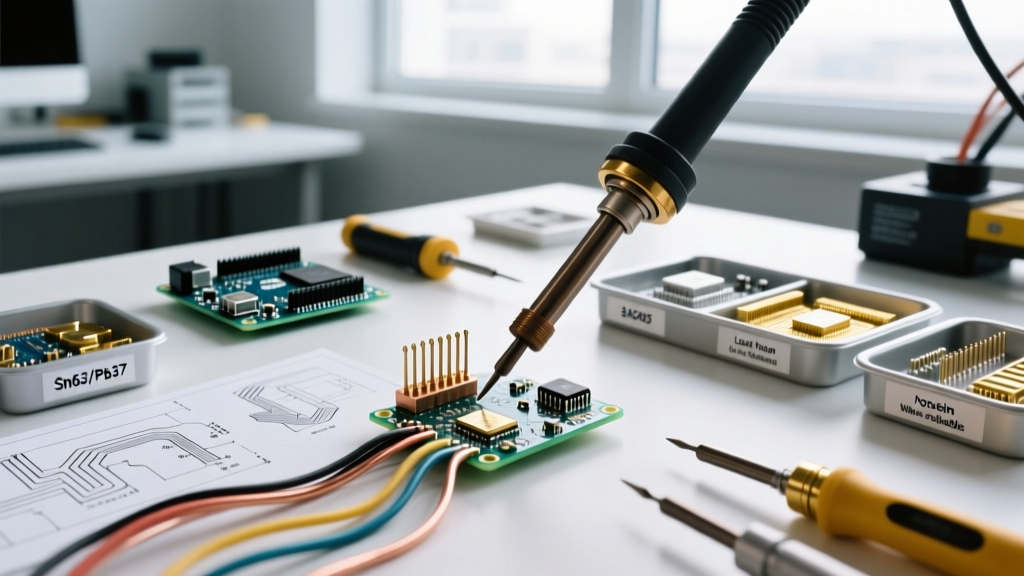
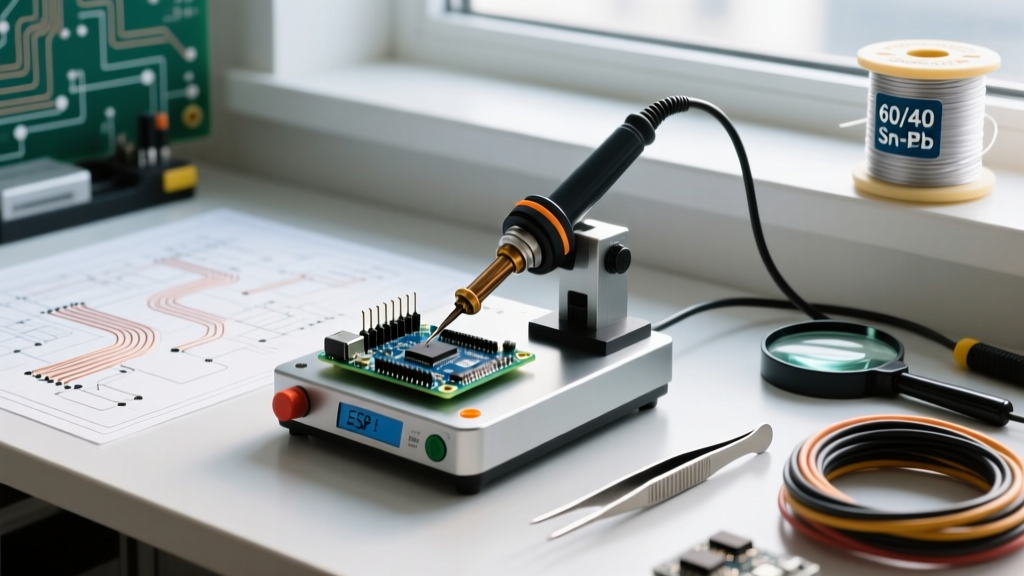
For technical writers, DIY electronics bloggers, and curriculum developers, sourcing high-quality soldering stock images is a surprisingly frustrating endeavor. The internet is flooded with generic stock photography that fundamentally misunderstands electronics assembly. We have all seen the offenders: a model holding a 60W unregulated plumbing iron by the ceramic heating element, using acid-core flux on a delicate printed circuit board (PCB), or attempting to solder a 0402 surface-mount device (SMD) with a massive chisel tip.
Using technically inaccurate imagery does more than just annoy seasoned engineers and hobbyists; it actively degrades your site's E-E-A-T (Experience, Expertise, Authoritativeness, and Trustworthiness) signals. When a reader spots a "cold joint" or a dangerous lack of ESD (Electrostatic Discharge) safety in your featured image, they immediately question the validity of your technical advice. In 2026, with AI-generated imagery further polluting stock databases with six-fingered hands holding impossible soldering irons, knowing exactly where and how to source authentic soldering stock images is a critical skill for tech publishers.
The "Fake Soldering" Epidemic: What to Avoid
Before diving into platform comparisons, you must know how to audit a stock photo for technical accuracy. The most common failures in commercial stock libraries include:
- The Acid Flux Blunder: Photos showing liquid acid flux (usually in a small glass jar with a brush) being applied to a PCB. Acid flux is strictly for plumbing and automotive grounding; electronics require rosin-core (RMA) or no-clean flux. Using acid flux on a PCB will corrode the copper traces within weeks.
- The Cold Joint: Solder joints that appear dull, gray, and lumpy. According to the IPC-A-610 standard for electronic assemblies, a proper through-hole solder joint must be shiny, smooth, and exhibit a concave fillet that wets the pad and the lead.
- Missing Fume Extraction: Soldering generates particulate and volatile organic compounds (VOCs) from the flux core. Professional and educational imagery should ideally feature a desktop fume extractor or proper bench ventilation to promote safe workshop practices.
- The "Death Grip": Models holding the soldering iron like a dagger or wrapping their fingers around the metal shaft. Proper technique dictates a relaxed pen grip to maximize fine motor control and prevent burns.
"A technically accurate stock image is worth a thousand words of corrective text. If your featured image shows a plumber's torch melting a Raspberry Pi, no amount of well-written code will save your article's credibility." — Senior Technical Editor, Electrical Flux
Top Platforms for Sourcing Soldering Stock Images in 2026
Not all stock photo agencies employ technical reviewers. Here is a comparative breakdown of the best platforms for sourcing electronics and soldering imagery, updated for 2026 pricing and library quality.
| Platform | Best Use Case | 2026 Pricing Estimate | Technical Accuracy | AI Content Policy |
|---|---|---|---|---|
| Adobe Stock | Macro SMD shots, professional lab environments | ~$29/mo (10 assets) | High | Strictly labeled, easily filtered out |
| Shutterstock | High-volume editorial, manufacturing floor B-roll | ~$39/mo (10 assets) | Medium-High | Mixed, requires careful search filtering |
| Getty / iStock | Premium corporate tech, high-end R&D labs | ~$49/mo (10 assets) | High | Very strict, mostly authentic photography |
| Unsplash / Pexels | Budget hero images, hobbyist maker spaces | Free | Low-Medium | N/A (Real photos only, but user-submitted) |
Premium Tier: Adobe Stock & Shutterstock
For professional tech blogs and commercial hardware manuals, Adobe Stock remains the gold standard. Their contributor base includes many actual engineers and technical photographers who upload authentic macro shots of rework stations, hot air nozzles, and proper wetting processes. Furthermore, Adobe's search algorithm allows you to easily exclude AI-generated content, which is vital when you need guaranteed real-world physics in your solder joints.
Shutterstock offers a vastly larger library, which is excellent for finding specific niche scenarios like "wave soldering manufacturing line" or "selective soldering machine." However, the sheer volume means you must rigorously apply the technical accuracy checklist mentioned above, as Shutterstock's library is heavily diluted with generic, non-technical lifestyle photography.
Budget Tier: Unsplash and Pexels
Free platforms are fantastic for atmospheric "maker space" shots—think wide angles of a cluttered workbench with a Hakko FX-888D station glowing in the background. However, they are notoriously poor for step-by-step tutorial imagery. You will frequently encounter reversed polarity, incorrect tip geometries, and unsafe practices. Use free sites for blog headers, but rely on premium sites for inline instructional graphics.
The Technical Accuracy Checklist for Image Auditing
When you find a promising image, run it through this 4-point E-E-A-T audit before purchasing the license:
- Verify the Iron and Tip: Is the station a recognizable, temperature-controlled model (e.g., Weller WE1010NA, Hakko FX-951, or Pine64 Pinecil)? Is the tip appropriate for the task? (e.g., A micro-pencil or hoof tip for SMD, a bevel or chisel for heavy ground planes).
- Inspect the Solder Wire: High-quality images often show the brand label on the spool (like Kester or Multicore) or clearly depict the flux core smoking upon contact. The diameter should match the work; using 1.0mm thick leaded wire on a 0603 resistor is a dead giveaway of a staged, inaccurate photo.
- Check for ESD Safety: If the image depicts work on sensitive logic boards, look for an ESD-safe silicone mat (usually blue or green) and a grounding wrist strap. While not always mandatory for basic hobbyist through-hole work, its presence signals high expertise.
- Examine the Lighting and Focus: Soldering is a macro-level task. The best soldering stock images utilize focus stacking or macro lenses to keep both the iron tip and the PCB pad in sharp focus, highlighting the meniscus of the molten solder.
Master Search Queries for Specific Soldering Scenarios
Searching for "soldering" will yield thousands of useless results. To find technically precise imagery, use these targeted boolean and long-tail search strings in premium databases:
- For Surface Mount Technology (SMT): "SMD rework station hot air nozzle", "flux pen application PCB QFP", "tweezers holding 0402 capacitor soldering".
- For Through-Hole & Prototyping: "rosin core solder wire perfboard", "desoldering braid wick copper", "solder sucker desoldering pump".
- For Safety & Environment: "desktop fume extractor soldering", "ESD mat grounding wire workbench", "safety glasses soldering macro".
- For Manufacturing & Industrial: "selective soldering machine PCB", "wave soldering pallet", "automated optical inspection solder joints".
Understanding Licensing for Hardware Monetization
When using soldering stock images in commercial buying guides, affiliate reviews, or hardware packaging, understanding licensing is non-negotiable. According to guidelines outlined by the US Copyright Office and standard stock agency agreements, you must differentiate between Royalty-Free (RF) and Editorial licenses.
If a stock photo clearly displays the trademarked logo of a major tool manufacturer (like the distinct blue badge of a Weller station or the yellow branding of a Hakko box), the image may be restricted to Editorial Use Only. This means you can use it in a journalistic review, a news article, or an educational blog post, but you cannot use it in a paid Facebook ad, a sponsored banner, or on the packaging of a competing product. Always check the property release status on the image's detail page before adding it to your media library.
The 2026 AI Image Problem in Tech Publishing
With the proliferation of generative AI tools like Midjourney v6 and DALL-E 3, stock sites are currently battling a flood of synthetic soldering images. While AI has improved at rendering hands, it still struggles with the physics of phase changes. AI-generated solder often looks like liquid mercury or glowing lava, lacking the distinct metallic crystallization of cooling Sn63/Pb37 or SAC305 lead-free alloys. Furthermore, AI frequently hallucinates the geometry of soldering iron tips, blending the ceramic heater with the metal shaft. Always zoom in at 100% to check for warped geometries, nonsensical text on the iron's digital display, and impossible tool blending before purchasing.
Frequently Asked Questions
Can I use free stock images for my commercial electronics course?
Yes, platforms like Unsplash and Pexels offer images under licenses that generally permit commercial use. However, you must still verify that the image does not contain recognizable trademarked products or identifiable faces without a model release. More importantly, you must vet the image for technical accuracy to ensure you aren't teaching unsafe soldering practices.
How do I find macro images of lead-free vs. leaded solder joints?
Use highly specific search terms like "SAC305 lead free solder joint macro" or "Sn63 eutectic solder fillet". Leaded solder (Sn63/Pb37) typically appears shinier and melts at a lower temperature (183°C), while lead-free (SAC305) often has a slightly duller, more textured finish and requires higher iron temperatures (around 350°C). Premium sites like Adobe Stock are more likely to have correctly tagged, scientifically accurate macro photography.
What is the best aspect ratio for blog featured images?
For modern tech blogs and SEO optimization, a 16:9 or 3:2 aspect ratio is ideal for featured images, as these dimensions perfectly fit Open Graph (OG) tags for social media sharing (Facebook, X, LinkedIn). When cropping macro soldering shots to 16:9, ensure the focal point—the exact intersection of the iron tip, the solder wire, and the PCB pad—remains in the center third of the frame.
For further reading on electronics assembly standards and visual inspection criteria, refer to the Adobe Stock Licensing Terms for commercial usage rights, and always consult the latest IPC guidelines for joint acceptability.