
The Allure and the Reality of Silver Conductors
In the pursuit of absolute signal purity and minimal resistive losses, audio engineers, aerospace technicians, and high-frequency RF designers frequently turn to silver. As we navigate the component market in 2026, the precious metals sector has seen notable fluctuations, making the cost analysis of soldering silver wire more critical than ever. However, the true cost of working with silver extends far beyond the raw price per foot of the wire itself. It encompasses specialized solder alloys, aggressive flux requirements, accelerated tip degradation, and the metallurgical risks of improper thermal management.
This guide provides a comprehensive cost and feasibility breakdown for electronics professionals and advanced DIYers considering silver wire for their next mission-critical or audiophile-grade project.
The Metallurgical Reality: Solid Silver vs. Silver-Plated Copper
Before analyzing costs, we must establish a vital metallurgical distinction that dictates your entire soldering strategy. When engineers discuss 'silver wire,' they are usually referring to one of two distinct materials:
- Solid Silver (Ag99.9): Offers the highest electrical conductivity of any metal (approx. 6.30 x 10^7 S/m). However, it is mechanically soft, highly susceptible to creep under pressure, and prohibitively expensive for long runs.
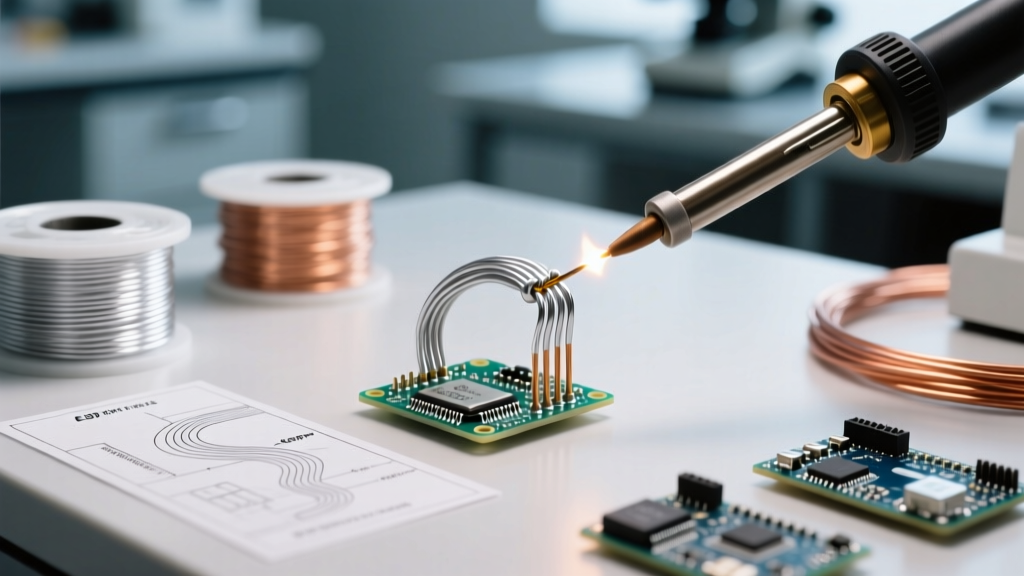
- Silver-Plated Copper (SPC): A copper core with a thin silver cladding. Due to the skin effect in high-frequency RF applications, SPC provides nearly identical high-frequency performance to solid silver at a fraction of the cost and with superior tensile strength.
According to guidelines published by the NASA Electronic Parts and Packaging (NEPP) Program, SPC is the standard for aerospace wiring harnesses due to its balance of weight, conductivity, and solderability. Solid silver is generally restricted to specialized short-run applications, such as boutique audio crossover networks or specialized sensor leads.
2026 Material Cost Breakdown: The True Price of Silver
To understand the financial commitment of soldering silver wire, we must look at the entire bill of materials (BOM). The table below reflects average 2026 market pricing for electronics-grade materials.
| Material Category | Specification / Alloy | 2026 Avg. Cost | Application Notes |
|---|---|---|---|
| Solid Silver Wire | 20 AWG, Annealed | $5.20 - $6.50 / ft | High-end audio, specialized RF |
| Silver-Plated Copper (SPC) | 20 AWG, PTFE Insulated | $0.18 - $0.35 / ft | Aerospace, high-frequency RF |
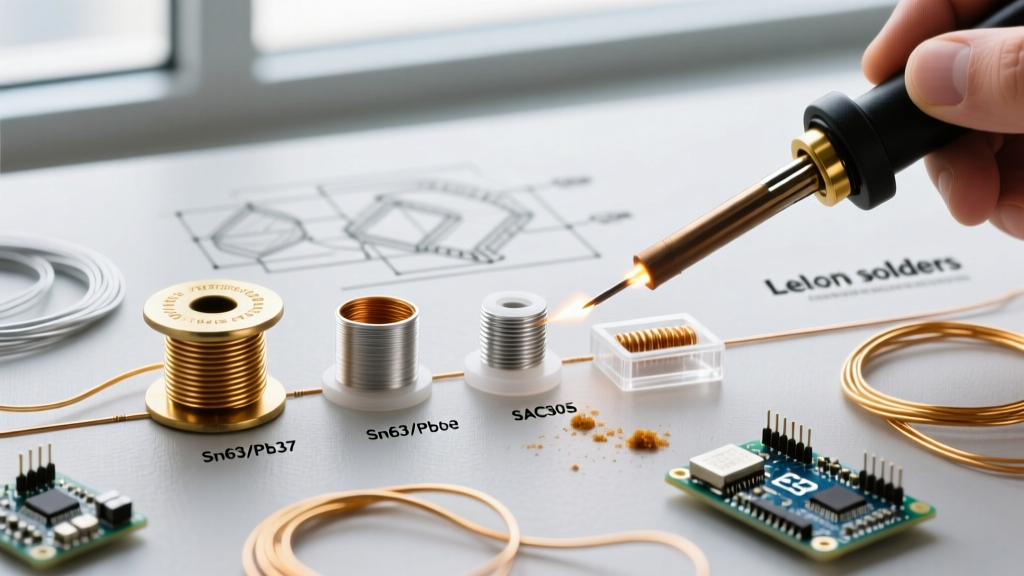
| Silver-Bearing Solder (Lead-Free) | SAC305 (Sn96.5/Ag3.0/Cu0.5) | $52.00 / lb | Mandatory for solid silver to prevent leaching |
| Silver-Bearing Solder (Leaded) | Sn62/Pb36/Ag2 | $48.00 / lb | Preferred for aerospace/legacy silver joints |
| Standard Eutectic Solder | Sn63/Pb37 | $26.00 / lb | DO NOT USE on solid silver substrates |
| Specialized Silver Flux | Rosin Mildly Activated (RMA) | $18.00 / 2oz pen | Required to cut through silver sulfide tarnish |
While the raw wire cost of SPC is negligible, solid silver wire will cost roughly $52 to $65 per 10-foot harness before you even factor in the solder and flux. For a multi-channel audio system requiring 50 feet of 20 AWG solid silver, the wire alone commands a $300+ premium over high-purity oxygen-free copper (OFC).
The Hidden Cost: Silver Leaching and Solder Alloy Selection
The most expensive mistake a technician can make when soldering silver wire is using standard tin-lead (Sn63/Pb37) or basic lead-free (SAC405 without copper) solder. Molten tin is highly aggressive toward silver. When standard solder is applied to a solid silver wire, a phenomenon known as silver leaching (or dissolution) occurs. The tin literally dissolves the silver substrate into the solder joint.
This results in a brittle, high-resistance intermetallic compound (IMC) layer and can completely sever thin-gauge silver wires. To combat this, you must use a silver-bearing solder like SAC305 or Sn62/Pb36/Ag2. By pre-saturating the solder alloy with 2% to 3% silver, the chemical gradient is balanced, drastically slowing the leaching process. As detailed in the IPC J-STD-001 requirements for soldered electrical assemblies, utilizing compatible alloys is mandatory when joining dissimilar or precious metals to ensure long-term mechanical reliability.
Flux Chemistry: Battling Silver Tarnish
Silver does not oxidize in the same way copper does; instead, it reacts with sulfur in the atmosphere to form silver sulfide (tarnish). This dark layer is highly resistant to standard no-clean fluxes. If you attempt to soldering silver wire with a standard, low-activity no-clean flux, you will likely experience severe wetting failures, resulting in cold, blob-like joints that refuse to flow.
Expert Tip: For solid silver and heavily tarnished SPC wire, abandon standard no-clean fluxes. Upgrade to a high-activity Rosin Mildly Activated (RMA) or a specialized water-soluble organic acid (OA) flux. According to metallurgical data from MacDermid Kester Electronics, RMA fluxes provide the necessary thermal stability and chemical aggression to break down silver sulfide without leaving highly corrosive residues that could compromise high-impedance audio circuits.
Equipment Demands: Overcoming Silver's Thermal Conductivity
Silver possesses the highest thermal conductivity of any metal (429 W/(m·K), compared to copper's 401 W/(m·K)). When you apply a soldering iron to a silver wire, the heat is wicked away from the joint down the length of the wire almost instantaneously.
If you are using a standard 40W or 60W pencil iron, the tip temperature will stall, leading to prolonged dwell times. Prolonged heat application exacerbates silver leaching and melts wire insulation. Therefore, soldering silver wire requires a high-wattage, high-thermal-recovery soldering station.
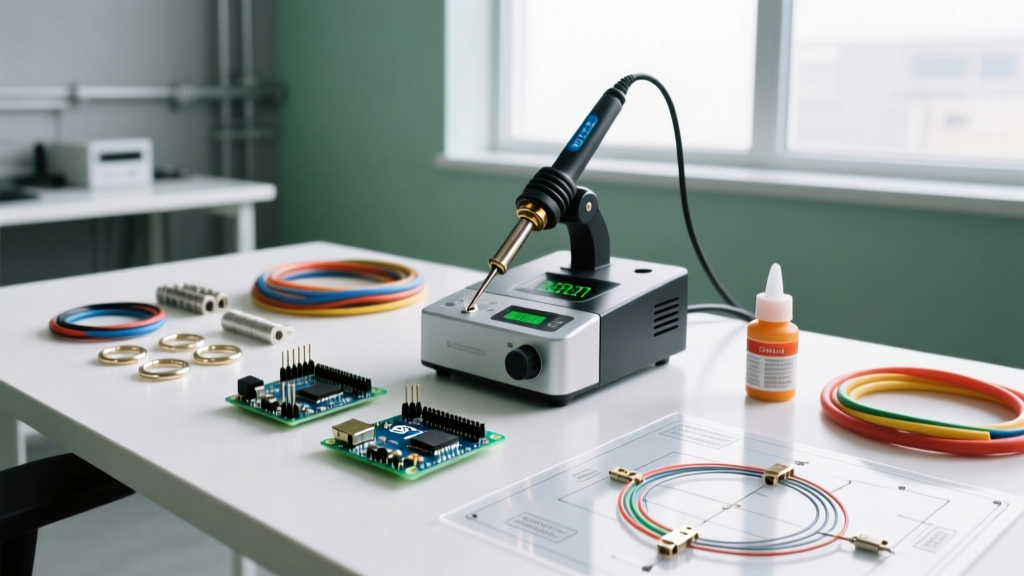
- Recommended Equipment: Hakko FX-951 (70W) or Weller WE1010 (70W).
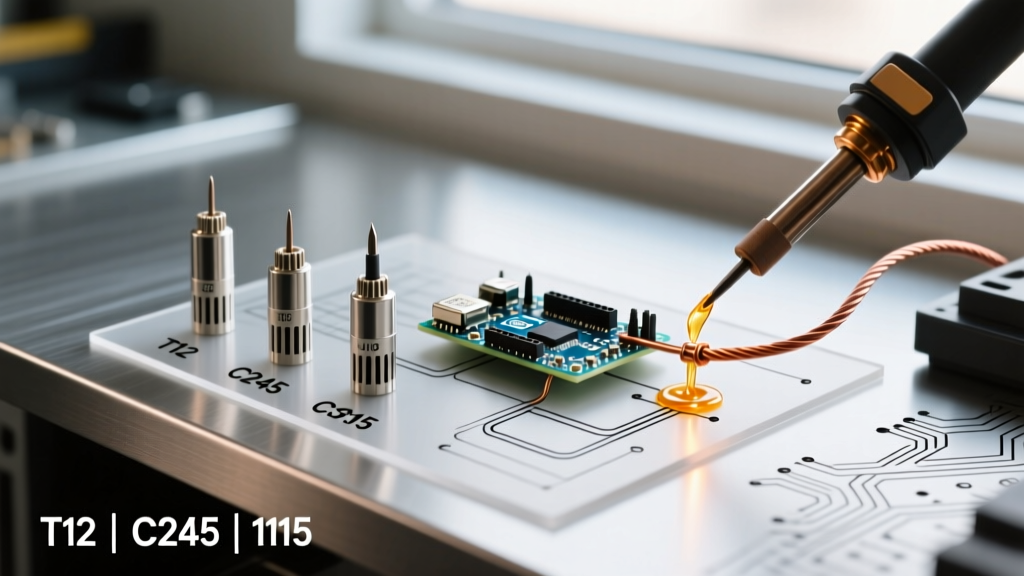
- Tip Selection: Use a heavy chisel tip (e.g., Hakko T12-D24) to maximize surface area contact and thermal transfer.
- Hidden Cost: Silver-bearing solders (especially SAC alloys) operate at higher melting points (217°C - 220°C) and are known to degrade iron plating on soldering tips 30% to 50% faster than standard Sn63. Expect to replace your soldering tips more frequently, adding roughly $40-$60 annually to your operating costs.
Step-by-Step Protocol for Cost-Effective Silver Wire Soldering
To maximize your investment and prevent catastrophic joint failure, follow this optimized protocol:
- Mechanical Preparation: Strip the silver wire using precision thermal strippers or high-quality mechanical strippers. Silver work-hardens easily; nicking the wire with dull strippers will create a stress fracture point that will snap under vibration.
- Chemical Preparation: Apply a generous amount of RMA flux to the exposed wire before applying any heat. Allow it 10 seconds to penetrate the silver sulfide layer.
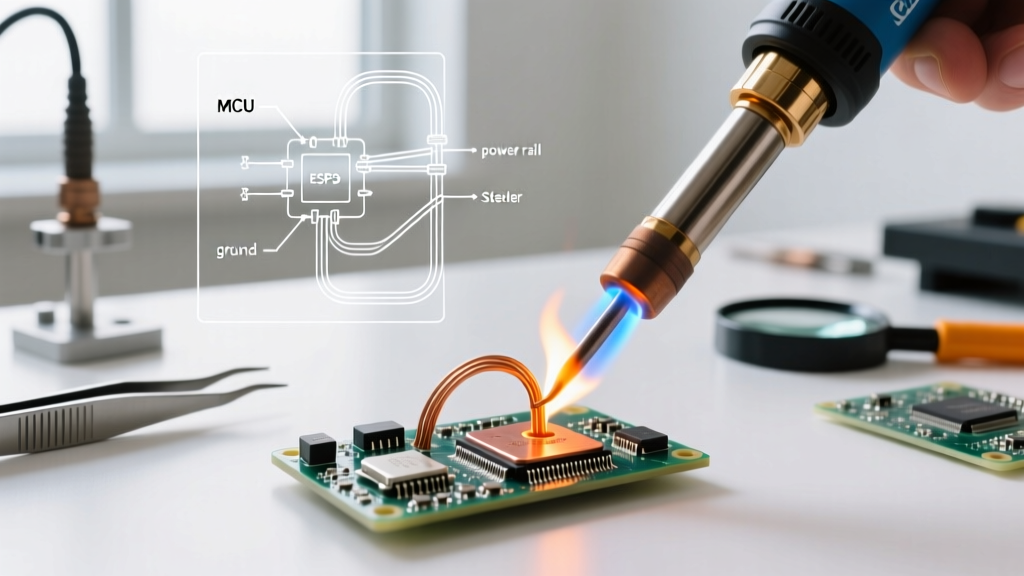
- Pre-Tinning (Crucial): Set your iron to 350°C (662°F). Apply silver-bearing solder (SAC305 or Sn62) directly to the wire while the iron is in contact. The goal is to encapsulate the silver in a protective layer of silver-saturated solder, halting the leaching process immediately.
- Joint Execution: When mating the pre-tinned silver wire to a terminal or PCB pad, ensure the terminal is also pre-tinned. Apply the iron and additional solder for a maximum of 2 to 3 seconds. Remove the iron and hold the wire perfectly still until the solder crystallizes (approx. 1.5 seconds).
- Cleaning: If using RMA or OA flux, clean the joint with 99% isopropyl alcohol and a lint-free swab to prevent long-term ionic contamination.
Common Failure Modes and Edge Cases
Even with the right materials, specific edge cases can ruin a silver wire harness:
- Insulation Melt-Back: Solid silver wire is often insulated with PTFE (Teflon) to withstand high temperatures. However, if you are using PVC-insulated silver wire, the high thermal conductivity of the silver will wick heat directly under the insulation, melting it back and exposing bare wire near the joint. Always use a thermal heat sink (like a hemostat clamped between the joint and the insulation) when working with PVC.
- Creep and Cold Flow: Solid silver is soft and subject to 'cold flow' under screw terminals. If you are terminating silver wire to a binding post, you must use a crimped ferrule or a specialized locking washer. Soldering a solid silver wire and clamping it directly under a screw will result in a loose connection within months as the silver deforms.
- Galvanic Corrosion: If your silver wire connects to a copper or aluminum terminal in a high-humidity environment, a galvanic cell is formed. Silver is highly noble; the copper or aluminum will sacrifice itself and corrode rapidly. Always seal these dissimilar metal junctions with a marine-grade dielectric grease or conformal coating.
Final Verdict: When is the Premium Justified?
Is soldering silver wire worth the cost in 2026? The answer depends entirely on your application's frequency and signal requirements.
For DC power delivery and low-frequency audio, the premium for solid silver wire is fundamentally unjustified. High-quality OFC copper delivers 95% of the performance at 5% of the cost, without the metallurgical headaches of silver leaching and tip degradation.
However, for RF applications above 100 MHz, aerospace telemetry, and ultra-high-end analog audio signal paths, Silver-Plated Copper (SPC) is the undisputed champion. By utilizing SPC wire paired with a silver-bearing solder alloy like Sn62/Pb36/Ag2 and an RMA flux, you achieve the high-frequency skin-effect benefits of silver while maintaining the mechanical strength of copper and keeping your 2026 project budget firmly under control.