
The Evolution of the Integrated Soldering Pin
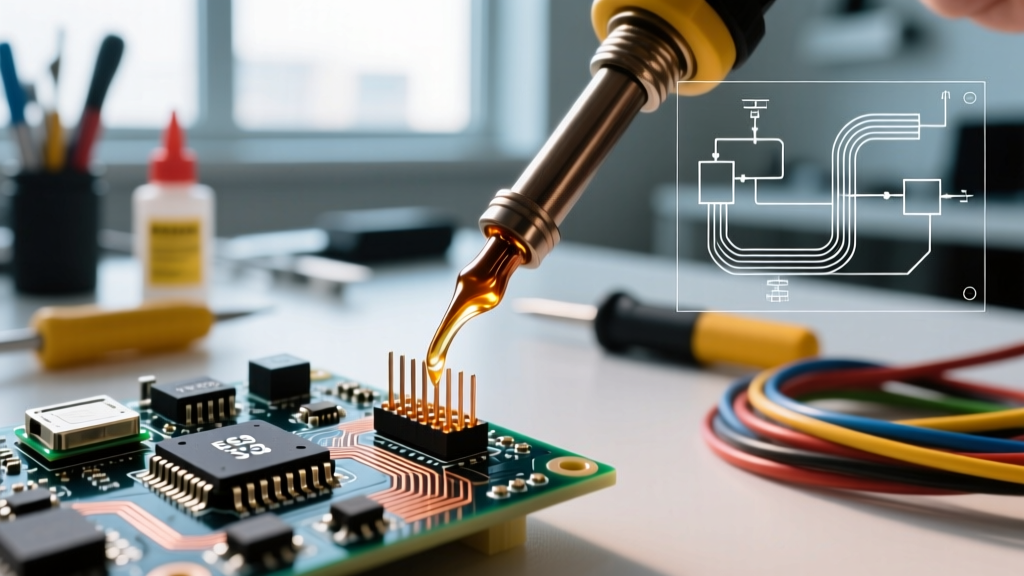
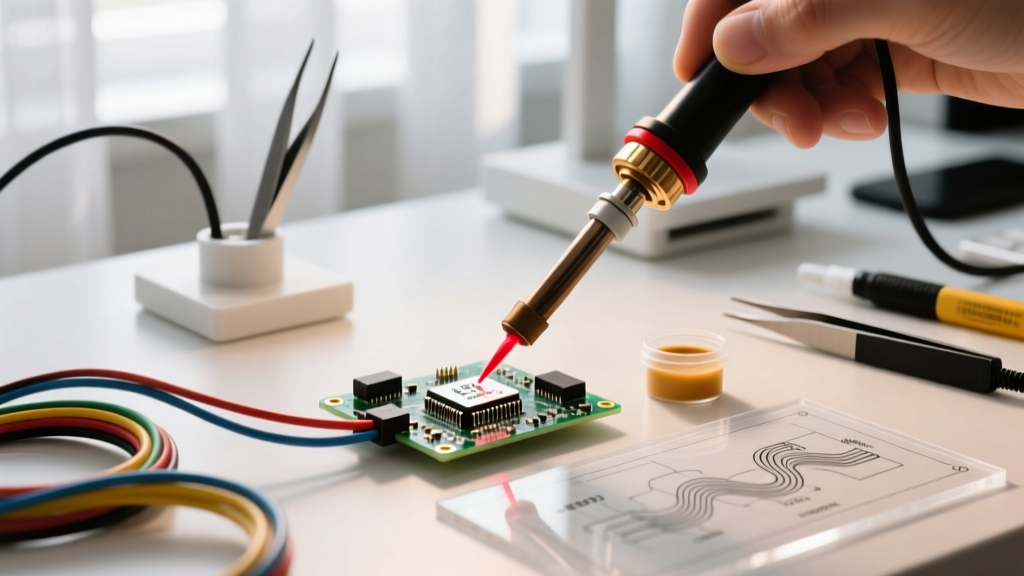
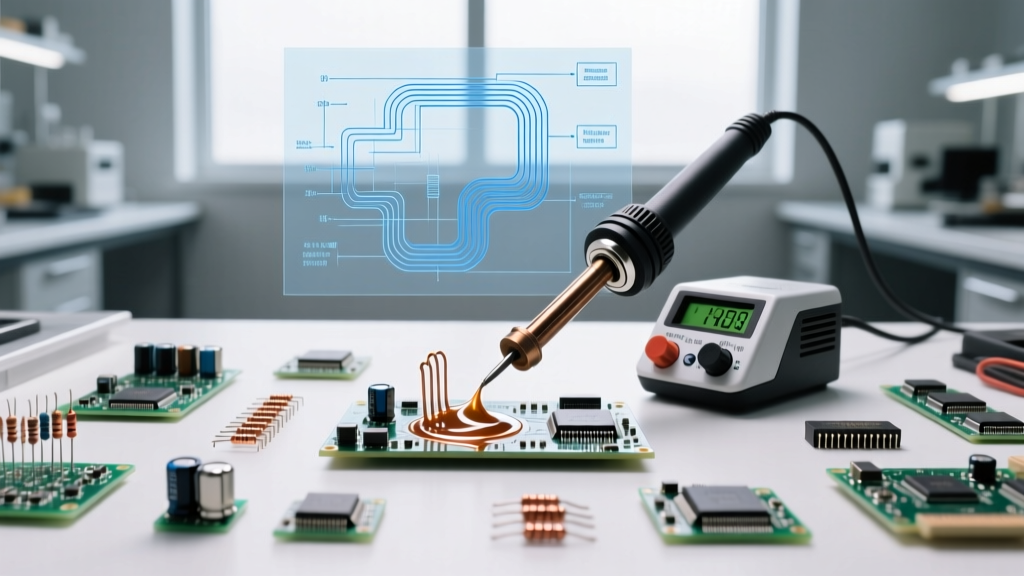
In modern electronics rework, the traditional separation between a soldering iron's heating element, temperature sensor, and copper tip is obsolete. Today, the industry standard is the integrated soldering pin—a single, self-contained cartridge where the heater, thermocouple, and tip are unified into one sealed metal shaft. This design eliminates thermal lag, dropping recovery times from 8 seconds down to sub-1-second intervals.
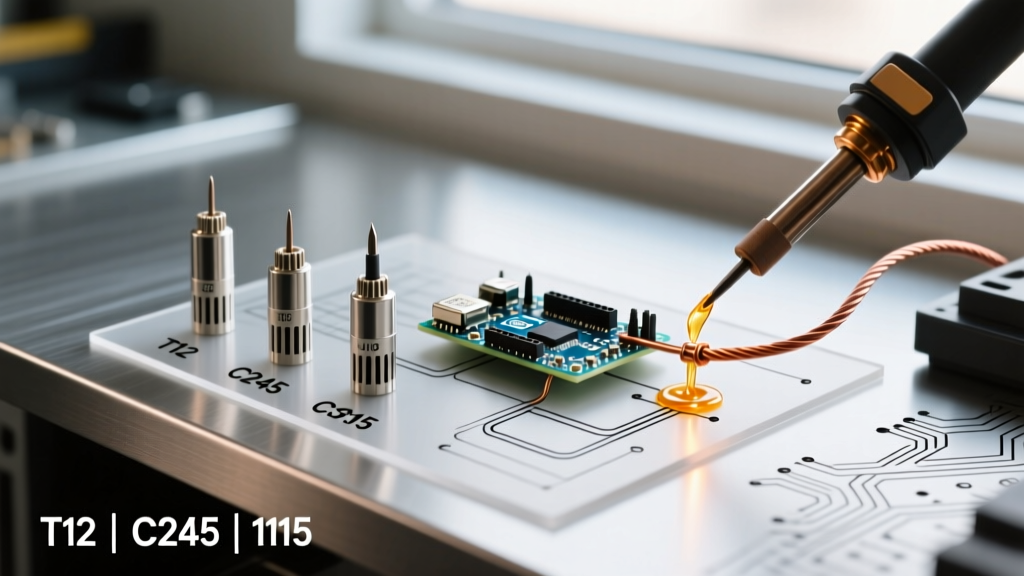
However, the 2026 market is flooded with competing soldering pin standards. Choosing the wrong cartridge format for your specific PCB density will result in either insufficient thermal mass (causing cold joints on ground planes) or excessive physical bulk (bridging fine-pitch SMD pads). This decision framework will help you select the exact soldering pin architecture—T12, C245, or C115—required for your workbench.
Expert Insight: According to the IPC standards for electronic assemblies, achieving a proper intermetallic compound (IMC) layer requires precise thermal profiling. An integrated soldering pin guarantees the sensor reads the exact temperature at the wetting interface, not 40mm away in a separate ceramic core.
The Soldering Pin Decision Matrix
Use this matrix to map your primary workload to the correct cartridge ecosystem. Pricing reflects 2026 market averages for genuine OEM units versus high-quality third-party alternatives.
| Cartridge Standard | Tip Diameter / Mass | Optimal Use Case | Avg. Price (Genuine) | Thermal Recovery |
|---|---|---|---|---|
| T12 (Hakko/Pinecil) | 12mm body / High Mass | Through-hole, heavy wires, large SMD (0805+) | $15 - $25 | 2.0 - 3.0 seconds |
| C245 (JBC T245) | 2.45mm tip / Medium Mass | Dense SMD (0402, 0603), QFP, general SMT rework | $45 - $60 | < 1.0 second |
| C115 (JBC T115) | 1.15mm tip / Micro Mass | Ultra-fine pitch, 0201, 01005, BGA micro-jumpers | $50 - $70 | < 1.0 second |
Tier 1: T12 Soldering Pins (The High-Mass Workhorse)
The T12 soldering pin remains the undisputed king of general-purpose electronics repair. Originally popularized by Hakko, the format was open-sourced and heavily adopted by the DIY community, most notably via the Pine64 Pinecil smart soldering iron. The T12 cartridge features a robust 12mm diameter body housing a thick iron-plated copper core, making it ideal for sinking heat into multi-layer PCBs with heavy internal copper pours.
When to Deploy T12 Pins
- High Thermal Demand: Soldering 12AWG silicone wires to XT60 connectors or thick through-hole capacitors.
- Power Delivery Constraints: T12 pins operate efficiently between 65W and 120W. In 2026, standard 100W USB-C GaN chargers can drive a T12 pin to 400°C without voltage sag.
- Budget-Conscious Labs: High-quality third-party T12 clones (e.g., KSGER or Alientek) cost between $4 and $8, allowing you to maintain a 15-tip arsenal for under $100.
Edge Case: The 'Thermocouple Drift' Failure Mode
When purchasing budget T12 soldering pins, beware of sensor decoupling. In counterfeit units, the thermal paste bridging the internal heater trace and the Type-K thermocouple degrades after 40 hours of use. This causes the station's PID controller to read a temperature 30°C lower than reality, leading to massive overshoots that delaminate FR4 fiberglass and lift 0805 pads. Always verify the weight of a T12 pin; genuine units weigh exactly 14.2 grams, while sensor-drift clones often weigh under 12 grams due to hollowed internal cores.
Tier 2: C245 and C115 Micro Soldering Pins
When your work transitions from macro-wiring to micro-soldering, the physical bulk of a T12 pin becomes a liability. The C245 and C115 soldering pin standards, pioneered by JBC Tools, separate the handle electronics from the tip via a specialized 3-pin connector, allowing for ultra-low mass tips that react to temperature drops in milliseconds.
Step-by-Step Selection for Precision SMT
- Audit Your Component Pitch: If you are routinely soldering 0402 resistors or LQFP-48 ICs, the C245 pin (specifically the C245-115 chisel or C245-945 nano-tweezer) provides the perfect balance of thermal reserve and physical clearance.
- Evaluate Micro-Jumper Needs: For smartphone logic board repair, trace reconstruction, or 01005 capacitor placement, step down to the C115 soldering pin. The 1.15mm shaft diameter allows you to route the tip between densely packed BGA underfill zones without melting adjacent solder mask.
- Match the Power Supply: Unlike T12 pins, C245/C115 cartridges require specialized 24V DC stations (like the JBC CD-2BQF or high-end clones from Sugon/AiXun) capable of delivering 130W+ burst current to maintain the micro-tip's thermal equilibrium during continuous drag-soldering.
Failure Modes & Edge Cases: Protecting Your Investment
Regardless of whether you choose a T12 or C245 soldering pin, improper handling will destroy the iron plating and ruin the wetting characteristics of the tip. Implement these preventative protocols:
1. Plating Dissolution via Lead-Free Contamination
If you use a dedicated lead-free (SnAgCu) soldering pin for standard 63/37 SnPb work, the aggressive flux cores and differing melting points will cause microscopic pitting in the iron plating. Conversely, using a SnPb-dedicated pin for lead-free rework at 380°C will accelerate iron dissolution into the solder pool. Rule: Dedicate specific pins to specific alloy chemistries and label the silicone caps accordingly.
2. Dry-Burn Oxidation
Leaving a C245 soldering pin at 350°C on a stand without a fresh layer of solder or flux barrier will oxidize the tip surface in under 12 minutes. Once the iron plating oxidizes, solder will ball up and refuse to wet. Always tin the pin with a high-flux, no-clean wire solder (like Kester 245) before placing it in the cradle, and utilize stations with aggressive auto-sleep features (dropping to 150°C after 60 seconds of inactivity).
Final Verdict: Building Your 2026 Pin Arsenal
Do not attempt to use a single soldering pin format for every task. The most efficient bench setup in 2026 utilizes a hybrid approach:
- Primary Station (T12): Equip a USB-C PD powered T12 station with a
T12-K(knife) andT12-D24(chisel) for 80% of general wiring, connector crimping, and through-hole work. - Secondary Station (C245): Keep a dedicated C245 micro-soldering station loaded with a
C245-115(micro-chisel) strictly for SMD rework, IC drag soldering, and 0402 component placement.
By aligning your soldering pin selection with the specific thermal mass and geometric constraints of your PCB targets, you eliminate cold joints, reduce rework time, and extend the operational lifespan of your cartridges from a few weeks to several years.