
The True Cost of Poor Soldering (And Why Formal Classes Matter)
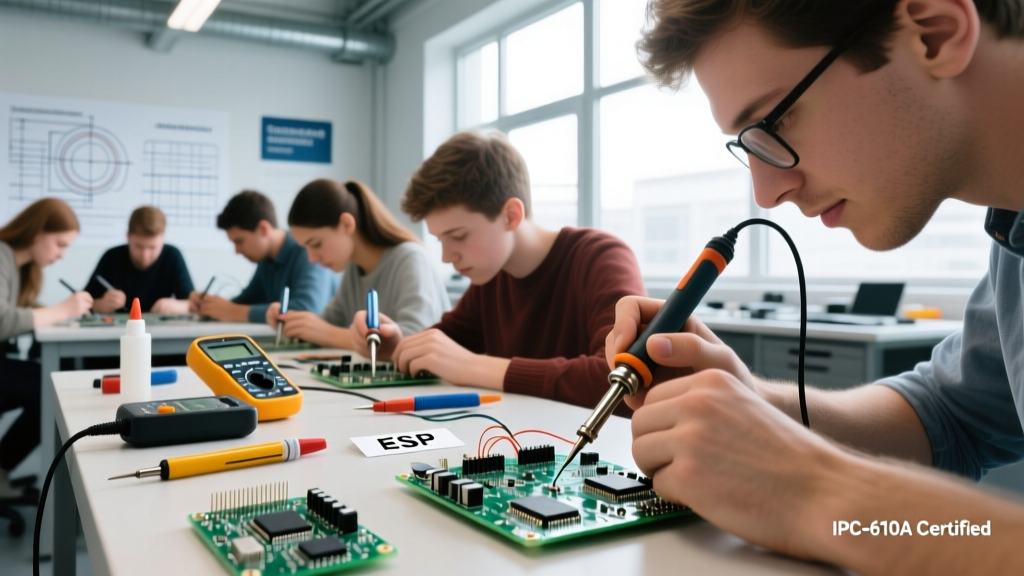
In the modern electronics manufacturing landscape, the margin for error on printed circuit board assemblies (PCBAs) is virtually zero. With surface-mount technology (SMT) pushing component densities to 01005 and 008004 metric sizes, relying on YouTube tutorials or on-the-job shadowing is a liability. Professional soldering training classes bridge the gap between basic hobbyist wiring and aerospace-grade reliability. Whether you are an independent repair technician, a quality assurance engineer, or a production line supervisor, enrolling in an accredited program is the only way to master thermal profiling, flux chemistry, and wetting dynamics.
As of 2026, the industry standard for electronic assembly quality is governed by rigorous frameworks. According to the IPC (Association Connecting Electronics Industries), facilities that employ certified soldering specialists see a 34% reduction in field failures and rework costs. But not all training programs are created equal. This comprehensive guide will help you navigate the landscape of certification tiers, lab equipment standards, and curriculum depth to ensure your investment yields tangible career ROI.
Decoding the Curriculum: IPC J-STD-001 vs. NASA-STD-8739.3
When evaluating soldering training classes, the first metric to check is the governing standard. The two most prominent frameworks taught in professional labs are IPC J-STD-001 and NASA-STD-8739.3.
1. IPC J-STD-001 (Requirements for Soldered Electrical and Electronic Assemblies)
This is the commercial and industrial gold standard. A robust J-STD-001 Rev H training class will cover:
- Material Selection: Differentiating between SAC305, Sn63/Pb37, and low-temperature alloys like SnBiAg for heat-sensitive components.
- Through-Hole Technology (THT): Proper barrel fill requirements (typically 75% to 100% depending on the product class) and clinched lead formations.
- Surface Mount Technology (SMT): Identifying and preventing tombstoning, head-in-pillow (HiP) defects, and solder balling.
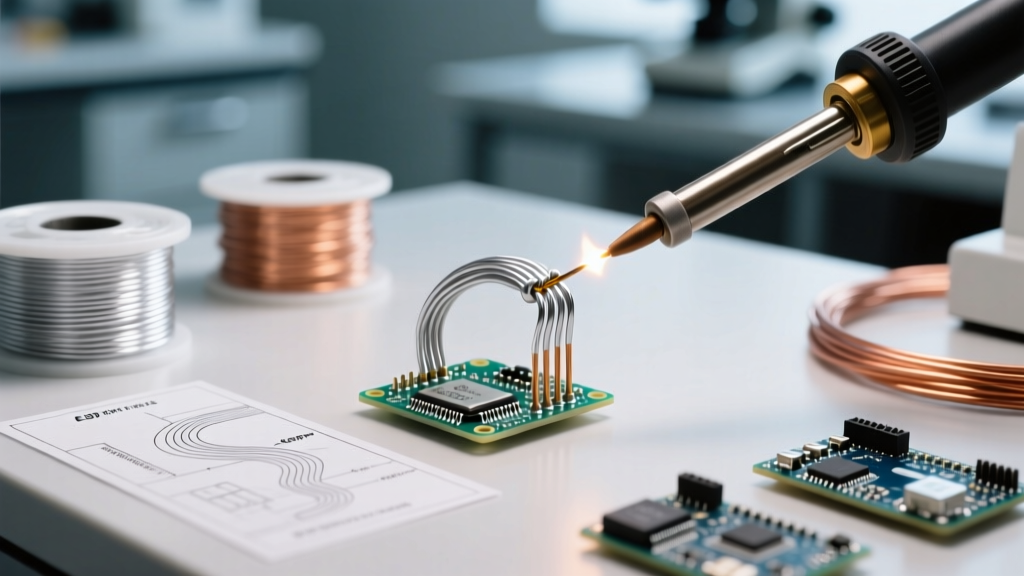
- Wire Termination: Turret, bifurcated, and hook terminal soldering requirements.
2. NASA-STD-8739.3 (Soldered Electrical Connections)
For technicians aiming for the aerospace, defense, or satellite sectors, classes based on NASA Workmanship Standards are mandatory. These courses are significantly more stringent, focusing on high-reliability (Class 3) applications where failure is not an option. You will learn advanced conformal coating removal, strict thermal restriction limits (maximum 3-second dwell time at 350°C to prevent pad lifting), and specialized cleaning protocols for space-bound hardware.
Online vs. In-Person Soldering Training Classes: A Cost & Yield Matrix
The shift toward hybrid learning has changed how soldering is taught, but hands-on muscle memory cannot be digitized. Below is a 2026 market comparison of training formats.
| Format | Average Cost (2026) | Duration | Lab Access | Best For |
|---|---|---|---|---|
| Pure In-Person (CIS) | $1,600 - $2,200 | 4 Days (32 Hours) | Full bench, microscopes, fume extraction | Production technicians, QA inspectors, career switchers |
| Hybrid (Online Theory + Lab) | $1,100 - $1,500 | 2 Days Online + 2 Days Lab | Limited to practical exams | Recertification (CIS-R), experienced engineers |
| Pure Online (Theory Only) | $350 - $600 | 8 - 12 Hours (Self-paced) | None (Virtual simulations only) | Design engineers, procurement managers, sales staff |
Note: To achieve the Certified IPC Specialist (CIS) designation, a physical, proctored practical exam is strictly required. Pure online classes only prepare you for the written theory test.
Lab Equipment: The Hidden Differentiator in Training Quality
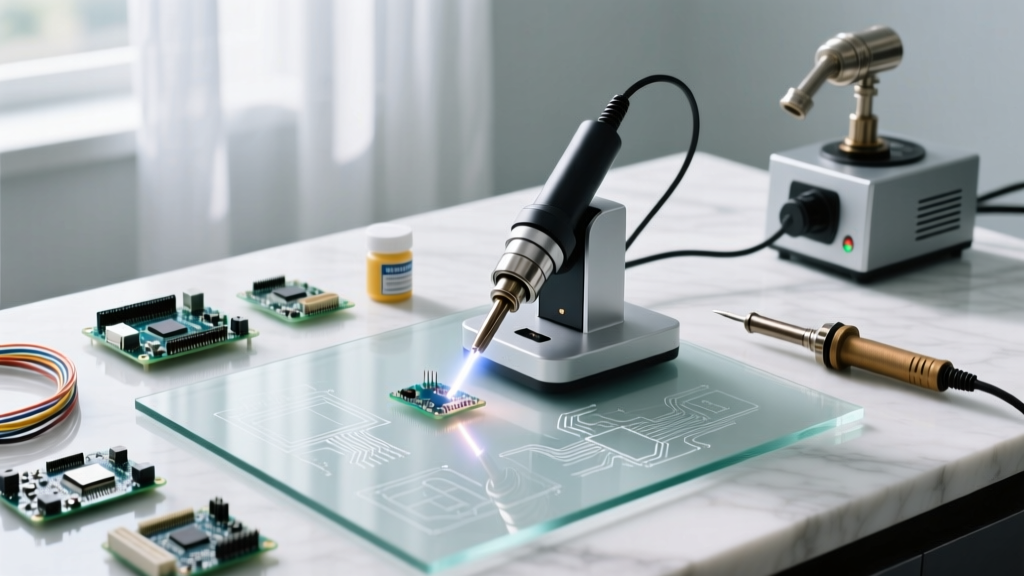
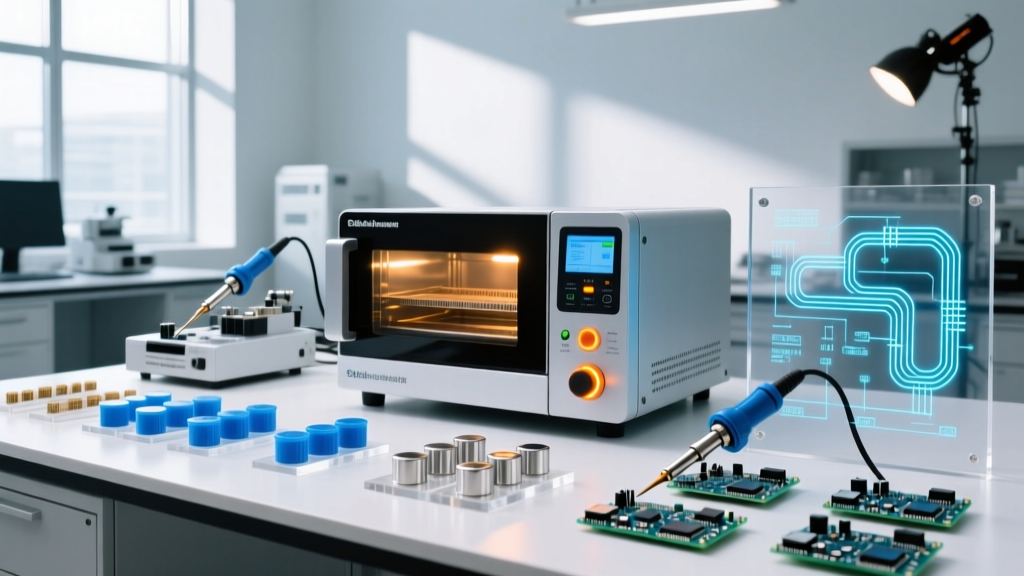
A syllabus is only as good as the workbench it is taught on. When researching soldering training classes, request a list of the lab equipment. If a facility is still using uncalibrated, ungrounded 40-watt ceramic heaters, walk away. Top-tier training centers in 2026 outfit their students with the following industry-standard gear:
Advanced Soldering Stations
- JBC CD-2BQE or Weller WX2021: These stations feature active tip sensing and sub-second thermal recovery. Training on these teaches students how to leverage rapid heat transfer rather than relying on brute force and high temperatures, which destroys flux and lifts pads.
- Hakko FX-951: A staple for mid-range training labs, offering reliable composite tip technology.
Micro-Soldering and Rework Tools
- Hakko FR-830 Preheaters: Essential for teaching multi-layer PCB rework and BGA (Ball Grid Array) desoldering without inducing thermal shock.
- Leica or AmScope Trinocular Microscopes: Inspecting 0201 metric components requires 10x to 40x magnification. Classes that do not include microscope inspection training are inadequate for modern SMT repair.
- BOFA or Weller WX fume extraction systems: According to NIOSH (National Institute for Occupational Safety and Health), rosin-based flux fumes contain colophony, a known respiratory sensitizer. Professional classes must enforce and teach proper localized exhaust ventilation (LEV) usage.
Expert Insight: Pay close attention to how a class teaches flux application. Amateurs treat flux as an afterthought; professionals know it is the chemical engine of the solder joint. A high-quality course will dedicate at least two hours to the chemistry of no-clean vs. water-soluble (OA) fluxes, their specific activation temperatures (usually 150°C - 180°C), and the mandatory cleaning protocols required to prevent electrochemical migration (dendrite growth) in high-humidity environments.
Step-by-Step Guide to Enrolling in the Right Program
Follow this actionable checklist to ensure you select a training provider that aligns with your career trajectory:
- Verify the Instructor's CIT Status: Ensure your lead instructor is a Certified IPC Trainer (CIT) with active credentials. Ask for their IPC certification number and verify it.
- Check the Student-to-Bench Ratio: The ideal ratio is 6:1. Anything higher means you will spend more time waiting for a microscope or rework station than actually building muscle memory.
- Confirm the Certification Tier: Are you testing for Class 1 (General Electronics), Class 2 (Dedicated Service), or Class 3 (High-Performance/Life Support)? Ensure the lab provides the specific test vehicles (e.g., IPC-610 test boards) for your target class.
- Inquire About Consumables: Does the $1,800 tuition include the cost of SAC305 solder wire, Kester or Alpha Assembly flux pens, and the copper test boards? Hidden consumable fees can add $150 to $250 to your final bill.
- Ask About Post-Training Support: Premium training centers offer 90 days of email support for troubleshooting edge cases you encounter once you return to your production floor.
Frequently Asked Questions (FAQ)
How long does an IPC soldering certification last?
Both the CIS (Specialist) and CIT (Trainer) certifications are valid for exactly 24 months from the date of passing. You must complete a recertification class (typically a 2-day refresher) before the expiration date to maintain your active status without having to retake the full 4-day initial course.
Do I need prior experience to take a J-STD-001 class?
While there are no strict prerequisites, a basic understanding of electronic components (resistors, capacitors, ICs) and basic hand tool usage is highly recommended. The classes move quickly, and instructors spend their time teaching technique and standard compliance, not basic component identification.
Is lead-free soldering harder to learn than tin-lead?
Yes. Lead-free alloys like SAC305 have a higher melting point (217°C vs. 183°C for Sn63/Pb37) and exhibit poorer wetting characteristics. High-quality training classes dedicate specific modules to managing the narrow thermal window of lead-free soldering, teaching students how to avoid cold joints and excessive intermetallic compound (IMC) growth.