
The Hidden Hazards of the Jewelry Bench
Creating soldered jewelry is a rewarding intersection of metallurgy and art, but it introduces a unique matrix of thermal, chemical, and respiratory hazards that differ vastly from standard electronics soldering. While a PCB hobbyist might worry about rosin fumes and lead exposure, a jewelry maker operates with oxygen-acetylene torches reaching 2,500°F (1,370°C), fluoride-based fluxes, and heavy metal alloys. As precious metal prices remain elevated in 2026, the volume of home-based and small-studio jewelers has surged, making rigorous safety protocols more critical than ever.
This guide bypasses generic safety platitudes and dives deep into the specific chemical, thermal, and environmental risks of jewelry soldering, providing actionable frameworks to protect your respiratory system, eyes, and skin.
The Cadmium Threat: Why Your Solder Alloy Matters
The most severe, yet frequently overlooked, hazard in silver soldering is cadmium. To lower the melting point of "easy" silver solders, some manufacturers (particularly unregulated overseas suppliers) add cadmium. When heated with a torch, cadmium oxidizes and releases cadmium oxide fumes. Inhalation of these fumes can lead to metal fume fever, severe chemical pneumonitis, and long-term kidney damage. The Occupational Safety and Health Administration (OSHA) strictly regulates cadmium exposure due to its classification as a known human carcinogen.
Always verify that your solder is explicitly labeled cadmium-free. Reputable suppliers like Rio Grande and OttoFrei strictly stock cadmium-free alloys, but hobbyists buying from unverified marketplaces are at high risk.
Silver Solder Alloy Comparison & Hazard Profile
| Alloy Type | Melting Point (°F) | Toxicity Profile | 2026 Avg. Price (per troy oz) |
|---|---|---|---|
| Cadmium-Bearing Easy | 1,145°F | Extreme: Releases carcinogenic cadmium oxide fumes. Avoid entirely. | $25 - $35 |
| Cadmium-Free Easy (e.g., Silvaloy 56T) | 1,145°F - 1,205°F | Low: Standard zinc/copper/tin fumes. Requires basic ventilation. | $45 - $60 |
| Medium Silver Solder | 1,275°F - 1,325°F | Low: Safe when used with proper source-capture ventilation. | $40 - $55 |
| Hard Silver Solder | 1,350°F - 1,425°F | Low: Higher copper content; minimal hazardous vaporization. | $35 - $50 |
Flux and Pickle Chemistry: Respiratory and Skin Risks
Jewelry soldering requires aggressive fluxes to prevent oxidation at high temperatures. While simple borax is relatively benign, high-temperature brazing fluxes (like Stay-Silv Black Flux) contain potassium fluoroborate and potassium fluoride. When heated, these compounds release hydrogen fluoride (HF) gas. HF is highly corrosive and can cause severe respiratory tract damage. The NIOSH Pocket Guide to Chemical Hazards outlines the severe systemic toxicity of hydrogen fluoride exposure.
The Pickle Pot: Acid Handling
After soldering, jewelry is quenched in a "pickle" solution to dissolve copper oxides. Your choice of pickle dictates your chemical risk profile:
- Sodium Bisulfate (Sparex #2): The industry standard. It forms a mild sulfuric acid solution when mixed with water. It is an eye and skin irritant but generally safe if handled with nitrile gloves and neutralized with baking soda before disposal. (~$25 for 5 lbs).
- Citric Acid: The safest alternative. Derived from citrus, it works excellently on copper oxides when heated to 140°F. It poses virtually no respiratory risk and is environmentally benign. (~$15 for 5 lbs).
- Sulfuric Acid (Concentrated): Do not use. Historically used in commercial settings, the risk of severe thermal burns and toxic sulfur dioxide off-gassing makes it entirely inappropriate for modern studios.
Soldering Surfaces: The Silica and Fiber Hazard
The surface you solder on is just as important as the metal you are melting. Many jewelers use Solderite blocks because they are easily machinable and reflect heat. However, Solderite is composed of compressed crystalline silica. Cutting, sanding, or even aggressively brushing a Solderite block releases respirable crystalline silica dust, a known cause of silicosis. If you use Solderite, never sand it dry, and replace it before it becomes heavily degraded.
Safer Alternatives:
- Natural Charcoal Blocks: Excellent heat reflection, completely non-toxic, and naturally consumable. (~$12 per block).
- Honeycomb Ceramic Boards: Made from alumina-silica. They are safe for standard torch work, but avoid cutting them with a saw, as the ceramic fibers can become airborne.
Essential Safety Gear for the Jewelry Bench
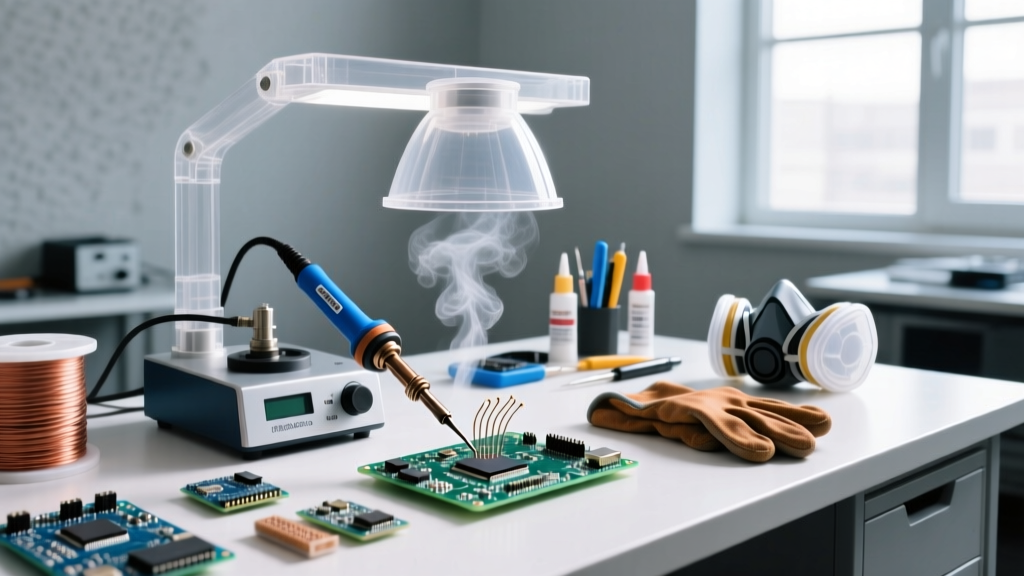
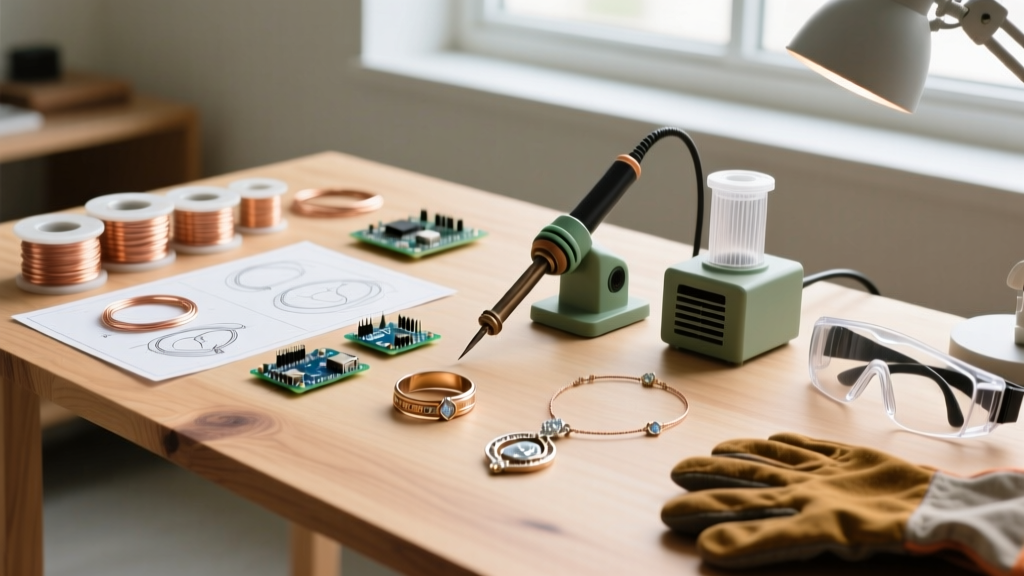
Standard safety glasses and a desk fan are woefully inadequate for soldered jewelry. Invest in the following specific personal protective equipment (PPE):
Critical Warning: Never use standard clear safety glasses when melting silver or using borax-based fluxes. The intense sodium flare (a blinding yellow glare) emitted by hot flux and silver can cause retinal fatigue and damage over time.
PPE Checklist
- Didymium Safety Glasses: Lenses containing neodymium and praseodymium that filter out the specific 589nm sodium flare wavelength. Brands like Phillips Safety Products offer wrap-around didymium glasses for approximately $45.
- Respirator Setup: A half-face respirator like the 3M 6200 ($18) fitted with 3M 60926 Multi-Gas/P100 cartridges ($22/pair). The P100 filters capture metal particulates, while the multi-gas sorbent neutralizes fluoride and acid vapors from flux and pickle.
- Thermal Apron: A heavy leather or aluminized Kevlar apron to protect against molten solder splashes and dropped hot metals.
- Nitrile Gloves (for Pickle only): Never wear gloves while operating a torch or rotating machinery (like a flex shaft), but always wear thick nitrile gloves when retrieving items from the acid pickle pot.
Designing a Safe Ventilation System
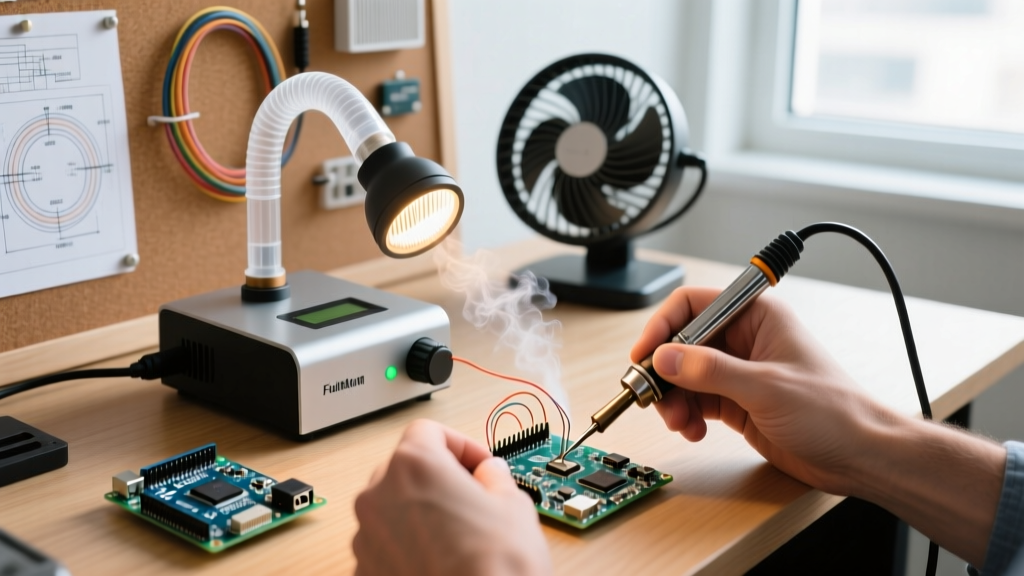
The CDC notes that metal fume fever is a primary risk when inhaling zinc and copper oxides generated during jewelry soldering. A standard window fan merely dilutes the room's air; it does not protect the operator's breathing zone. You need source-capture ventilation.
For light-duty hobbyists, the Hakko FA-400 ($65) can pull light rosin and some particulate, but it struggles with heavy fluoride fluxes. For serious jewelry makers, a benchtop fume extractor with a flexible snorkel arm and a combined HEPA/Activated Carbon filter is mandatory. Systems like the GRS BenchMate with an integrated fume extraction hood, or dedicated units from Rio Grande (ranging from $800 to $1,500), pull fumes away from the face at a velocity of 150-250 CFM, trapping both particulates and chemical vapors before they reach the breathing zone.
Fire Safety and Thermal Shock Protocols
Jewelry soldering involves open flames and highly flammable environments (alcohol for flux mixing, polishing compounds). Keep a Class ABC dry chemical fire extinguisher within 10 feet of the bench. Furthermore, be aware of thermal shock. Dropping a hot, freshly soldered sterling silver ring directly into cold water (or a cold pickle pot) can cause the metal to warp or the solder joint to fracture due to rapid contraction. Always allow the piece to air-cool until the red glow dissipates (usually 10-15 seconds) before quenching in water or pickle.
Summary of Best Practices
Making soldered jewelry is a precise and beautiful craft, but it demands respect for the chemistry and thermodynamics at play. By eliminating cadmium-bearing solders, switching to citric acid pickles, utilizing didymium eye protection, and investing in true source-capture ventilation, you ensure that your studio remains a safe environment for decades of creative work.