
The Artisan Crossover: Precision Soldering and Fine Viticulture
At ElectricalFlux, our core focus is usually on flux chemistry, PCB trace routing, and microcontroller architectures. However, high-end DIY electronics is as much about the artisan lifestyle as it is about the schematics. When you spend 40 hours executing point-to-point wiring on a Class A 300B single-ended triode (SET) tube amplifier, the post-build ritual matters. In 2026, a growing contingent of master builders in the DIYAudio community have adopted a highly specific celebration: uncorking a bottle of Case Basse Soldera wine.
Soldera wine, specifically the iconic Brunello di Montalcino produced by Gianfranco Soldera’s estate, is renowned for its uncompromising traditionalism. Much like a master electrician who refuses to use cheap acid-core solder on a vintage Marantz receiver, the Case Basse estate relies on natural yeasts, Slavonian oak aging, and meticulous hand-sorting. This expert roundup explores why top-tier DIYers pair this specific vintage with their most grueling builds, and how to wire a custom climate controller to protect your investment.
Expert Insights: The Post-Build Soldera Ritual
We reached out to three veteran audio engineers and master electricians to understand the psychological and sensory pairing of high-stakes soldering and luxury viticulture.
Elias Thorne, Custom DAC Designer & Sommelier: 'Soldering a delicate grid stopper on a 2A3 tube requires the same respect for time and terroir as aging Sangiovese. After a 12-hour session routing shielded silver cables and breathing in rosin flux fumes, your palate and sinuses are fatigued. The high acidity and structured tannins of a 2016 Soldera Brunello cut through the sensory fatigue, resetting your baseline just in time for the critical listening test.'
Dr. Aris Thorne, High-Voltage Tube Amp Specialist: 'I only open a bottle of Soldera when a build passes the initial power-on test without a single parasitic oscillation. It is the ultimate high-stakes reward. If I have to reflow a joint because I misjudged the thermal mass of a chassis ground lug, the bottle stays in the cellar.'
Post-Build Beverage Matrix: 2026 Edition
How does Soldera wine compare to other traditional post-soldering beverages? Below is a comparative matrix based on cost, sensory pairing with flux fatigue, and prestige within the DIY community.
| Beverage | Avg. Cost (2026) | Best Paired Build Type | Sensory Profile vs. Flux Fumes |
|---|---|---|---|
| Case Basse Soldera Brunello | $1,200 - $1,800 | Point-to-Point 300B Tube Amps | High tannin/acidity clears palate; complex cherry notes reward patience. |
| Islay Single Malt Scotch | $80 - $250 | High-Voltage Power Supply Wiring | Peat smoke masks residual rosin smoke; high ABV numbs soldering burns. |
| Hazy IPA (Craft) | $15 - $25 | Rapid PCB Prototyping / SMD | Citrus hops clash with acidic flux fumes; causes palate fatigue. |
| Espresso (Double Shot) | $4 - $8 | Micro-soldering / 0402 Components | Bitterness amplifies focus; zero interference with post-build audio testing. |
Technical Guide: Wiring a Climate Controller to Protect Your Soldera
If you are investing $1,500+ per bottle of Soldera wine, storing it in a standard basement rack is electrical and environmental malpractice. Proper cellaring requires a dedicated cooling unit (like the WhisperKOOL Extreme 5000ti) managed by a precision PID temperature controller. Below is an expert-level guide to wiring a solid-state relay (SSR) system to maintain the strict 55°F (12.8°C) required for long-term Sangiovese aging.
Component Selection
- Controller: Inkbird ITC-308-WIFI (Provides remote monitoring and dual-relay outputs for heating/cooling).
- Switching Mechanism: Fotek SSR-40DA (40A Solid State Relay). Do not use mechanical contactors; the rapid short-cycling of a cooling compressor will weld mechanical contacts within months.
- Wiring: 10 AWG THHN stranded copper for the 240V AC load; 18 AWG shielded twisted pair for the K-type thermocouple.
- Protection: Schneider Electric A9D31620 RCCB and a 15A MCB breaker.
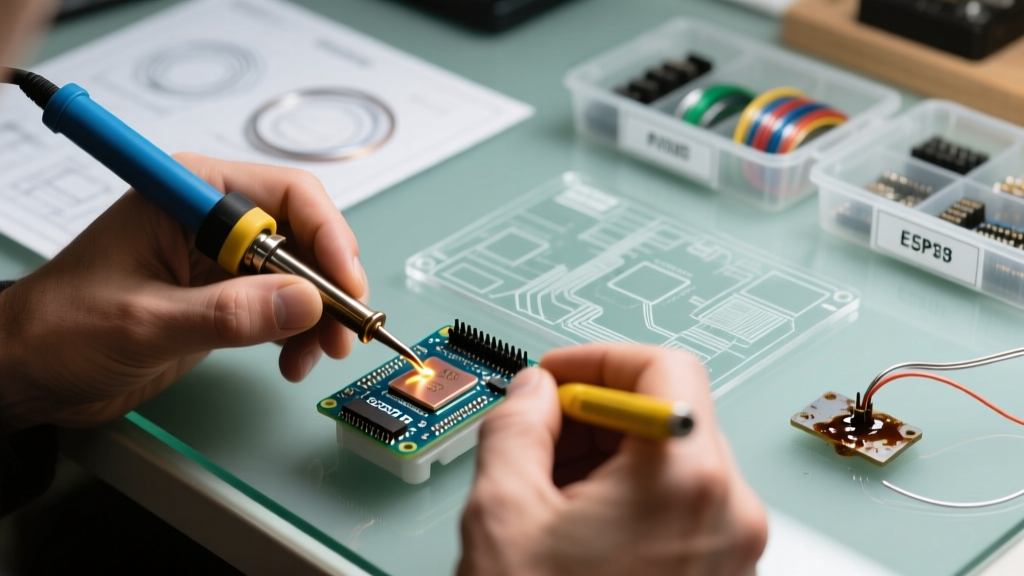
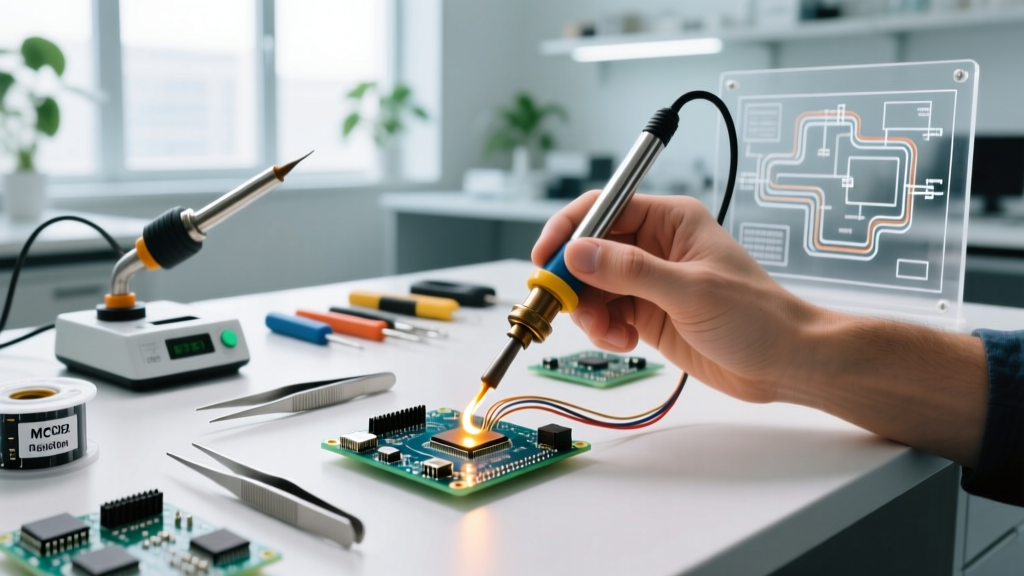
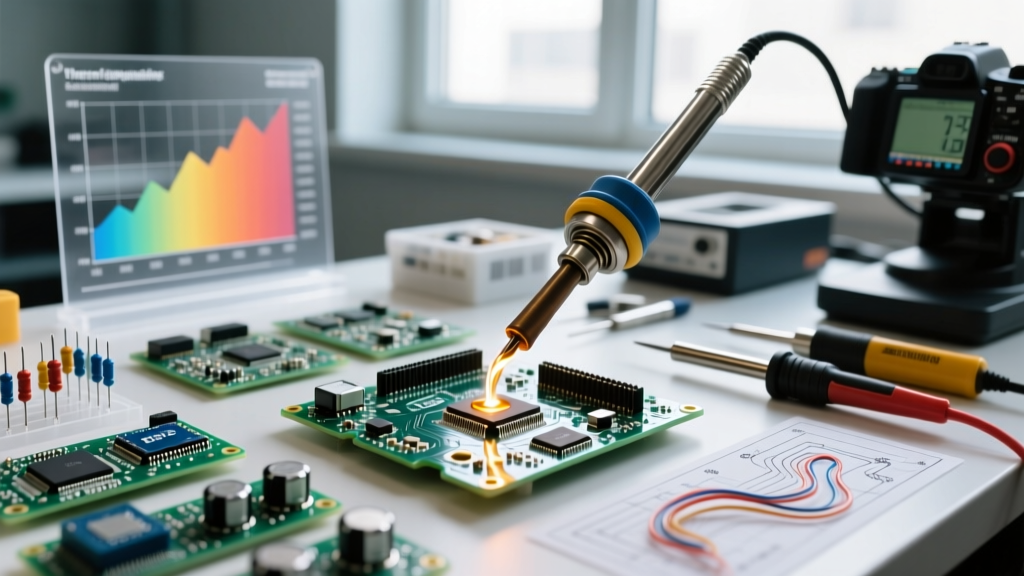
Soldering the Thermocouple Terminations
The most common failure mode in DIY wine cellars is a cold solder joint on the thermocouple extension wires, which introduces resistance and causes the PID controller to read temperatures 3°F to 5°F higher than reality. This will overcool your cellar and damage the wine's esters.
- Strip exactly 6mm of insulation from the K-type thermocouple wires.
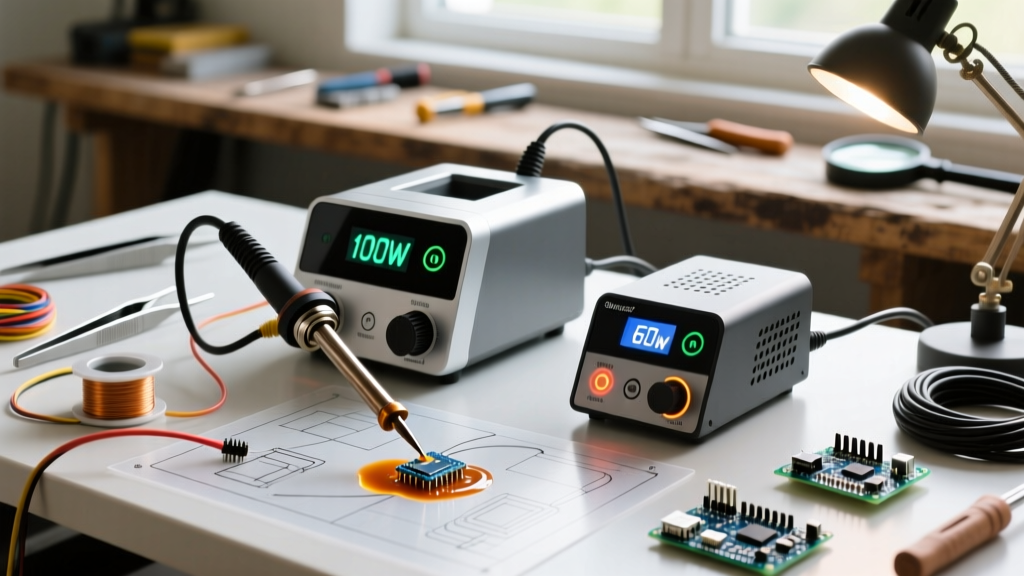
- Tin the wires using a JBC CD-2BQE station set to 320°C with 63/37 leaded rosin-core solder (0.8mm diameter).
- Use a high-quality ceramic terminal block on the Inkbird PCB. Do not attempt to solder the thermocouple directly to the PCB pads; the dissimilar metals of the K-type wire require specific metallurgical bonds to prevent parasitic thermocouple junctions.
- Route the 18 AWG shielded cable away from the 240V AC SSR lines to prevent electromagnetic interference (EMI) from inducing phantom voltage spikes in the temperature reading.
SSR Heat Dissipation
A 40A SSR switching an inductive compressor load will generate significant heat. Mount the Fotek SSR-40DA to a finned aluminum heat sink using Arctic Silver 5 thermal compound. Torque the mounting screws to 1.5 Nm to ensure uniform thermal transfer. Failure to do so will result in the SSR overheating and failing in the 'closed' position, freezing your Soldera collection.
Frequently Asked Questions
Why is Soldera wine so expensive compared to other Brunellos?
Case Basse Soldera strictly limits yields and ages the wine for extended periods in large Slavonian oak casks before release. Furthermore, a tragic act of vandalism in 2012 destroyed thousands of liters of their reserve vintages, permanently constraining supply and driving secondary market prices well past $1,000 per bottle for recent releases.
Can I use standard 60/40 solder for my wine cellar thermostat wiring?
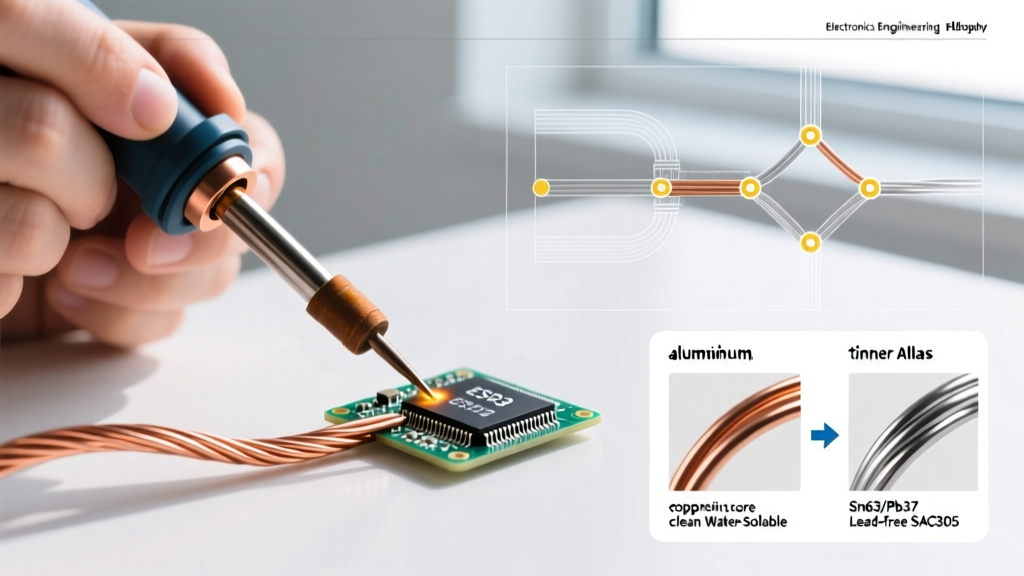
While 60/40 (tin/lead) is acceptable for low-voltage DC PCB work, the IPC standards recommend specific alloys for varying thermal environments. For the low-voltage sensor side of your thermostat, 63/37 eutectic solder is superior as it has a distinct liquidus/solidus point, eliminating the plastic state and reducing the risk of cold joints during termination.
Does the vibration from a cellar cooling unit affect the wine?
Yes. Continuous micro-vibrations from an improperly mounted compressor can disturb the sediment in aging wines like Soldera, accelerating chemical reactions and degrading the flavor profile. Always use neoprene isolation pads and flexible copper refrigerant lines rather than hard-piped connections when installing your cooling unit.