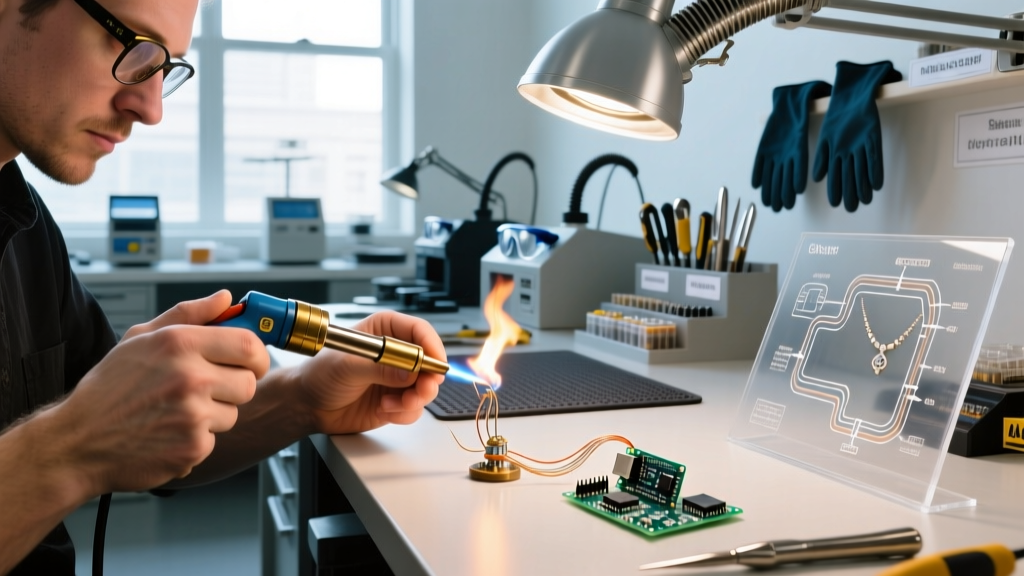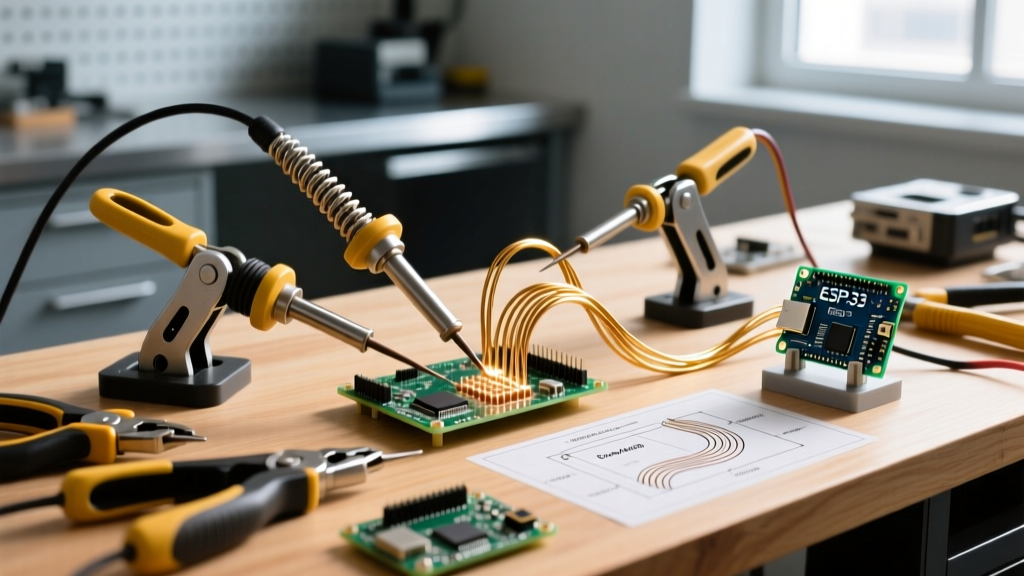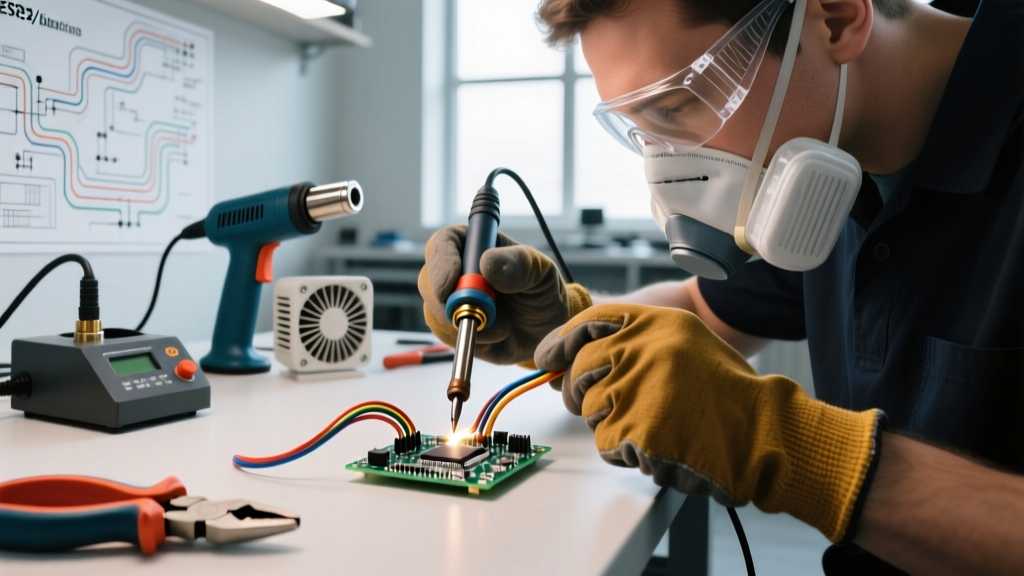

Automotive electrical repair demands extreme precision, especially as modern vehicles integrate complex CAN bus networks and sensitive Engine Control Units (ECUs). When professional technicians engage in Snap On soldering tasks, they are typically wielding premium, high-wattage equipment designed for heavy-duty harness repair and terminal splicing. However, the garage environment presents unique hazards—from flammable vapors to poor ventilation—that require strict adherence to safety protocols.
This guide outlines the critical safety best practices for using Snap-On branded soldering stations and butane irons, ensuring both technician safety and the integrity of the vehicle's electrical architecture in 2026 and beyond.
Understanding Your Snap-On Soldering Equipment Profile
Snap-On offers a variety of soldering solutions tailored for the mobile technician and the fixed-bay diagnostic room. Understanding the specific safety profile of your tool is the first step in hazard mitigation.
Tool Safety Callout: Butane vs. Electric
Butane Irons (e.g., Snap-On Cordless Soldering Iron Kits): Ideal for remote harness repairs where power is unavailable. Hazard: Open flame capability and hot catalytic tip pose severe ignition risks near fuel systems. Operating temperatures can surge past 500°C (932°F) if unregulated.
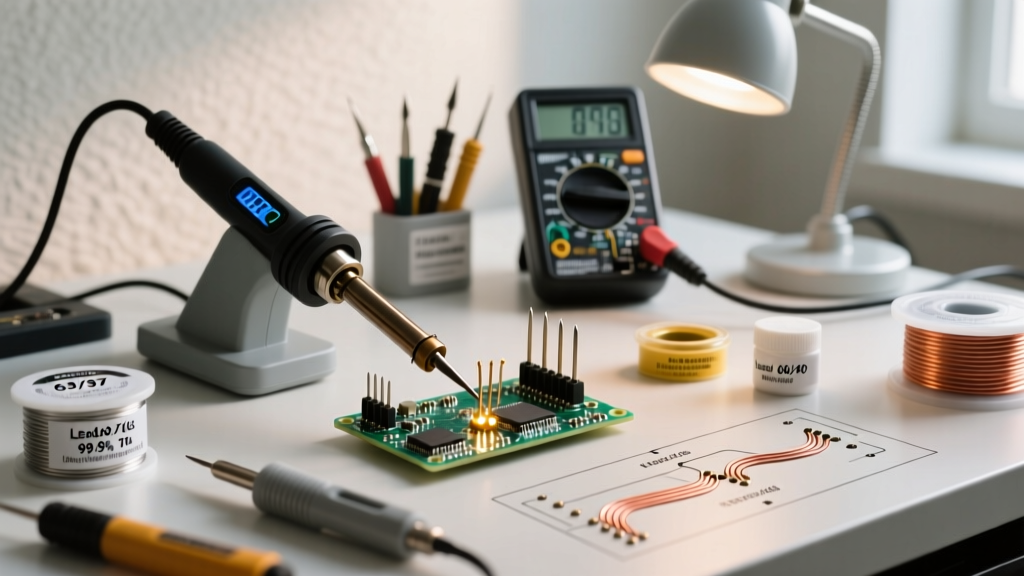
Electric Stations (e.g., Snap-On 90W+ Ceramic Heater Stations): Provide precise digital temperature control. Hazard: High-wattage tips can cause instantaneous thermal shock to cold copper planes, and improper grounding can introduce Electrostatic Discharge (ESD) to sensitive modules.
Respiratory Protection and Fume Extraction
The most insidious danger in any soldering process is flux vaporization. Automotive wiring repairs frequently utilize rosin-based (colophony) or synthetic no-clean fluxes. When heated above 200°C, these fluxes release aliphatic aldehydes and hydrogen chloride gas.
According to occupational health guidelines outlined by OSHA's ventilation standards, localized exhaust ventilation (LEV) is mandatory to prevent occupational asthma and chronic respiratory sensitization. Relying on the ambient HVAC system of a large repair shop is insufficient.
Implementing Proper Extraction
- Benchtop Repairs: Use a dedicated HEPA and activated carbon fume extractor with a minimum capture velocity of 100 CFM. Position the extraction hood exactly 4 to 6 inches from the solder joint.
- In-Vehicle Repairs: When leaning into a dashboard or trunk, use portable, battery-operated personal air purifiers with VOC-rated carbon filters, and ensure the bay's main exhaust fans are actively cycling air.
- Respirators: If LEV is impossible, technicians must wear NIOSH-approved half-mask respirators equipped with P100 particulate filters and organic vapor (OV) cartridges.
Thermal Management and Harness Protection
Modern automotive wiring relies on cross-linked polyethylene (XLPE) insulation, which is highly resistant to heat and chemicals. The SAE J1128 standard dictates that primary cables must withstand continuous high temperatures, but direct contact with a 380°C soldering iron tip will instantly melt the insulation and compromise the harness.
The Kapton Tape Protocol
Before applying heat, always wrap the surrounding wires and connector housings in Kapton (polyimide) tape. Kapton tape can withstand continuous temperatures up to 260°C (500°F) and short spikes up to 400°C. This creates a vital thermal barrier.
- Clean the wire with isopropyl alcohol (ensure it is fully evaporated before applying heat).
- Apply Kapton tape to all adjacent wires within a 1-inch radius.
- Use a heat-shield mat if working near plastic interior trim panels.
- Limit iron contact time to 3 to 5 seconds maximum per joint to prevent heat wicking up the copper strands and melting the insulation from the inside out.
PPE and Safety Matrix for Automotive Soldering
Different Snap-On soldering applications require different levels of Personal Protective Equipment (PPE). Review the matrix below to ensure your bay is properly equipped.
| Application Scenario | Tool Type | Required PPE | Ventilation Requirement |
|---|---|---|---|
| Benchtop ECU Pin Splicing | Electric Station (ESD Safe) | Safety Glasses, ESD Wrist Strap | Benchtop HEPA/Carbon Extractor |
| Underhood Sensor Harness | Butane Cordless Iron | Safety Glasses, Heat-Resistant Gloves | Open Bay Doors / Cross-Draft |
| Fuel Cell Area Wiring | STRICTLY PROHIBITED | N/A | N/A (Use Crimping Only) |
ESD Safety: Protecting the Vehicle's Brain
When your Snap-On soldering tasks involve repairing pigtail connectors directly attached to an ECU, ABS module, or transmission control unit, Electrostatic Discharge (ESD) becomes a primary concern. A static shock as low as 30 volts can permanently degrade the silicon logic gates inside these modules.
"Adherence to IPC J-STD-001 requirements for soldered electrical assemblies mandates that all soldering equipment used on sensitive electronics must be verified for tip-to-ground resistance, typically requiring a resistance of less than 5 ohms to safely dissipate static charges."
Actionable Step: Before plugging in your electric Snap-On station, test the tip-to-ground continuity with a multimeter. Always wear an ESD wrist strap connected to a verified bare-metal chassis ground on the vehicle, and ensure the vehicle's battery is disconnected to prevent ground loops.
Fire Hazards and Butane Iron Protocols
Snap-On butane soldering irons are exceptionally popular for mobile heavy-duty and agricultural equipment repairs. However, they introduce open-flame and catalytic combustion risks.
The 35-Foot Rule
Never use a butane soldering iron within 35 feet of an active fuel leak, open solvent containers, or spray booth intake vents. The catalytic tip of a butane iron operates at roughly 400°C to 500°C—well above the auto-ignition temperature of gasoline vapors (which can ignite at approximately 280°C / 536°F).
- Refueling Safety: Never refill the butane reservoir while the tool is hot or inside the vehicle cabin. Wait 10 minutes for the tool to cool, and refill outdoors to prevent heavier-than-air butane gas from pooling in the shop floor drains.
- Storage: Store butane irons in a dedicated, fire-retardant metal lockbox. Do not leave them on the workbench where they can be accidentally knocked onto the floor, potentially cracking the fuel reservoir.
Tip Maintenance: A Hidden Safety Factor
A degraded, oxidized soldering tip is not just inefficient; it is a safety hazard. When a tip is heavily oxidized, technicians tend to crank the temperature dial up to 450°C+ to force heat transfer. This extreme temperature accelerates tip erosion, increases the vaporization of toxic flux chemicals, and drastically raises the risk of scorching the surrounding XLPE wire insulation.
Proper Tip Care Routine:
- Use a damp (not soaking) cellulose sponge or brass wire sponge to clean the tip after every 3 joints.
- Always leave a thick layer of solder on the tip when powering down the Snap-On station. This sacrificial layer oxidizes instead of the iron plating.
- Inspect the tip under a magnifying lamp weekly. If you see pitting, exposed copper, or a bluish-grey discoloration, replace it immediately. A standard Snap-On replacement tip costs between $15 and $30—a minor investment to prevent a $2,000 harness replacement.
Conclusion
Performing Snap On soldering tasks in an automotive environment requires a technician to balance speed with rigorous safety standards. By respecting the thermal limits of modern polymers, implementing strict fume extraction protocols, and understanding the explosive risks of butane tools, professionals can ensure their repairs are both durable and safe. Investing in proper PPE and maintaining your equipment to IPC standards is the hallmark of a master technician.