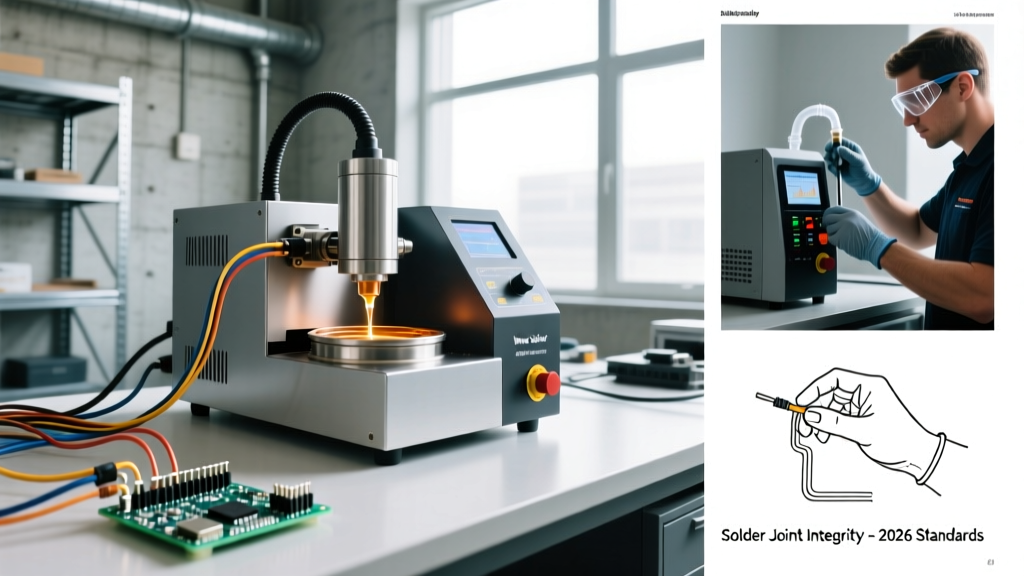

The Reality of Lead Exposure in Electronics Manufacturing
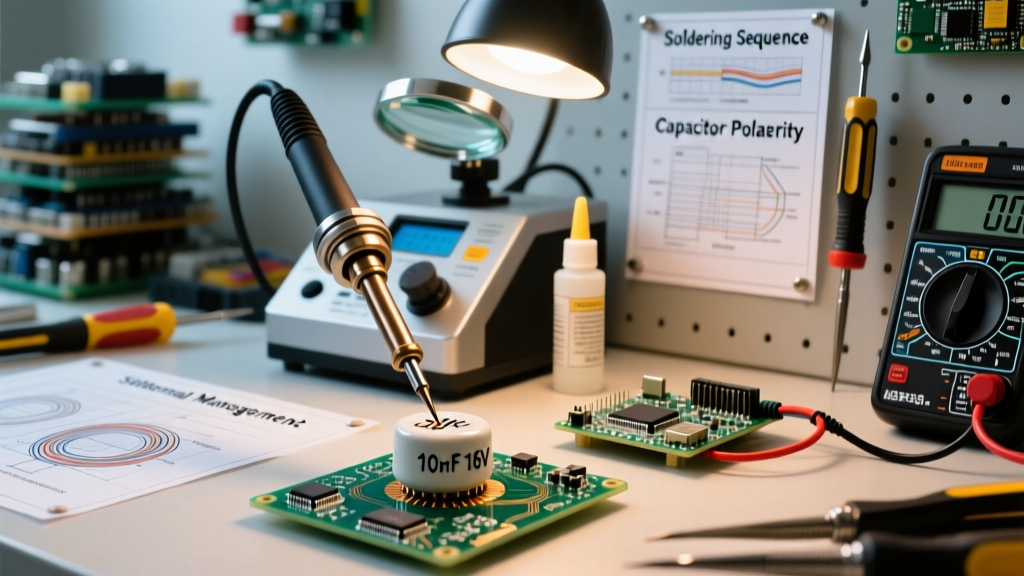
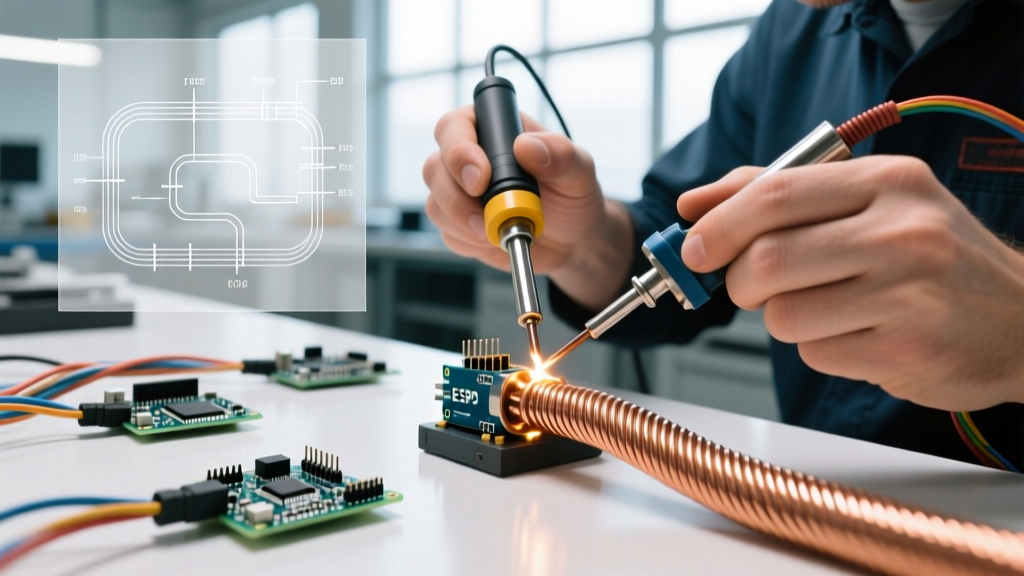
Despite the widespread adoption of RoHS-compliant lead-free alloys, traditional tin-lead (Sn63/Pb37) solder remains a staple in 2026 for aerospace, medical devices, and high-reliability automotive electronics due to its superior fatigue resistance and lack of tin whisker formation. Consequently, the risk of lead poisoning from soldering remains a critical concern for DIY enthusiasts, repair technicians, and production line workers alike.
To separate internet myths from occupational science, ElectricalFlux convened a panel of three experts: an industrial hygienist, an IPC J-STD-001 Master Instructor, and an occupational toxicologist. Their consensus reveals a startling truth: the primary vector for lead exposure in the workshop is not what you breathe, but what you touch.
The Physics of Solder Fumes: Inhalation vs. Ingestion
The most pervasive myth in electronics repair is that the visible smoke rising from a solder joint contains vaporized lead. This is physically impossible under normal workshop conditions.
- Boiling Point of Lead: 1,749 °C (3,180 °F)
- Typical Soldering Iron Temperature: 300 °C to 400 °C (572 °F to 752 °F)
- Melting Point of Sn63/Pb37: 183 °C (361 °F)
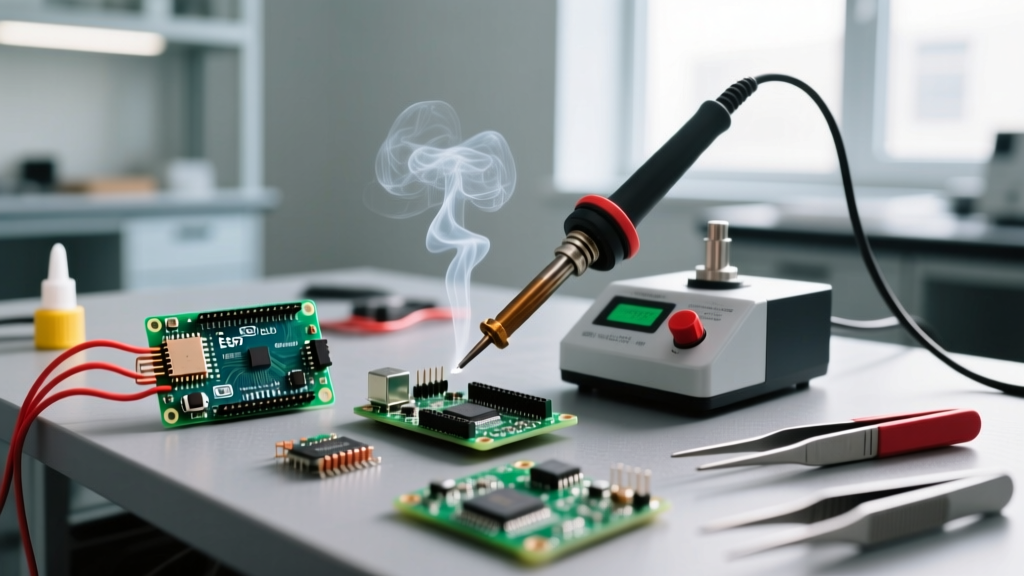
Because the iron operates hundreds of degrees below the vaporization point of lead, the smoke you see is entirely vaporized flux—typically rosin (colophony) or synthetic resins. While inhaling flux fumes is a serious respiratory hazard that can cause occupational asthma and contact dermatitis, it does not cause lead poisoning. According to the National Institute for Occupational Safety and Health (NIOSH), lead exposure in soldering occurs almost exclusively through the ingestion of microscopic lead dust particles transferred from hands to the mouth.
"Technicians often spend $500 on a high-end fume extractor to protect against lead, completely ignoring the fact that they are eating their lunch at the same workbench where they handle leaded solder. The fume extractor protects your lungs from rosin; it does absolutely nothing to stop hand-to-mouth lead transfer."
— Dr. Aris Thorne, Certified Industrial Hygienist (CIH)
Expert Panel Insights: The Three Vectors of Contamination
1. The Micro-Dust Accumulation (The IPC Perspective)
Sarah Jenkins, an IPC J-STD-001 Certified Specialist, notes that lead dust accumulates invisibly on workbench mats, wire strippers, and solder spools. "When you handle a spool of Kester 44 Rosin Core solder, your fingers pick up microscopic oxidized lead particles from the outer layers of the wire. If you then touch your phone, your coffee mug, or your face, you have created a direct ingestion pathway," Jenkins explains. She mandates a strict 'Red Zone' and 'Green Zone' separation in any facility handling Sn63/Pb37.
2. The Thermal Shock Spatter (The Hygienist Perspective)
Dr. Thorne points to a secondary, often overlooked vector: flux spatter. "When wet or oxidized components are soldered, the rapid expansion of flux can eject microscopic droplets of molten solder onto the workbench or the technician's skin. These tiny, hardened spheres contain high concentrations of lead and are easily swept up by bare hands later in the day."
3. Biological Half-Life and Accumulation (The Toxicologist Perspective)
Dr. Elena Rostova, an occupational toxicologist, emphasizes that the body processes inhaled lead dust differently than ingested lead, but both are dangerous. "The biological half-life of lead in human blood is roughly 30 days, but in bone tissue, it can remain for decades. Chronic, low-level ingestion from poor workshop hygiene leads to cumulative neurological and renal damage long before acute symptoms appear." The CDC recently updated its Blood Lead Reference Value (BLRV) for adults to 3.5 micrograms per deciliter (µg/dL), meaning even trace workshop exposure can trigger medical intervention.
Comparative Matrix: Solder Alloys and Safety Profiles
Understanding the specific alloy you are purchasing is the first step in risk mitigation. Below is a breakdown of common alloys available in 2026 and their specific handling requirements.
| Alloy Designation | Composition | Primary Hazard | Required PPE & Handling |
|---|---|---|---|
| Sn63/Pb37 (Eutectic) | 63% Tin, 37% Lead | Severe (Lead Ingestion) | Nitrile gloves, chelating soap, strict hand-washing, no food/drink. |
| SAC305 (Lead-Free) | 96.5% Sn, 3% Ag, 0.5% Cu | Moderate (Flux Fumes, Silver) | Fume extraction (HEPA/Carbon), eye protection for spatter. |
| Sn42/Bi57 | 42% Tin, 58% Bismuth | Low (Flux Fumes) | Standard fume extraction, basic hygiene. |
| Sn96.5/Ag3.5 | 96.5% Tin, 3.5% Silver | Moderate (Flux Fumes) | Fume extraction to prevent colophony asthma. |
The $115 Workshop Safety Upgrade Protocol
You do not need a $5,000 industrial ventilation system to prevent lead poisoning from soldering at home or in a small repair shop. Our experts recommend the following targeted, budget-friendly upgrades to eliminate the ingestion vector and mitigate flux inhalation.
- D-Lead Professional Hand Soap ($12): Standard hand sanitizers and generic soaps do not remove heavy metals; they merely spread them. D-Lead uses chelating agents that bind to lead particles on the skin, allowing them to be rinsed away with water. Keep a bottle directly at your workshop sink.
- Hakko FA-400 Fume Extractor ($75): While it won't stop lead ingestion, capturing the rosin flux fumes at the source prevents occupational asthma. The FA-400 uses a replaceable activated carbon filter (Hakko 1001B) that effectively adsorbs volatile organic compounds (VOCs) generated by heated flux.
- Techni-Wipe T-400 or Kimtech Precision Wipes ($18): Stop using shop rags to clean your workbench. Rags trap lead dust and re-deposit it later. Use lint-free wipes dampened with 99% Isopropyl Alcohol (IPA) to wipe down your silicone soldering mat at the end of every session, then discard the wipe.
- 3M 6291PAK Half-Mask Respirator ($35 - Optional but recommended): If you are doing high-volume through-hole soldering or rework, a half-mask equipped with 3M 60926 Multi-Gas/P100 cartridges will protect against both flux particulates and organic vapors.
Workspace Zoning: The 'Clean Hand' Rule
IPC Master Instructor Sarah Jenkins advocates for the 'Clean Hand' protocol, a behavioral framework that costs nothing but eliminates 99% of ingestion risks.
- The Tool Hand: Designate one hand (usually your dominant hand) as the 'dirty' hand. This hand holds the soldering iron, the solder wire, and the tweezers. It never touches your face, your phone, or your keyboard.
- The Clean Hand: Your non-dominant hand operates the multimeter, types on the keyboard, and drinks coffee. It never touches the solder spool or the workbench mat.
- The Break Protocol: Before leaving the 'Red Zone' (workbench), remove any nitrile gloves, wash hands with chelating soap for a full 20 seconds, and use a damp paper towel to wipe down the door handle you are about to touch.
Frequently Asked Questions (Expert Answers)
Can I get lead poisoning from touching cold solder wire?
Yes. Solid solder wire is coated in microscopic oxidation and flux residues that trap lead dust. Handling a bare spool of Sn63/Pb37 without nitrile gloves will transfer lead to your skin. Always wash your hands after handling raw solder wire, even if you haven't heated it.
Do I need a HEPA filter or a Carbon filter for lead?
Neither filter will catch 'lead fumes' because lead fumes do not exist at soldering temperatures. However, a HEPA filter is excellent for capturing airborne dust if you are sanding or grinding leaded solder joints (which you should never do). For standard soldering, an activated carbon filter is required to capture the harmful flux VOCs and rosin particulates.
How often should I get a blood lead level (BLL) test?
If you work with leaded solder daily in a professional capacity, OSHA guidelines recommend baseline blood testing upon hiring, followed by annual monitoring. For hobbyists who solder a few hours a week and follow strict hand-washing protocols, routine BLL testing is generally not required, but consulting an occupational health physician is always advised if you experience unexplained fatigue or neuropathy.
Is lead-free solder completely safe?
Lead-free alloys like SAC305 eliminate the risk of heavy metal neurotoxicity, but they require higher soldering temperatures (typically 350°C+). These higher temperatures cause flux to vaporize more aggressively, increasing the volume of harmful colophony smoke. Fume extraction is arguably more critical when using lead-free solder to protect your respiratory system.
Final Verdict: Respecting the Chemistry
Preventing lead poisoning from soldering does not require abandoning traditional tin-lead alloys, which still offer unmatched reliability for specific mission-critical applications. By understanding the true physics of solder vaporization, respecting the hand-to-mouth ingestion vector, and implementing a $115 targeted safety upgrade, you can safely harness the benefits of Sn63/Pb37 without compromising your long-term neurological health. Treat the solder spool with the same respect you would give to any laboratory chemical, and your workshop will remain a safe haven for innovation.