
The Mechanics of Pulse Heat: Why Hot Bar Soldering Demands Strict Safety
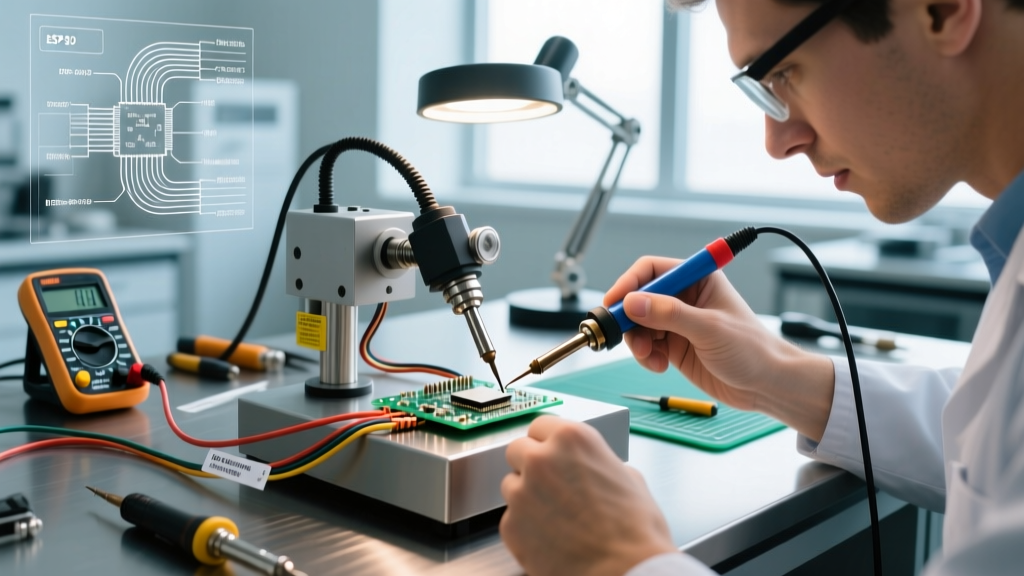
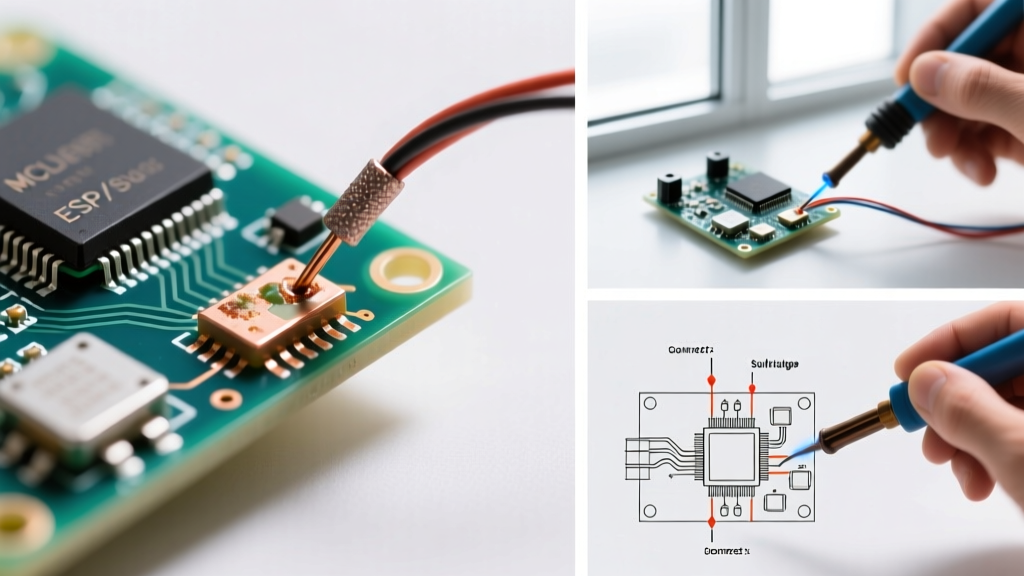
Hot bar soldering, widely known in the electronics manufacturing industry as pulse heat soldering, is a highly specialized thermal bonding process. Unlike continuous-heat soldering irons or convection reflow ovens, a hot bar system utilizes a thermode (a specialized heating element) that is heated by a high-current, low-voltage electrical pulse. The thermode is pressed against a pre-fluxed and pre-tinned joint—most commonly for attaching Flexible Printed Circuits (FPC) to rigid PCBs, bonding fine-pitch connectors, or sealing heat-sensitive components. Once the solder reflows, the current is cut, and the thermode cools rapidly while maintaining mechanical pressure, ensuring a structurally sound, low-resistance intermetallic connection.
While this method is indispensable for modern microelectronics, it introduces unique safety hazards. The thermode can surge from ambient room temperature to 400°C in under 200 milliseconds. This extreme thermal ramp-up, combined with the vaporization of aggressive flux chemistries and the mechanical forces involved, requires rigorous safety protocols. As we navigate the 2026 manufacturing landscape, where closed-loop pulse heat controllers have become the industry standard for IPC Class 3 medical and aerospace assemblies, understanding the intersection of operator safety and process reliability is critical.
Core Safety Hazards in Thermode Bonding
Operating a pulse heat system without proper safeguards exposes technicians to three primary categories of risk:
- Severe Thermal Burns: Molybdenum and titanium thermodes retain residual heat. Even with rapid air-cooling or integrated water-chilling, accidental contact immediately after the pulse cycle can cause deep-tissue burns. Furthermore, solder splash (spattering) from trapped moisture in the flux can eject molten droplets at high velocities.
- Respiratory Sensitization (Occupational Asthma): The vaporization of rosin-based (colophony) and synthetic organic fluxes generates complex aerosols. According to the UK Health and Safety Executive (HSE), exposure to rosin flux fumes is a leading cause of occupational asthma in electronics assembly. Once sensitized, an operator can suffer severe respiratory distress even from trace exposures.
- Optical and Ergonomic Strain: Aligning a 0.3mm pitch FPC connector under a CCD camera while manually toggling a pneumatic press leads to severe cervical and ocular fatigue, increasing the likelihood of misalignment and subsequent thermal damage to the PCB substrate.
IPC-A-610 Compliance Note: For flexible circuit attachments, IPC-A-610 Class 2 and Class 3 standards mandate strict visual inspection for solder fillet wetting and prohibit any evidence of PCB delamination or thermal scorching. Unsafe, uncalibrated hot bar practices directly lead to catastrophic failures in these criteria, especially in high-vibration environments.
Equipment Selection: Safe & Reliable Hot Bar Soldering Stations
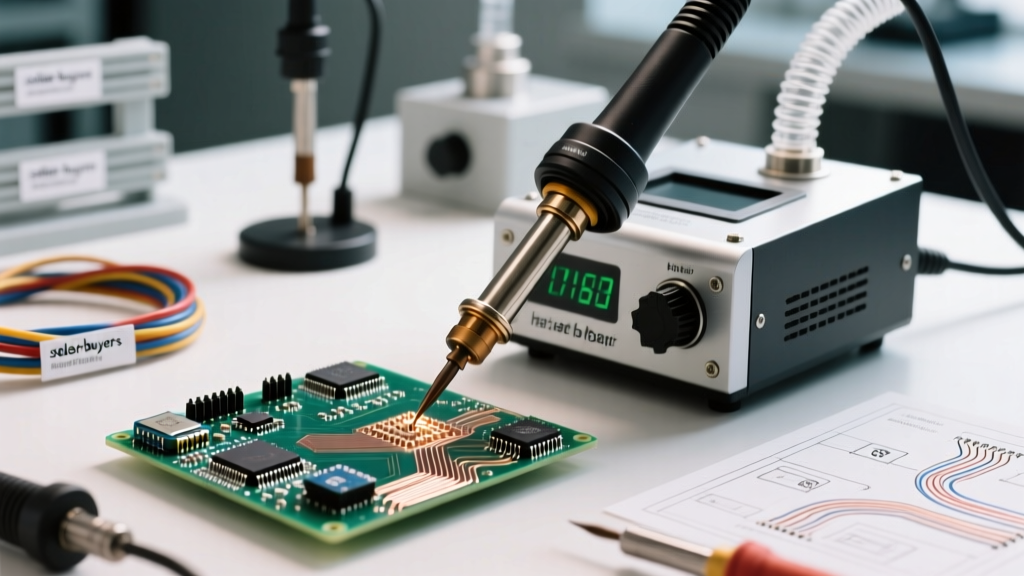
Investing in the right equipment is the first line of defense. Modern pulse heat stations feature integrated safety interlocks, real-time resistance monitoring, and programmable multi-stage thermal profiles. Below is a 2026 buyer's comparison of the top systems utilized in professional environments.
| System Model | Target Market | Approx. Price (2026) | Safety & Control Features | Best Application |
|---|---|---|---|---|
| Hakko FR-830 | Mid-Volume / R&D | $2,800 - $3,200 | Closed-loop feedback, programmable 4-stage profiles, pneumatic safety lockout. | FPC to rigid PCB, wire tinning, USB-C connector bonding. |
| Amada Weld Tech PH-3000 | High-Volume / Aerospace | $14,000 - $18,000+ | Real-time thermode resistance mapping, integrated HEPA extraction, water-cooled head. | Medical implants, automotive radar modules, ACF bonding. |
| Quick 938 | Prototyping / Hobbyist | $400 - $550 | Open-loop transformer, manual toggle press, basic timer cutoff (high scorch risk). | Simple wire splicing, low-pitch hobbyist LCD repairs. |
For any facility producing consumer electronics or automotive modules, the open-loop nature of budget systems like the Quick 938 presents an unacceptable safety and quality risk. The lack of closed-loop feedback means the system cannot compensate for thermode oxidation or varying board thermal masses, often resulting in dangerous overheating and substrate blistering.
Step-by-Step Safe Operating Procedure (SOP)
To align with NASA's Workmanship Standards for electronic assembly, facilities must enforce a strict operational sequence for pulse heat soldering. This minimizes both human injury and product scrap.
Phase 1: Pre-Operation & Setup
- Thermode Inspection: Inspect the molybdenum thermode tip under 10x magnification. Look for pitting, oxidation, or solder buildup. A degraded thermode requires higher energy input, increasing the risk of localized PCB scorching.
- Profile Verification: Load the validated thermal profile. A standard FPC profile includes: Ramp (to 150°C in 1.5s to activate flux), Soak (hold 1.5s to evaporate solvents and prevent spattering), Reflow (surge to 360°C for 2s), and Cool (maintain pressure until temp drops below 180°C).
- Extraction Positioning: Position the localized fume extraction nozzle exactly 1.5 to 2 inches from the thermode tip at a 45-degree angle to capture the thermal plume without disrupting the thermode's cooling airflow.
Phase 2: Execution & Bonding
- Flux Application: Apply a micro-drop of low-solids, no-clean tacky flux. Excessive flux will boil violently under the thermode, causing molten solder to eject outward (the 'popcorn effect').
- Alignment & Actuation: Use the split-vision CCD camera to align the FPC pads. Engage the pneumatic press. Ensure the mechanical force is set between 2 to 5 Newtons; excessive force will crush the polyimide substrate, while insufficient force yields cold, high-resistance joints.
- Pulse Initiation: Trigger the dual-hand safety start buttons (if equipped) or the guarded foot pedal. Keep hands clear of the bonding head during the pulse cycle.
Phase 3: Post-Operation
- Dwell Time: Do not release the pneumatic pressure until the system's LCD confirms the thermode has cooled below the solder's solidus point (typically 183°C for Sn63/Pb37, or 217°C for SAC305 lead-free alloys). Premature release causes 'tombstoning' or pad lifting.
- Tip Cleaning: Once cooled, gently wipe the thermode with a brass wire brush or specialized thermode cleaning compound. Never use a wet sponge, as thermal shock will fracture the molybdenum crystal structure.
Troubleshooting Common Hot Bar Defects & Safety Risks
Defects in pulse heat soldering are often symptoms of underlying safety or calibration failures. Recognizing these edge cases prevents operators from dangerously overriding system limits to 'force' a joint.
- PCB Blistering / Delamination: Cause: Peak temperature too high or dwell time too long, vaporizing moisture trapped inside the FR-4 or polyimide layers. Fix: Optimize the soak stage to gently drive out moisture before the reflow surge. Never simply reduce the pressure to compensate.
- Solder Wicking (Climbing): Cause: The thermode is heating the component lead or FPC trace more than the PCB pad, causing capillary action to pull solder away from the joint interface. Fix: Adjust the thermode angle or use a thermode with a recessed center to focus heat directly on the PCB pad.
- Cold / Grainy Joints: Cause: Thermode oxidation acting as a thermal barrier, or insufficient pneumatic pressure. Fix: Polish the thermode and recalibrate the load cell. Do not increase the pulse time, which risks burning the flux and leaving a highly corrosive, conductive residue.
Fume Extraction and PPE: Protecting the Operator
Standard overhead HVAC systems are entirely inadequate for hot bar soldering. The thermal plume generated by the pulse pushes flux vapors directly upward at high velocity. Facilities must deploy localized, dual-stage extraction units (HEPA particulate filter followed by an activated carbon bed) rated for the specific flux chemistry being used.
According to OSHA's ventilation standards for general industry, localized exhaust must capture contaminants at the source before they enter the operator's breathing zone. For pulse heat systems, this means an extraction hood with a capture velocity of at least 100 feet per minute (fpm) at the point of origin.
Mandatory PPE for Hot Bar Operators:
- ESD-Safe Smocks: To prevent electrostatic discharge from damaging sensitive FPC components prior to bonding.
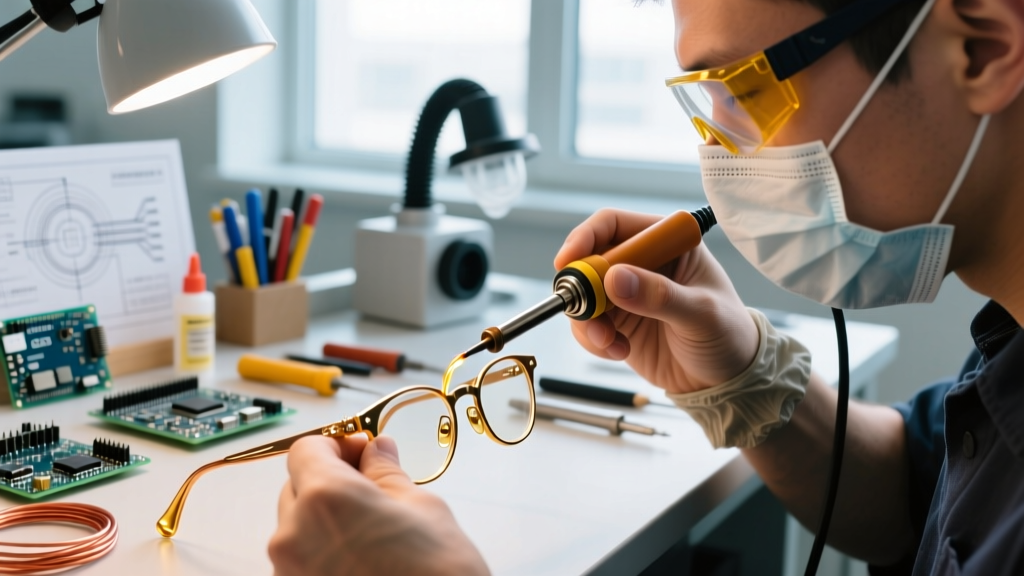
- Safety Glasses with Side Shields: Essential for protecting against micro-splatters of boiling flux and molten solder during the soak phase.
- Nitrile Gloves: To prevent skin oils from contaminating the gold or OSP finishes on the PCB pads, which can lead to non-wetting defects and require dangerous rework cycles.
FAQ: Hot Bar Soldering Safety
Can I use a standard soldering iron tip as a replacement thermode?
No. Standard copper or iron-plated soldering tips are not designed for the massive current dumps of a pulse heat transformer. Attempting to use them will result in rapid melting, arcing, and severe electrical shock hazards. Always use OEM-specified molybdenum or titanium thermodes.
How often should the thermode be recalibrated?
In high-volume environments running 24/7, thermode temperature calibration should be verified weekly using a specialized surface thermocouple probe (e.g., Hakko 191). In R&D or low-volume settings, monthly calibration is generally sufficient, provided the tip is kept free of heavy oxidation.
Is lead-free solder harder to hot bar solder than leaded?
Yes. SAC305 (lead-free) requires a peak thermode temperature roughly 30°C to 40°C higher than Sn63/Pb37. This narrows the process window significantly, increasing the risk of thermal damage to the FPC substrate and requiring more aggressive flux chemistries, which in turn demands stricter fume extraction protocols.