
A Century on the Workbench: How Fun Soldering Projects Evolved
The definition of fun soldering projects has undergone a radical transformation over the last century. What started as a necessity for early radio enthusiasts to build their own receivers has evolved into a global maker movement encompassing retro-gaming consoles, LED wearables, and cloud-connected IoT devices. For hobbyists and professionals alike, understanding this evolution is not just an exercise in nostalgia; it fundamentally dictates the tools, solder alloys, and techniques you need to buy for your workbench today.
In this comprehensive historical buyer's guide, we trace the lineage of recreational electronics. We will compare the component requirements, failure modes, and essential gear across four distinct eras, helping you decide which generation of fun soldering projects belongs on your desk in 2026.
Era 1: The 1920s–1950s — Crystal Sets, Vacuum Tubes, and Point-to-Point
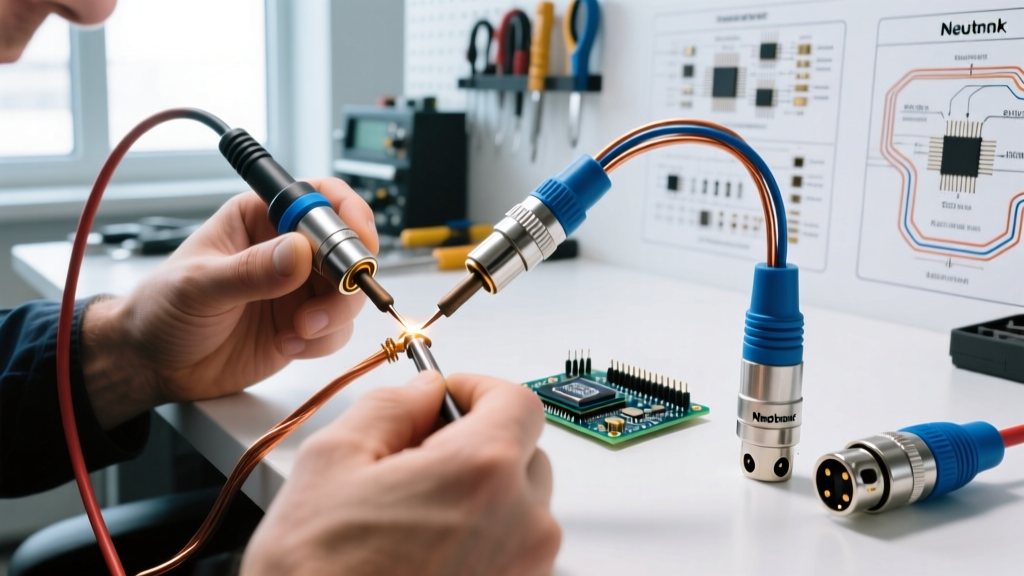
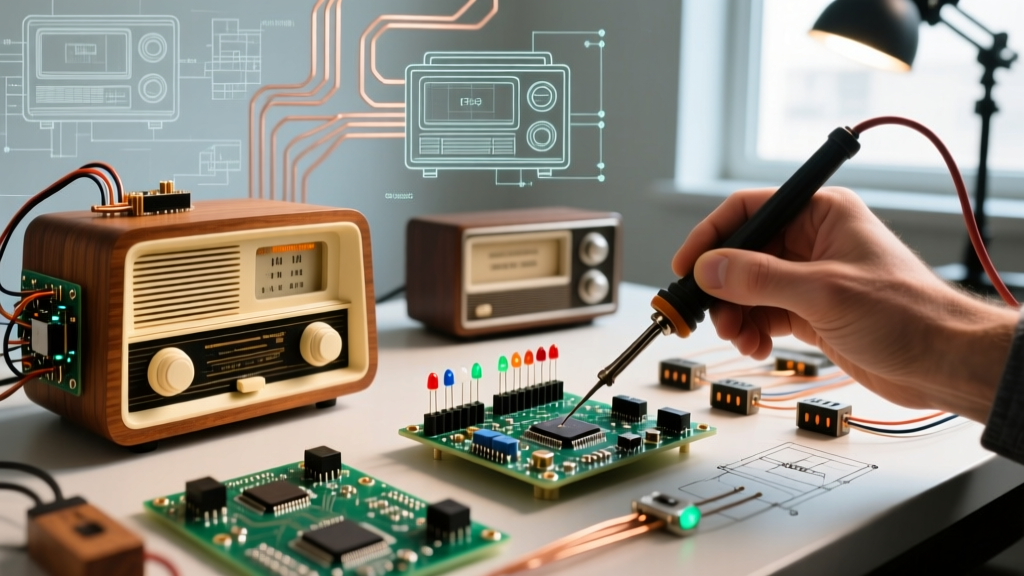
Before printed circuit boards (PCBs) existed, fun soldering projects were entirely mechanical and electrical. The quintessential entry point was the crystal radio receiver. Hobbyists wound their own copper coils around cardboard tubes and soldered directly to metal lugs, variable capacitors, and galena crystals using a "cat's whisker" wire.
By the 1950s, companies like Heathkit democratized electronics. According to the historical Heathkit archives, their mail-order kits allowed anyone to build oscilloscopes, ham radio transceivers, and audio amplifiers. These kits relied on point-to-point wiring and turret boards.
Technical Realities & Failure Modes of the Vintage Era
- Massive Thermal Sinks: Vintage projects often involved soldering thick ground wires directly to steel chassis frames. Using a standard 40W iron results in instant cold joints. You need a high-thermal-mass iron (65W+) or a localized pre-heater.
- Corrosion and Oxidation: Restoring 70-year-old kits means dealing with heavily oxidized copper and tarnished brass lugs. Liquid flux (like MG Chemicals 8341) and fiberglass scratch pens are mandatory purchases before the iron even touches the metal.
- Lead-Based Necessity: Authentic restoration requires 60/40 or 63/37 Sn/Pb rosin-core solder to match original thermal profiles and joint aesthetics.
Era 2: The 1970s–1990s — The Silicon Boom and Analog Synths
The introduction of the 555 timer IC in 1972 and the proliferation of through-hole PCBs shifted the landscape. Fun soldering projects moved from heavy mechanical assembly to precise electronic logic. The undisputed king of this era is the Atari Punk Console (APC). Originally published as a "Sound Effects Generator" in a 1980 Radio Shack catalog, the APC uses two 555 timers (or one 556 dual timer) to create lo-fi, square-wave synth tones.
During this time, through-hole technology (THT) reached its zenith. Hobbyists bought bags of 1/4W carbon film resistors, electrolytic capacitors, and DIP (Dual In-line Package) ICs. The tactile satisfaction of snapping components into a perfboard or etched PCB and flowing shiny 63/37 solder into perfect concave fillets defined the hobbyist experience.
Buyer's Focus: The Analog Through-Hole Bench
If you are drawn to the analog synth and retro-audio era of fun soldering projects, your purchasing priorities should center on precision THT tools:
- Soldering Station: The Hakko FX-888D (approx. $115) remains the gold standard for THT. Its rapid thermal recovery handles the transition from delicate IC pins to beefy audio output jacks without stalling.
- Solder Alloy: Kester 44 63/37 Sn/Pb (approx. $28 for a 1lb spool) is eutectic, meaning it transitions from liquid to solid instantly at 183°C (361°F), eliminating the "plastic range" that causes disturbed joints.
- Desoldering Tools: Engineer SS-02 desoldering pumps and Chemtronics desoldering braid are essential for swapping out blown LM386 audio amplifier chips.
Era 3: The 2000s–2010s — The Maker Movement and USB Hacks
The launch of MAKE Magazine in 2005 and the rise of Arduino sparked a renaissance. Fun soldering projects became less about replicating commercial gear and more about hacking everyday objects. The MintyBoost, created by Adafruit, was a cultural touchstone: a DIY USB charger built inside an Altoids tin, utilizing a boost converter to step up 3V from AA batteries to 5V for early smartphones and iPods.
This era introduced the concept of "wearables" and portable art. LED throwies, custom mechanical keyboards, and portable gaming consoles built on Raspberry Pi Zero boards dominated forums. The components shrank, and the reliance on microcontrollers meant that a bad solder joint didn't just cause static—it caused kernel panics and boot loops.
Era 4: The 2020s & Beyond — Surface Mount, IoT, and Wearables
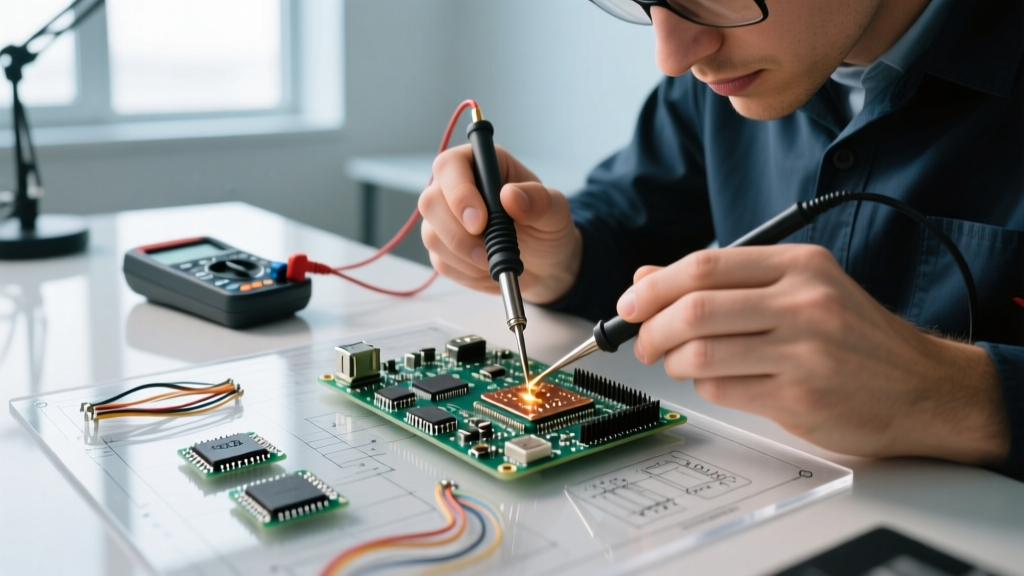
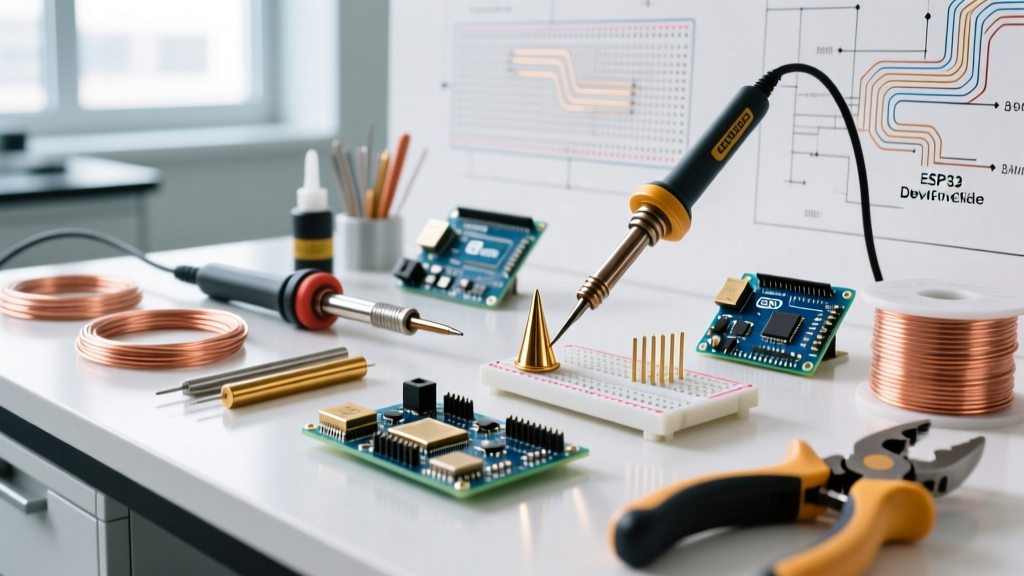
Today, the frontier of fun soldering projects is dominated by Surface Mount Devices (SMD) and the Internet of Things (IoT). The ESP32-WROOM-32 microcontroller, paired with WS2812B (NeoPixel) LED matrices, allows hobbyists to build Wi-Fi-connected, app-controlled LED jackets and smart home sensors for under $15 in raw components.
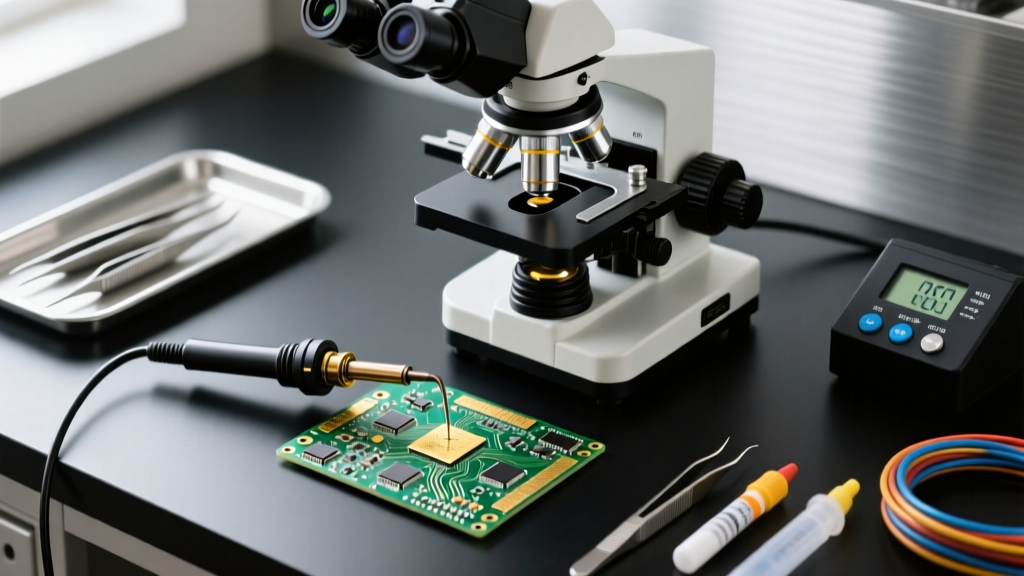
However, the physical act of soldering has changed drastically. We are no longer bending thick wire leads; we are placing 0603 resistors (measuring just 0.06 x 0.03 inches) using tweezers and magnification. The modern maker's bench looks more like a medical laboratory than a garage workshop.
Modern SMD Failure Modes
The Tombstone Effect: When reflowing or hand-soldering small SMD components, if one pad heats up faster than the other, the surface tension of the molten solder will pull the component upright, resembling a tombstone. This is mitigated by using high-quality tacky flux (like Amtech NC-559-V2) and a precise micro-pencil tip.
Comparison Matrix: Eras of Fun Soldering Projects
| Era | Signature Project | Core Technology | Primary Skill Required | Avg. Kit Cost (Historical vs 2026) |
|---|---|---|---|---|
| 1920s–1950s | Crystal Radio / Heathkit Audio | Point-to-Point, Vacuum Tubes | Mechanical wiring, chassis grounding | $15 then / $150–$300 (Vintage eBay) |
| 1970s–1990s | Atari Punk Console | Through-Hole ICs (555 Timers) | THT soldering, schematic reading | $5 then / $12–$20 (Modern clone kits) |
| 2000s–2010s | MintyBoost / Arduino Shields | Mixed THT and early SMD | USB protocol basics, enclosure modding | $20–$35 (Discontinued/Archived) |
| 2020s+ | ESP32 Smart Home Sensors | SMD (0603/0805), QFN ICs | Micro-soldering, firmware flashing | $8–$25 (Direct from component vendors) |
The 2026 Buyer's Guide: Equipping Your Bench for Any Era
Because fun soldering projects now span a century of technological paradigms, a modern workbench must be versatile. If you are looking to upgrade your gear to handle everything from vintage restorations to modern IoT wearables, here is the ultimate 2026 purchasing matrix.
1. The Iron: Pinecil V2 vs. Hakko FX-951
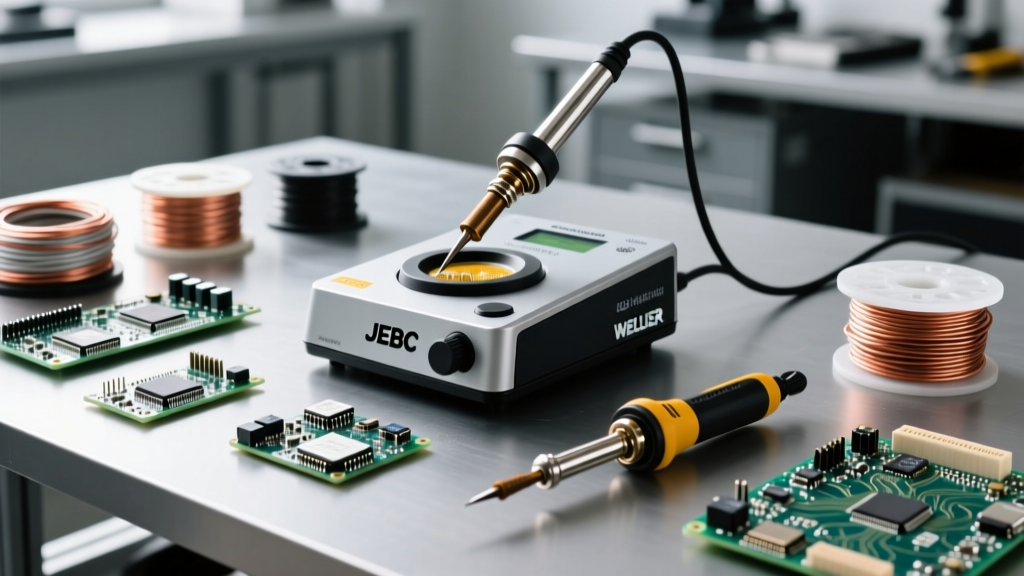
For pure SMD and modern IoT projects, the Pine64 Pinecil V2 (approx. $28) is a marvel. Powered by a RISC-V chip and USB-C PD, it heats up in 6 seconds and supports custom firmware. However, if your definition of fun involves restoring 1960s Fender amplifiers or vintage Heathkits, the Pinecil lacks the raw thermal mass. For heavy-duty vintage work, invest in the Hakko FX-951 (approx. $270), which utilizes cartridge-style tips that deliver massive, uninterrupted wattage to large ground planes.
2. Magnification and Lighting
You cannot solder what you cannot see. The Adafruit Learning System frequently emphasizes the importance of optical aids for modern kits. Ditch the cheap plastic headbands. Purchase an AmScope SE400-Z stereo microscope (approx. $140) with a 0.5x Barlow lens to increase working distance, paired with a 144-LED ring light. For quick THT work, a high-quality illuminated magnifying desk lamp (like the Brightech LightView Pro, approx. $65) is sufficient.
3. Flux and Chemistry
Flux is the true consumable of the hobby. Buy a syringe of Chip Quik SMD4300AX10 SAC305 solder paste for modern reflow work, and a tin of Kester 186 Mildly Activated Rosin Flux for vintage THT and point-to-point wiring. Never use plumbing paste flux on electronics; the zinc chloride will aggressively corrode your copper traces within weeks.
Conclusion: Choose Your Era
The beauty of fun soldering projects today is that you are not locked into a single technological timeline. You can spend your morning diagnosing a leaky capacitor on a 1970s analog synth, and your afternoon reflowing an ESP32 module for a smart-garden moisture sensor. By understanding the historical evolution of these projects and investing in the correct era-specific tooling, your workbench becomes a time machine. Whether you prefer the heavy, tactile click of a vintage toggle switch or the invisible magic of a cloud-connected SMD sensor, the right solder and the right iron will bridge the gap between history and innovation.