
The Hidden Material Hazards of Electronics Assembly
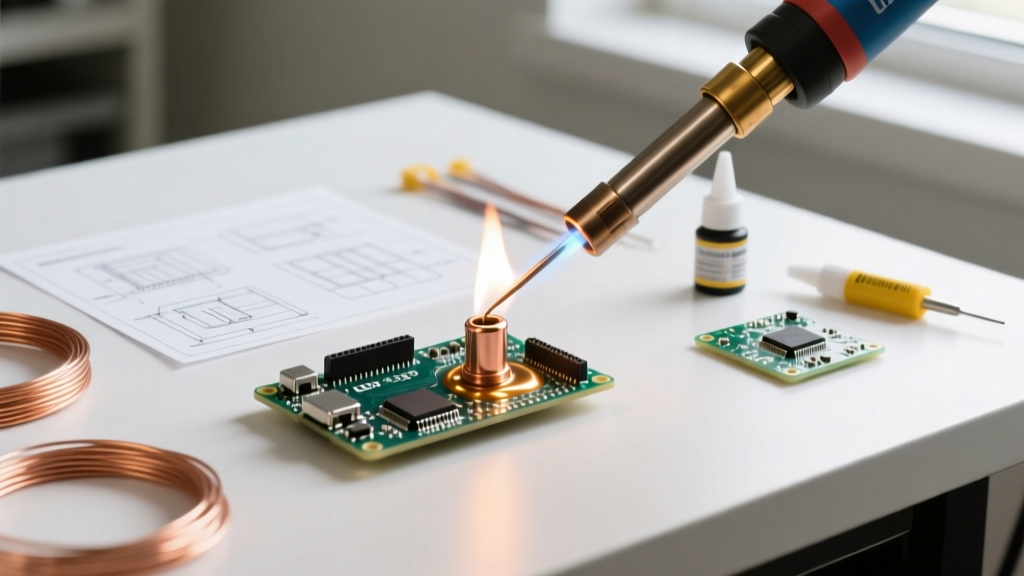
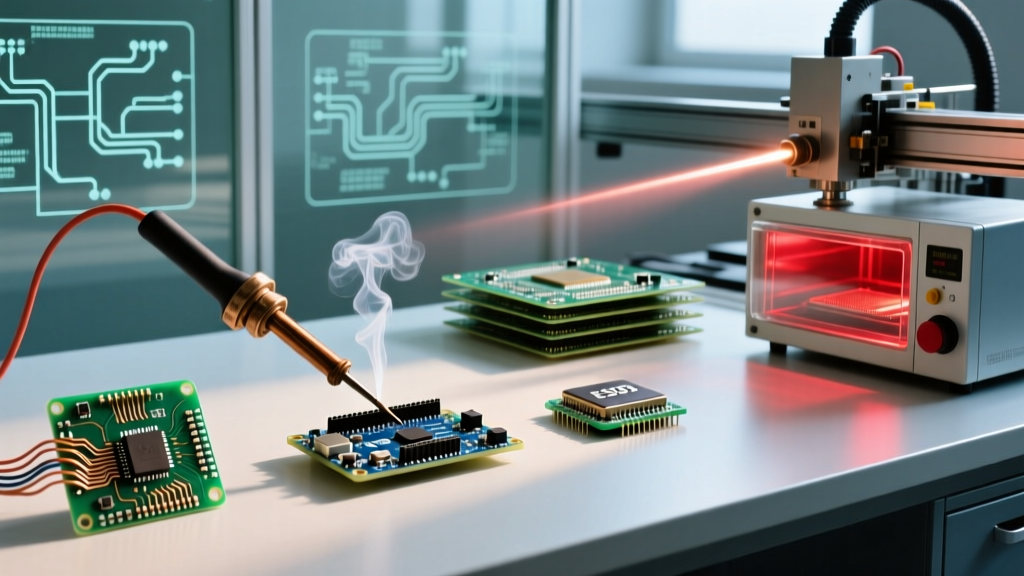
When electronics engineers and DIY hobbyists think about soldering eye protection, the immediate concern is usually a rogue splash of molten solder or a snapping component lead. While impact resistance is critical, the modern soldering environment presents a complex chemical and thermal threat matrix that degrades inferior eyewear over time. From micro-splatters of 260°C lead-free SAC305 flux to the aggressive use of hydrofluoroether (HFE) solvents and isopropyl alcohol (IPA) for board cleaning, your eyewear's lens and frame materials dictate both your safety and the longevity of the gear.
This material compatibility guide breaks down how different optical polymers and glasses interact with the specific chemicals, heat profiles, and optical requirements of precision electronics work in 2026, ensuring you select protection that won't fail when you need it most.
The Soldering Threat Matrix: Flux, Heat, and Solvents
To choose the right material, we must first quantify the environmental stressors present at a typical rework or assembly station:
- Rosin and No-Clean Fluxes: These operate between 220°C and 380°C. Micro-splatters can hit lenses, baking onto the surface and requiring aggressive mechanical or chemical removal.
- Water-Soluble (OA) Fluxes: Highly acidic (often containing adipic or succinic acid). If splattered on eyewear, these acids can slowly etch certain anti-reflective coatings if not neutralized and washed immediately.
- Cleaning Solvents: Isopropyl Alcohol (90%+ IPA), HFE-based cleaners (like MicroCare), and specialized stencil cleaners are frequently used to degrease PCBs. Vapors and accidental wipes can degrade specific polymers.
- Thermal Gradients: Leaning over a JBC or Hakko hot air rework station creates localized heat that can warp low-grade frames and induce fogging on untreated lenses.
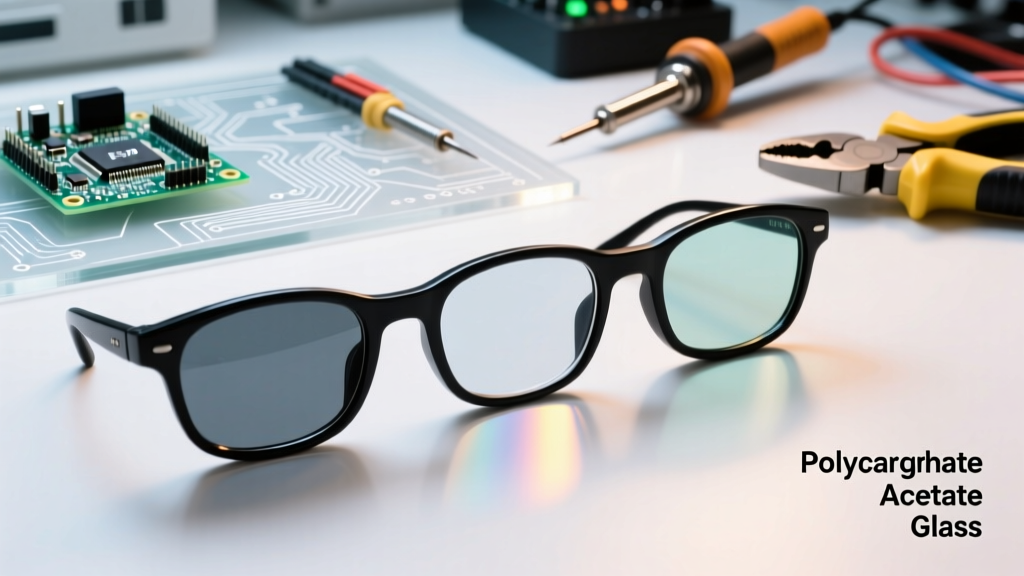
Lens Material Breakdown: Polycarbonate vs. Acetate vs. Glass
The lens is your primary shield. According to OSHA standard 1910.133, employers and professionals must ensure eye protection meets rigorous impact and chemical resistance standards, typically benchmarked against ANSI/ISEA Z87.1. However, passing the standard is only the baseline; material chemistry determines real-world survival.
1. Polycarbonate (PC): The Industry Standard
Polycarbonate dominates the 2026 safety eyewear market due to its exceptional impact resistance and lightweight profile. It naturally blocks 99.9% of UV radiation, which is beneficial if you are also working with UV-curing conformal coatings or UV-based flux inspection.
The Vulnerability: PC is highly susceptible to chemical crazing and scratching. While brief exposure to IPA is generally harmless, prolonged contact or wiping baked-on rosin flux with abrasive paper towels will quickly destroy the optical clarity. Furthermore, acetone-based flux removers will instantly cloud and melt polycarbonate lenses.
2. Cellulose Acetate: The Chemical Resistant Alternative
Acetate lenses offer superior resistance to a broader range of organic solvents compared to polycarbonate. If your workflow involves heavy, daily use of aggressive HFE solvents or ketone-based cleaners, acetate resists chemical etching far better.
The Vulnerability: Acetate is heavier, more brittle, and offers lower impact resistance than PC. It also has a lower heat deflection temperature, meaning leaving your glasses on a desk near a high-wattage rework station can cause permanent optical warping.
3. Tempered Glass: The Ultimate Optical Clarity
For professionals who require zero optical distortion—especially those doing micro-soldering under high-magnification stereo microscopes—tempered glass is unmatched. It is impervious to IPA, HFEs, and acidic fluxes, and it will not scratch when wiping away hardened flux splatters.
The Vulnerability: Weight and catastrophic failure modes. While tempered glass is treated for impact, a direct, high-velocity strike from a heavy component or tool can cause it to shatter. It also lacks inherent UV protection without specialized tinting.
Material Compatibility Matrix
Use this matrix to match your lens material to your specific soldering and cleaning workflow.
| Material | Impact Resistance (ANSI Z87.1+) | IPA / HFE Solvent Resistance | Acidic Flux Resistance | Heat Deflection | Best Use Case |
|---|---|---|---|---|---|
| Polycarbonate (PC) | Excellent | Moderate (Degrades with heavy use) | Good (if washed promptly) | High (Up to 130°C) | General assembly, lead-free rework, mobile tech repair |
| Cellulose Acetate | Fair | Excellent | Excellent | Low (Warps easily) | Chemical cleaning bays, stencil maintenance |
| Tempered Glass | Good (Shatters on extreme force) | Perfect | Perfect | Very High | Micro-soldering, precision microscope work |
Frame Materials: Don't Ignore the Periphery
A lens is only as good as the frame holding it. In 2026, the market has largely shifted away from standard PVC and cheap polypropylene for professional gear.
- TR-90 (Grilamid Nylon): The premium choice. TR-90 frames are incredibly flexible, lightweight, and highly resistant to the chemical vapors emitted during wave soldering or hot air rework. They won't become brittle when repeatedly wiped down with IPA.
- Polypropylene (PP): Common in budget $3-$5 safety glasses. PP degrades rapidly when exposed to the vapors of aggressive flux removers, leading to stress fractures at the temple hinges within months of daily use.
Coatings and Treatments: The Anti-Fog Imperative
Soldering creates intense, localized thermal gradients. When you lean over a 350°C soldering iron, the rising heat combined with your body's ambient moisture creates an instant fogging effect on standard lenses. The CDC and NIOSH emphasize that impaired vision from fogging is a leading cause of PPE non-compliance in thermal environments.
Look for hydrophilic anti-fog coatings (like 3M's Scotchgard technology). Unlike hydrophobic coatings that simply cause water to bead up (which still distorts light), hydrophilic coatings absorb moisture and spread it into a microscopically thin, transparent film, maintaining optical clarity even when hovering over a hot PCB.
Top Recommendations by Soldering Profile
Based on material compatibility and optical requirements, here are the top configurations for different electronics professionals:
The General Assembly & Rework Technician
Recommendation: 3M SecureFit 400 Series (Polycarbonate with Scotchgard Anti-Fog)
Price Range: $10 - $14
Why: The TR-90 compatible frame and PC lens offer ANSI Z87.1+ impact protection. The Scotchgard coating survives the thermal updrafts of continuous Hakko FX-951 or JBC CD-2BE use without fogging, while the PC lens handles occasional IPA wipe-downs.
The Micro-Soldering & Data Recovery Specialist
Recommendation: Phillips Safety Products Tempered Glass Safety Glasses (or equivalent optical glass)
Price Range: $35 - $50
Why: When working under a Leica or AmScope stereo microscope at 20x magnification, even the slightest optical distortion or micro-scratch on a polycarbonate lens causes eye strain and depth-perception errors. Tempered glass provides flawless optical clarity and is impervious to the aggressive solvents used in board-level data recovery.
The High-Volume Chemical Cleaning Bay
Recommendation: Uvex Genesis XC (Acetate Lens variant) or specialized chemical splash goggles.
Price Range: $18 - $25
Why: If your primary task involves ultrasonic cleaning with aggressive saponifiers or wiping down assemblies with heavy HFE solvents, acetate prevents the chemical crazing that destroys PC lenses in high-solvent environments.
Maintenance Protocols: Preserving Your Eyewear
To maximize the lifespan of your soldering eye protection, implement the following cleaning protocol:
- Never use paper towels or shop rags to wipe baked-on flux off polycarbonate lenses. The wood fibers in paper act like sandpaper, creating micro-scratches that catch light and ruin optical clarity.
- Use a dedicated lens spray or mild dish soap (like Dawn) and a clean microfiber cloth to dissolve rosin residues.
- Avoid ultrasonic cleaning for your safety glasses if they feature specialized anti-fog or anti-reflective coatings, as the cavitation process can delaminate these delicate chemical layers from the polycarbonate substrate.
Frequently Asked Questions
Do I need shaded lenses for standard electronics soldering?
No. Standard tin-lead or lead-free (SAC305) soldering irons and hot air stations do not emit harmful levels of UV or IR radiation. Clear, ANSI-rated lenses are sufficient. Shaded lenses (like those used in welding) will severely reduce your visibility and are dangerous for precision electronics work.
Can I wear my prescription glasses instead of safety glasses?
Standard prescription glasses do not meet the ANSI Z87.1+ high-impact standard and are typically made of CR-39 plastic or standard polycarbonate without wrap-around protection. You must either wear fit-over safety glasses or invest in prescription safety eyewear specifically rated for industrial impact and chemical splash.