
The Hidden Hazards of Aluminum Soldering Alloys
When DIYers and technicians transition from standard electronics soldering to structural or automotive metalwork, aluminum soldering rods present a unique and often underestimated set of safety hazards. In metallurgical terms, joining aluminum with these rods (such as Zinc-Aluminum alloys like Harris AlumiFlux or Blue Demon AL3) is technically classified as low-temperature brazing or soldering, as the filler metals flow between 380°C and 430°C (715°F–800°F). However, the safety protocols required are vastly closer to heavy welding than to soldering a PCB.
Unlike tin-lead or SAC305 electronics solder, aluminum filler rods require aggressive chemical fluxes to break down the aluminum oxide (Al2O3) layer—which melts at a staggering 2,072°C—and demand high-BTU torches to overcome aluminum's massive thermal conductivity. This combination generates toxic fluoride fumes, intense UV/IR radiation, and severe burn risks if proper safety best practices are ignored.
Fume Inhalation and Metal Fume Fever
The most insidious risk when using aluminum soldering rods is the inhalation of vaporized metals and flux byproducts. Most low-temp aluminum rods are composed of 85-95% Zinc and 5-15% Aluminum. When subjected to the localized high heat of a MAP-Pro or Oxy-Acetylene torch, zinc can easily vaporize, oxidizing in the air to form zinc oxide (ZnO) fumes.
Expert Warning: Inhaling zinc oxide fumes can lead to Metal Fume Fever, a condition characterized by flu-like symptoms, chills, nausea, and muscle aches that typically onset 4 to 10 hours after exposure. According to the CDC and NIOSH guidelines on welding fumes, adequate ventilation and respiratory protection are non-negotiable when heating zinc-bearing alloys.
Furthermore, the flux core in rods like the Blue Demon AL3 contains potassium fluoroaluminate compounds. When heated, these fluxes release hydrogen fluoride and other corrosive fluoride gases. Prolonged exposure in an unventilated garage or workshop can cause severe respiratory tract irritation and long-term pulmonary issues.
Mandatory Respiratory Protection
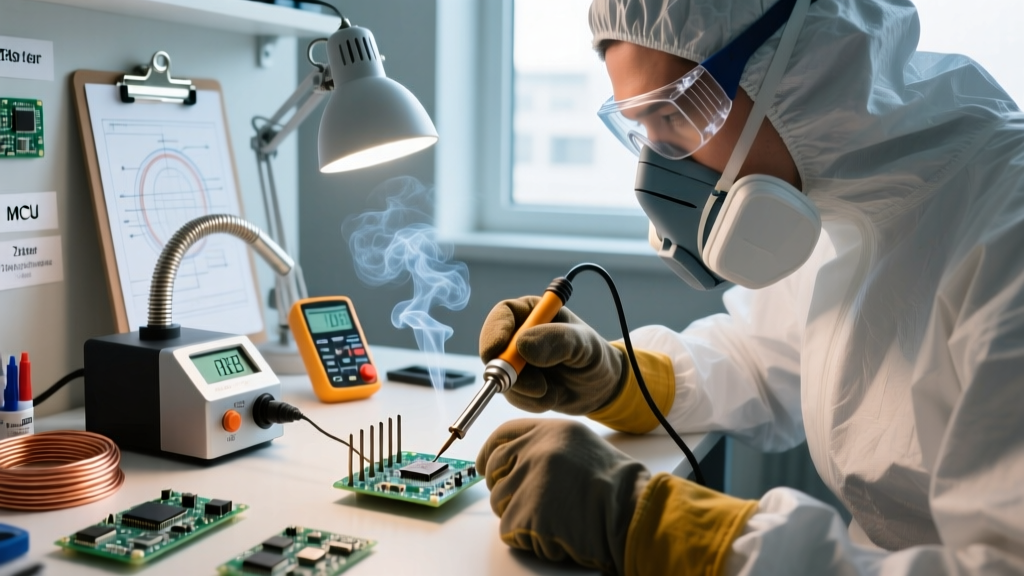
Standard N95 dust masks are entirely ineffective against metal fumes and acid gases. For safe indoor or enclosed-space use of aluminum soldering rods, you must use a half-face or full-face respirator equipped with dual cartridges rated for both particulates and acid gases.
- Recommended Gear: 3M Half Facepiece Reusable Respirator 6200.
- Required Cartridges: 3M 60926 (Multi-Gas/P100) or 3M 2097 (P100 with Nuisance Level Organic Vapor/Acid Gas relief).
- Cost Expectation (2026): A complete setup costs between $75 and $95, a mandatory investment for structural aluminum repair.
PPE Matrix: Electronics Soldering vs. Aluminum Rod Soldering
Many hobbyists mistakenly use their standard electronics PPE when tackling aluminum HVAC lines or automotive radiators. The table below illustrates why this is a critical safety failure.
| Safety Element | Standard Electronics Soldering (SAC305/Sn60) | Aluminum Soldering Rods (Zn-Al Alloys) |
|---|---|---|
| Eye Protection | Clear ANSI Z87.1 Safety Glasses | Shade 4 or 5 Welding/Brazing Glasses (UV/IR blocking) |
| Respiratory | Standard Fume Extractor / Ambient Ventilation | P100/Acid Gas Respirator + Active Cross-Draft Ventilation |
| Hand Protection | Heat-resistant silicone finger cots or bare hands | Heavy-duty Kevlar/Leather welding gloves (Aluminum conducts heat rapidly) |
| Skin Exposure | Minimal risk from rosin fluxes | High risk: Fluoride fluxes cause severe chemical burns if left on skin |
| Fire Risk | Low (Iron temps ~350°C) | High (Torch temps >1,500°C; aluminum acts as a massive heat sink) |
Flux Chemistry and Chemical Burn Prevention
The flux required to solder aluminum is inherently corrosive. While electronics fluxes (like rosin or mild organic acids) are relatively benign, aluminum soldering fluxes utilize aggressive fluorides to dissolve the stubborn Al2O3 oxide layer. If this flux residue is left on the metal or accidentally transferred to your skin, it will continue to react with ambient moisture, forming hydrofluoric acid derivatives that cause deep tissue chemical burns.
Post-Solder Neutralization and Cleaning Protocol
- Cool Down: Allow the workpiece to cool below 100°C. Quenching hot aluminum in water can cause thermal shock and warp thin-walled tubing.
- Mechanical Removal: Use a stiff brush and hot water to scrub away the bulk of the glassy flux residue.
- Chemical Neutralization: Wipe the joint with a 5% white vinegar (acetic acid) solution or a dedicated commercial flux neutralizer to halt the corrosive action.
- Final Rinse: Rinse thoroughly with distilled water and dry immediately to prevent galvanic corrosion.
Never handle freshly soldered aluminum parts with bare hands until they have been fully neutralized and cleaned.
Thermal Runaway and Torch Safety
Aluminum's thermal conductivity is approximately 205 to 235 W/m·K—roughly four times higher than carbon steel. This means aluminum acts as a massive heat sink, rapidly pulling heat away from the joint. To compensate, technicians often use high-BTU Oxy-Acetylene or MAP-Pro torches, pushing flame temperatures well over 1,500°C.
This creates two major safety hazards:
1. Substrate Burn-Through and Molten Metal Drops
Because aluminum does not change color as it approaches its melting point (660°C), it will suddenly collapse from a solid to a liquid state without the visual warning of glowing red. This "thermal runaway" frequently results in molten aluminum dropping onto the operator's lap or workbench. Always keep a fire extinguisher (Class ABC) within arm's reach and clear the work area of all combustible materials, including solvent-soaked rags used for pre-cleaning.
2. Galvanic Contamination from Wire Brushes
Before soldering, the aluminum must be mechanically abraded. Critical Safety Rule: Never use a stainless steel wire brush that has previously been used on carbon steel. Embedded iron particles will become trapped in the soft aluminum surface, leading to rapid galvanic corrosion and catastrophic joint failure under vibration. Always use a dedicated stainless steel or brass brush reserved exclusively for aluminum.
Safe Step-by-Step Heating Technique
To minimize fume generation and prevent burning the flux (which turns it into a useless, crusty black slag), follow this heat-management sequence:
- Pre-heat the base metal, not the rod. Keep the torch flame moving in a circular pattern roughly 2 inches away from the joint.
- Test the temperature by occasionally touching the aluminum soldering rod to the joint. When the base metal reaches ~380°C, the rod will melt and capillary into the joint instantly.
- Pull the flame back immediately once the filler metal begins to flow. Lingering heat will vaporize the zinc in the rod, creating a thick plume of white, toxic zinc oxide smoke.
FAQ: Troubleshooting Safety Edge Cases
Can I use aluminum soldering rods on food-safe items like BBQ grills or cookware?
No. The fluoride-based fluxes and heavy metal alloys (zinc/cadmium in some older or industrial variants) are highly toxic and not FDA-approved for food contact surfaces. Furthermore, the corrosive nature of the flux residue makes it impossible to guarantee a food-safe finish. Use TIG welding for food-grade aluminum repairs.
Is it safe to solder aluminum HVAC refrigerant lines?
While products like Harris AlumiFlux are marketed for HVAC use, the American Welding Society (AWS) and EPA Section 608 guidelines heavily favor brazing with silver-bearing alloys (like Sil-Fos) for pressurized refrigerant lines. If you must use low-temp aluminum rods for a temporary patch, ensure the system is completely depressurized and purged of refrigerant gases before applying any torch heat to prevent toxic phosgene gas formation.
How do I safely store partially used aluminum soldering rods?
The flux core is highly hygroscopic (absorbs moisture from the air). If left exposed, the rods will draw in water, which turns to steam under the torch, causing violent spattering of molten metal and flux. Store your rods in a sealed PVC tube with a desiccant silica gel packet to maintain flux integrity and prevent dangerous splattering during your next use.
For comprehensive regulatory standards on thermal joining processes, always refer to the OSHA Welding, Cutting, and Brazing guidelines to ensure your workshop remains compliant and safe.