
The Reality of the Person Wearing Soldering Gear Job
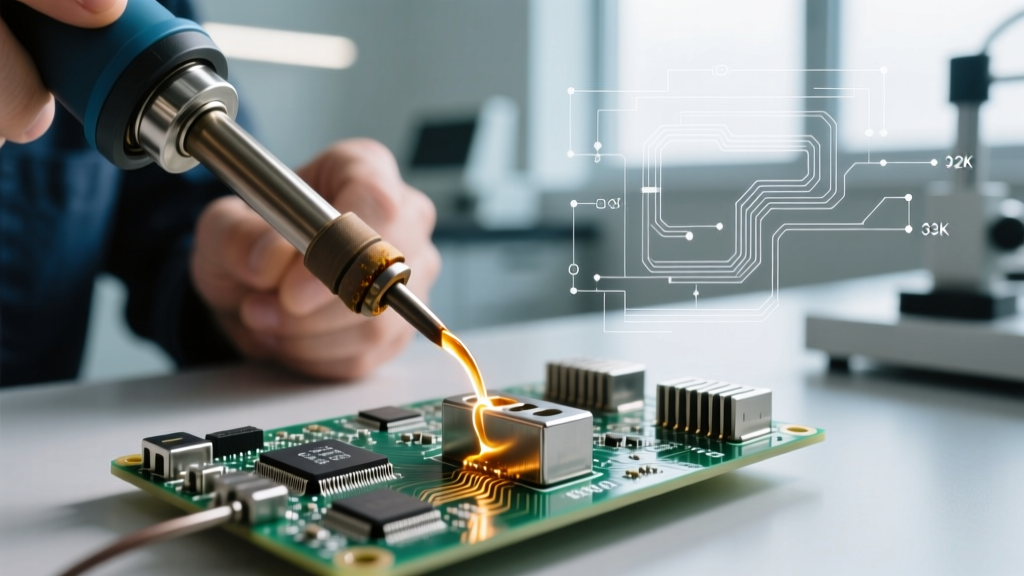
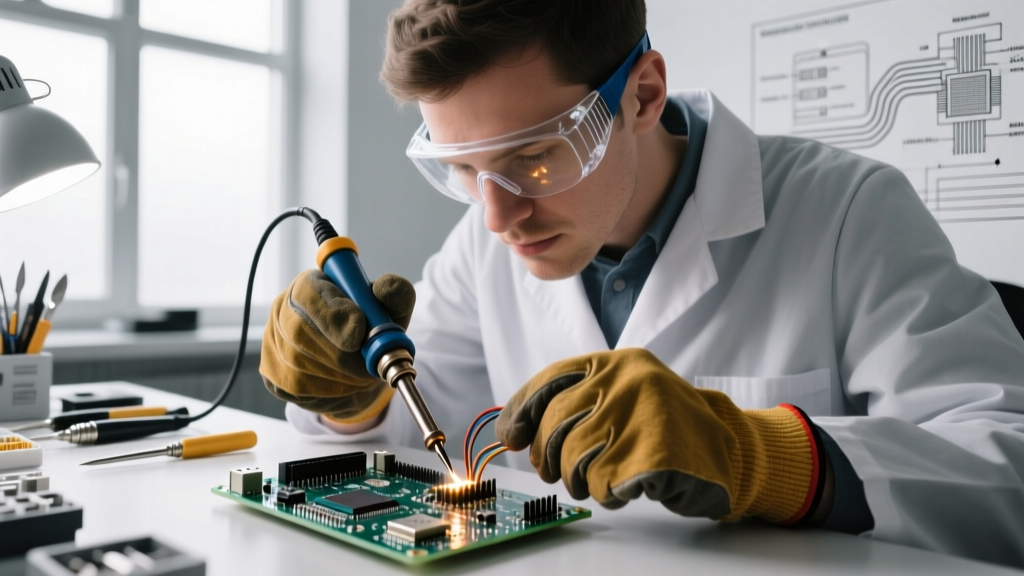
When you picture a person wearing soldering gear job, you might imagine a hobbyist in a garage. However, in the professional electronics manufacturing and rework sector, the reality is vastly different. The modern professional soldering technician operates in a highly regulated, ergonomically optimized, and ESD-controlled environment. In 2026, with the mass adoption of miniaturized 01005 SMD components and complex BGAs, the gear worn and used by these professionals is closer to a laboratory scientist than a traditional tradesperson.
This comprehensive guide breaks down the specific career paths that require professional soldering gear, the exact personal protective equipment (PPE) mandated by industry standards, and the financial trajectory of these specialized roles.
Core Roles That Require Professional Soldering Gear
The term "soldering gear" encompasses everything from ESD-safe smocks and magnification loupes to localized HEPA fume extractors. Depending on the industry, the job title and gear requirements shift dramatically.
1. IPC-Certified PCB Rework Technician
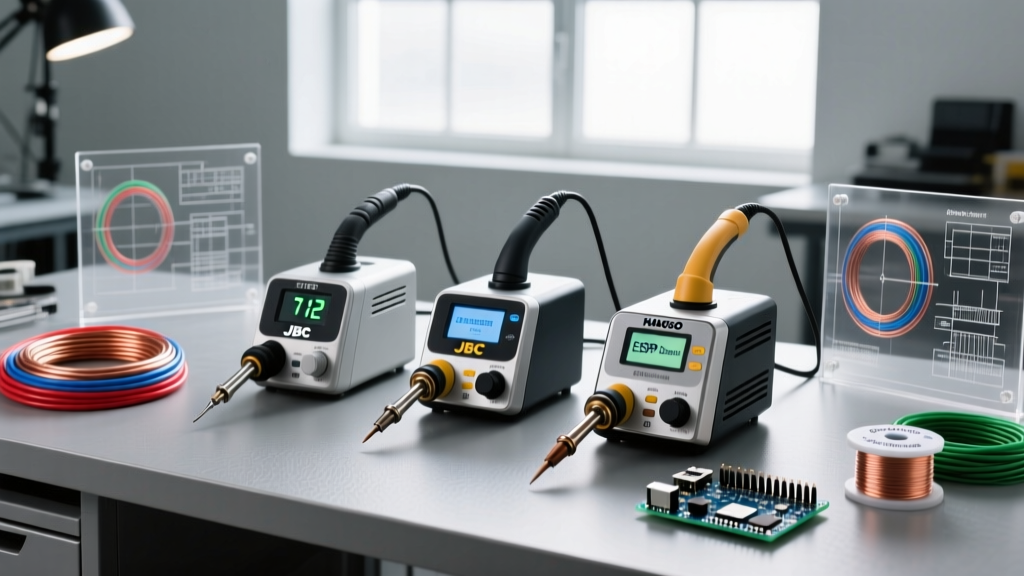
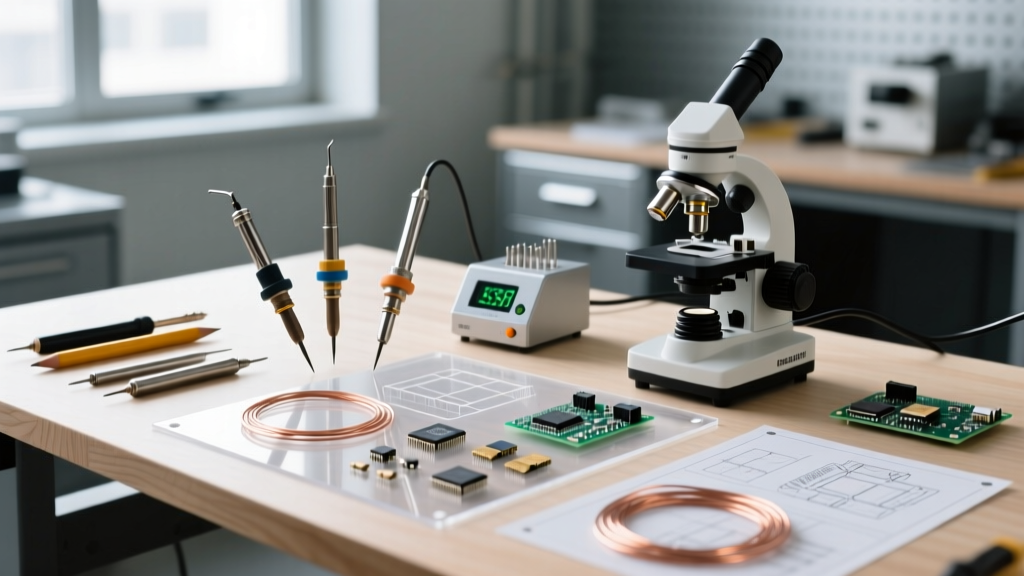
These specialists repair and modify high-value printed circuit boards. They do not just use a standard iron; they wield hot air rework stations like the Quick 861DW ($120 - $140) or advanced BGA rework systems like the Finetech Fineplacer ($15,000+). Their "gear" includes optical microscopes, thermal cameras (like the FLIR E8-XT) to monitor heat dissipation, and specialized ESD-safe finger cots.
2. Aerospace and Medical Electronics Assembler
Working under strict IPC Class 3 standards, these assemblers build mission-critical hardware where a single cold solder joint could result in catastrophic failure. They wear full ESD-controlled garments, including heel grounders and static-dissipative smocks. Their soldering stations are often inductive heating systems like the Metcal MX-5200 ($650), which uses SmartHeat technology to maintain exact tip temperatures without manual calibration.
3. High-Volume SMT Line Operator
While automated pick-and-place machines handle most SMT assembly, line operators perform selective hand soldering for through-hole components or odd-form parts. Their gear focuses heavily on ergonomics and fume management due to the continuous 8-hour shifts.
The Essential Soldering Gear & PPE Matrix
Occupational safety is paramount when dealing with rosin-based fluxes and metal alloys. According to OSHA Lead Hazards Guidelines, proper ventilation and skin protection are mandatory when handling traditional Sn63/Pb37 alloys, while rosin flux fumes require aggressive particulate and gas filtration regardless of lead content.
| PPE / Gear Category | Industry Standard Model | Est. Cost (2026) | Primary Function & Compliance |
|---|---|---|---|
| Fume Extraction | BOFA AD Orbis 600 | $2,800 - $3,500 | 3-stage HEPA & Carbon filtration for sub-micron flux particulates. |
| ESD Garments | Desco Statfree Smock | $45 - $65 | Static dissipation to protect sensitive CMOS and MOSFET components. |
| Magnification | Vision Engineering Lynx | $8,500+ | Optical head inspection with 3D stereoscopic rendering for micro-BGA. |
| Respiratory (Backup) | 3M Half Facepiece 6200 | $35 - $50 | P100 and Organic Vapor cartridges for localized flux vapor exposure. |
| Wrist Grounding | Hakko 484 ESD Wrist Strap | $15 - $25 | 1 Megohm resistor inline to safely bleed static to ground. |
Environmental Realities: The Professional Workbench
A professional soldering job is defined by the workstation environment. A person wearing soldering gear on the job is typically seated at an ESD-safe laminate bench (such as those from IAC Industries). The environment is strictly controlled:
- Lighting: Overhead 5000K daylight-balanced LEDs are standard to ensure accurate color rendering of flux residues and solder fillets.
- Matting: Two-layer rubber ESD matting with a 10^6 to 10^8 ohms/sq surface resistivity is grounded via a 1-megohm resistor to the facility's dedicated earth ground.
- Temperature & Humidity: Maintained at 72°F (22°C) with 40-60% relative humidity to prevent both static buildup (low humidity) and moisture ingress into MSL-rated components (high humidity).
Expert Insight: Many junior technicians underestimate the danger of colophony (rosin) flux fumes. Even with lead-free SAC305 alloys, the vaporized flux contains aliphatic aldehydes that can trigger occupational asthma. Localized extraction arms placed within 2 inches of the solder joint are non-negotiable in professional settings.
Salary, Certifications, and Career Trajectory
The financial compensation for a person wearing soldering gear in a professional job correlates directly with their certifications and the industry sector. According to the Bureau of Labor Statistics, the median pay for electrical and electronics equipment assemblers hovers around $40,000 to $48,000 annually, but specialized rework technicians earn significantly more.
The Certification Ladder
To move from a basic assembler to a high-paid rework specialist, technicians pursue credentials from the IPC Certification Body. The most critical certifications include:
- IPC J-STD-001: The baseline standard for soldered electrical and electronic assemblies. Mandatory for most defense and medical contractors.
- IPC-7711/7721: Rework, modification, and repair of electronic assemblies. Technicians with this certification command 15% to 25% higher hourly rates.
- IPC-A-610: Acceptability of electronic assemblies. Often required for quality assurance inspectors who verify the soldering work.
2026 Salary Breakdown by Sector
- Consumer Electronics Repair: $22 - $28 / hour
- Automotive PCB Assembly: $26 - $34 / hour
- Aerospace / Defense (Class 3): $35 - $55+ / hour (often requires ITAR clearance)
- Medical Device Manufacturing: $32 - $48 / hour (requires FDA traceability compliance)
Buyer's Guide: Building a Pro-Sumer Soldering Lab
If you are transitioning from a DIY hobbyist to taking on professional freelance PCB repair or preparing for a technical interview, you need to upgrade your gear to mimic professional environments. Here is a targeted $1,200 equipment list to achieve near-industrial compliance at home:
1. The Core Heating System ($350)
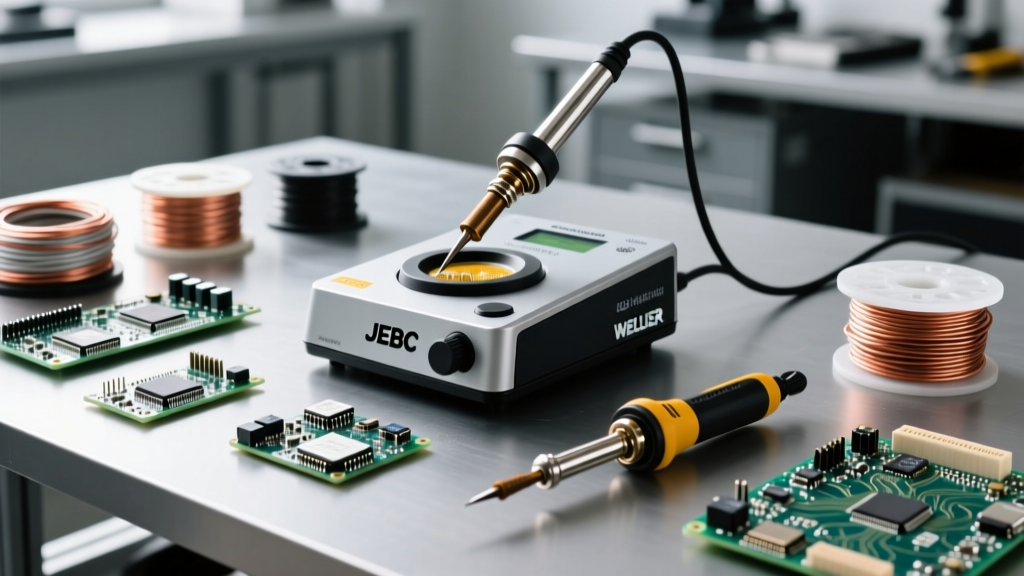
Skip the cheap clones. Invest in a Hakko FX-951 ($280) or a genuine Pine64 Pinecil V2 ($26) paired with a high-quality 24V 65W laptop power supply for portable work. For hot air, the Quick 8586 ($110) remains the undisputed king of budget-friendly, reliable rework.
2. Fume Management ($150)
You cannot afford a $3,000 BOFA unit at home. Instead, build a localized extraction system using a Hakko FA-400 ($55) for light work, or route a 4-inch inline duct fan (like an AC Infinity Cloudline) through a DIY activated carbon filter box (costing ~$80 in materials). Ensure the intake is positioned laterally to the solder joint, not directly above, to keep fumes out of your breathing zone.
3. Inspection & ESD ($250)
Purchase an AmScope SM-4TP trinocular microscope ($220). The trinocular head allows you to mount a digital camera for documenting your rework process—a critical requirement for professional clients. Pair this with a Desco two-layer ESD mat ($45) and a grounded wrist strap to ensure you do not destroy the very boards you are being paid to fix.
Frequently Asked Questions
Is a soldering job bad for your lungs?
It can be if proper PPE is ignored. The primary respiratory hazard in soldering is not lead vapor (lead does not vaporize at soldering temperatures of 350°C); it is the vaporized flux. Rosin-based fluxes release colophony, a known respiratory sensitizer. Using a localized HEPA/Carbon fume extractor eliminates this risk, making the job perfectly safe for long-term careers.
Do I need a degree to get a job wearing soldering gear?
No formal university degree is required. The industry relies heavily on demonstrated skill and IPC certifications. A high school diploma combined with an IPC J-STD-001 certification and a portfolio of complex micro-soldering rework (such as 0201 components or BGA replacements) is the standard pathway into the field.
What is the most expensive piece of gear a soldering technician uses?
For high-end rework, the stereoscopic microscope or digital inspection system is the most expensive personal gear, often exceeding $5,000. For automated line technicians, the selective soldering machines they operate can cost upwards of $150,000, though they do not "wear" this equipment.