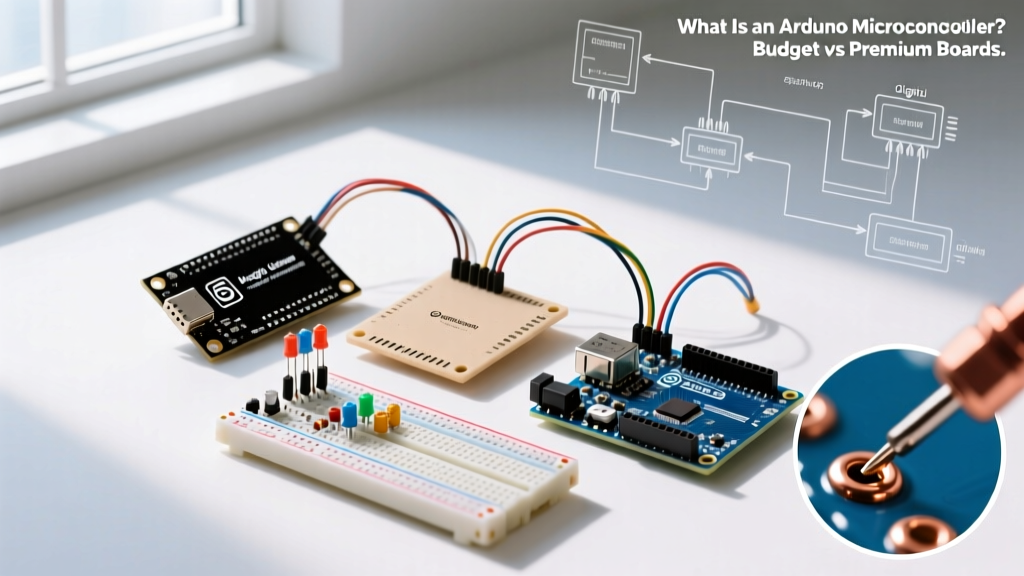

Defining the Core: What Is an Arduino Microcontroller?
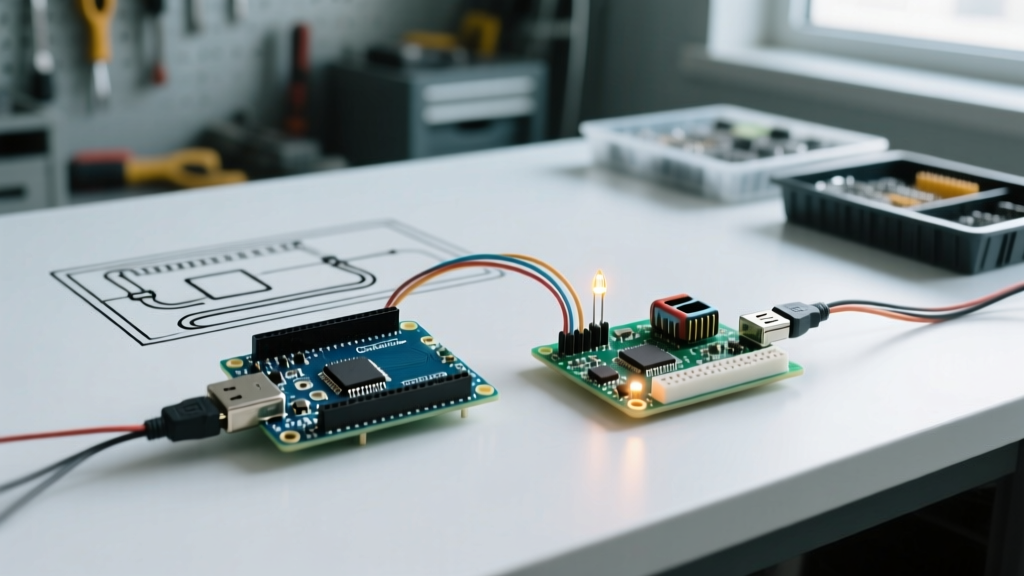
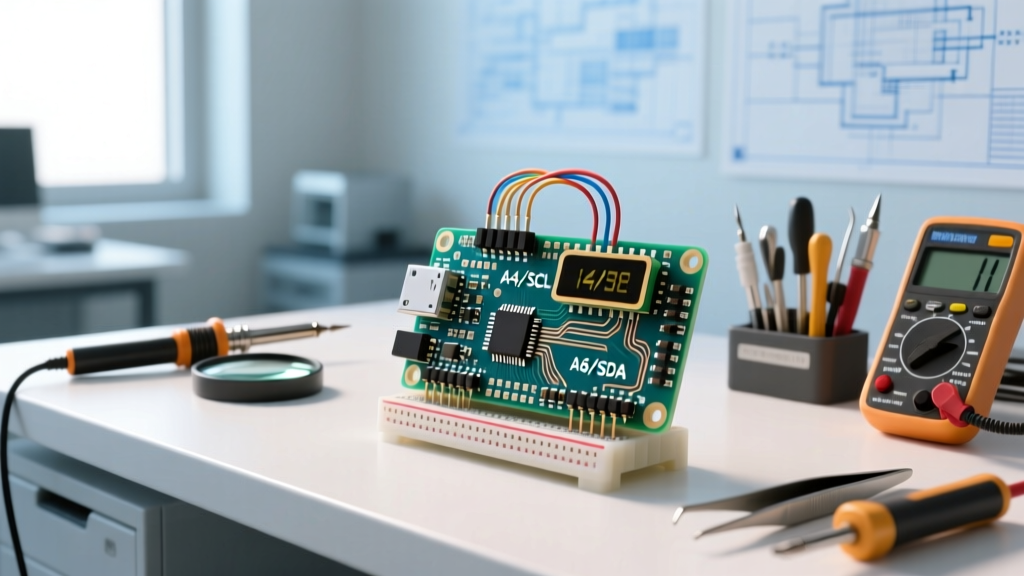
When beginners ask, "what is arduino microcontroller hardware exactly?", they are often conflating the physical development board with the silicon chip at its center. An Arduino microcontroller is a compact, self-contained integrated circuit (IC) that includes a processor core, memory (Flash and SRAM), and programmable input/output peripherals (GPIO, ADC, PWM) on a single chip. The development board simply breaks out these microscopic pins into breadboard-friendly headers, adds voltage regulation, and provides a USB interface for programming.
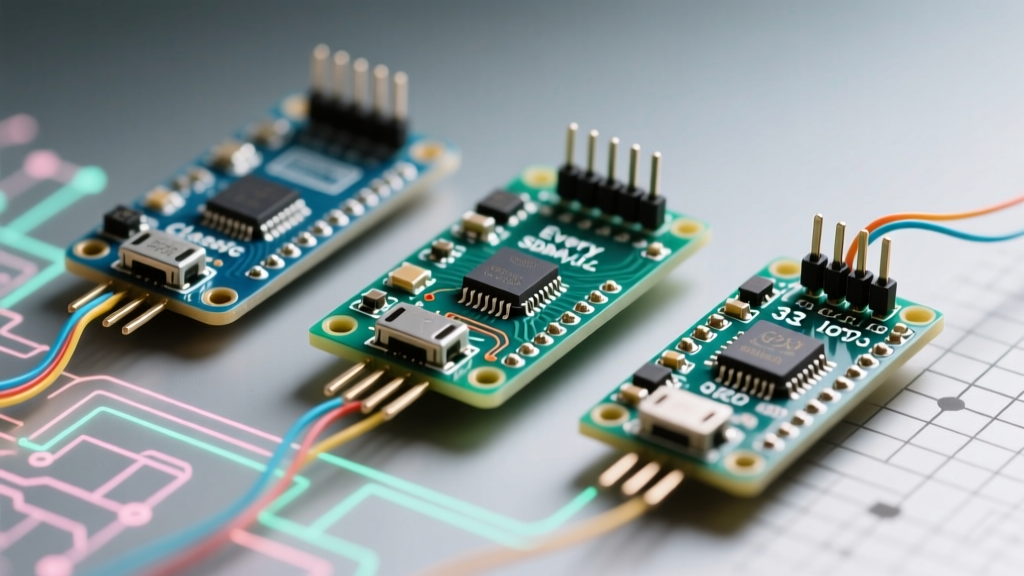
Historically, the classic Arduino Uno relied on the Microchip ATmega328P, an 8-bit AVR microcontroller. However, as we navigate the hardware landscape in 2026, the Arduino ecosystem has bifurcated into two distinct tiers: ultra-cheap budget clones and high-performance premium official boards. Understanding the architectural and component-level differences between these tiers is critical for avoiding hardware failure in your projects.
Expert Insight: The microcontroller is the brain, but the supporting components (voltage regulators, USB-UART bridges, and crystal oscillators) dictate the board's real-world reliability. A cheap clone might have the exact same ATmega328P chip as an official board, but inferior supporting ICs will cause thermal throttling and data corruption.
The Budget Tier: Clones and Entry-Level Derivatives ($4 – $12)
The open-source nature of Arduino's hardware designs means anyone can manufacture a functional replica. Budget boards, primarily sourced from overseas manufacturers and sold on platforms like AliExpress or Amazon, dominate the educational and hobbyist space due to their aggressive pricing.
Hardware Teardown: Where Do They Cut Costs?
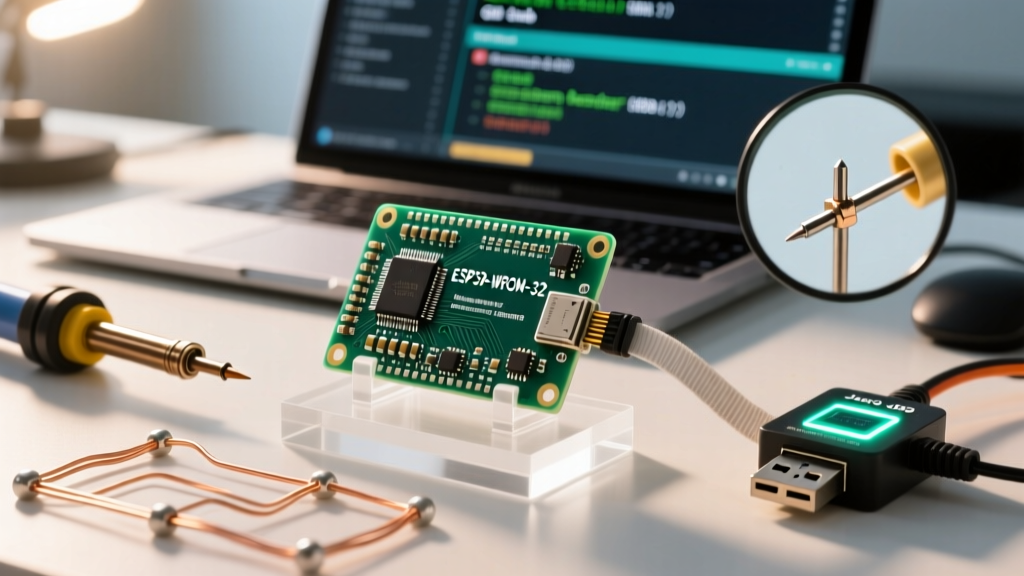
- USB-UART Bridge: Official boards historically used an ATmega16U2 chip for USB communication. Budget clones replace this with a CH340G or CP2102 chip. While functional, the CH340G requires manual driver installation on older Windows systems and lacks the native USB HID capabilities of the 16U2.
- Voltage Regulators: The official Uno uses an NCP1117-5.0 linear regulator capable of dissipating heat efficiently. Clones frequently substitute this with an unbranded AMS1117 in a smaller SOT-223 package, which is prone to thermal shutdown if you draw more than 400mA from the 5V rail.
- PCB and Connectors: Budget boards often use thinner 1.2mm PCBs (compared to the standard 1.6mm) and lower-tolerance USB-B or Micro-USB ports that mechanically fail after 50-100 insertion cycles.
When to Use Budget Boards
Budget boards are perfect for permanent, low-power installations (like a basic DHT22 weather station drawing 20mA) or classroom environments where a student accidentally shorting a 5V pin to GND won't result in a $30 loss.