
Understanding the Thermostat Electrical Outlet
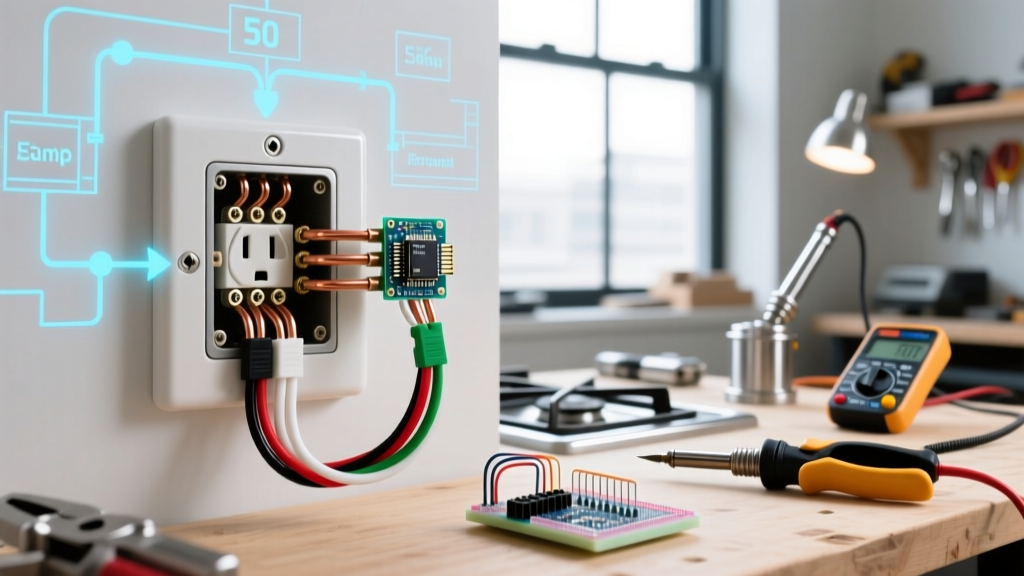
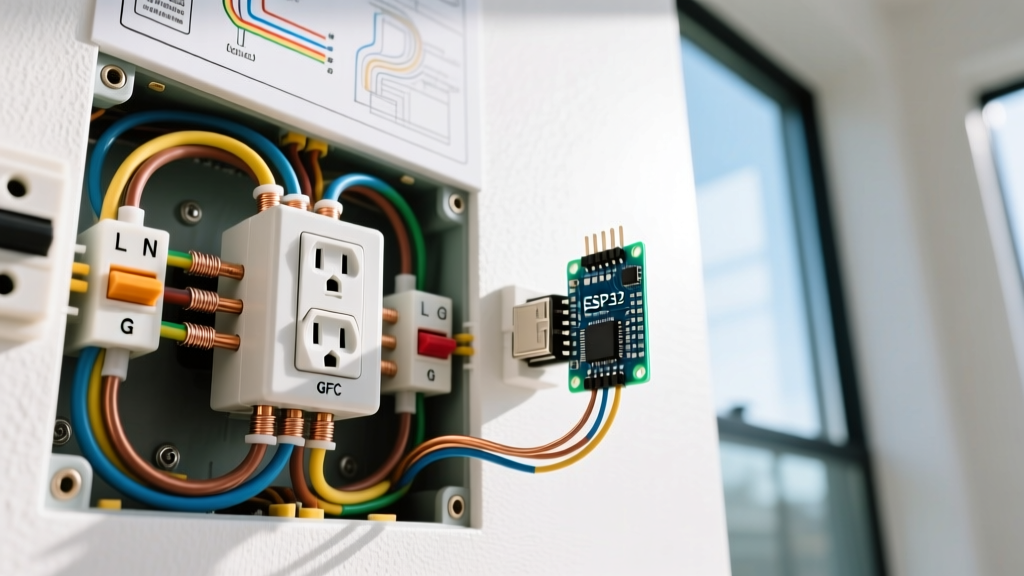
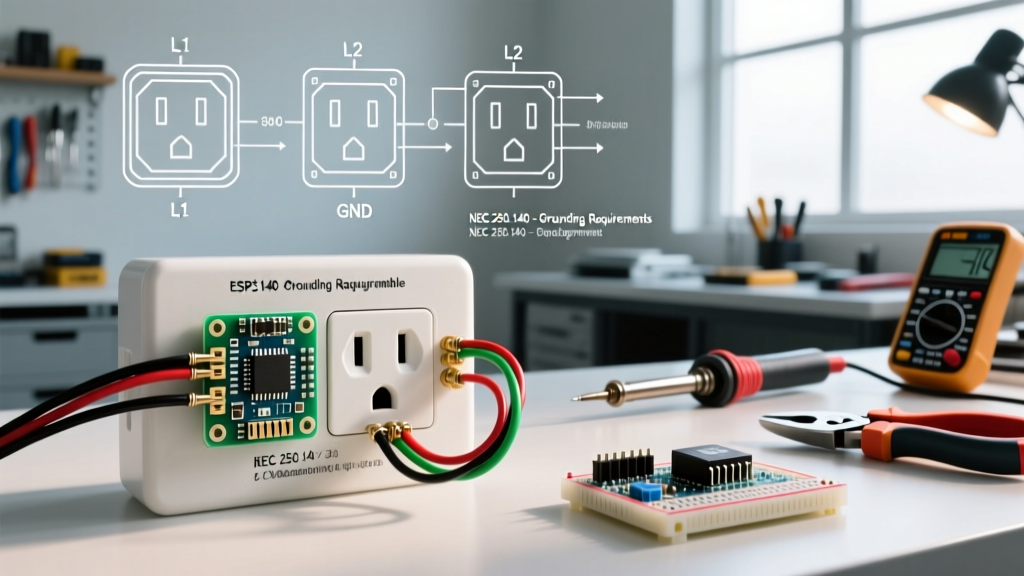
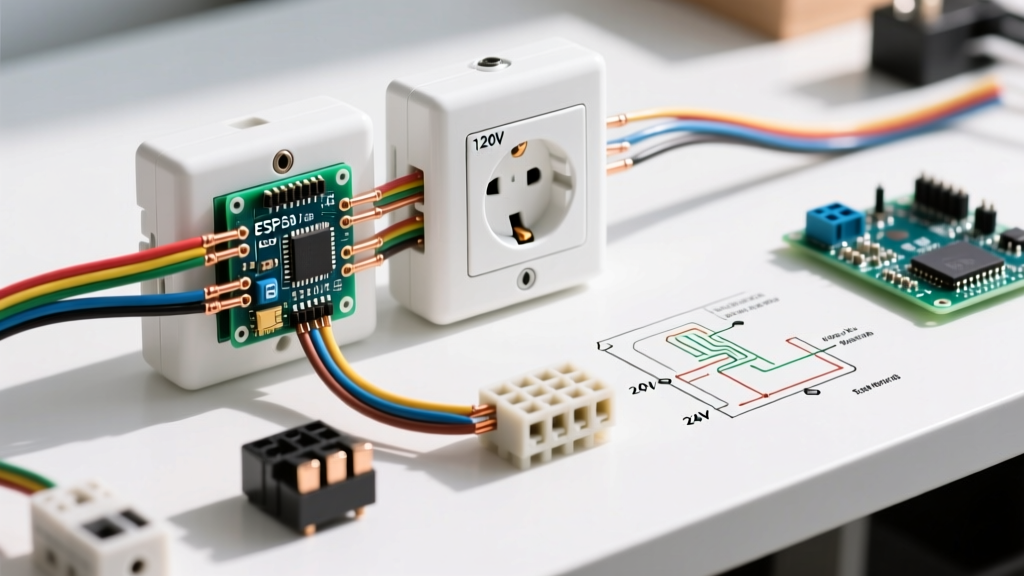
When electricians and advanced DIYers search for a thermostat electrical outlet wiring diagram, they are typically addressing one of two distinct scenarios. The first involves using a line-voltage thermostat to control a standard 120V duplex receptacle—often utilized for attic exhaust fans, grow room lighting, or heavy-duty space heaters. The second scenario involves using a standard 120V electrical outlet to supply 24VAC power to a smart thermostat via a plug-in transformer, bypassing the need for a dedicated C-wire.
This comprehensive wiring diagram reference covers both configurations, providing exact terminal mappings, National Electrical Code (NEC) compliance guidelines, and real-world troubleshooting matrices for 2026 installations.
Scenario A: 120V Line-Voltage Thermostat Controlling a Receptacle
In this configuration, a line-voltage thermostat acts as a high-amperage switch, interrupting the 120V hot leg before it reaches the electrical outlet. This is common in agricultural, industrial, and specific residential applications where climate-activated plug-in equipment is required.
Recommended Components and Pricing
- Thermostat: Honeywell TL7235A1003 (120V, 15A, SPST). Retail: ~$55 - $65
- Wiring: 14/2 NM-B (Non-Metallic Sheathed Cable) for 15A circuits, or 12/2 NM-B for 20A circuits. Cost: ~$0.75 per foot
- Receptacle: Leviton 5320-WMP (15A Duplex, Tamper-Resistant). Retail: ~$3.50
- Electrical Box: Raco 8232 (Single-Gang, Deep Metal Box). Retail: ~$4.00
Wiring Diagram Logic: Line, Load, and Neutral
The Honeywell TL7235A is a Single Pole Single Throw (SPST) line-voltage thermostat. It only switches the ungrounded (hot) conductor. The grounded (neutral) conductor must bypass the thermostat and connect directly to the receptacle.
| Cable / Wire | Wire Color | Termination Point | Function |
|---|---|---|---|
| Supply Line (From Panel) | Black (Hot) | Thermostat 'L1' Terminal | Provides 120VAC to the thermostat switch |
| Supply Line (From Panel) | White (Neutral) | Wire Nut (Pigtail to Receptacle) | Completes the 120VAC circuit |
| Supply Line (From Panel) | Bare Copper (Ground) | Box Ground Screw & Thermostat GND | Safety grounding path |
| Load Line (To Outlet) | Black (Switched Hot) | Thermostat 'T1' Terminal | Delivers 120VAC to outlet when heat calls |
| Load Line (To Outlet) | White (Neutral) | Wire Nut (Pigtail from Supply) | Continuous neutral to receptacle silver screw |
| Load Line (To Outlet) | Bare Copper (Ground) | Pigtail to Box & Receptacle Green Screw | Safety grounding path |
CRITICAL SAFETY WARNING: Never switch the neutral wire through the thermostat. According to NFPA 70 (National Electrical Code) Article 424.19, thermostats must open the ungrounded conductor. Switching the neutral leaves the outlet energized at 120V even when the thermostat is in the 'off' position, creating a severe shock hazard.
Scenario B: Powering a 24V Smart Thermostat via an Electrical Outlet
Modern smart thermostats (like the Ecobee SmartThermostat or Google Nest Learning Thermostat) require a continuous 24VAC power source, typically supplied by the HVAC control board's 'C' (Common) wire. In older homes lacking a C-wire, the most reliable workaround is utilizing a nearby 120V electrical outlet paired with a plug-in step-down transformer.
Component Selection
- Transformer: Emerson F-209P-1 (120V to 24VAC, 40VA, Plug-In). Retail: ~$22
- Control Wire: 18/2 Thermostat Wire (Solid Copper). Cost: ~$0.20 per foot
According to the U.S. Department of Energy, ensuring your smart thermostat has a stable, hardwired or transformer-backed power supply prevents Wi-Fi disconnects and battery drain, maximizing your home's energy efficiency.
Wiring Diagram Logic: The C-Wire Bypass
- Primary Side (120V): Plug the Emerson F-209P-1 transformer directly into a standard 120V duplex receptacle. Ensure the outlet is not controlled by a wall switch, as this would cut power to your thermostat.
- Secondary Side (24VAC): Strip the 18/2 thermostat wire and connect the two conductors to the transformer's screw terminals. Polarity does not matter on the secondary side of a standard HVAC transformer.
- Thermostat Terminals: Route the 18/2 wire behind the wall to the thermostat backplate. Connect one wire to the Rc (or Rh) terminal and the other wire to the C terminal. Do not connect these to the HVAC control board.
NEC Compliance and Safety Standards (2026 Edition)
When wiring a thermostat to control an electrical outlet, you must adhere to specific NEC articles to pass inspection and ensure fire safety:
- NEC Article 210.23 (Permissible Loads, Branch Circuits): A 15A or 20A branch circuit supplying a thermostat-controlled receptacle must not exceed 80% of the circuit rating for continuous loads (3+ hours). If using the outlet for a heavy-duty space heater, ensure the heater's amperage does not exceed 12A on a 15A circuit.
- NEC Article 400.4 (Use of Flexible Cords): Flexible cords (like those on plug-in space heaters) must not be run through walls, ceilings, or floors. The thermostat-controlled outlet must be mounted in an accessible, approved electrical box.
- Receptacle Safety: The U.S. Consumer Product Safety Commission (CPSC) strongly advises against using extension cords or power strips with high-wattage heating appliances. Always plug directly into the thermostat-controlled duplex receptacle to prevent thermal overload.
Comparison Matrix: 120V Control vs. 24V Power Supply
| Feature | Scenario A: 120V Thermostat Control | Scenario B: 24V Smart Power Supply |
|---|---|---|
| Primary Purpose | Switching high-amperage plug-in loads | Providing continuous low-voltage logic power |
| Voltage Handled | 120VAC (Line Voltage) | 24VAC (Low Voltage) |
| Wire Gauge Required | 14 AWG or 12 AWG (NM-B) | 18 AWG (Thermostat Wire) |
| Box Requirement | Standard Single-Gang Deep Box | None (Transformer plugs into existing outlet) |
| Typical Application | Attic fans, grow lights, space heaters | Nest, Ecobee, Honeywell Smart Thermostats |
Troubleshooting Matrix
Use this diagnostic table to resolve common failure modes associated with thermostat electrical outlet installations.
| Symptom | Probable Cause | Multimeter Test | Solution |
|---|---|---|---|
| Outlet has 120V constantly, thermostat clicks but does nothing. | Thermostat wired in parallel, or neutral was switched instead of hot. | Test continuity across L1 and T1 with power OFF. Should be open when satisfied. | Rewire so the black hot wire breaks at the L1/T1 terminals; ensure white neutral is wire-nutted continuously. |
| Smart thermostat screen is blank despite 24V transformer being plugged in. | Blown internal fuse on thermostat, or loose Rc/C terminal connection. | Test transformer secondary terminals for 24VAC. Test Rc to C at backplate for 24VAC. | Tighten terminal screws. If 24VAC is present at backplate but screen is dead, replace the thermostat unit. |
| Thermostat housing is warm to the touch; outlet voltage drops to 105V under load. | Overloaded thermostat (exceeding 15A rating) or loose wire termination causing high resistance. | Measure voltage at outlet under load. Inspect wire insulation for heat damage. | Verify load amperage. If load > 15A, install a 24V thermostat and a 120V contactor (relay) to handle the heavy load. |
Frequently Asked Questions
Can I use a standard 24V low-voltage thermostat to control a 120V outlet?
No. Standard low-voltage thermostats (like basic Honeywell Round models) are rated for 30VAC maximum. Connecting them to a 120V circuit will instantly destroy the internal bimetallic switch or relay and pose a severe fire hazard. You must use a dedicated line-voltage thermostat (like the Honeywell TL7235A) or use the 24V thermostat to trigger a 120V contactor relay.
Does a thermostat-controlled outlet require GFCI protection?
It depends on the location. Under the 2023 and 2026 NEC, if the thermostat-controlled receptacle is installed in a garage, attic, crawl space, basement, or outdoors, it must be GFCI protected (NEC Article 210.8). However, if the GFCI trips frequently due to the motor-startup inductive surge of an attic fan, you may need to upgrade to a GFCI breaker with a higher trip threshold or install a snubber circuit.
What happens if I plug a 15A space heater into a 20A thermostat-controlled outlet?
A standard 15A plug will physically fit into a 20A receptacle (which features a T-shaped neutral slot). This is safe and NEC-compliant, provided the branch circuit wiring is 12 AWG and the thermostat is rated for at least 20A (e.g., King KTS-2). Always ensure the thermostat's amperage rating meets or exceeds the breaker rating.