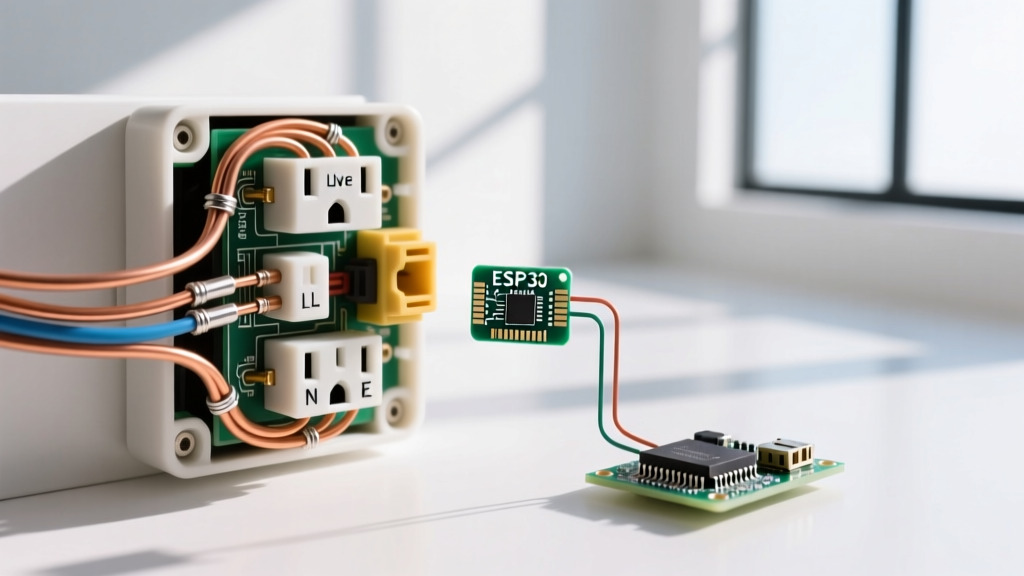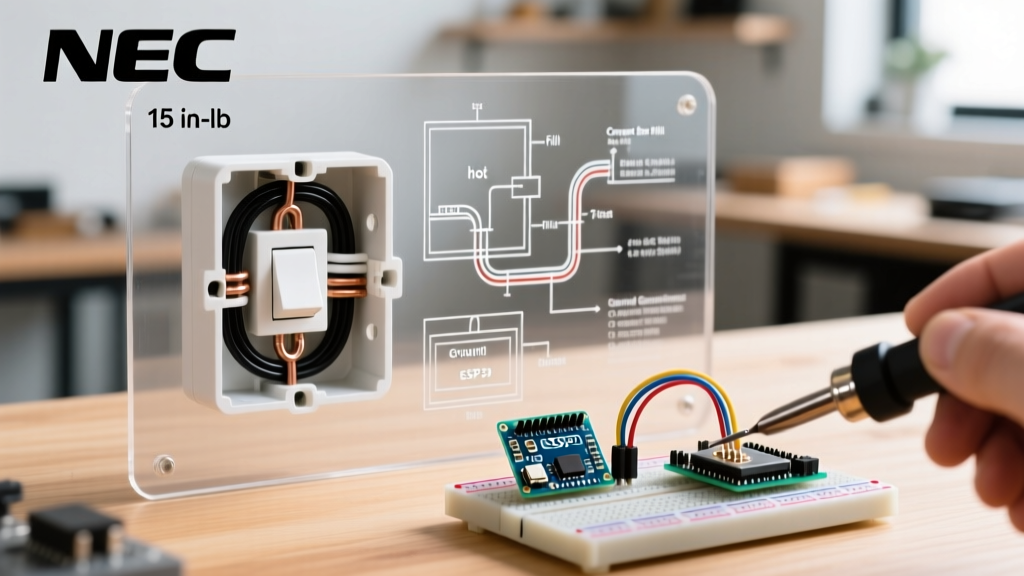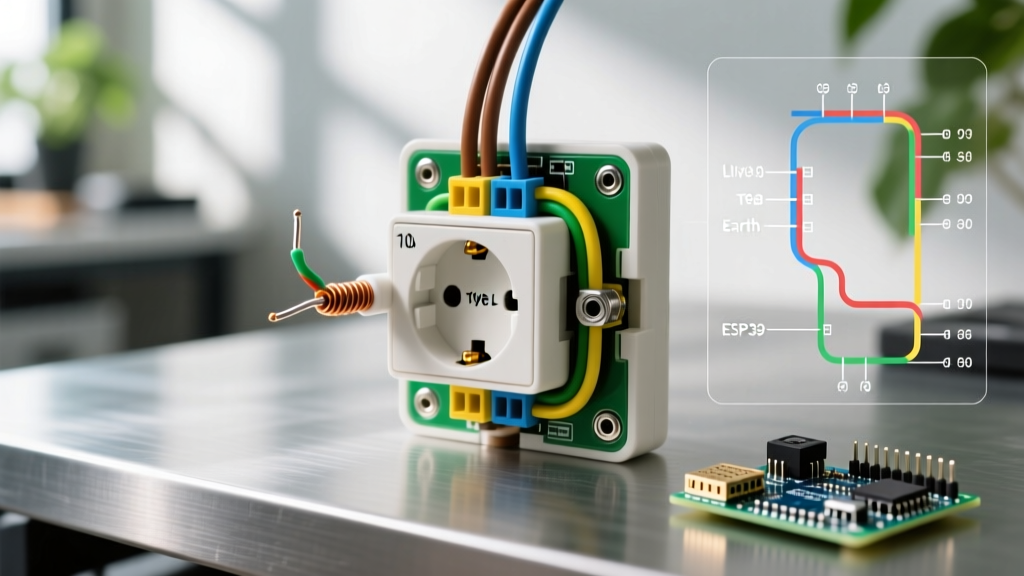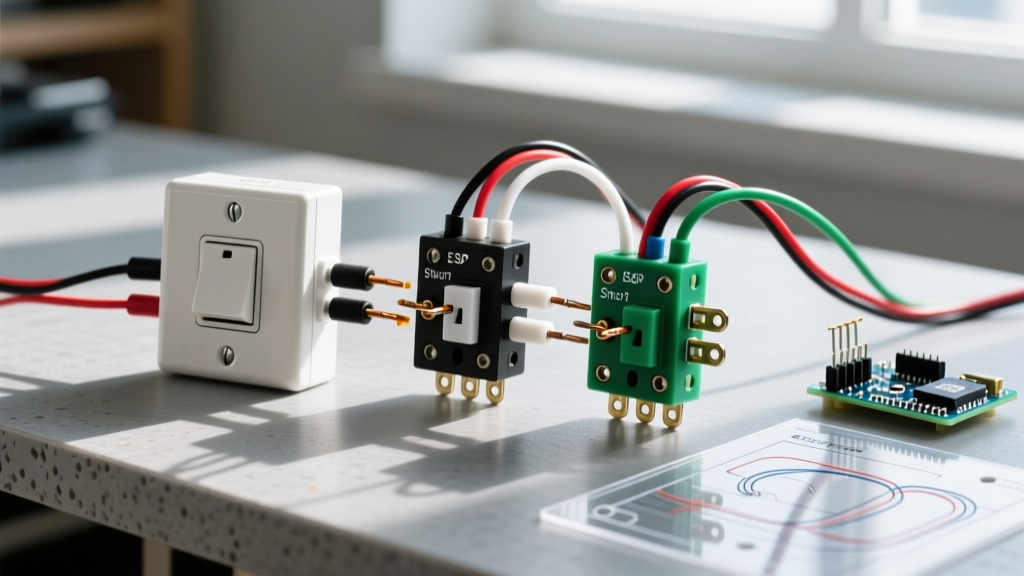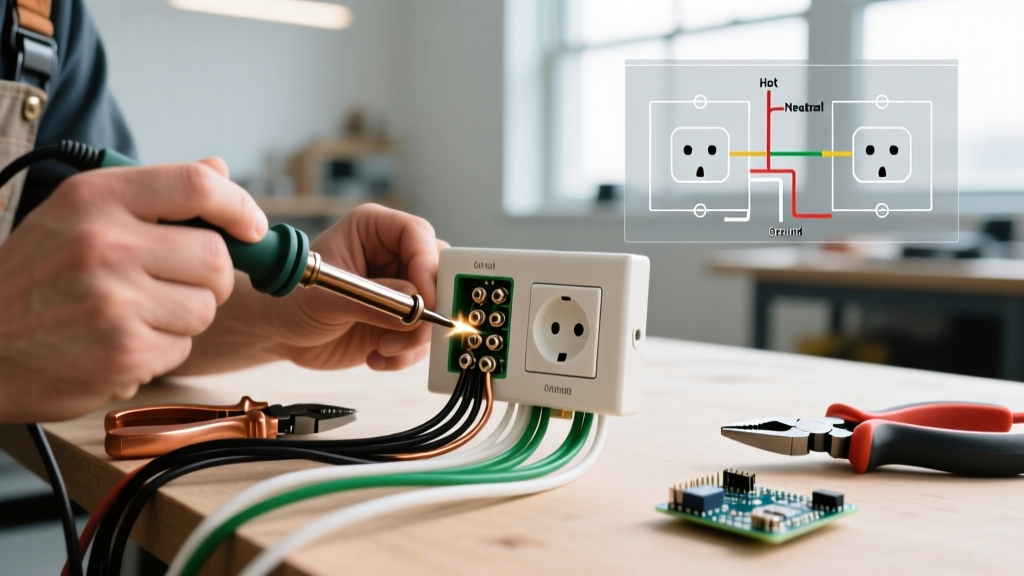

When homeowners and DIYers look to install an electrical outlet with on off switch, they are typically referring to one of two distinct wiring configurations. The first is a combo device (a single-gang yoke housing both a standard duplex receptacle and a toggle switch). The second is a split-wired (half-hot) receptacle, where a standard duplex outlet is modified so one plug is always live while the other is controlled by a remote wall switch. While both achieve similar functional goals, the combo device is vastly superior for workshops, garages, and localized appliance control where running a separate switch cable is impractical.
In this comprehensive guide, we will focus primarily on wiring the combo switch-receptacle device, exploring the most common wiring scenarios, National Electrical Code (NEC) mandates for 2026, and the exact torque specifications required to prevent electrical fires.
Top Combo Devices: Selecting the Right Hardware
Before stripping any wires, you must select the correct device for your amperage and environment. Standard 15-amp circuits require 15A devices, while kitchen and garage 20-amp circuits require 20A-rated hardware. Below is a comparison of the most reliable models available on the market today.
| Brand & Model | Amperage | Device Type | Avg. Price | Best Use Case |
|---|---|---|---|---|
| Leviton 5241-W | 15A / 120V | Standard Single-Pole Combo | $6.50 | Bedrooms, living rooms, workshops |
| Leviton GFSW1-GY | 20A / 120V | GFCI Combo (Single-Pole) | $32.00 | Bathrooms, garages, wet locations |
| Leviton 5641-W | 15A / 120V | 3-Way Combo Switch | $11.50 | Stairwells, large rooms with dual entry |
| Cooper 5241V | 15A / 120V | Standard Single-Pole Combo | $5.80 | Budget-friendly residential retrofits |
NEC Code Requirements for 2026 Installations
Electrical codes evolve to address modern fire hazards. According to the National Fire Protection Association (NFPA), the NEC strictly dictates where specific protection is required when installing an electrical outlet with on off switch.
- GFCI Protection: If the combo device is installed in a bathroom, garage, crawl space, or within 6 feet of a sink, it must be a GFCI combo device (like the Leviton GFSW1). Standard combo devices are illegal in these zones.
- AFCI Protection: For living rooms, bedrooms, and hallways, the circuit breaker supplying the outlet must be an Arc-Fault Circuit Interrupter (AFCI). The combo device itself does not need to be an AFCI receptacle, provided the breaker handles it.
- Box Fill Calculations: A combo device counts as two devices for box-fill calculations. Ensure your electrical box has adequate cubic inch capacity (typically a minimum 20-cubic-inch single-gang box for 12 AWG wire) to prevent overheating.
Safety Warning: Always verify the circuit is dead using a non-contact voltage tester and a multimeter before touching any terminals. The U.S. Consumer Product Safety Commission (CPSC) reports that electrical receptacles are involved in over 5,000 home fires annually, largely due to loose connections and overloaded circuits.
Wiring Scenario 1: Switch Controls the Built-In Outlet
This is the most common scenario for workshop benches or laundry rooms. You want the receptacle to be completely dead until you flip the switch on the yoke. In this setup, power (the line) enters the box and feeds both the switch and the outlet.
Step-by-Step Execution
- Identify the Break-Off Tab: On the brass (hot) side of a standard combo device like the Leviton 5241, there is a small metal fin connecting the switch terminal to the receptacle terminal. Do not break this tab for this scenario. The internal factory bridge allows the switch to feed the outlet.
- Connect the Neutrals: Pigtail the white neutral wires together using a wire nut, and run a single 6-inch pigtail to the silver terminal marked "LINE NEUTRAL" or the white screw. Torque to 12-14 inch-pounds.
- Connect the Ground: Pigtail the bare copper grounds and attach them to the green grounding screw on the device yoke.
- Connect the Line Hot: Connect the black line wire to the brass terminal marked "LINE" or "HOT". Because the internal tab is intact, flipping the switch will now send power to the receptacle's hot slot.
- Test: Restore power. The outlet should read 0V on a multimeter until the toggle switch is flipped to the "ON" position, at which point it should read 120V.
Wiring Scenario 2: Switch Controls a Separate Light (Outlet Always Hot)
In this scenario, the outlet provides constant power for a vacuum or tool, while the switch on the yoke controls a ceiling light or a downstream fixture. This requires breaking the internal fin and using separate line and load wires.
Step-by-Step Execution
- Break the Brass Tab: Using needle-nose pliers, snap off the small metal connecting fin on the brass (hot) side of the combo device. This electrically isolates the switch from the receptacle.
- Wire the Receptacle (Always Hot): Connect the incoming black line wire to the brass screw marked "HOT" or "RECEPTACLE". Connect the white neutral to the silver screw.
- Wire the Switch: Connect a second black wire (the load wire running up to the light fixture) to the brass screw marked "SWITCH LOAD".
- Pigtail the Line: Because both the receptacle and the switch need the incoming line hot, you must create a black pigtail. Connect the main line black, the receptacle black, and the switch black together using a Wago lever nut or a standard wire nut, then run a single pigtail to the switch's "LINE" terminal if required by the specific manufacturer's diagram.
Pro-Tips: Avoiding Common Failure Modes
According to the Electrical Safety Foundation International (ESFI), improper termination is the leading cause of receptacle failures. Follow these expert guidelines to ensure a lasting installation:
- Stop Backstabbing: Never use the push-in "backstab" holes on the back of a combo device. They rely on spring tension that degrades over time, leading to arcing. Always use the side terminal screws.
- Use a Torque Screwdriver: Modern NEC codes heavily emphasize proper termination torque. Under-tightened screws cause high-resistance connections that melt the yoke. Use a VDE insulated torque screwdriver set to 12-14 inch-pounds for standard 15A/20A Leviton and Cooper devices.
- Wire Stripping Depth: Strip exactly 5/8-inch of insulation from 14 AWG and 12 AWG solid copper wire. If too much bare wire is exposed, it creates a short-circuit hazard; if too little is exposed, the screw will bite into the insulation, causing a high-resistance open circuit.
- Neutral Pigtailing on GFCIs: If using a GFCI combo device (like the GFSW1), never use the device's neutral terminal as a pass-through for downstream neutral wires. Always pigtail the neutrals in the back of the box. A loose downstream neutral on a GFCI load terminal can cause erratic tripping and defeat the protection logic.
Frequently Asked Questions
Can I replace a standard switch with a combo switch without running new wires?
Yes, but only if the switch box contains a neutral wire. Older homes (pre-1980s) often used "switch loops" where only a hot and a switched-hot were sent to the wall box, with no neutral present. A combo device requires a neutral to power the receptacle half. If no neutral is present, you must pull a new 14/2 or 12/2 NM-B cable from the nearest junction box.
What is the difference between a combo device and a half-hot split receptacle?
A half-hot split receptacle uses a standard duplex outlet where the brass tab is broken, and a remote wall switch controls the top plug via a 3-wire (14/3) cable. A combo device houses the physical switch and the receptacle in the exact same single-gang yoke, saving wall space and eliminating the need to reach across the room to turn off a localized appliance.
Are 20-Amp combo devices readily available?
They are less common than 15-Amp models but are required for 20-Amp kitchen and garage circuits. The Leviton GFSW1 (20A GFCI Combo) is the industry standard for these applications, typically retailing around $32.00. Standard 15A combo devices cannot legally be installed on a 20A circuit unless the circuit only serves a single receptacle, which is rare in modern wiring.