
The Unique Landscape of the Vietnam Electrical Outlet Plug
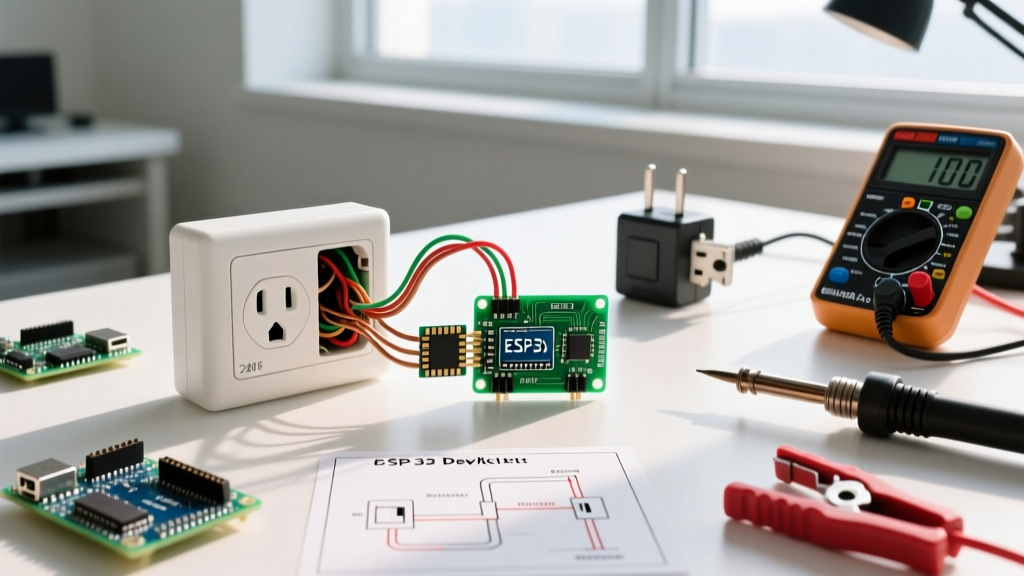
Wiring a residential or commercial space in Vietnam presents a fascinating challenge for electricians and DIY enthusiasts. Unlike North America (NEMA standards) or the UK (BS 1363), the Vietnam electrical outlet plug ecosystem does not rely on a single, rigid national socket standard. Instead, it utilizes a pragmatic, multi-standard hybrid receptacle designed to accommodate the diverse array of appliances imported from the US, Europe, Japan, and China. As of 2026, with Vietnam's rapid urbanization and the modernization of the EVN (Vietnam Electricity) grid, understanding how to properly wire, ground, and protect these hybrid sockets is critical for safety and compliance.
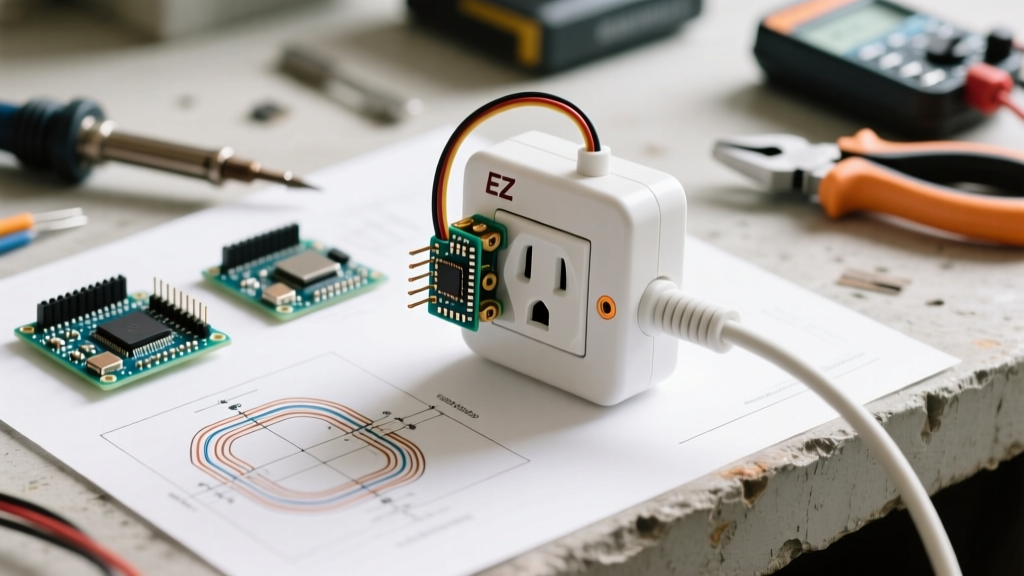
The standard supply voltage in Vietnam is 220V at 50Hz. However, the physical wall receptacles are almost universally 'hybrid' sockets. These ingenious devices feature complex internal spring-steel shutters that can securely grip both the 4.0mm round pins of a European Type C plug and the 1.5mm flat parallel blades of a North American Type A plug. In this guide, we will break down the exact wiring scenarios, cable specifications, and edge cases you will encounter when installing these receptacles in modern Vietnamese homes.
Understanding the Hybrid Receptacle Standard
Before stripping any wires, it is essential to understand what you are plugging into. According to the IEC World Plugs Guide, Vietnam officially recognizes Types A, C, and G, but the physical wall outlets are rarely dedicated to just one. Premium brands dominating the 2026 Vietnamese market, such as Panasonic (Wide Series), Schneider Electric (Clipsal), and local giant Sino-Vanlock, manufacture universal hybrid sockets.
| Plug Type | Pin Configuration | Common Appliance Origin | Socket Compatibility in VN |
|---|---|---|---|
| Type A | Two flat parallel pins | USA, Japan, older electronics | Universal Hybrid (Un-grounded) |
| Type C | Two round pins (4mm) | Europe, phone chargers, LED drivers | Universal Hybrid (Un-grounded) |
| Type G | Three rectangular pins | UK, heavy machinery, high-wattage IT | Dedicated Type G or High-End Hybrid |
| Type O | Three round pins (Thailand std) | Cross-border imports | Rare, requires adapter |
Wiring Scenario: Installing a 220V Panasonic Hybrid Receptacle
Let us walk through a standard installation scenario: replacing an aging, discolored Sino-Vanlock receptacle with a modern Panasonic WEG1201 (Wide Series 2-pin hybrid + grounding hole) in a standard masonry wall. The Panasonic WEG1201 retails for approximately 140,000 to 180,000 VND ($5.50 - $7.00 USD) and features superior phosphor bronze contacts that resist thermal deformation under heavy loads.
Step 1: Cable Selection and TCVN Color Codes
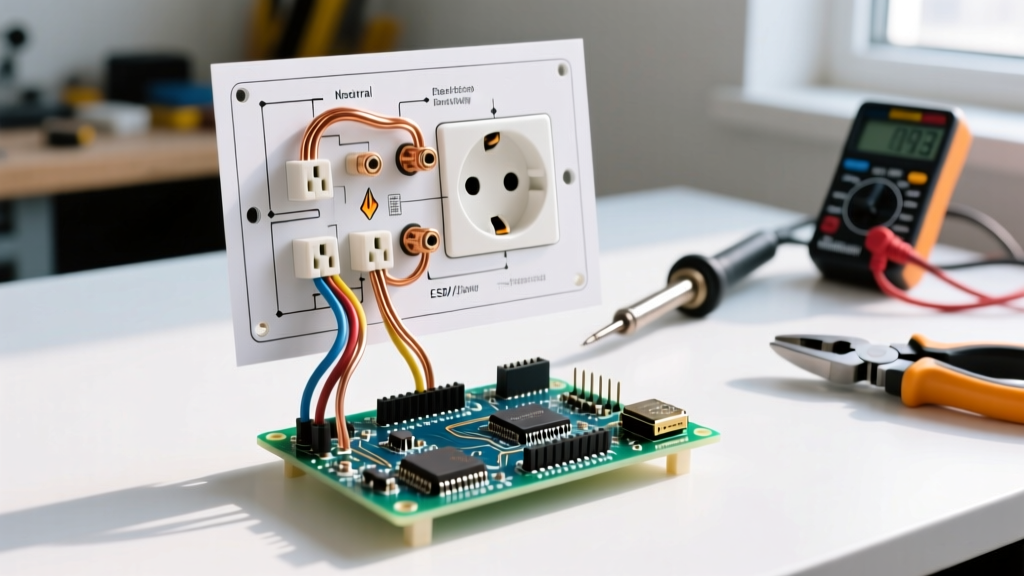
Vietnam follows TCVN (Tiêu chuẩn Việt Nam) standards, which have largely harmonized with IEC color codes in recent years, though older installations may still use legacy colors. For standard 220V receptacles, you must use 2.5mm² copper wire. Top domestic brands like Cadivi or Trần Phú offer CV (single-core PVC) or CVV (multi-core) cables.
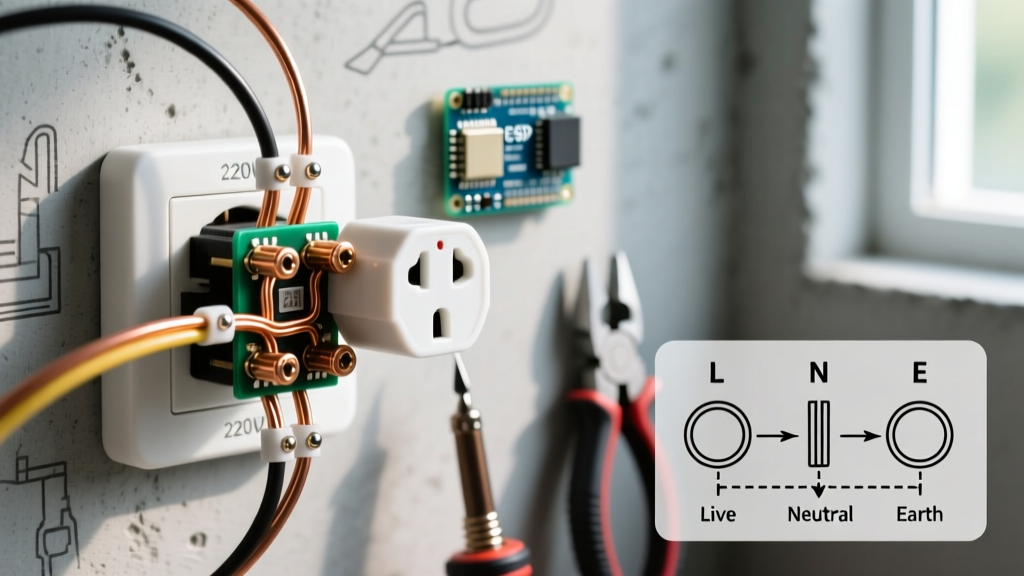
- Line (Phase): Brown (Modern TCVN) or Red (Legacy)
- Neutral: Blue (Modern TCVN) or Black (Legacy)
- Earth (Ground): Yellow/Green striped
Pro-Tip: Never use 1.5mm² wire for wall receptacles in Vietnam, even for low-draw electronics. The 220V grid can experience voltage sags during the dry season (April-June) when AC usage peaks, causing current (Amperage) to spike for inverter-based appliances. 2.5mm² wire ensures a safe thermal margin.
Step 2: Termination and Torque
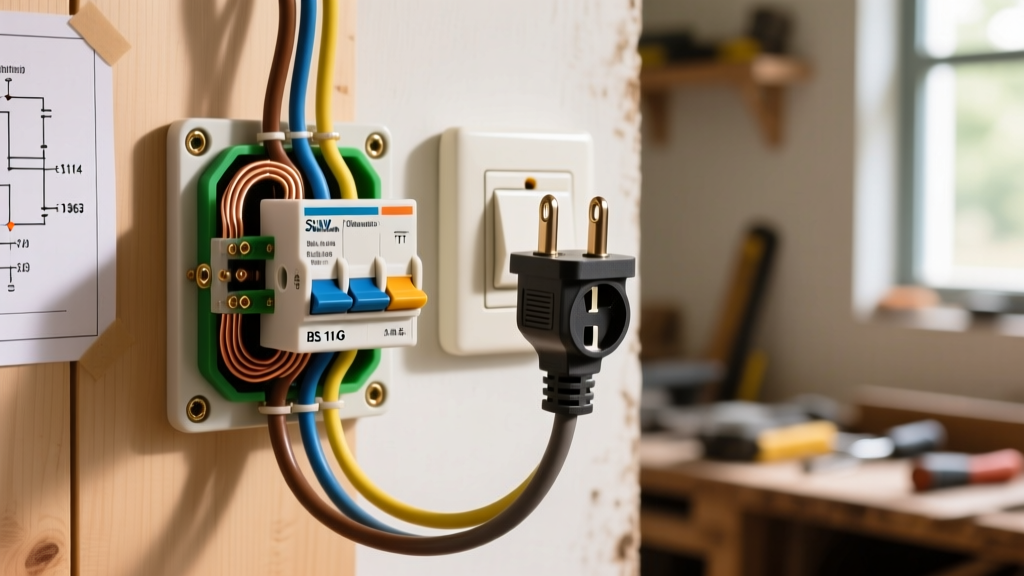
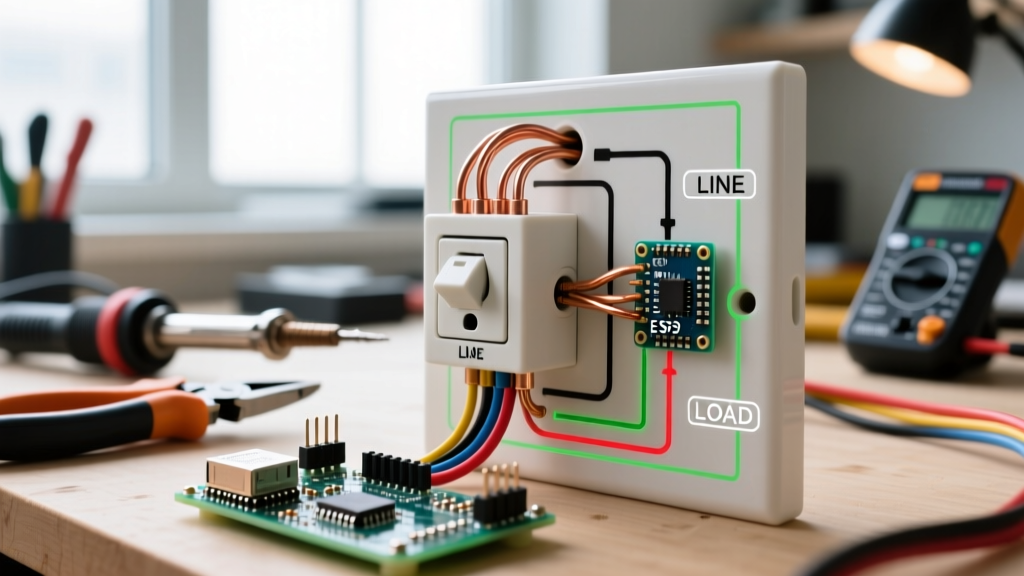
- Isolate the Circuit: Turn off the specific MCB (Miniature Circuit Breaker) at the distribution board. In Vietnam, standard consumer units often use Schneider Acti9 or Panasonic BHA series breakers. Verify zero voltage using a Fluke 117 True-RMS multimeter.
- Strip the Insulation: Remove exactly 12mm of PVC insulation using a precision stripper. Do not nick the copper conductor, as this creates a micro-fracture that will fail under 50Hz thermal cycling.
- Terminate: Insert the wires into the Panasonic WEG1201's quick-connect or screw terminals. If using screw terminals, apply exactly 0.5 Nm of torque. Overtightening will crush the copper strands, increasing resistance and creating a fire hazard.
- Secure the Yoke: Mount the receptacle into the standard 86x86mm flush box using M4 machine screws. Ensure the faceplate sits flush against the plaster; Vietnamese walls are often uneven, so shimming the backbox with nylon spacers may be necessary.
The 'Missing Ground' Edge Case in Vietnamese Tube Houses
The most dangerous scenario an electrician will face in Vietnam is the 'floating ground' in older nhà ống (tube houses). Built rapidly in the 1990s and 2000s, many of these deep, narrow homes were wired with only two conductors (Line and Neutral). The wall sockets may physically feature a third hole for a grounding pin, but behind the wall, that terminal is either disconnected or tied illegally to the neutral bus (a severe shock hazard known as a 'bootleg ground').
CRITICAL SAFETY WARNING: According to the Electrical Safety Foundation International (ESFI), a bootleg ground will trick a standard plug tester into showing a 'correct' wiring status, while leaving the appliance chassis energized during a fault. Never bond Neutral and Earth at the receptacle level.
The 2026 Solution: RCBO Retrofitting
If you are wiring a Vietnam electrical outlet plug system in an ungrounded tube house, you cannot magically create an earth rod if the foundation is already poured and surrounded by concrete. Instead, you must provide life-safety protection via an RCBO (Residual Current Breaker with Overcurrent protection).
Replace the standard MCB feeding the receptacle circuit with a 20A, 30mA RCBO (such as the Schneider Easy9 series, widely available in Hanoi and HCMC for about 450,000 VND / $18 USD). If a fault occurs and current leaks through a human body to ground (since the floor acts as a poor ground), the 30mA RCBO will detect the imbalance and trip in under 40 milliseconds, preventing lethal electrocution despite the absence of a physical ground wire.
Voltage Step-Down Scenarios for Imported 110V Appliances
Because the Vietnam electrical outlet plug system delivers 220V, expats and locals frequently import high-end kitchen appliances, audio equipment, or power tools from Japan and the US (110V/60Hz). Plugging a 110V device directly into a Vietnamese hybrid socket will result in catastrophic failure and a potential fire.
For permanent installations where a 110V receptacle is required (e.g., a dedicated kitchen counter for a Japanese rice cooker or US KitchenAid mixer), DIYers should install a dedicated step-down transformer circuit.
- Transformer Brands: LiOA and Robot are the gold standards in Vietnam.
- Sizing: Calculate the appliance wattage and multiply by 1.5 for inrush current. For a 1200W appliance, use a LiOA 2000VA (2kVA) step-down transformer.
- Wiring the 110V Receptacle: Wire a dedicated NEMA 5-15R receptacle directly to the 110V output terminals of the LiOA transformer. Label this receptacle clearly with red tape and a '110V ONLY' sticker to prevent future users from plugging in 220V devices.
Frequently Asked Questions
Can I use a US Type A plug in a Vietnam electrical outlet plug socket?
Physically, yes. The hybrid sockets in Vietnam are designed to accept Type A flat pins. However, electrically, you must verify the appliance is dual-voltage (100-240V). If your US device is rated only for 110V/60Hz, plugging it into a 220V/50Hz Vietnamese socket will destroy the device. Always check the power supply label before inserting the plug.
Why do my LED lights flicker when the AC turns on?
This is a common issue in Vietnam due to voltage drop over long cable runs in deep tube houses, combined with cheap, non-isolated LED drivers. If your AC (which draws 10-15A on startup) shares a circuit or a long, undersized neutral return path with your lighting, the voltage at the receptacle can momentarily drop to 180V. Upgrading the main trunk wiring to 4.0mm² and using high-quality LED drivers with wide input ranges (160V-260V) will solve this.
Are smart sockets compatible with Vietnam's electrical standards?
Yes, but you must buy the correct regional variant. Smart sockets from brands like Xiaomi, Aqara, or Sonoff sold in the Vietnamese market are rated for 220V/50Hz and feature the hybrid Type A/C faceplate. Do not import US-market smart plugs (rated for 120V) via Amazon or eBay, as their internal relays and voltage regulators will fail rapidly on Vietnam's 220V grid. For more international travel and electrical compatibility details, refer to the UK Foreign, Commonwealth & Development Office travel guidelines.
Final Thoughts on Safety and Compliance
Navigating the Vietnam electrical outlet plug ecosystem requires a blend of physical adaptability and strict adherence to 220V safety protocols. By selecting premium hybrid receptacles like the Panasonic Wide Series, respecting TCVN wire sizing standards (minimum 2.5mm² for sockets), and mitigating the 'missing ground' reality of older architecture with RCBO protection, you can build a resilient, shock-proof electrical system. Whether you are outfitting a new villa in Da Nang or retrofitting a historic tube house in Hanoi's Old Quarter, prioritizing correct termination and modern fault protection will ensure your wiring stands the test of time.