
Decoding the Most Common Electrical Outlet Types in the US
When undertaking a home renovation or addressing aging electrical infrastructure, understanding the specific electrical outlet types in the US is the first step toward a safe, code-compliant upgrade. The National Electrical Manufacturers Association (NEMA) standardizes these receptacles, but navigating the differences between 15-amp, 20-amp, and specialized safety receptacles can be daunting for DIYers and junior electricians alike.
Upgrading isn't just about swapping faceplates; it is about matching wire gauges, respecting circuit amperage, and integrating modern safety features mandated by recent code cycles. Below is a breakdown of the core receptacle configurations you will encounter in American residential wiring.
| NEMA Configuration | Amperage / Voltage | Physical Characteristics | Primary Use Case | Upgrade Priority |
|---|---|---|---|---|
| NEMA 1-15R | 15A / 125V | 2-prong (Ungrounded) | Pre-1960s homes, lamps | Critical (Replace immediately) |
| NEMA 5-15R | 15A / 125V | 3-prong (Grounded) | Standard bedroom/living room | High (Upgrade to TR) |
| NEMA 5-20R | 20A / 125V | 3-prong (T-slot neutral) | Kitchens, garages, heavy tools | Moderate (Ensure 12 AWG wire) |
| GFCI (5-15R/5-20R) | 15A or 20A / 125V | Test/Reset buttons on face | Wet locations, outdoors, basements | Mandatory per NEC |
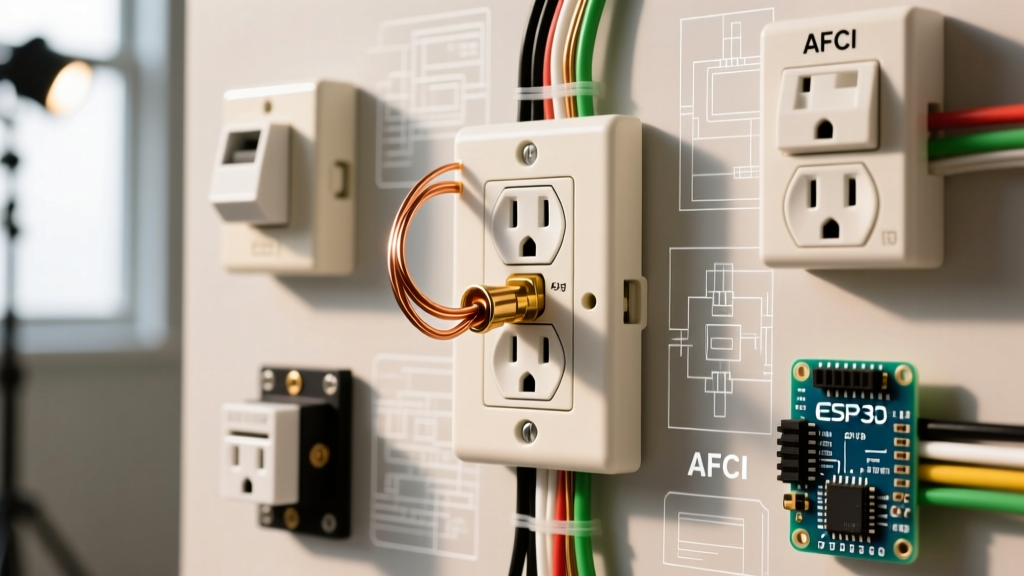
| AFCI (5-15R) | 15A / 125V | Test/Reset + Indicator LED | Bedrooms, living areas (arc protection) | High for older panels |
The Code Landscape: TR, GFCI, and AFCI Mandates
If you are replacing outlets in 2026, you must adhere to the latest adopted versions of the National Electrical Code (NEC). The National Fire Protection Association (NFPA) has progressively expanded the requirements for life-saving receptacle technologies over the last decade.
Tamper-Resistant (TR) Receptacles
Standard 15A and 20A receptacles must now be Tamper-Resistant (TR) in virtually all dwelling unit areas. TR outlets feature internal spring-loaded shutters that only open when equal pressure is applied to both slots simultaneously, preventing children from inserting foreign objects. When purchasing standard replacements, look for the 'TR' stamp on the face. A high-quality, contractor-grade option is the Leviton T5325-W 15A TR Duplex, which retails for about $2.50 to $3.50 per unit and offers superior brass strap durability over builder-grade alternatives.
GFCI and AFCI Expansions
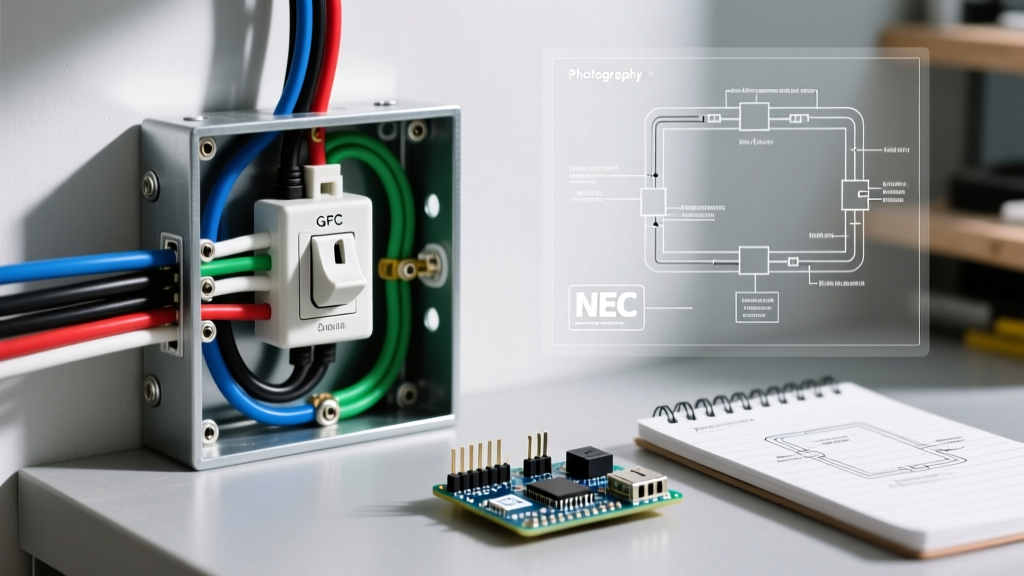
Ground Fault Circuit Interrupters (GFCIs) protect against lethal shock by detecting ground faults as small as 4 to 6 milliamps. According to the Electrical Safety Foundation International (ESFI), GFCIs have prevented thousands of electrocutions since their introduction. Current codes require GFCI protection in kitchens, bathrooms, garages, crawl spaces, basements, laundry areas, and outdoor locations. If your panel lacks GFCI circuit breakers, you must install GFCI receptacles at the first outlet in the branch circuit to protect downstream standard outlets.
The Hidden Danger of 'Backstab' Push-In Wiring
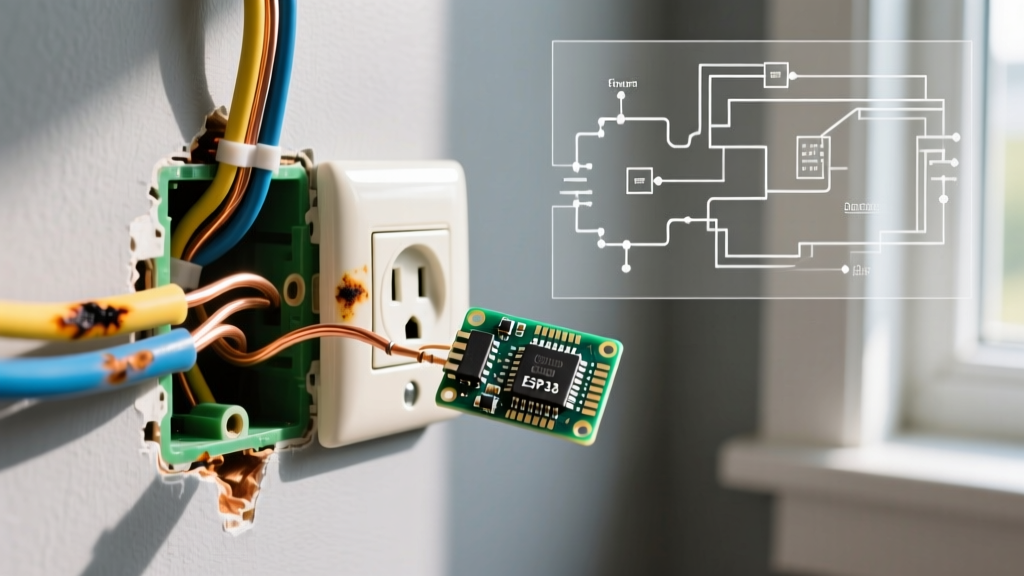
One of the most critical aspects of replacing electrical outlet types in the US is abandoning the 'backstab' push-in wiring method found on cheap, builder-grade receptacles. These internal friction clamps grip the wire but are notorious for loosening over time due to thermal expansion and contraction, leading to arcing, melted plastic, and electrical fires.
Expert Insight: Never use push-in backstab connectors on 14 AWG or 12 AWG solid copper wire for permanent installations. Always use the side-screw terminals or the screw-to-clamp plate mechanism found on commercial and spec-grade receptacles to ensure a gas-tight, reliable mechanical connection.
Material Costs: 2026 Market Pricing for Upgrades
Budgeting for a whole-home outlet upgrade requires understanding the price tiers between residential, commercial, and specialized receptacles. Below is a realistic pricing matrix based on current electrical distributor and big-box retail averages.
| Receptacle Type | Recommended Model | Avg. Price (Per Unit) | Best Application |
|---|---|---|---|
| 15A Standard TR Duplex | Leviton T5325-W (Spec Grade) | $2.50 - $3.50 | Living rooms, bedrooms, hallways |
| 20A TR Duplex | Eaton 5369-W (Commercial) | $4.00 - $5.50 | Kitchen backsplashes, dining rooms |
| 15A/20A GFCI TR | Leviton 8280-W (Self-Test) | $16.00 - $22.00 | Bathrooms, garages, exteriors |
| 15A Dual AFCI/TR | Eaton AFTR15W | $28.00 - $34.00 | Bedrooms (retrofitting older panels) |
| 15A USB-C/A Combo TR | Leviton T5635-W (Type-C 6A) | $22.00 - $28.00 | Kitchen islands, nightstands, desks |
The Professional Replacement Protocol
Follow this exact sequence to ensure a safe, code-compliant installation when upgrading your receptacles.
- Kill the Power and Verify: Turn off the breaker and use a non-contact voltage tester (like the Klein Tools NCVT-4IR) followed by a plug-in circuit tester to confirm zero voltage at the receptacle.
- Inspect the Box and Wires: Remove the old outlet. Check for melted insulation or scorched wires. If the wire insulation is brittle and cracks when bent, you must cut it back to healthy copper or call an electrician to re-run the cable.
- Strip to the Exact Gauge: Do not guess the strip length. Use the built-in wire gauge on the back of the new receptacle. For most modern Leviton and Eaton devices, 14 AWG and 12 AWG solid wires require exactly 3/4-inch of stripped insulation for side-wiring.
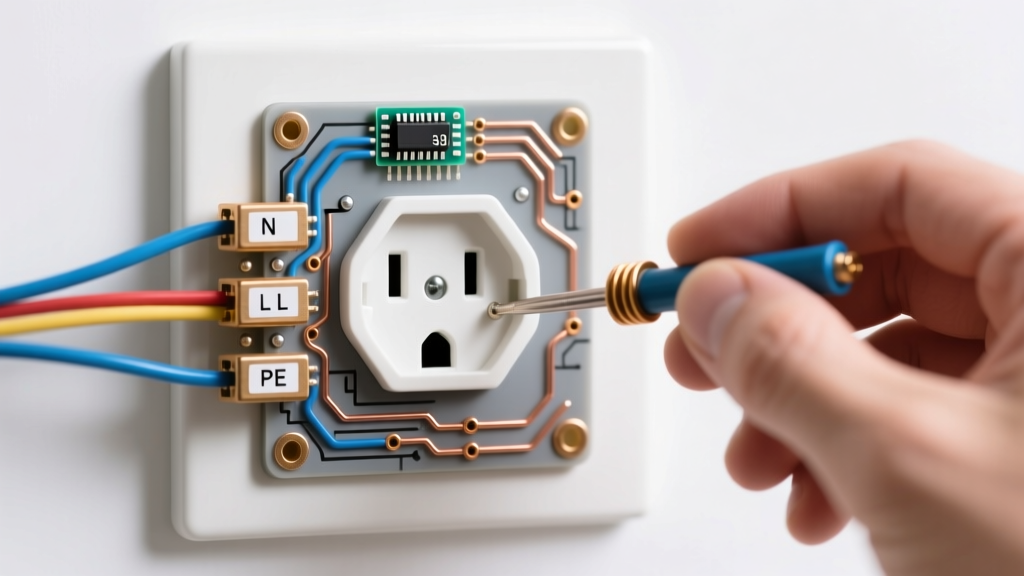
- Form the J-Hook: Using needle-nose pliers, bend the exposed copper into a 'J' hook. Loop it clockwise around the terminal screw. This ensures that as you tighten the screw, the hook is pulled tighter around the shaft rather than pushed out.
- Torque the Terminals: While residential codes often accept 'firmly tightened' screws, best practice (and commercial code) dictates using a torque screwdriver. Set it to 14 in-lbs for standard 10-32 brass terminal screws to prevent thread stripping or under-tightening.
- Identify Line vs. Load (GFCI Only): When installing a GFCI, the wires coming directly from the panel MUST connect to the 'LINE' terminals. Wires continuing to downstream outlets connect to 'LOAD'. Reversing these will leave the downstream outlets unprotected and cause the GFCI to trip immediately upon testing.
Next-Gen Upgrades: USB-C and Smart Receptacles
As we navigate 2026, the demand for integrated charging and smart home capabilities has surged. Replacing a standard nightstand or kitchen island outlet with a USB-C receptacle is a massive quality-of-life upgrade. The Leviton T5635-W features a 6-Amp USB-C port and a USB-A port, delivering up to 30W of shared power. This is sufficient to fast-charge modern smartphones and tablets without the need for bulky adapter bricks. Ensure the electrical box has adequate depth (at least 2.5 inches), as the internal power supply components make USB receptacles significantly deeper than standard duplex outlets.
Post-Installation Troubleshooting Matrix
Even experienced DIYers encounter issues after upgrading electrical outlet types in the US. Use this matrix to diagnose common post-installation failures.
| Symptom | Probable Root Cause | Corrective Action |
|---|---|---|
| GFCI trips immediately when reset | Line and Load wires are reversed, or a downstream neutral is touching ground. | Swap Line/Load connections. Check downstream boxes for pinched neutral wires. |
| Outlet has power, but circuit tester shows 'Open Ground' | Bare copper ground wire is not securely connected to the green grounding screw or metal box. | Ensure ground wire is looped around the green screw and bonded to a metal box via a grounding pigtail. |
| Receptacle face sits crooked or wobbles | Uneven drywall cutout or missing mounting screws on the metal/plural box. | Use a 'goof ring' (oversized faceplate) or install plastic shims behind the mounting ears to level the yoke. |
| 15A breaker trips when plugging in vacuum to 20A T-slot outlet | Receptacle was upgraded to 20A, but the circuit breaker and wire are only rated for 15A. | Danger: You cannot put a 20A receptacle on a 15A breaker unless it is a single-receptacle configuration. Downgrade to a 15A (NEMA 5-15R) receptacle immediately. |
Upgrading your home's receptacles is one of the highest-ROI safety improvements you can make. By selecting spec-grade, tamper-resistant models, adhering to proper side-wiring techniques, and respecting NEC mandates for GFCI and AFCI protection, you ensure your electrical system is robust, safe, and ready for the demands of modern living. For further safety guidelines regarding household electrical systems, always consult the Consumer Product Safety Commission (CPSC) resources before beginning complex panel or branch circuit modifications.