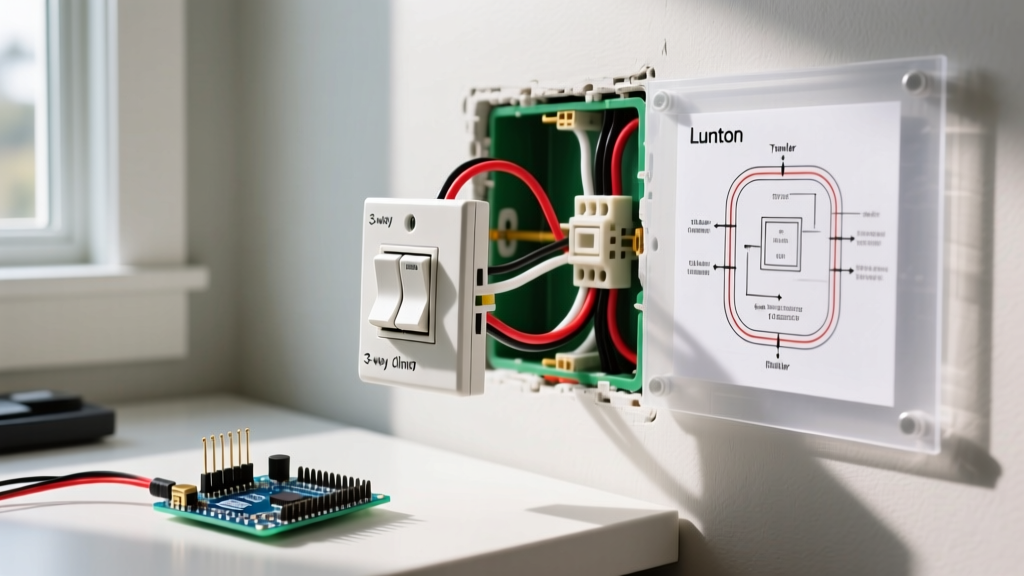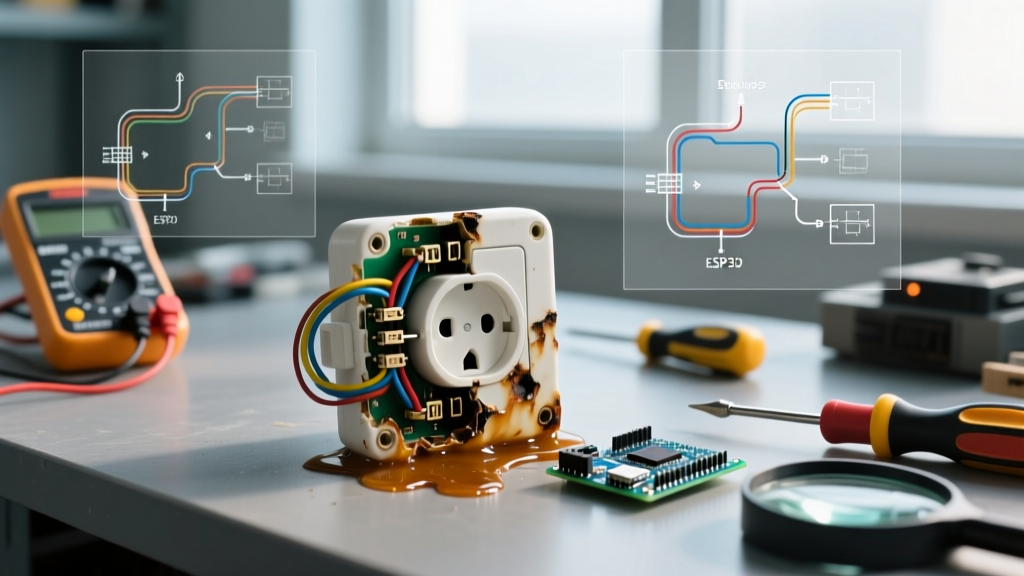

Diagnosing a dead Barcelona electrical outlet requires more than a standard US-style receptacle tester. Spain operates on a 230V/50Hz alternating current system governed by strict national codes, and the physical architecture of Catalan buildings introduces unique wiring anomalies. Whether you are an expat dealing with a tripped breaker in an Eixample apartment or a DIY enthusiast troubleshooting a damaged Type F Schuko socket, understanding the local electrical topology is critical for safety and compliance.
The Anatomy of a Barcelona Electrical Outlet
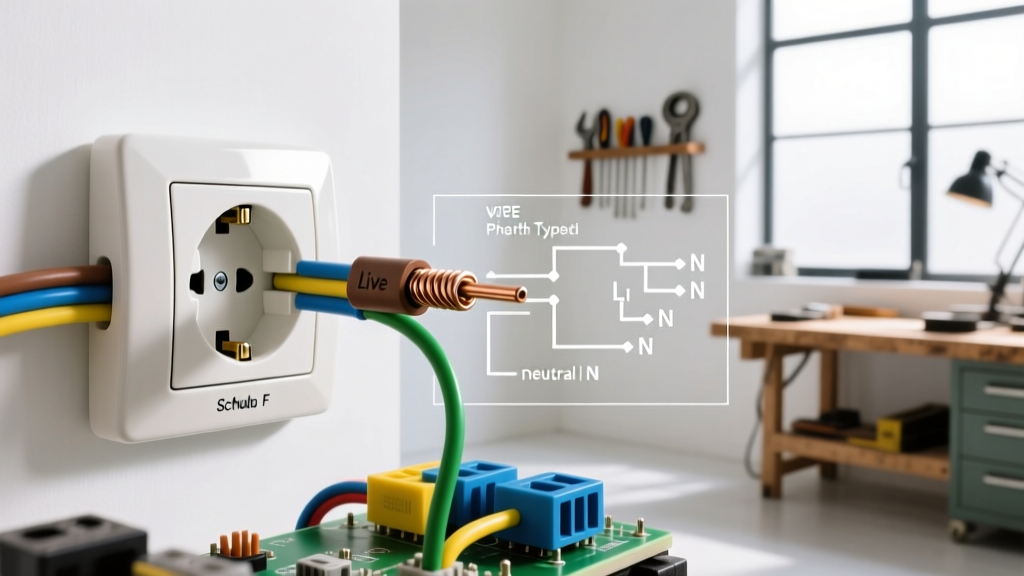
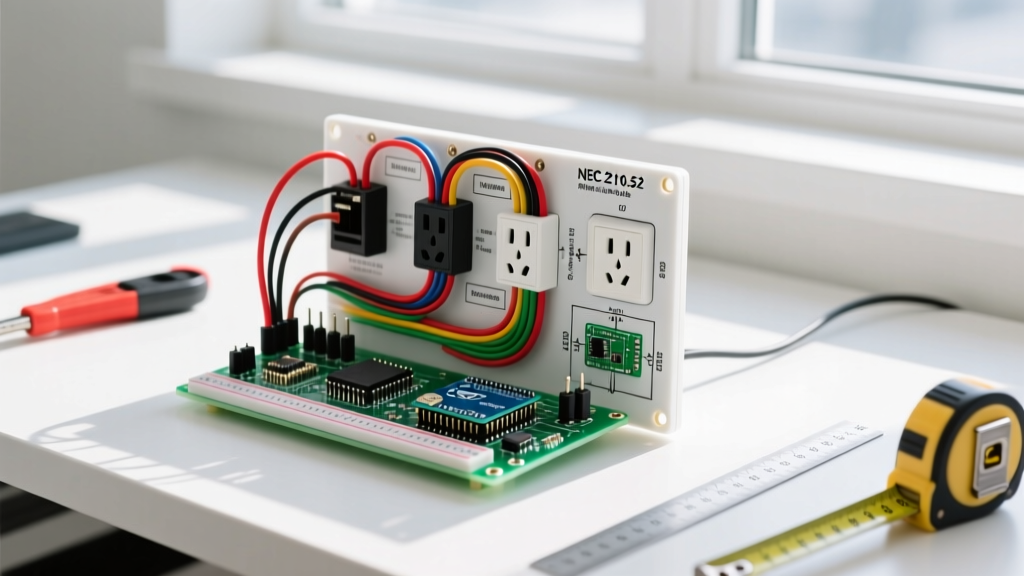
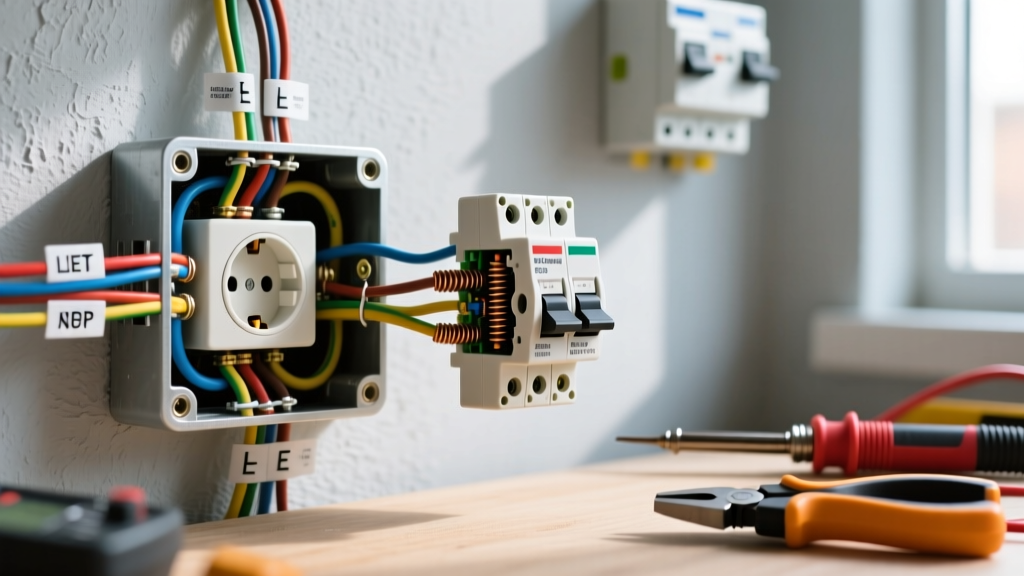
Barcelona utilizes the Type F (Schuko) and Type C (Europlug) standards. The standard wall receptacle is a recessed, round CEE 7/3 socket featuring two 4.8mm pins spaced 19mm apart, with dual grounding clips on the top and bottom edges. Unlike flush-mounted US NEMA 5-15R outlets, Spanish sockets are typically mounted in 65mm deep circular masonry boxes (cajas de mecanismo) and secured with M3 screws to a metal or plastic claw ring.
Under the Spanish Low Voltage Electrotechnical Regulation (REBT-ITC 19), standard 16A/20A socket circuits must be wired with a minimum of 2.5mm² copper conductors, protected by a 16A or 20A miniature circuit breaker. The wire color code strictly follows IEC 60446:
- Phase (Live): Brown (or Black/Gray for multi-phase)
- Neutral: Blue
- Earth (Ground): Green/Yellow striped
Decoding the Spanish Cuadro Eléctrico (Breaker Panel)
Before opening the outlet faceplate, you must diagnose the cuadro eléctrico. Spanish panels contain three distinct types of protection devices. Misidentifying a tripped breaker is the most common troubleshooting error for foreigners.
1. ICP (Interruptor de Control de Potencia)
The ICP is a power-limiting breaker unique to Spain. It is set to your contracted utility capacity (commonly 3.45kW, 4.6kW, or 5.75kW). If you run the oven, AC, and a hairdryer simultaneously, the ICP trips to prevent grid overload. Fix: Unplug high-draw appliances and manually reset the ICP switch.
2. ID (Interruptor Diferencial / RCD)
This is the Residual Current Device, typically rated at 30mA sensitivity. It trips when it detects a ground fault (current leaking to earth). If the ID trips, you have a short to ground, a faulty appliance, or moisture ingress in the outlet. Fix: Unplug all devices on the circuit, reset the ID, and plug devices back in one by one to isolate the fault.
3. PIA (Pequeño Interruptor Automático / MCB)
These are standard thermal-magnetic breakers protecting individual circuits from overcurrent and short circuits. A tripped PIA indicates either an overloaded socket strip or a dead short inside the wall wiring.
Step-by-Step 230V Diagnostic Protocol
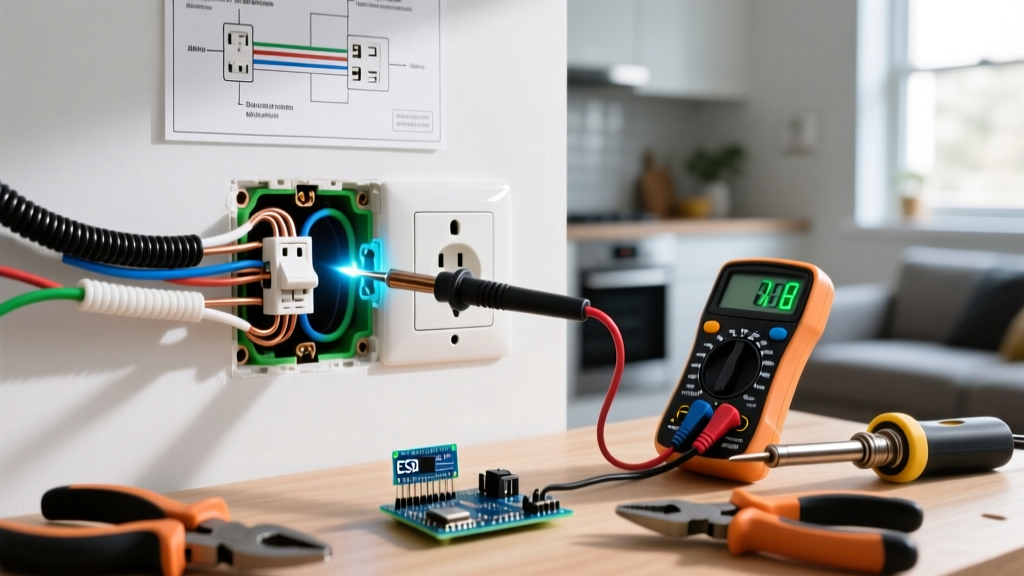
When troubleshooting a Barcelona electrical outlet that has power at the breaker but fails to power devices, follow this multimeter diagnostic sequence. Ensure your multimeter is CAT III rated for 600V minimum.
| Test Points | Expected Reading | Anomaly & Root Cause |
|---|---|---|
| Phase to Neutral | 220V - 240V | 0V: Open circuit (broken wire or loose terminal). <200V: Severe voltage drop or loose neutral at the panel. |
| Phase to Earth | 220V - 240V | 0V: Missing ground connection or broken earth wire. 110V: Floating neutral or high-resistance ground path. |
| Neutral to Earth | 0V - 2V | >5V: Overloaded neutral, shared neutral fault, or improper bonding at the main service entrance. |
Common Failure Modes in Catalan Architecture
The age and construction style of Barcelona buildings heavily dictate the type of outlet failures you will encounter.
The Eixample District Grounding Anomaly
Many finca regia buildings in the Eixample and Gràcia districts were built between 1890 and 1940, long before modern grounding standards. In the 1970s and 80s, retrofit electricians often 'bootlegged' the ground by tying the green/yellow wire to the building's galvanized steel water pipes. Today, as those pipes are replaced with non-conductive PVC, those outlets lose their ground entirely. If your Phase-to-Earth test reads 0V in an older building, do not attempt to bond it to a radiator; you must pull a new 2.5mm² earth wire back to the main equipotential bonding bar.
Mechanism Claw Slippage
Spanish faceplates (popular brands include Simon 82, Legrand Valena Life, and Schneider Electric Odace) rely on expansion claws that bite into the masonry box. Over time, the plaster degrades. When you plug in a stiff adapter, the entire mechanism pulls out of the wall, stretching the rigid 2.5mm² wires until the push-in or screw terminals snap. Always check for physical play in the faceplate before assuming an electrical fault.
⚠️ 230V Arc Flash Warning: Never pull a loaded plug from a Barcelona outlet while standing on a conductive surface (like wet terrazzo tile). A 230V arc flash can cause severe burns. Always switch off the PIA breaker at the panel before removing the faceplate screws.
Upgrading to Smart & USB-C Outlets
If you are replacing a damaged outlet, modern Spanish standards allow for integrated USB-C PD (Power Delivery) sockets. However, ensure the new mechanism fits the standard 65mm depth box. Many smart Wi-Fi outlets (like the Simon 100 iO series) require a minimum of 45mm of clearance behind the mechanism for the internal relay and antenna. If your wall box is shallow or packed with 2.5mm² wires, you will need to use a prolongador de caja (box extender ring) to achieve the necessary depth.
When to Call an Instalador Autorizado
Under Spanish law, any modification to the fixed electrical installation that alters the circuit topology or requires a new Boletín Eléctrico (Certificate of Electrical Installation) must be performed by a certified Instalador Autorizado en Baja Tensión.
Expect to pay the following market rates in Barcelona (as of 2026):
- Diagnostic Call-out Fee: €60 - €90
- Standard Socket Replacement (Labor): €40 - €70 per unit
- Pulling New Earth Wire (per meter): €25 - €40 (includes wall chasing and plaster repair)
- New Boletín Eléctrico (Certification): €150 - €250
Frequently Asked Questions
Can I use a Type C plug in a Type F Barcelona outlet?
Yes. The Type C (Europlug) is ungrounded and features 4mm pins. It is designed to fit perfectly into the recessed Type F Schuko socket. However, it will not have earth grounding, making it unsuitable for high-draw or metal-chassis appliances.
Why does my US hairdryer spark when plugged into a Barcelona adapter?
US hairdryers are typically rated for 120V/60Hz. Plugging a 120V device into a 230V Barcelona outlet will instantly double the current, causing the heating element to overheat, spark, and likely trip the 30mA ID (RCD) breaker in your panel. Always use a step-down voltage converter (not just a physical plug adapter) for 120V resistive loads.
Are push-in wire connectors legal in Spain?
Yes, push-in terminals (like WAGO 221 series or the built-in push-in clamps on modern Legrand mechanisms) are fully compliant with REBT regulations, provided they are rated for the correct wire gauge (up to 4mm² solid/stranded) and the correct voltage (450V minimum). They are increasingly preferred over screw terminals for their consistent clamping force and resistance to thermal loosening.