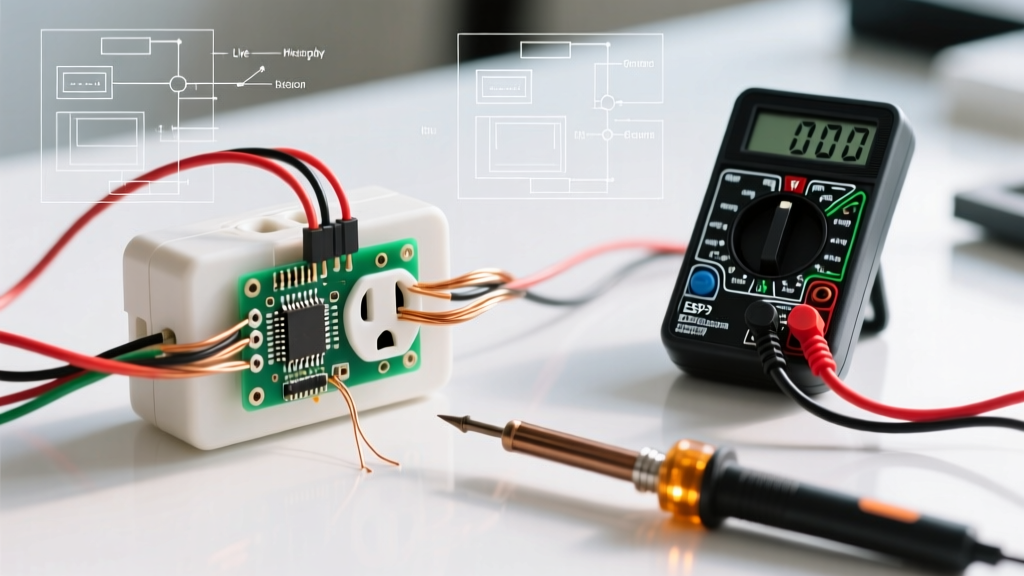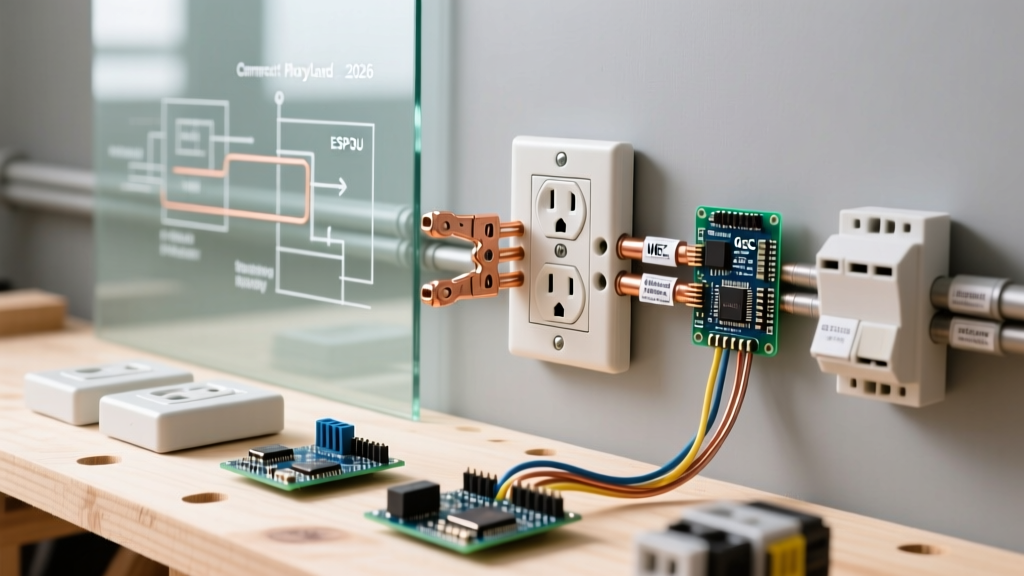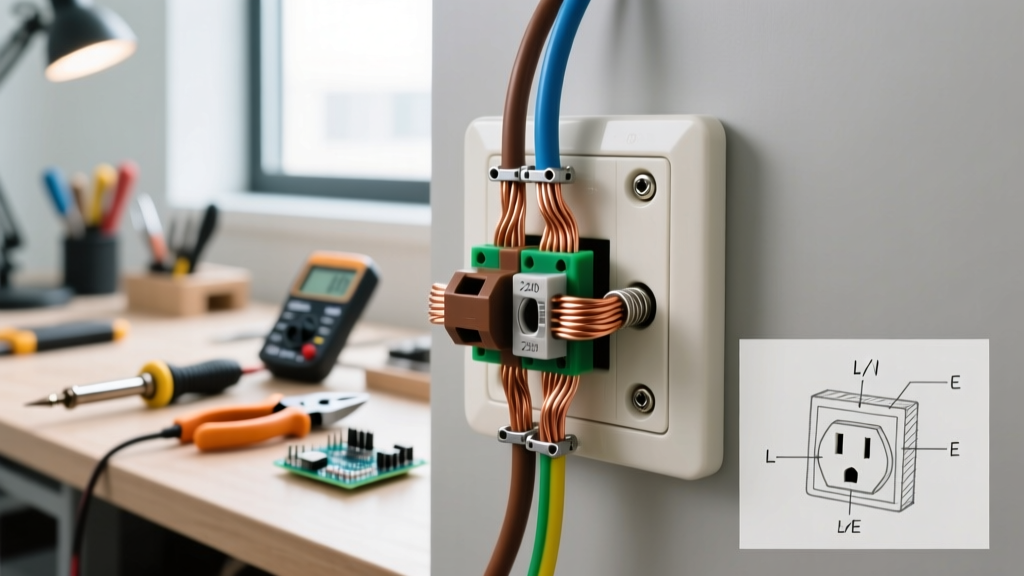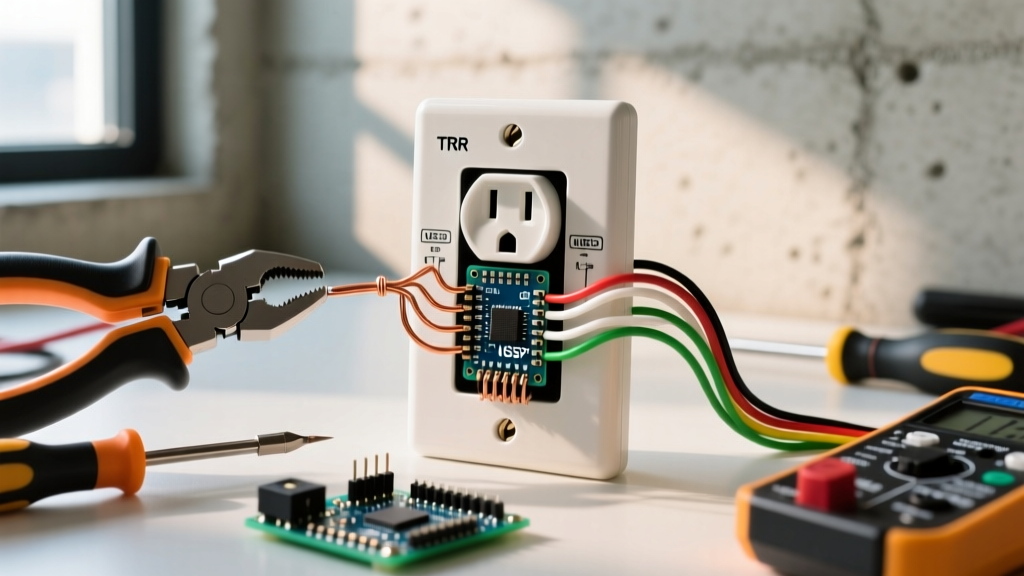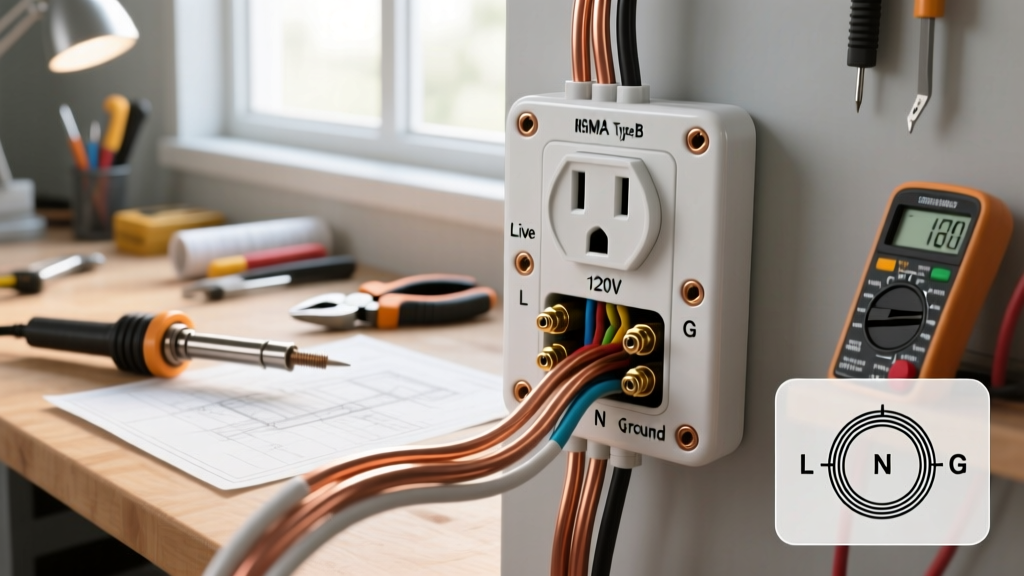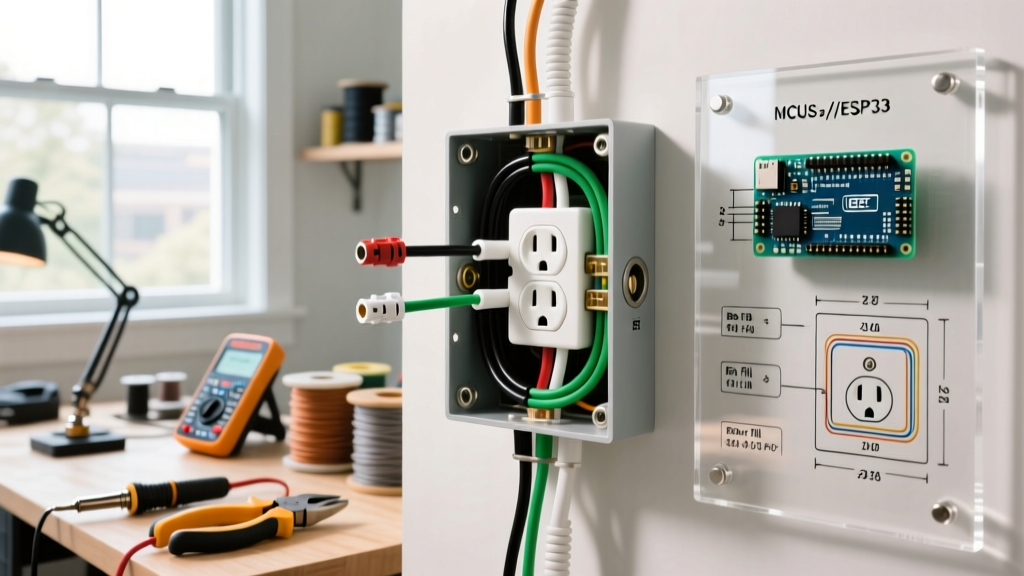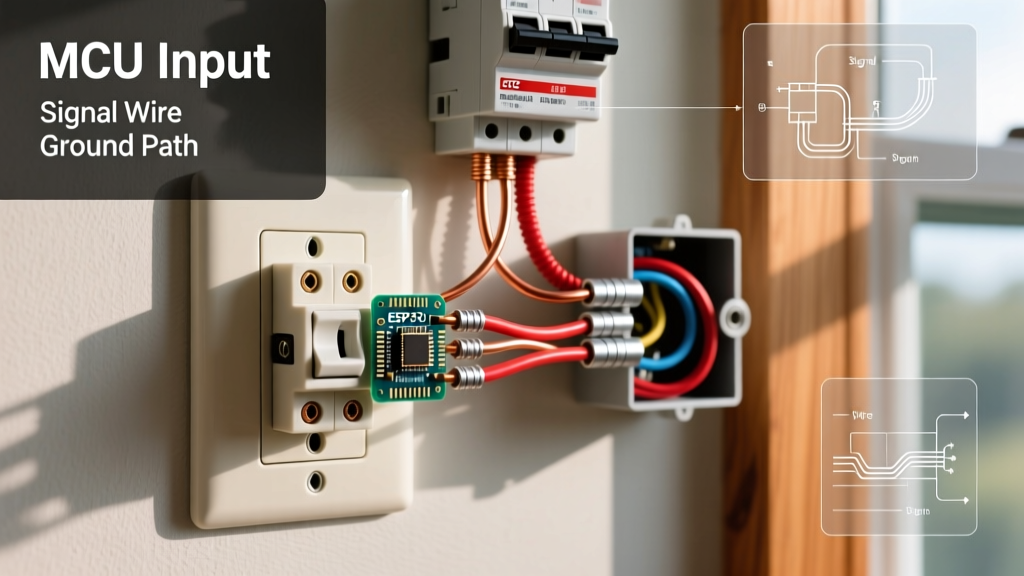

When an electrical outlet tripping your circuit breaker becomes a recurring issue, it is not merely an inconvenience; it is a critical warning sign of an underlying fault in your branch circuit. According to the National Fire Protection Association (NFPA), electrical failures or malfunctions account for roughly 24,000 home fires annually. Ignoring a tripping receptacle can lead to melted wire insulation, arc flashes, or severe property damage.
As of 2026, modern residential panels are equipped with highly sensitive AFCI (Arc Fault Circuit Interrupter) and GFCI (Ground Fault Circuit Interrupter) breakers that detect anomalies standard thermal-magnetic breakers from the 1990s would miss. This guide provides a deep-dive diagnostic protocol to isolate the exact failure mode, complete with multimeter testing procedures and hardware replacement specifics.
The Triage Matrix: Identifying the Trip Type
Before removing the faceplate, observe the breaker's behavior. The physical position of the breaker handle and the speed of the trip provide immediate diagnostic clues.
| Symptom / Breaker Behavior | Handle Position | Primary Suspect | Immediate Action |
|---|---|---|---|
| Trips instantly upon plugging in a device or flipping a switch. | Hard to reset; snaps back immediately. | Dead Short Circuit (Hot-to-Neutral or Hot-to-Ground). | Leave off. Do not force reset. |
| Trips after 5 to 30 minutes of use. | Moves to middle (tripped) position. | Circuit Overload (Thermal trip). | Unplug high-draw appliances. |
| Trips randomly, even with low-draw devices (e.g., phone charger). | Moves to middle or trips via GFCI/AFCI test button. | Ground Fault Leakage or Arc Fault. | Test downstream receptacles. |
| Breaker feels loose, hot to the touch, or buzzes before tripping. | Wobbles or fails to latch fully. | Mechanical Breaker Failure or Loose Busbar Connection. | Call an electrician immediately. |
1. Circuit Overload: Exceeding the 80% Continuous Rule
The most common cause of an electrical outlet tripping the breaker is a simple overload, but DIYers often miscalculate the actual continuous load limits. The National Electrical Code (NEC) mandates that continuous loads (operating for 3 hours or more) must not exceed 80% of the breaker's rating.
- 15-Amp Circuit (14 AWG wire): Maximum continuous load is 12 Amps (1,440 Watts at 120V).
- 20-Amp Circuit (12 AWG wire): Maximum continuous load is 16 Amps (1,920 Watts at 120V).
Real-World Scenario: Plugging a 1,500W ceramic space heater and a 300W desktop gaming PC into the same 15A bedroom circuit totals 1,800W (15 Amps). While this won't trip a breaker instantly, the bimetallic strip inside the breaker will heat up and trigger a thermal trip after 20-40 minutes. Fix: Map your panel to identify which outlets share the circuit, and redistribute high-draw appliances to a dedicated 20A appliance circuit.
2. Short Circuits: Hot-to-Neutral or Hot-to-Ground
A short circuit occurs when the ungrounded (hot) conductor makes direct contact with the grounded (neutral) or grounding conductor. This bypasses the load, creating a massive surge of current that triggers the breaker's magnetic trip mechanism in milliseconds.
Common Failure Points in the Receptacle Box
- Overcrowded Junction Boxes: Cramming five 12 AWG wires into a standard 18-cubic-inch box can pinch wire insulation against the metal grounding strap of the receptacle.
- Backstabbed Connections: Push-in (backwire) connectors on cheap $1.50 builder-grade receptacles rely on a tiny internal brass spring. Over time, thermal expansion and contraction can cause the wire to slip, arc, and eventually melt the insulation, creating a hot-to-ground short.
- Strand Splay: When stripping 14 AWG wire, a single stray copper strand wrapping around the hot terminal screw and touching the grounding yoke will cause an immediate dead short.
3. Ground Faults and GFCI Nuisance Tripping
If your electrical outlet is tripping a GFCI breaker (or a downstream GFCI receptacle), the issue is current leakage. According to the UL 943 standard, GFCI devices are designed to trip when they detect a ground-fault leakage current of 5 milliamps (mA) ± 1mA.
Expert Insight: Aging appliances with degraded internal insulation (like older refrigerators or outdoor fountain pumps) often leak 2-3mA. If you have two such appliances on the same GFCI-protected circuit, their combined leakage can cross the 5mA threshold, causing 'nuisance tripping' even though no single device is faulty.
Fix: Isolate the loads. If the tripping stops when a specific appliance is unplugged, the appliance is the culprit. If the GFCI receptacle itself trips with absolutely nothing plugged in, the internal sensing coil has degraded, or moisture has infiltrated the line terminals. Replace it with a weather-resistant (WR) model like the Leviton SmartlockPro GFNT2-W (approx. $28).
4. Arc Faults (AFCI) and Shared Neutrals
AFCI breakers monitor the circuit for high-frequency electrical signatures caused by arcing. An electrical outlet tripping an AFCI breaker is often caused by loose terminal connections, damaged wire insulation from drywall screws, or a wiring configuration error known as a Shared Neutral.
In older Multi-Wire Branch Circuits (MWBC), two hot wires share a single neutral wire. If the neutral wires are not properly pigtailed together in the box, and instead are daisy-chained through the receptacle's neutral tab, the AFCI breaker will detect an imbalance between the hot and neutral current and trip immediately upon applying a load. Fix: Remove the receptacle, wire-nut the incoming and outgoing neutrals together with a 6-inch pigtail, and connect only the pigtail to the receptacle's neutral terminal.
5. Mechanical Failure: Receptacles and Breakers
Hardware simply wears out. The U.S. Consumer Product Safety Commission (CPSC) warns against using receptacles that no longer firmly grip plug prongs. When the internal brass contacts lose their tension, the resulting micro-arcing generates immense heat, which can travel up the wire and trip the breaker's thermal sensor.
Similarly, circuit breakers have a mechanical lifespan. Repeatedly using a Square D QO or Eaton BR breaker as a daily light switch degrades the internal toggle spring. If the breaker handle feels 'mushy' or fails to snap crisply into the ON position, the internal contacts are likely pitted and generating excess resistance heat.
Step-by-Step Multimeter Diagnosis Protocol
To definitively diagnose a dead short or ground fault, you need a True-RMS digital multimeter (e.g., Fluke 117, ~$190). Never work on live circuits.
- De-energize and Verify: Turn off the main breaker or the specific branch breaker. Use a non-contact voltage tester (NCVT) and the multimeter to confirm 0V between Hot-Neutral and Hot-Ground.
- Disconnect the Load: Unplug all devices from the circuit. Remove the suspect receptacle from the wall box and disconnect all wires. Cap the bare ground wires temporarily.
- Test for Continuity (Short Circuit): Set the multimeter to the Ohms (Ω) / Continuity setting. Place one probe on the disconnected Hot (black) wire and the other on the Neutral (white) wire.
- Reading of OL (Over Limit): Good. No short circuit.
- Reading of 0.00 Ω to 2.0 Ω: You have a dead short somewhere in the wiring run or a downstream receptacle.
- Test for Ground Fault: Place one probe on the Hot wire and the other on the bare Ground wire. A reading near 0 Ω indicates a hot-to-ground fault.
- Inspect and Torque: If the wiring tests clean, the receptacle is the failure point. Install a new Tamper-Resistant (TR) receptacle. Per NEC 110.14(D), use a calibrated torque screwdriver set to the manufacturer's specification (typically 14 in-lbs for standard 15A/20A receptacles) to secure the side-wire terminal screws.
2026 Replacement Cost & Hardware Guide
If diagnosis confirms hardware failure, use commercial-grade components. Builder-grade receptacles cost pennies more but fail years earlier.
| Component | Recommended Model | Est. Retail Price (2026) | Use Case |
|---|---|---|---|
| Standard 15A TR Receptacle | Leviton T5252 (Commercial Grade) | $3.50 - $4.25 | General bedroom/living room replacement. |
| 20A GFCI Receptacle | Eaton GFNT2-20A / Leviton GFTNL | $28.00 - $34.00 | Kitchens, bathrooms, garages (NEC required). |
| 15A/20A AFCI Breaker | Square D HOM120CAF / Eaton BR120AF | $45.00 - $55.00 | Bedrooms, living areas (Panel dependent). |
| Torque Screwdriver | Wiha 28504 (10-50 in-lbs) | $65.00 - $80.00 | Mandatory for NEC compliant terminations. |
| Professional Electrician Rate | Licensed Journeyman (Diagnostic + Fix) | $135 - $185 / hour | Call if MWBC or panel-level faults are suspected. |
Diagnosing an electrical outlet tripping your breaker requires methodical elimination of overloads, shorts, and ground faults. By utilizing a True-RMS multimeter, adhering to torque specifications, and understanding the distinct behaviors of AFCI and GFCI technologies, you can safely restore your circuit and ensure your home's electrical infrastructure remains compliant and secure.