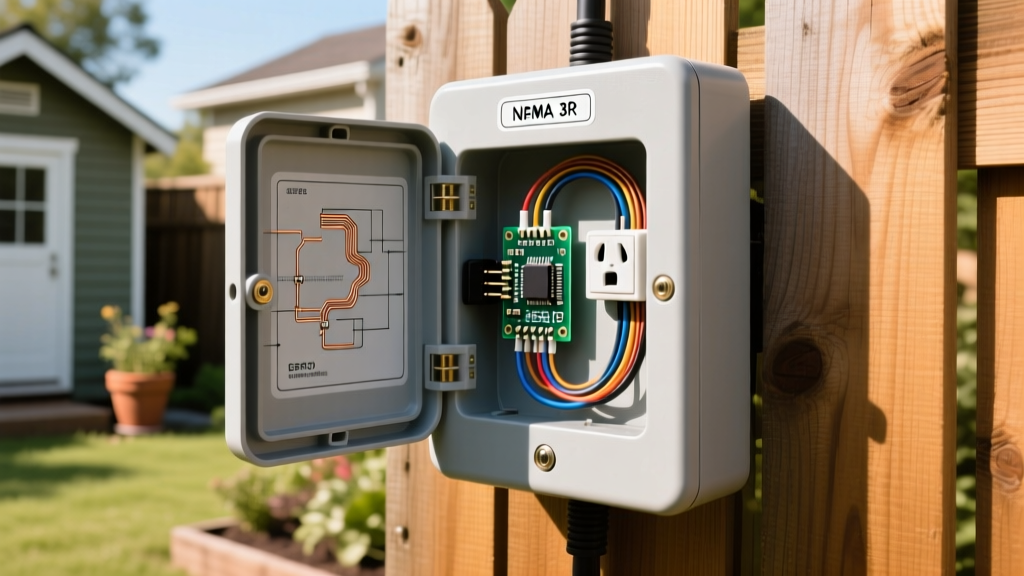

When installing an outdoor electric outlet box, navigating the National Electrical Code (NEC) can feel like deciphering a foreign language. Yet, compliance isn't just about passing municipal inspections—it is the critical barrier between a functional exterior power setup and a fatal ground fault or catastrophic electrical fire. As of the latest NEC adoptions rolling into 2026, the requirements for exterior receptacles have tightened, specifically regarding weatherproof enclosures, ground-fault protection, and conduit sealing.
Core NEC Mandates for Your Outdoor Electric Outlet Box
The foundation of exterior electrical safety rests on two primary NEC articles: Article 406 (Receptacles, Cord Connectors, and Attachment Plugs) and Article 314 (Outlet, Device, Pull, and Junction Boxes). Understanding the distinction between 'damp' and 'wet' locations is the first hurdle in selecting the correct outdoor electric outlet box.
Defining Wet vs. Damp Locations
Under NEC Article 100, a wet location is an area exposed to weather, saturation with water, or unprotected exterior environments. A damp location is protected from weather but still subject to moderate moisture (e.g., under a covered porch or deep eave). This distinction dictates the exact enclosure and cover you must use.
GFCI Protection: The Non-Negotiable Baseline
Under NEC Section 210.8(A)(3), all 15-amp and 20-amp, 125-volt and 250-volt receptacles installed outdoors must have Ground-Fault Circuit Interrupter (GFCI) protection. This applies to every accessible outdoor receptacle, including those on balconies, decks, and rooftops. In modern 2026 installations, inspectors increasingly mandate Class A GFCI protection (which trips at 4 to 6 milliamps of ground-fault leakage) at the circuit breaker panel via dual-function (AFCI/GFCI) breakers, especially for circuits feeding outdoor HVAC equipment or smart-home exterior devices.
Weatherproof Enclosure Standards and NEMA Ratings
Your outdoor electric outlet box must be listed for use in wet or damp locations per NEC 314.15. To ensure compliance, electrical manufacturers utilize National Electrical Manufacturers Association (NEMA) ratings. Choosing the wrong NEMA rating is a frequent cause of failed inspections and premature corrosion.
| NEMA Rating | Protection Level | Best Application | Average Cost (2026) |
|---|---|---|---|
| NEMA 3R | Rain tight; protects against falling dirt and dripping water. | Covered patios, deep eaves (Damp Locations). | $9 - $18 |
| NEMA 4 | Watertight; protects against splashing water and hose-directed water. | Exposed exterior walls, gardens, driveways (Wet Locations). | $22 - $35 |
| NEMA 4X | Watertight and corrosion-resistant (typically fiberglass or coated aluminum). | Coastal areas, salt-air environments, chemical wash-down zones. | $38 - $65 |
The 'Extra-Duty' In-Use Cover Mandate
One of the most heavily enforced codes for outdoor receptacles is NEC 406.9(B)(1). If your outdoor electric outlet box is installed in a wet location, it must be fitted with an 'extra-duty' weatherproof cover. Commonly known as an 'in-use' or 'bubble' cover, this enclosure must accommodate a plugged-in cord cap without compromising the seal.
Inspector Tip: Standard flat, flip-lid weatherproof covers are strictly prohibited in wet locations where a cord will be left plugged in (e.g., holiday lighting, pond pumps, or outdoor security cameras). You must use an extra-duty cover like the TayMac MM410C or Hubbell-Bryant WP7010, which typically retail between $14 and $28.
Material Selection: Die-Cast Aluminum vs. Non-Metallic PVC
When selecting the actual junction or device box, you generally have two code-compliant paths:
- Non-Metallic (PVC/Polycarbonate): Boxes like the Carlon E989RR ($11-$16) are inherently corrosion-proof and feature integrated threaded hubs. They are ideal for mounting to wood or vinyl siding and pair perfectly with PVC conduit runs.
- Die-Cast Aluminum: Heavy-duty boxes from brands like Hubbell or TayMac ($25-$45) offer superior physical impact resistance and heat dissipation. However, they require careful grounding. If using metallic conduit, the box must be bonded to the equipment grounding conductor.
Warning for Coastal Installations
If you are wiring an outdoor electric outlet box within 5 miles of a coastline, standard die-cast aluminum will suffer from galvanic corrosion and white-oxide flaking within 18 months. Code requires you to use NEMA 4X rated non-metallic boxes or specially coated marine-grade aluminum enclosures.
Conduit Sealing and the Drip Loop Mandate
Even the most expensive NEMA 4X outdoor electric outlet box will fail if the conduit entries are not properly sealed. NEC 300.7(A) requires that raceways exposed to different temperatures be sealed to prevent moisture from condensing inside the conduit and migrating into the panel or box.
- Use Duct Seal, Not Silicone: Inspectors routinely reject clear silicone caulk for sealing conduit knockouts. Silicone degrades under UV exposure and shrinks over time. Instead, use a UL-listed duct seal compound (e.g., Gardner Bender DSC-110, approx. $6 per 5oz stick). It remains pliable, waterproof, and easily removable for future wire pulling.
- The Drip Loop: While not explicitly defined by a single NEC article, the 'drip loop' is a universal industry standard derived from NEC 110.12 (Mechanical Execution of Work). Any flexible cord or conduit entering the top of an outdoor box must droop below the entry point before rising to its anchor, ensuring water drips off the low point rather than running directly into the enclosure hub.
Common Code Violations Inspectors Flag Immediately
To save yourself the cost of a failed inspection and a mandatory rework, avoid these frequent outdoor electric outlet box violations:
- Unsealed Knockouts: Leaving unused conduit knockouts open on the bottom or sides of a cast aluminum box. All unused openings must be sealed with threaded metal or PVC closure plugs.
- Missing Grounding Pigtails: Failing to bond the metal weatherproof box to the circuit's equipment grounding conductor using a green grounding screw and a 12 AWG copper pigtail.
- Improper Mounting Surfaces: Mounting an exterior box directly to flammable materials without a thermal barrier, or failing to use exterior-grade, hot-dipped galvanized or stainless steel fasteners (standard zinc screws will rust and fail structural integrity within two seasons).
Frequently Asked Questions (FAQ)
Can I use an indoor dry-location box if I put a weatherproof cover over it?
No. NEC 314.15 explicitly mandates that boxes installed in damp or wet locations must be listed for that specific environment. Indoor dry-location boxes lack the UV stabilizers, gasketed mating surfaces, and corrosion-resistant threading required for exterior use.
Do outdoor receptacles require a dedicated circuit?
The NEC does not strictly require a dedicated circuit for standard 15A/20A outdoor receptacles; they can share a circuit with indoor lighting or other general-use receptacles. However, if the outdoor electric outlet box is intended for high-draw equipment (like an EV charger, hot tub, or heavy-duty snow-melting equipment), a dedicated circuit with appropriate ampacity and GFCI/AFCI protection is mandatory.
What is the maximum height for an outdoor receptacle?
The NEC does not specify a maximum height for standard outdoor receptacles, but they must be 'readily accessible' (NEC Article 100). Practically, most jurisdictions and the ADA (for commercial properties) expect them to be mounted between 15 inches and 48 inches above grade. For residential snow-prone areas, mounting the box at least 18 to 24 inches above grade is highly recommended to prevent burial and water ingress from snowmelt.
For the most current and comprehensive code text, always consult the NFPA 70 National Electrical Code and review local amendments. For practical field applications and inspector perspectives, resources like Electrical Contractor Magazine's code columns and the U.S. Consumer Product Safety Commission (CPSC) provide invaluable guidance on GFCI safety and outdoor electrical fire prevention.