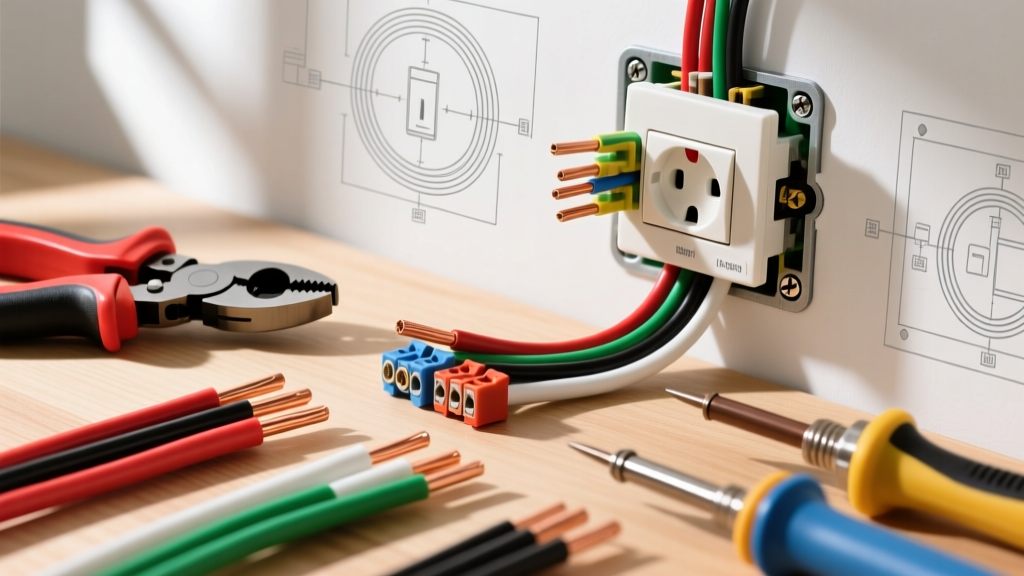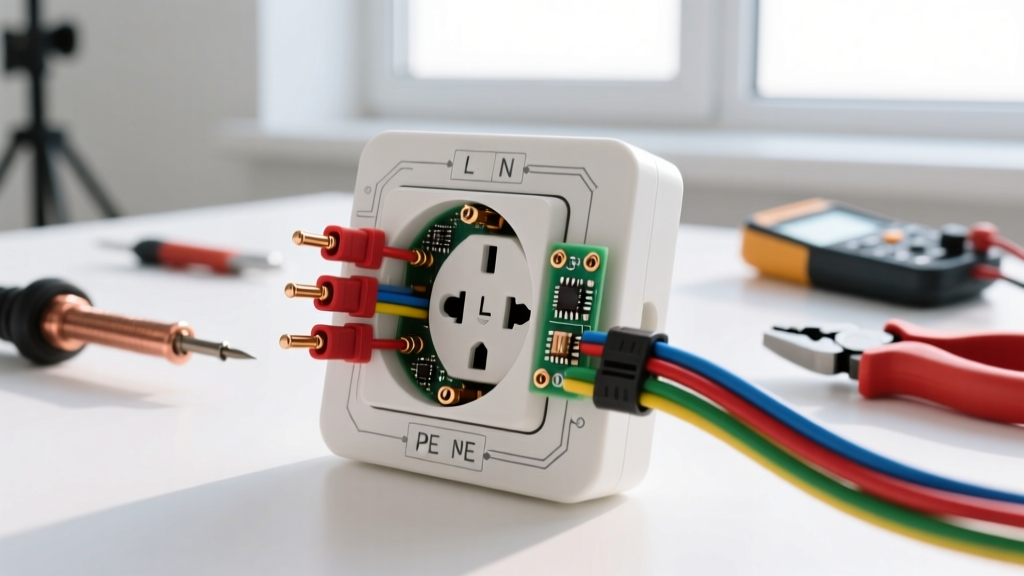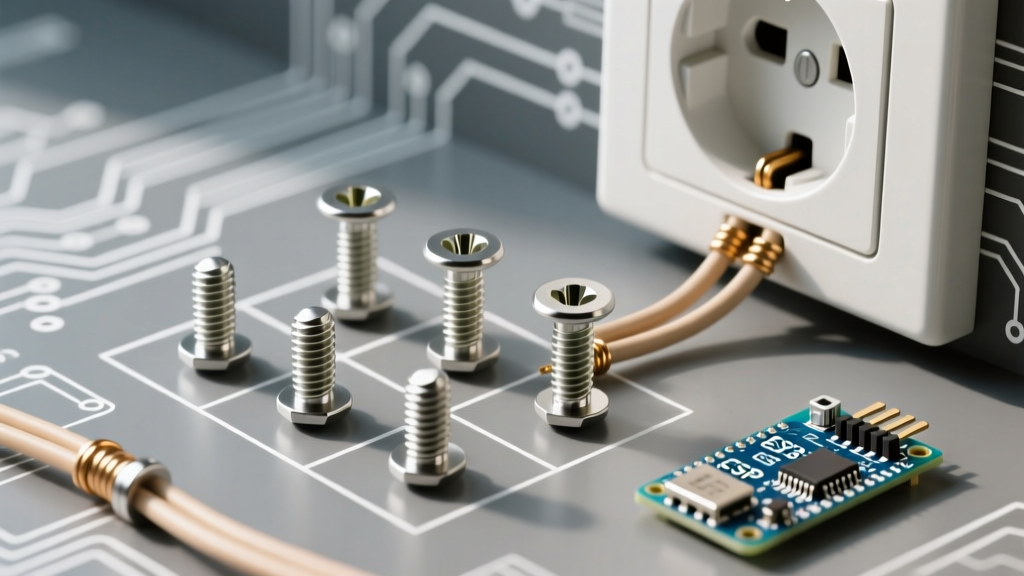

The Critical Role of Hardware in Outlet Upgrades
When upgrading standard receptacles to GFCIs, AFCIs, or smart outlets, most DIYers and even some apprentice electricians focus entirely on wire gauge and circuit capacity. However, one of the most common points of failure during an upgrade involves a seemingly insignificant component: the hardware. Knowing the exact electrical outlet screws size is not just a matter of convenience; it is a strict requirement for National Electrical Code (NEC) compliance and long-term fire safety. Using the wrong thread pitch, length, or material can result in loose connections, arcing, or a receptacle that pulls out of the wall when you unplug a heavy appliance.
This comprehensive upgrade and replacement guide breaks down the precise dimensions, thread counts, and torque specifications you need for modern electrical projects in 2026. Whether you are dealing with standard 15A duplex receptacles or deep-body smart switches, understanding your hardware is non-negotiable.
The Two Distinct Types of Outlet Screws
To specify the correct electrical outlet screws size, you must first distinguish between the two completely different screw systems on a standard NEMA 5-15R receptacle. Confusing these two is the primary cause of stripped junction boxes and loose terminal connections.
1. Mounting Screws (Yoke to Box)
These screws secure the metal yoke (the strap) of the receptacle to the threaded ears of the electrical junction box or plaster ring. They bear the mechanical load of the outlet and any physical force applied when plugging or unplugging devices.
2. Terminal Screws (Wire to Receptacle)
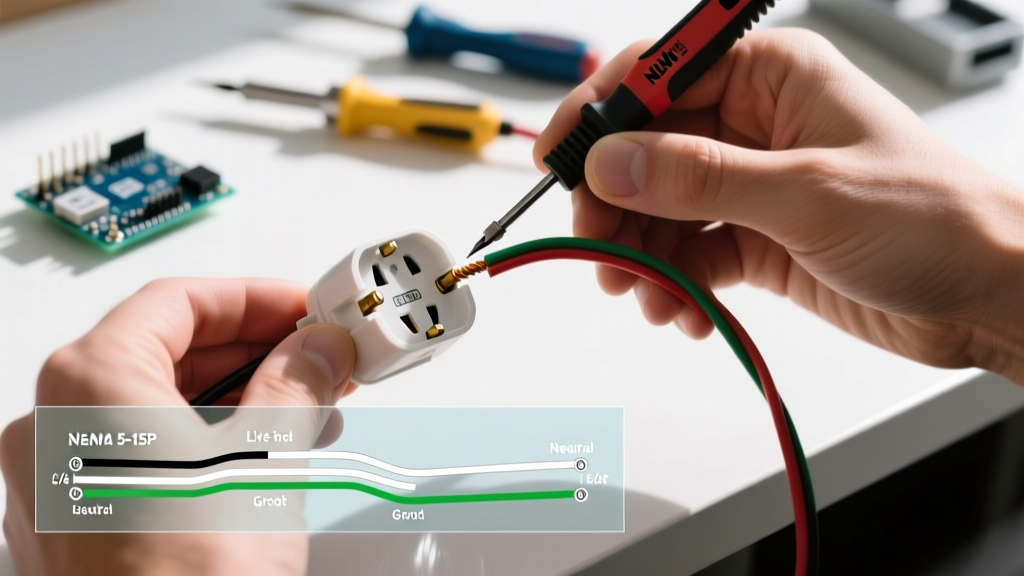
These screws secure the copper wire to the brass (hot), silver (neutral), and green (ground) terminals on the receptacle body. They bear the electrical load and must maintain exact clamping pressure to prevent resistance heating.
Standard Electrical Outlet Screws Size Chart
The following matrix details the Unified National Coarse (UNC) thread standards mandated by the National Electrical Manufacturers Association (NEMA) for standard residential and commercial wiring devices.
| Screw Function | Standard Thread Size | Threads Per Inch (TPI) | Major Diameter | Standard Drive Type |
|---|---|---|---|---|
| Mounting (Box to Yoke) | 6-32 UNC | 32 | 0.138 inches | #2 Phillips / 1/4" Slotted |
| Terminal (Hot/Neutral) | 8-32 UNC | 32 | 0.164 inches | #2 Square (Robertson) / Slotted |
| Ground (Receptacle) | 8-32 UNC or 10-32 UNC | 32 | 0.164" or 0.190" | #2 Square / #2 Phillips |
| Cover Plate | 6-32 UNC | 32 | 0.138 inches | #2 Phillips / 1/4" Slotted |
Mounting Screw Lengths: Navigating Box Depth and Wall Thickness
While the 6-32 thread diameter is universal for standard US junction boxes, the length of the mounting screw varies drastically based on your wall construction and the specific device you are installing. Standard receptacles come with 1-inch screws, but upgrades often require longer hardware.
- 1-Inch Screws: Used for standard 15A/20A receptacles mounted directly to standard-depth metal or plastic boxes (approx. 1.5 inches deep) in standard 1/2-inch drywall.
- 1.5-Inch Screws: Required when installing deeper devices like GFCIs (which require more box volume) or when using standard mud rings that sit slightly proud of the stud.
- 2-Inch to 2.5-Inch Screws: Essential for tile installations, plaster walls with plaster rings, or when using box extenders (like the Arlington Industries BE1) to bring a recessed box flush with the wall surface.
Edge Case: Deep-Body Smart Outlets
Modern smart receptacles, such as the Leviton Decora Smart DW15R or Enbrighten Z-Wave outlets, feature massive internal electronics, pushing the device depth to 1.8 inches or more. If your existing junction box is shallow, you may need to use a box extender. When a box extender is added, the distance from the box's threaded mounting ear to the receptacle yoke increases. Always measure the gap before installation; attempting to use a standard 1-inch screw through a 1/2-inch extender will result in only 1/2-inch of thread engagement, which violates NEC safety margins and will strip under mechanical stress.
Terminal Screws and the NEC Torque Mandate
The most critical update in recent NEC cycles (specifically NEC 110.14(D)) mandates the use of calibrated torque tools for terminal connections. You can no longer rely on the "turn it until it feels tight" method. The electrical outlet screws size for terminals (8-32 UNC) is designed to withstand specific clamping forces.
NEC Code Warning: According to the National Fire Protection Association (NFPA), terminals must be tightened to the manufacturer's specified torque using a calibrated instrument. For standard 15A and 20A receptacles (e.g., Hubbell 5262 or Leviton 5262-A), the specified torque for 8-32 terminal screws is typically 14 inch-pounds (in-lbs).
Over-torquing an 8-32 terminal screw can strip the brass threads or crush the copper wire, reducing its cross-sectional area and creating a high-resistance hot spot. Under-torquing allows the wire to loosen over time due to thermal expansion and contraction cycles, leading to arcing and potential fires.
Troubleshooting Stripped Junction Box Taps
During an upgrade, you may encounter a stripped 6-32 threaded hole on a metal junction box or plaster ring. This is a common failure mode in older homes where previous installers over-tightened screws or cross-threaded them. Do not simply stuff a larger screw into the hole, as this can damage the internal wiring insulation.
The Professional Repair Workflow
- Assess the Damage: Remove the stripped screw and inspect the ear. If the metal is bent or cracked, the box must be replaced or a steel mending plate (box repair bracket) must be installed.
- Re-Tap the Hole: If the ear is intact, use a 6-32 bottoming tap with a T-handle to chase the threads. Apply cutting oil and turn clockwise, backing off every half-turn to break the chip.
- Upgrade to 8-32 (If Necessary): If the 6-32 threads are completely destroyed, drill the hole out using a #29 drill bit (0.136 inches) and re-tap the hole to 8-32 UNC. You can then use an 8-32 mounting screw to secure the receptacle. The NEMA WD-6 standard allows for 8-32 mounting screws on standard yokes, as the mounting holes are slotted and oversized to accommodate both 6-32 and 8-32 hardware.
Material and Coating: Why Zinc-Plated Steel is Standard
When purchasing replacement hardware, you will notice most electrical screws are zinc-plated steel. This is not an arbitrary choice. Zinc provides a sacrificial anode layer that prevents the underlying steel from rusting, which is crucial in humid environments like bathrooms or exterior walls.
Warning on Drywall Screws: Never use black phosphate drywall screws to mount an outlet. Drywall screws are made of brittle, hardened steel with a coarse, self-tapping thread. They are not rated for the shear strength required to hold a receptacle, they will snap under the torque of a screwdriver, and their sharp threads can easily slice through wire insulation inside a crowded box. Always use machine screws with a flat or blunt tip and a 6-32 UNC thread.
Stainless Steel and Brass Alternatives
For coastal installations where salt spray causes rapid galvanic corrosion, upgrading to 18-8 stainless steel 6-32 mounting screws is highly recommended. However, be aware of galvanic corrosion if pairing stainless steel directly with certain dissimilar metals in damp boxes; applying a dielectric grease or anti-seize compound to the threads before installation will prevent the screws from seizing permanently into the box ears.
Frequently Asked Questions (FAQ)
Can I use a 10-32 screw to mount a standard outlet to a metal box?
No. Standard metal junction boxes and plaster rings are pre-tapped for 6-32 UNC threads. A 10-32 screw (commonly used for grounding to the box itself) is too thick and will destroy the 6-32 threads if forced, ruining the box ear. Always use 6-32 for mounting the yoke.
Why do some receptacles have combination Phillips/Slotted screws while others have Square (Robertson) drives?
Square drive (Robertson) screws are heavily preferred by professional electricians because the bit cams out less frequently, allowing for faster, higher-torque driving without stripping the screw head. Combination heads are provided on consumer-grade receptacles to accommodate standard household screwdriver sets.
What size screw is used for the ground wire on a metal junction box?
When bonding a bare copper ground wire directly to a metal junction box (rather than to the receptacle's green screw), you must use a 10-32 UNC grounding screw. The NEC requires this specific size to ensure adequate thread engagement and mechanical strength for the grounding path. The box will have a pre-tapped, raised bump specifically for this 10-32 screw.
Final Upgrade Checklist
Before closing up your wall after an outlet upgrade, verify the following:
- Mounting screws are 6-32 UNC, fully engaged (minimum 3 full threads inside the box ear), and the yoke is flush with the wall.
- Terminal screws (8-32 UNC) are torqued to 14 in-lbs using a calibrated torque screwdriver.
- No drywall screws or improper hardware are present in the junction box.
- The ground wire is securely terminated under the green 8-32/10-32 screw with no exposed copper outside the terminal washer.
By respecting the precise electrical outlet screws size and adhering to modern torque specifications, your 2026 upgrades will remain safe, code-compliant, and mechanically sound for decades.