
Navigating Portuguese Electrical Standards: A Comprehensive Guide
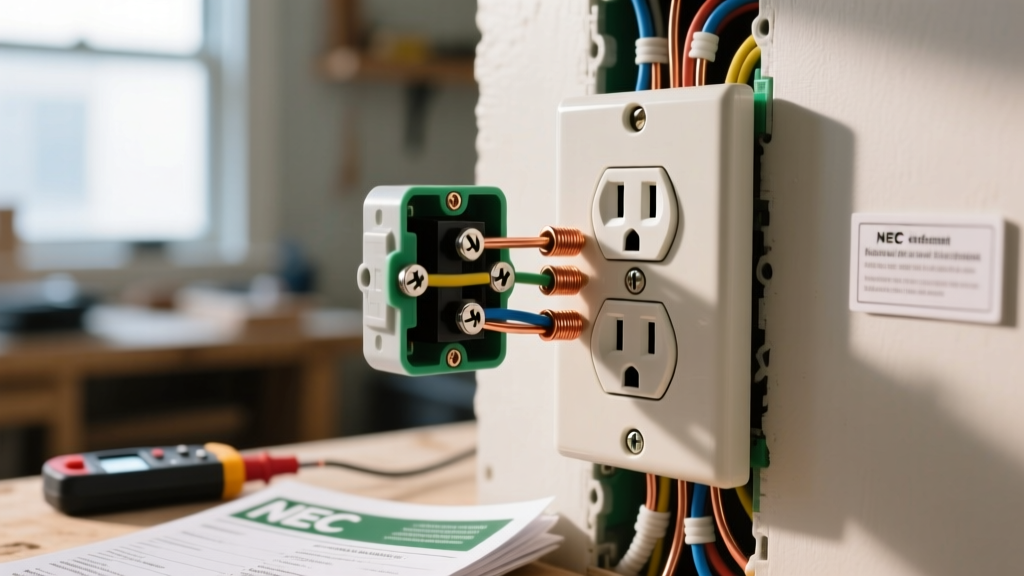
Whether you are renovating a historic apartment in Lisbon, upgrading a vacation villa in the Algarve, or simply replacing a damaged receptacle, understanding the specific requirements for an electrical outlet Portugal installation is critical for safety and compliance. Portugal operates on a 230V supply voltage and 50Hz frequency, utilizing the Type F (Schuko) socket standard. Unlike North American systems that rely on 120V and NEMA configurations, European wiring demands strict adherence to metric wire gauges, harmonized color codes, and VDE-certified tooling.
This guide provides electricians, advanced DIYers, and expat homeowners with the exact tools, materials, and regulatory knowledge required to wire, replace, and upgrade Portuguese electrical outlets safely in 2026.
Understanding the Type F (Schuko) Outlet Standard
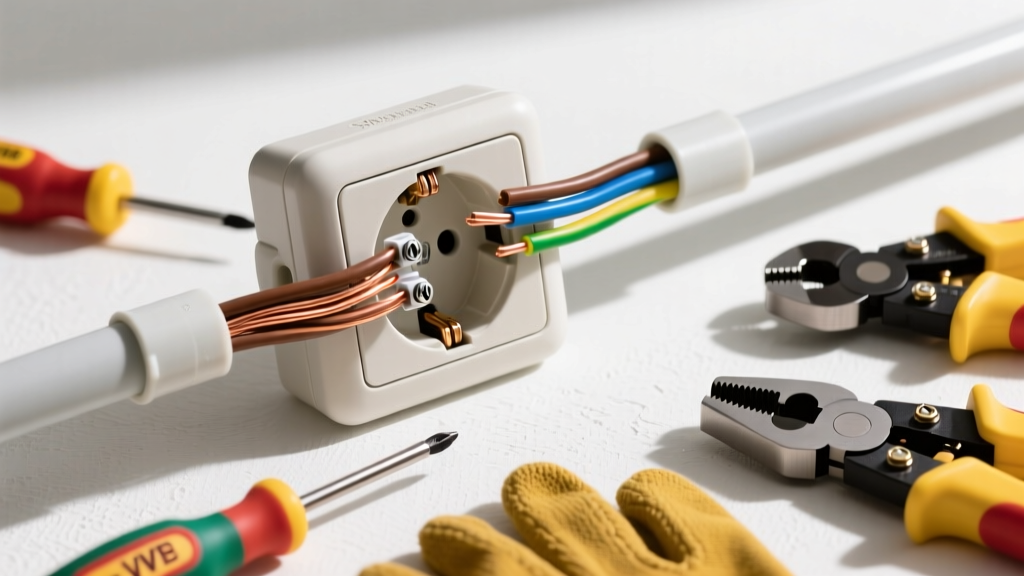
Portugal uses the Type F electrical outlet, commonly known as the Schuko (from the German Schutzkontakt). Officially designated as CEE 7/3 (the socket) and CEE 7/4 (the plug), this system is rated for 16 Amps at 230V.
- Grounding Mechanism: Unlike the UK's Type G (which uses a dedicated earth pin), the Schuko socket features two earthing clips on the top and bottom edges of the recessed circular housing.
- Recessed Design: The socket is recessed by approximately 15mm to ensure that the earth connection is made before the live pins engage, preventing shock hazards if a user touches the prongs during insertion.
- Compatibility: Type F sockets also accept Type C (Europlug) flat pins for low-draw, ungrounded appliances like phone chargers, but Type C sockets should never be installed as permanent wall outlets for general use.
Essential VDE-Certified Tools for the Job
Working on a 230V European mains supply requires tools rated for at least 1000V. In Portugal, professional electricians adhere to strict safety norms, meaning standard hardware store tools are insufficient and potentially lethal. Look for the VDE certification mark (Verband der Elektrotechnik) on all hand tools.
1. Voltage Testing & Verification
Before touching any terminal, you must verify the circuit is dead. The Fluke T5-1000 Electrical Tester (approx. €165) is the industry standard. It measures up to 1000V AC and features a non-contact voltage detection tip, which is invaluable when working with older Portuguese masonry walls where wire routing can be unpredictable.
2. Wire Stripping & Preparation
European solid-core wire requires precise stripping to avoid nicking the copper, which can cause hot spots. The Knipex ErgoStrip 16 95 01 SB (approx. €45) is a VDE-insulated tool that effortlessly strips 1.5mm² and 2.5mm² metric wire without damaging the conductor.
3. Terminal Screwdrivers
Schuko terminals require tight, secure connections to handle 16A continuous loads. A VDE-insulated Pozidriv and Slotted screwdriver set, such as the Wera Kraftform Plus VDE Series (approx. €35 for a 7-piece set), ensures insulated protection up to 1000V and provides the exact torque transfer needed for brass terminal screws.
Material Sourcing: Wires, Backboxes, and Receptacles
Sourcing the correct materials in Portugal requires understanding the metric system and European harmonized cable standards. You will not find AWG (American Wire Gauge) wire at local suppliers like Leroy Merlin or specialized electrical distributors like EFAPEL or Soprel.
Wire Gauges and Applications
Portuguese wiring utilizes the H07V-U (solid copper core) or H07V-K (stranded flexible core) PVC-insulated cables. For standard 16A wall outlets, 2.5mm² wire is mandatory.
| Metric Size (mm²) | Approx. AWG Equivalent | Max Breaker Size (Type C) | Primary Application in Portugal |
|---|---|---|---|
| 1.5 mm² | 16 AWG | 10A - 16A | Lighting circuits, smart switches |
| 2.5 mm² | 14 AWG | 16A - 20A | Standard Schuko wall outlets (16A) |
| 4.0 mm² | 12 AWG | 20A - 25A | High-draw appliances (ovens, AC units) |
| 6.0 mm² | 10 AWG | 32A - 40A | Electric vehicle chargers, main sub-panels |
Flush-Mount Backboxes (Caixas de Visita)
The standard European flush-mount backbox used in Portuguese drywall and masonry is the 68mm diameter box (often referred to as a Kaiser box or standard EU drywall box). When cutting into plasterboard (Pladur), use a 68mm hole saw. For solid brick or concrete walls common in older Portuguese builds, you will need a rotary hammer drill with a 68mm masonry core bit, followed by embedding a plastic or metal masonry box using plaster or quick-set cement.
EU Harmonized Wiring Color Codes
Since the harmonization of European electrical standards (HD 308 S2), Portugal strictly enforces the following color codes for single-phase 230V circuits. Note: Buildings wired prior to 2006 may feature legacy colors (e.g., Black for Phase, Grey for Neutral), so always test with a multimeter.
- Phase / Live (L): Brown
- Neutral (N): Blue
- Protective Earth (PE): Green and Yellow striped
Safety Warning: Never assume the previous installer followed the color code. In older Portuguese properties, it is common to find improvised wiring. Always use a CAT III rated multimeter or voltage tester to confirm the Phase and Neutral conductors before making connections.
Step-by-Step Schuko Outlet Wiring Procedure
- Isolate the Circuit: Turn off the corresponding 16A or 20A disjuntor (circuit breaker) at the main distribution board (Quadro Elétrico).
- Verify Zero Energy: Insert the Fluke T5-1000 into the existing socket slots and confirm 0V. Test between Phase/Neutral, Phase/Earth, and Neutral/Earth.
- Prepare the Wires: Strip exactly 12mm of insulation from the 2.5mm² Brown, Blue, and Green/Yellow wires using the Knipex ErgoStrip.
- Connect Earth (PE): Insert the Green/Yellow wire into the central earth terminal of the Schuko mechanism. This terminal connects to the two side grounding clips. Tighten securely.
- Connect Neutral (N) and Phase (L): Insert the Blue wire into the terminal marked 'N' and the Brown wire into the terminal marked 'L'. Note: While Schuko plugs are reversible, maintaining consistent L/N polarity across the property is best practice for modern smart home devices and surge protectors.
- Mount the Mechanism: Carefully fold the wires into the 68mm backbox using a zig-zag pattern to avoid pinching. Secure the mechanism to the box using the two M3.5 mounting screws, ensuring the claw grips (if used) do not pierce the wire insulation.
- Attach the Faceplate: Snap on the decorative faceplate (e.g., Legrand Valena Life or EFAPEL Logus 90 series).
2026 Smart Home Upgrades: Behind-the-Socket Relays
A massive trend in Portuguese renovations is integrating smart energy monitoring without altering the aesthetic of heritage homes. Because standard 68mm EU backboxes are relatively deep (40mm to 60mm), they easily accommodate Wi-Fi/Z-Wave micro-relays behind the Schuko socket.
The Shelly Plus 1PM (approx. €18) is highly popular in Portugal. It fits behind the outlet mechanism, requires a 2.5mm² Phase and Neutral pigtail, and allows homeowners to monitor the exact energy consumption of appliances (like space heaters or dehumidifiers used during damp Portuguese winters) via a smartphone app. Ensure your backbox depth is at least 50mm to safely house both the relay and the thick 2.5mm² wires without overcrowding.
Regulatory Compliance: DGEG and the CIE Certificate
In Portugal, electrical installations are governed by the RTIEEB (Regulamento Técnico de Instalações Elétricas de Baixa Tensão). If you are doing a full renovation or installing new circuits, the work must be inspected and certified.
Upon completion, an approved inspection body (such as CERTIF or Qualielectric) will test the installation, including earth loop impedance and RCD (Residual Current Device) trip times. They will then issue the CIE (Certificado de Instalação Elétrica). This document is legally required to connect the property to the national grid via E-Redes, or to activate a contract with retail energy providers like EDP or Galp. While replacing a single broken outlet does not require a new CIE, adding new outlet circuits to a kitchen or bathroom absolutely does.
Testing Earth Continuity
According to IEC standards for Type F plugs, the earth connection is paramount. Portuguese inspectors will use an Earth Loop Impedance tester to ensure that in the event of a fault, enough current will flow to trip the 16A breaker instantly, or that the 30mA differential switch (Interruptor Diferencial) at the main board trips within 40 milliseconds. Ensure your earth wire connections are torqued correctly to pass this inspection.
Troubleshooting Common Schuko Wiring Faults
- Tripping RCDs (Diferenciais): If plugging in an appliance trips the main 30mA RCD but not the individual breaker, you likely have a Neutral-to-Earth fault. This often happens if the bare earth wire accidentally brushes against the stripped neutral terminal inside a cramped 40mm backbox.
- Loose Claw Mounts: Many cheap outlet mechanisms rely solely on metal expansion claws to grip the inside of the 68mm box. In solid masonry walls, these can slip over time, causing the outlet to pull out when unplugging a stiff cord. Always use the direct screw-mount holes (M3.5) provided on standard EU boxes for a permanent fix.
- Thermal Degradation: If you notice brown scorch marks inside an older Portuguese ceramic or cheap plastic socket, it indicates high resistance due to loose terminal screws. Upgrade immediately to premium brands like Legrand, Schneider Electric, or EFAPEL, which use high-grade brass terminals and PC (polycarbonate) fire-retardant housings.
By utilizing VDE-rated tools, respecting the 2.5mm² metric wire standards, and adhering to Portuguese RTIEEB regulations, you can ensure your electrical outlet installations are safe, compliant, and built to last.