
The Hidden Diagnostic Value of the Electrical Outlet Plate
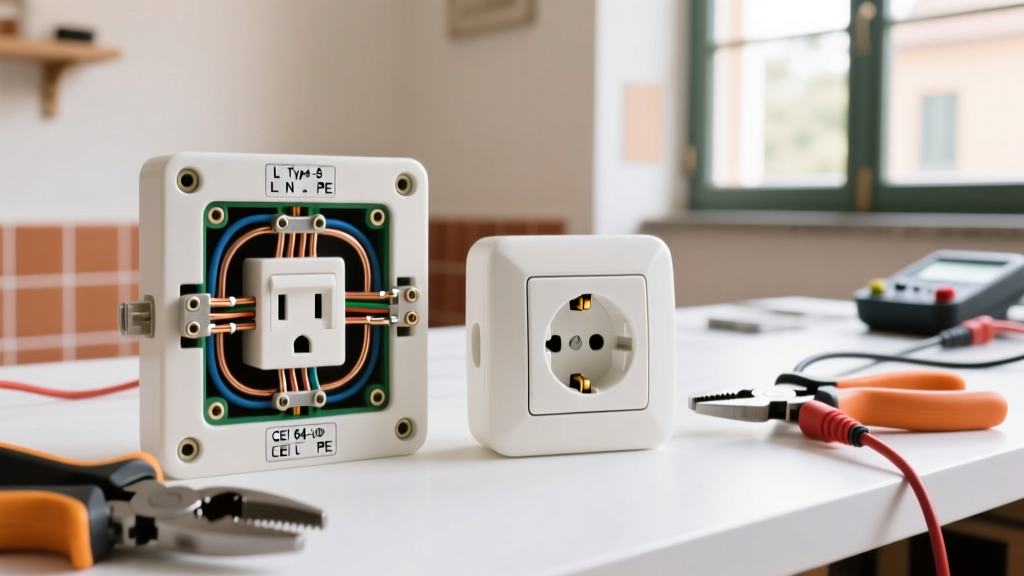
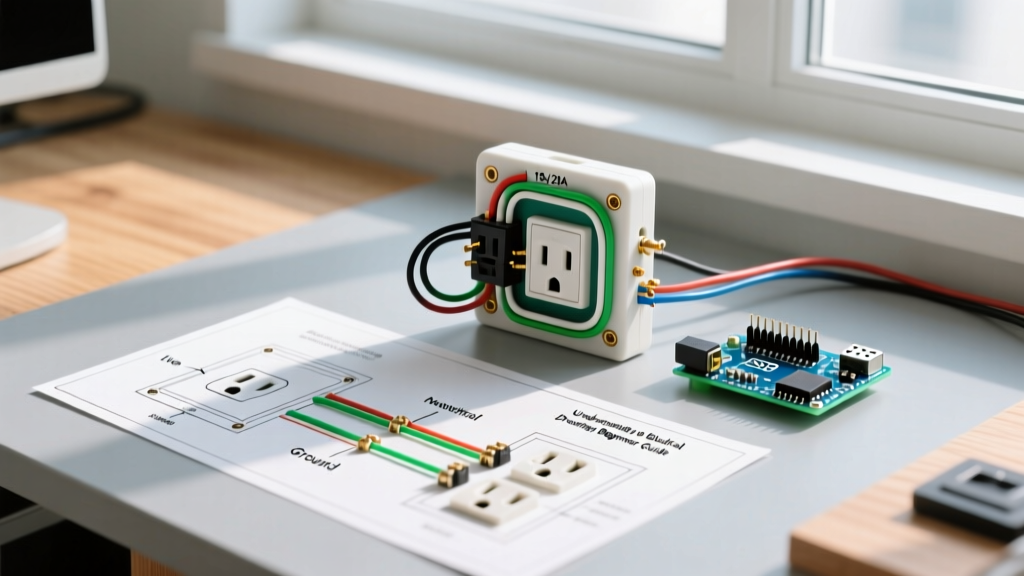
Most homeowners and even some junior electricians view the electrical outlet plate as a mere cosmetic cover. In reality, this component is your first line of defense against arc flashes, dust ingress, and accidental contact with live terminals. More importantly, the plate serves as a critical diagnostic window into the health of the receptacle and wiring behind the wall. As of 2026, with residential electrical loads increasing due to EV chargers and smart home hubs, the thermal and physical stress on these components is higher than ever.
According to the U.S. Consumer Product Safety Commission (CPSC), electrical receptacles are involved in over 5,000 residential fires annually. Many of these fires originate from high-resistance connections that degrade over time, generating heat that eventually compromises the receptacle yoke and the cover plate itself. This inspection and testing guide will teach you how to evaluate an electrical outlet plate for material degradation, thermal anomalies, and strict National Electrical Code (NEC) compliance.
Material Science: What Your Plate is Made Of
Before inspecting, you must identify the material of the electrical outlet plate. Different polymers and metals react differently to heat, UV exposure, and mechanical stress. Understanding the material dictates your inspection criteria.
| Material | Common Brands/Models | Impact Resistance | UV & Heat Stability | Avg. Cost (2026) |
|---|---|---|---|---|
| Thermoset (Urea-Formaldehyde) | Leviton Standard Series | Low (Brittle) | Excellent (High heat tolerance) | $0.85 - $1.25 |
| Nylon (Polyamide) | Leviton Decora Plus | High (Flexible) | Poor (Yellows/degrades in UV) | $1.50 - $2.50 |
| Polycarbonate | Pass & Seymour Trademaster | Very High | Good | $2.00 - $3.50 |
| Stainless Steel / Cast Metal | Legrand Radiance Metal | Extreme | Excellent | $4.50 - $9.00 |
Inspection Insight: Thermoset plates are notorious for developing micro-fractures around the screw holes if the installer overtightened the mounting screws. Nylon plates, while impact-resistant, can suffer from plasticizer loss over decades, making them brittle. If you are inspecting a commercial building with metal plates, grounding continuity becomes a mandatory test parameter.
Visual & Physical Inspection Checklist
A proper visual inspection goes beyond looking for obvious cracks. You are looking for signs of dielectric breakdown and mechanical failure.
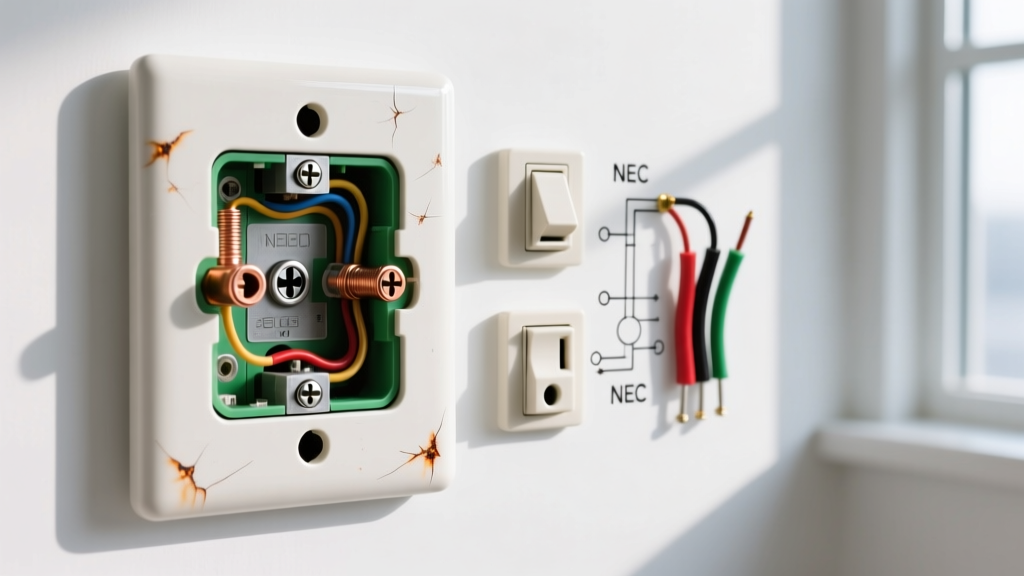
- Carbon Tracking: Look for faint brown or black spider-web lines radiating from the receptacle slots or screw terminals. This indicates 'tracking,' where dust and moisture create a conductive path across the plate's surface, leading to surface arcing.
- Screw Hole Deformation: Remove the mounting screws. Inspect the countersink area. If the plate is thermoset and shows hairline cracks, it must be replaced. A cracked plate cannot maintain the necessary clamping force to keep the receptacle flush against the wall.
- Paint Seepage: In older homes, painters often tape over or paint directly onto the plate. Paint seeping into the receptacle slots can flake off inside, creating combustible dust or interfering with the plug's grounding prong contact.
- Flex Testing: Gently press the center of the plate. If it bows inward more than 1/16th of an inch, the underlying plaster ring is missing, or the drywall cutout was made too large, leaving the plate unsupported.
Thermal Imaging: Seeing Behind the Plate
The most advanced diagnostic technique for an electrical outlet plate is infrared thermography. A failing backstabbed connection or a loose terminal screw on the receptacle will generate significant heat. Because the plate covers the yoke, it acts as a thermal radiator, displaying the heat signature of the failing connection behind it.
Step-by-Step Thermal Testing Protocol
- Load the Circuit: Plug a high-draw resistive load into the receptacle (e.g., a 1500W space heater or a 12A hair dryer). Let it run for exactly 15 minutes to allow thermal equilibrium to be reached.
- Establish a Baseline: Using a thermal camera like the FLIR C5 (approx. $599 in 2026) or a Seek Thermal Compact, scan an adjacent, unloaded wall surface to establish the ambient wall temperature.
- Scan the Plate: Scan the surface of the loaded electrical outlet plate. Focus on the areas directly above and below the receptacle slots where the terminal screws are located.
- Analyze Delta T: Calculate the temperature difference (Delta T) between the plate's hot spot and the ambient wall.
Expert Rule of Thumb: A Delta T greater than 15°C (27°F) on the surface of the plate indicates a severe high-resistance connection behind the wall. This requires immediate de-energization and termination repair.
NEC Compliance & Gap Tolerances
The physical installation of the electrical outlet plate is governed by strict tolerances outlined in the National Fire Protection Association (NFPA 70 / NEC). Improper gap tolerances can expose combustible wall materials to internal arcing.
Measuring the Box-to-Wall Gap
Remove the plate and inspect the relationship between the electrical box and the finished wall surface.
- Non-Combustible Surfaces (Concrete, Tile, Glass): Per NEC 314.20, the box is permitted to be set back no more than 1/4 inch (6 mm) from the finished surface. Use a feeler gauge to verify this gap. If it exceeds 1/4 inch, the plate will bow when tightened, eventually cracking.
- Combustible Surfaces (Drywall, Wood Paneling): The box must be flush with or project beyond the surface. There is zero tolerance for a setback. If the drywall was cut too deep, you must install a UL-listed box extender (such as the Arlington BE1, approx. $1.15) before reattaching the plate. The plate must seat firmly against the extender, leaving no exposed combustible material inside the box cavity.
Metal Plate Grounding Continuity Test
If your inspection involves metal electrical outlet plates (stainless steel, brass, or cast iron), the plate itself becomes part of the grounding path. If a hot wire comes loose and touches the metal plate, the plate must safely trip the breaker. If the plate is ungrounded, it becomes a lethal shock hazard.
Testing with a Multimeter
- Set your digital multimeter (e.g., Klein Tools MM400) to the Ohms (Ω) or continuity setting.
- Insert one probe into the grounding slot (the U-shaped hole) of the receptacle.
- Touch the other probe to the center mounting screw of the metal plate, and then to the outer corners of the plate itself.
- Expected Result: You should read less than 1.0 Ohm of resistance, and the multimeter should beep for continuity.
- Failure Mode: If you read 'OL' (Open Loop) or high resistance, the metal plate is not bonded to the receptacle yoke. This is often caused by a layer of paint on the yoke's mounting ears or the use of non-conductive fiber washers behind the mounting screws. Remove the washers, scrape the paint from the yoke ears, and retest.
Torque Verification: The Final Step
Once the electrical outlet plate is deemed structurally sound and code-compliant, the final step is securing it without causing damage. The industry standard for cover plate mounting screws is surprisingly low. Using a calibrated torque screwdriver (like the Wiha 320P), tighten the 6-32 mounting screws to exactly 12 inch-pounds. This provides sufficient clamping force to meet UL 514D standards for cover plate retention without inducing stress fractures in thermoset or polycarbonate materials.
Frequently Asked Questions (FAQ)
Can I use a metal outlet plate on a plastic receptacle yoke?
Yes, but you must ensure grounding continuity. Standard metal plates rely on the mounting screw making metal-to-metal contact with the receptacle's steel yoke strap. If the receptacle has a plastic body but steel mounting ears, continuity is usually maintained. Always verify with a multimeter.
Why does my nylon outlet plate feel warm to the touch even without a load?
If the plate is warm without a load plugged in, the heat is likely transferring from the wires inside the box. This can indicate an overloaded neutral wire, a loose connection on a downstream receptacle, or harmonic heating from non-linear loads (like LED drivers or computer power supplies) on the same circuit. Thermal imaging is required to pinpoint the source.
Are oversized outlet plates a code violation?
Oversized (or 'jumbo') plates are not inherently a code violation and are frequently used to cover poorly cut drywall. However, per UL Standards, the plate must still be rigidly supported. If the oversized plate extends beyond the drywall cutout but is only supported by the center screw, it can flex and expose the box cavity if bumped, which violates the enclosure requirements of NEC 314.25.