
The Hidden Danger: Electromagnetism and Arc Flashes
Discovering ants inside an electrical receptacle is a critical hazard, not just a nuisance. Certain species, particularly the Tawny Crazy Ant (Nylanderia fulva) and Argentine ants, are attracted to the electromagnetic fields and ambient heat generated by alternating current. When worker ants are electrocuted inside the gang box, they release alarm pheromones that recruit thousands of nest-mates to the site. This biomass accumulation can bridge the gap between the hot and neutral terminals, leading to short circuits, melted wire insulation, and electrical fires. According to the National Fire Protection Association (NFPA), electrical distribution and lighting equipment consistently rank among the leading causes of home structure fires, with pest-induced degradation being a hidden contributor.
Learning how to get rid of ants in electrical outlet boxes requires a strict departure from standard pest control methods. Spraying liquid insecticides directly into a receptacle is a catastrophic error that can cause immediate arc flashes or long-term tracking failures. This tool and material guide provides the exact, non-conductive products and safety protocols required to eradicate the colony and seal the conduit pathways safely in 2026.
CRITICAL SAFETY WARNING: Never apply liquid sprays, aerosols, or water-based gels directly into an energized or de-energized electrical gang box. Moisture and conductive residues will cause catastrophic short circuits upon re-energization.Essential Diagnostic & Safety Tools
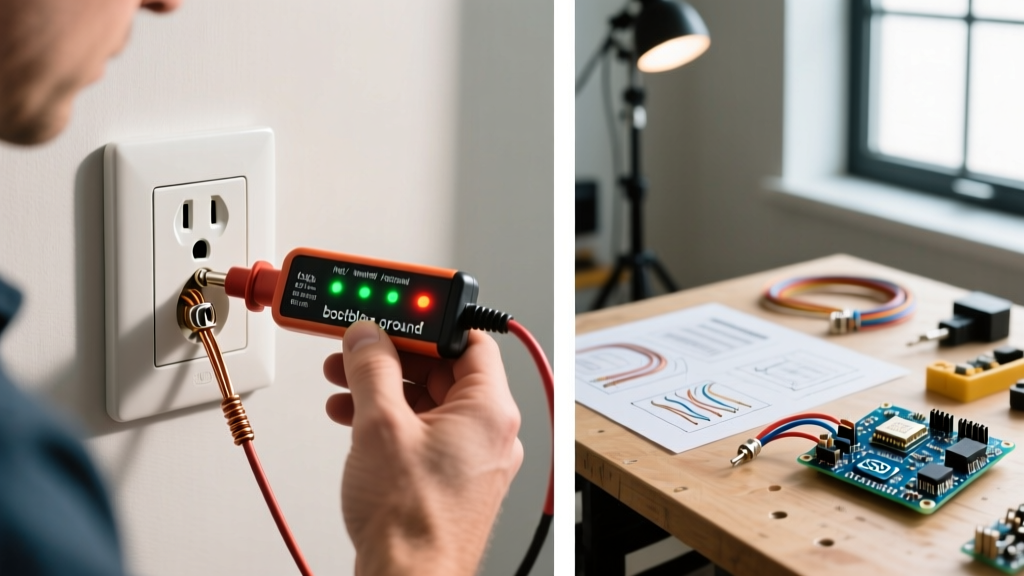
Before opening any faceplate, you must establish a lockout/tagout environment and verify the absence of voltage. Ant activity can compromise wire insulation, meaning the faceplate screws or the metal yoke could be energized.
- Non-Contact Voltage Tester (NCVT): The Klein Tools NCVT-2 (approx. $27) is the industry standard. It detects voltage from 12V to 1000V AC. You must test the receptacle slots and the faceplate screws before unscrewing the cover.
- Insulated Screwdrivers: Use 1000V-rated insulated drivers, such as the Wera VDE Insulated Phillips #2 ($14), to prevent shock transfer if a hidden live wire is contacted during faceplate removal.
- HEPA Shop Vacuum with Crevice Tool: A rigid, non-conductive plastic crevice tool is required to safely extract dead ant biomass and debris from the bottom of the gang box without damaging the terminal screws.
- Headlamp or Drop Light: Gang boxes are notoriously dark. A high-lumen, non-conductive LED headlamp allows you to inspect the knockout holes at the back of the box where ants typically enter from the wall void.
The Material Matrix: Conductivity and Safety Profiles
Choosing the wrong pest control material is the most common cause of post-treatment electrical failures. The UC Statewide IPM Program emphasizes targeted baiting over broad-spectrum spraying, which is especially critical around electrical infrastructure. Below is a comparison of common materials and their safety profiles for electrical applications.
| Material Type | Product Example (2026) | Conductivity Risk | Application Zone |
|---|---|---|---|
| Gel Bait (Indoxacarb) | Syngenta Advion Ant Gel ($16.50/tube) | Low (if kept dry) | Outside trim, baseboards, adjacent wall voids |
| Amorphous Silica Dust | Cimexa Dust ($18/10oz) | Very Low (Non-conductive) | Wall voids, conduit runs (Not inside receptacle) |
| Intumescent Fire Foam | Ideal FireBlock ($8.50/can) | None (Insulator) | Knockout holes, wire entry points |
| Acoustic Putty Pads | 3M Fire Barrier Putty Pad ($4.50/ea) | None (Insulator) | Over single-gang electrical boxes |
| Liquid Aerosol Spray | Raid Ant & Roach (Generic) | EXTREME (Flammable/Conductive) | NEVER USE IN/NEAR OUTLETS |
| Diatomaceous Earth (DE) | Generic Food Grade DE | Moderate (Conductive when damp) | Avoid in humid wall voids or near boxes |
Step-by-Step Eradication and Exclusion Protocol
Follow this precise sequence to eliminate the colony and fortify the electrical box against future intrusions. This process aligns with the Environmental Protection Agency (EPA) guidelines for safe, targeted pesticide use in sensitive home areas.
Phase 1: De-energize, Verify, and Extract
- Kill the Power: Turn off the circuit breaker controlling the outlet at the main service panel. Apply a physical lockout tag if you live in a multi-occupant household.
- Verify Zero Energy: Insert the Klein NCVT-2 into both the hot and neutral slots. Confirm the LED remains green (no voltage).
- Remove and Vacuum: Use your insulated Phillips driver to remove the faceplate. Insert the plastic crevice tool of your HEPA vacuum into the gang box. Carefully extract all dead ants, frass (insect debris), and compromised insulation particles. Do not touch the bare wire terminals with the vacuum nozzle.
Phase 2: Strategic Baiting (Outside the Box)
Do not place bait inside the gang box. Instead, exploit the ants' foraging trails.
- Apply small, pea-sized drops of Syngenta Advion Ant Gel along the baseboard directly below the outlet, and on the drywall paper just outside the gang box opening.
- The active ingredient, Indoxacarb 0.05%, relies on a delayed-action bio-activation process. Foraging ants will carry the gel back to the colony, eliminating the queen without leaving conductive residue inside your electrical infrastructure.
Phase 3: Void Treatment and Exclusion
Ants use the gaps around the electrical conduit and the knockout holes in the back of the metal or PVC gang box as highways from the exterior walls or slab foundation.
- Dust the Void: Using a bellows hand duster, apply a very light, barely visible layer of Cimexa (Amorphous Silica) into the wall void surrounding the exterior of the gang box. Cimexa is highly desiccating to insects but remains completely non-conductive and dry, unlike standard DE which can clump and track current if ambient humidity is high.
- Seal the Knockouts: Inspect the back of the gang box. If you see open knockout holes where wires enter, seal them using Ideal Industries FireBlock foam. This intumescent foam expands to block pest entry while maintaining the fire-rating of the wall assembly.
- Install a Putty Pad: Before replacing the faceplate, press a 3M Fire Barrier Putty Pad over the front of the single-gang box (behind the faceplate). This moldable, non-conductive clay seals the gap between the drywall and the electrical box, preventing pheromone trails from drawing new scouts into the wall cavity.
Edge Cases: When to Replace vs. Clean
Not all receptacles can be saved. You must evaluate the physical damage to the component before re-energizing.
The 'Internal Contact' Rule: If you discover live or dead ants physically wedged inside the narrow slots of the receptacle where the plug prongs insert, the internal brass contacts are compromised. Ant bodies contain formic acid and moisture, which will have caused micro-pitting and corrosion on the contacts. Do not attempt to clean this. Replace the receptacle immediately with a new TR (Tamper-Resistant) duplex outlet, which costs roughly $3.50 at any hardware store and features built-in physical shutters that deter future insect entry.Expert FAQs
Can I use diatomaceous earth (DE) inside the electrical box?
No. While DE is a natural, non-toxic insecticide, it is highly hygroscopic. In areas with high humidity or temperature fluctuations, DE absorbs moisture from the air and becomes electrically conductive. This can lead to 'current tracking' across the face of the receptacle, eventually causing a short circuit or fire. Always use synthetic amorphous silica (like Cimexa) for wall voids, and never place dust directly on wire terminals.
Why are ants only in one specific outlet and not the others?
Ants are drawn to the specific thermal profile and electromagnetic signature of an outlet. If an outlet has loose wire connections (a high-resistance fault), it will generate excess heat under load. This warmth attracts cold-seeking ants in winter or heat-seeking species in summer. If you find a localized infestation, use a thermal camera or an infrared thermometer to check the faceplate temperature; if it is more than 10°F above ambient room temperature, you likely have a loose terminal screw or failing receptacle that requires immediate tightening or replacement.
How long does it take for the gel bait to clear the outlet trail?
When using Indoxacarb-based gels like Advion, you will typically see a massive increase in foraging activity for the first 24 to 48 hours. The colony should collapse within 5 to 7 days. Do not spray the foraging ants with contact killers during this time; you must allow them to consume the bait and return to the nest to spread the toxicant via trophallaxis (food sharing).