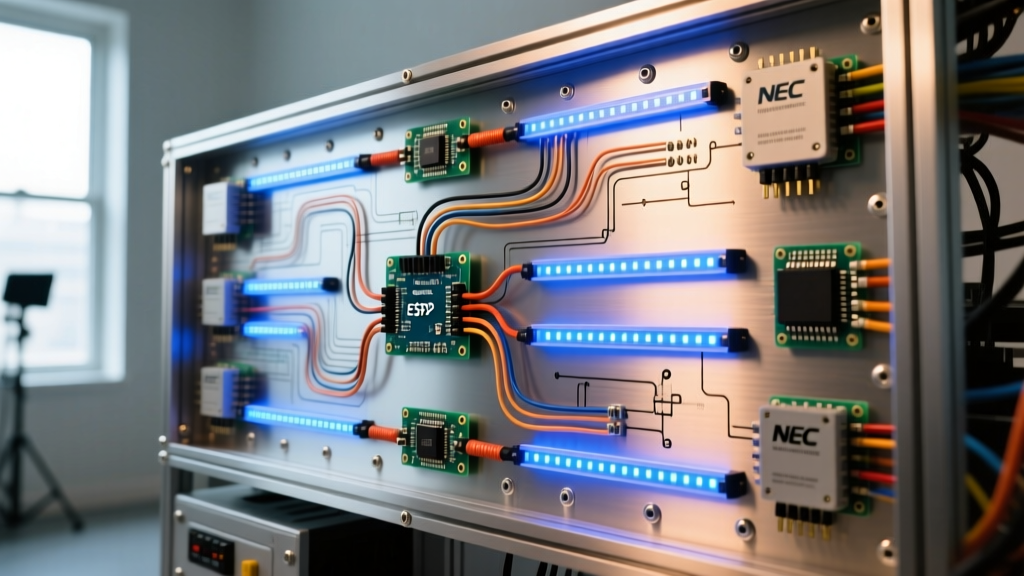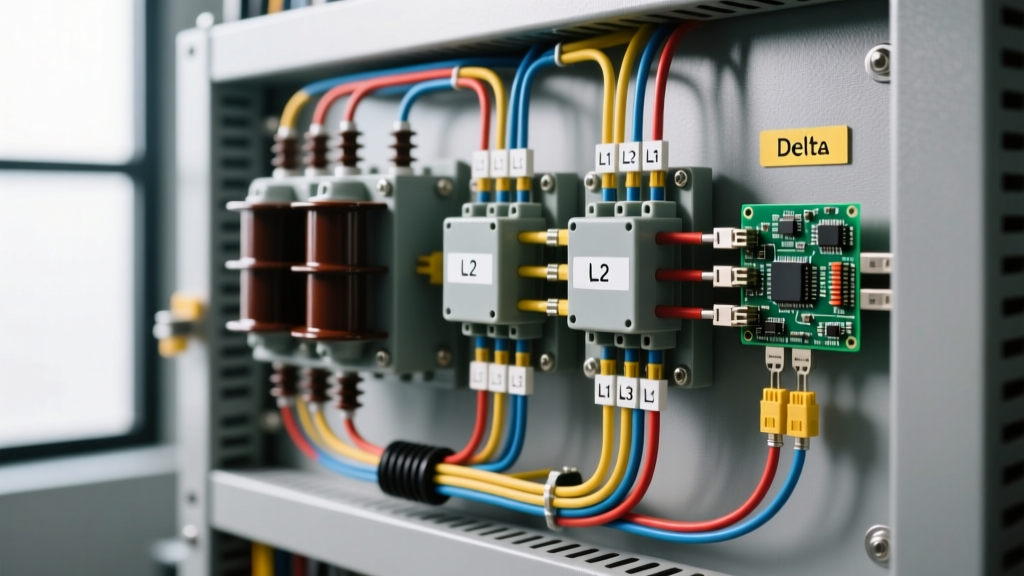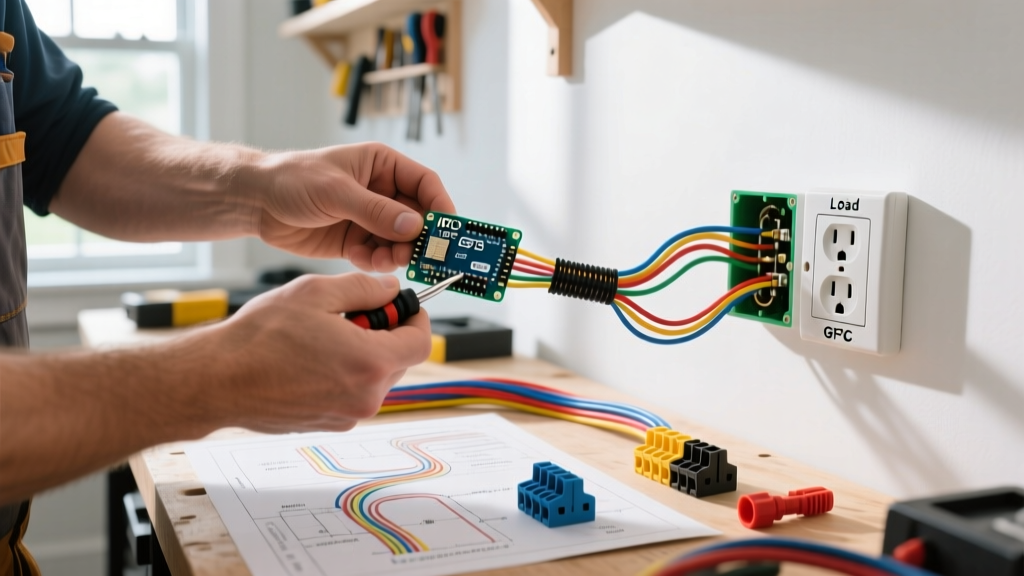

The Core Definition: What Is Pigtailing in Electrical Wiring?
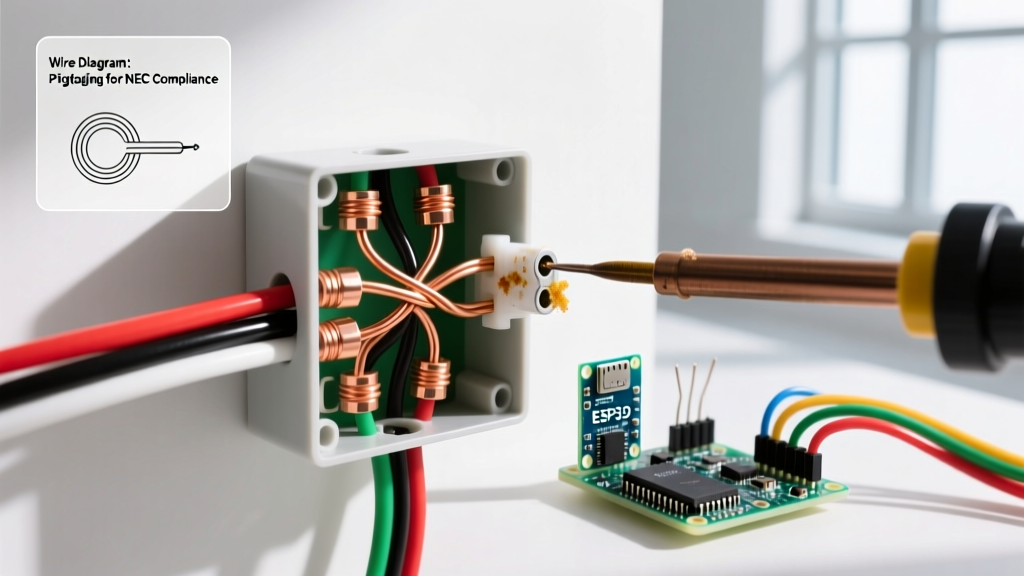
When professionals and DIYers ask what is pigtailing in electrical wiring, they are inquiring about one of the most fundamental, yet frequently misunderstood, splicing techniques in the electrical trade. A "pigtail" is a short length of insulated conductor—typically cut to a minimum of 6 inches—used to bridge multiple circuit wires to a single device terminal, or to join incoming and outgoing wires in a junction box before routing a single conductor to a switch or receptacle.
Unlike a "jumper," which connects two terminals on the exact same device (such as bridging the brass screws on a split-wired duplex receptacle), a pigtail originates in the wire nut or push-in connector inside the back of the electrical box. Pigtailing ensures that the continuity of the circuit does not rely on the device itself. If a receptacle fails or is removed for replacement, the downstream circuit remains energized and intact.
Why the NEC Mandates Pigtailing (Code & Standards Breakdown)
The National Electrical Code (NEC) does not merely suggest pigtailing; in several critical scenarios, it strictly mandates it. As we navigate the 2023 and upcoming 2026 NEC adoption cycles across various jurisdictions, understanding the specific articles governing pigtails is essential for passing inspections and preventing electrical fires.
NEC 404.2(C): The Multi-Wire Branch Circuit (MWBC) Neutral Rule
This is the most critical code requirement regarding pigtailing. A Multi-Wire Branch Circuit shares a single neutral wire between two hot legs (usually on opposite phases to cancel out the neutral current). According to NFPA NEC guidelines, the neutral conductor of an MWBC must be spliced via a pigtail to the receptacle. You are strictly prohibited from daisy-chaining the neutral through the receptacle's silver terminal screws. If the receptacle is removed while the circuit is live, breaking the neutral path will force 240V across the 120V appliances on the shared neutral, instantly destroying electronics and creating a severe shock hazard.
NEC 300.14: Box Volume and Conductor Length
While not exclusively about pigtails, NEC 300.14 requires that at least 6 inches (150 mm) of unspliced conductor be left at each outlet, switch, and junction point, measured from the point in the box where it emerges from its raceway or cable sheath. When creating a pigtail, the short jumper wire itself must also be long enough to allow for proper device folding and future servicing, though the 6-inch rule primarily applies to the incoming circuit conductors being spliced.
NEC 110.14(B): Splicing Means and Connector Ratings
NEC 110.14(B) dictates that splices must be made using approved methods. You cannot simply twist wires together and wrap them in electrical tape. The connector used for the pigtail must be UL-listed for the specific combination of wire gauges (AWG) and the number of conductors being joined. Furthermore, if you are pigtailing legacy aluminum wiring to copper device pigtails, standard wire nuts are a code violation and a fire hazard; you must use COPALUM crimps or AlumiConn lug connectors.
Connector Showdown: Wire Nuts vs. Push-In Lever Connectors
Choosing the right connector for your pigtail splice impacts both installation speed and long-term thermal stability. Below is a comparison of the industry standards used by professionals in 2026.
| Connector Type | Industry Standard Model | AWG Range | Max Wire Count | Best Use Case & Code Note |
|---|---|---|---|---|
| Twist-On (Wire Nut) | IDEAL 72B (Yellow) / 74B (Red) | #22 to #8 AWG | Up to 5-6 wires | Standard residential pigtailing. Requires pre-twisting for solid-to-stranded mixes. |
| Lever-Nut (Push-In) | WAGO 221 Series (e.g., 221-413) | #24 to #12 AWG | 2, 3, or 5 ports | Deep boxes, tight spaces, and mixing solid/stranded. UL-listed, no twisting required. |
| Push-In (In-Line) | 3M Scotchlok IDC | #14 to #18 AWG | 2 to 3 wires | Low voltage or specific lighting pigtails. Rarely used for standard 15A/20A branch circuits. |
| Set-Screw Lug | King Innovation AlumiConn | #18 to #10 AWG | 2 or 3 ports | Mandatory for Al-to-Cu pigtailing in older homes. Requires specific torque screwdriver. |
Step-by-Step: How to Create a Code-Compliant Pigtail
Creating a reliable pigtail requires precision. According to OSHA electrical safety standards and manufacturer specifications, improper stripping and connection are leading causes of high-resistance faults.
- Calculate Box Fill First: Before cutting wires, verify your box fill per NEC Article 314.16. Every splice (the group of wires under one wire nut) counts as one conductor volume allowance based on the largest wire in the splice. The pigtail wire itself does not count toward box fill, but the splice does.
- Strip to Exact Specifications: If using standard twist-on connectors, strip 5/8 inch of insulation. If using WAGO 221 lever connectors, use the built-in gauge on the housing to strip exactly 11mm (7/16 inch). Over-stripping exposes bare copper outside the connector; under-stripping causes insulation to bind under the metal coil, creating a high-resistance open circuit.
- Align and Insert: For solid copper wires of the same gauge, align them side-by-side without pre-twisting if using modern high-quality wire nuts or WAGO connectors. Push them firmly into the connector.
- Secure and Torque: Twist the wire nut clockwise until the external wires twist slightly, indicating the internal metal coil has fully seated. For lever connectors, simply flip the orange levers down until they click.
- The Tug Test: Grasp each individual wire and pull firmly. A properly made pigtail splice will withstand over 20 lbs of pull-out force. If a wire slips, cut the ends, re-strip, and start over.
Common Failure Modes and Edge Cases in the Field
Even experienced electricians encounter edge cases when pigtailing. Here are the most common failure modes and how to avoid them:
- Strand Cut-Back on Stranded Wire: When pigtailing a stranded wire to a solid wire, never "trim" a few strands to make it fit into the connector. This reduces the ampacity of the wire and creates a localized hot spot. Use a wire nut rated for the specific mix, or tin the stranded wire with solder (though tinning is increasingly discouraged by modern inspectors due to solder creep under pressure plates).
- The "Daisy-Chain" Ground Violation: Just like the MWBC neutral, equipment grounding conductors (EGC) must be pigtailed to the device. You cannot rely on the device mounting strap for ground continuity. Splice all incoming and outgoing bare/green wires together with a single pigtail routed to the receptacle's green grounding screw.
- Box Fill Overcrowding: In older 2-gang or 3-gang boxes with multiple 3-way switches, pigtailing can quickly exceed the cubic inch volume of the box. If you have four 12-AWG cables entering a standard 18-cubic-inch box, adding pigtails for the travelers and the hot feed will violate NEC 314.16. The solution is to upgrade to a deep 22.5-cubic-inch box or use a mud ring extension.
Pro Tip for Panel Pigtailing: When adding AFCI or GFCI breakers in a crowded service panel, the neutral pigtail on the breaker must be routed neatly to the neutral bar. Do not loop excess pigtail wire tightly around the breaker, as this can create an inductive choke effect that causes nuisance tripping on sensitive electronic AFCI arc-detection circuits.
Frequently Asked Questions (FAQ)
Does the pigtail wire need to be the same gauge as the circuit wire?
Yes, in almost all cases. If you are pigtailing a 20-amp circuit utilizing 12-AWG wire, your pigtail must also be 12-AWG. Using a 14-AWG pigtail on a 20-amp circuit is a direct violation of NEC 240.4(D), as the pigtail would not be adequately protected by the 20-amp breaker, creating a severe fire risk if a fault occurs on the jumper itself.
Can I pigtail two hot wires from different breakers together?
Absolutely not. Joining hot wires from different single-pole breakers creates a direct dead short (phase-to-phase fault if on 240V split-phase, or a massive parallel path if on the same phase). Pigtails should only be used to join incoming and outgoing wires of the same circuit, or to connect multiple wires to a single device terminal.
Is it legal to use WAGO connectors behind drywall?
Yes. WAGO 221 and 773 series connectors are UL-listed for use inside standard electrical junction boxes. However, they must remain accessible. You cannot bury a junction box with WAGO connectors behind drywall; the box must have a removable blank cover plate per NEC 314.29.