
The Foundation of Every Circuit: Why Box Selection Matters
When planning a home remodel or adding a new branch circuit, the receptacle or smart switch itself often steals the spotlight. However, the unsung hero of any safe, code-compliant installation is the electrical box. Choosing the correct enclosure isn't just about making the drywall look clean; it is about heat dissipation, physical protection, and preventing arc faults. In 2026, with the proliferation of high-draw smart home hubs, Wi-Fi-enabled dimmers, and residential Level 1 EV chargers, understanding the types of electrical boxes for outlets is more critical than ever. This guide breaks down material, mounting, and volume differences through a strict DIY versus Professional lens, helping you decide when to save money and when to invest in commercial-grade hardware.
Comprehensive Breakdown: Types of Electrical Boxes for Outlets
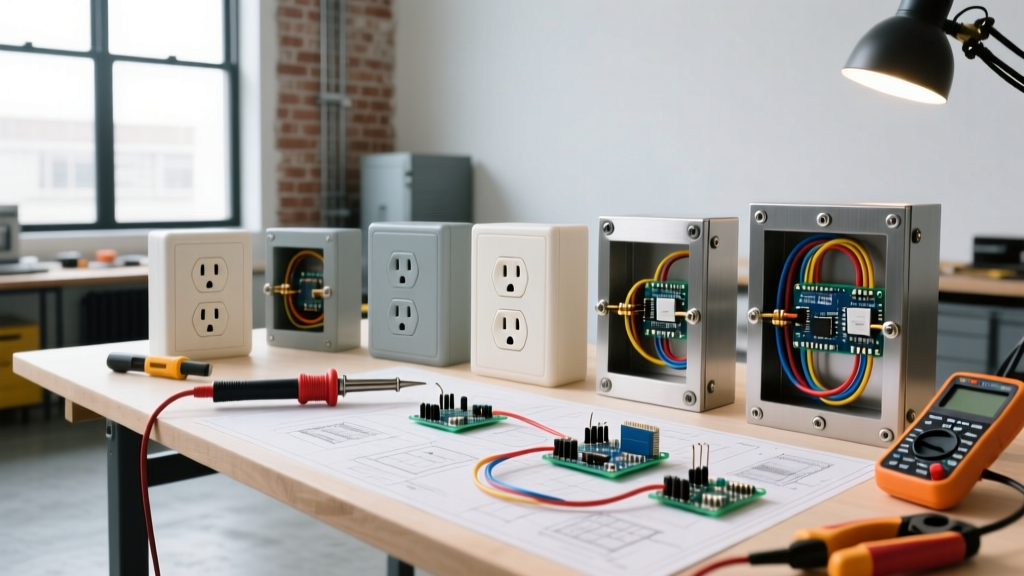
Before analyzing the installation philosophies of weekend warriors versus licensed journeymen, we must categorize the primary enclosures available on the market. The selection dictates your rough-in strategy, your drywall repair footprint, and your adherence to the National Electrical Code (NEC).
| Box Type | Material | Mounting Method | Avg Cost (2026) | Primary Use Case |
|---|---|---|---|---|
| Nail-On New Work | PVC / Steel | Stud Nailing | $1.15 - $3.85 | Open-wall new construction |
| Old-Work (Remodel) | PVC / Fiberglass | Drywall Flip-Wings | $1.85 - $4.25 | Retrofitting finished walls |
| Adjustable Depth | Non-Metallic | Stud / Drywall Bracket | $4.50 - $7.50 | Thick walls, tile backsplashes |
| Masonry / Concrete | Cast Metal | Poured / Block Mortar | $8.00 - $14.50 | Basements, commercial block |
The DIY Perspective: Convenience vs. Compromise
Homeowners tackling weekend projects overwhelmingly gravitate toward non-metallic (PVC) old-work boxes, specifically flip-wing remodel boxes like the Carlon B114R (14 cubic inches, priced around $1.85). The appeal is obvious: you cut a hole in the drywall using a template, insert the box, and tighten the screws to deploy the plastic wings behind the wall. No stud finding is required, and no drywall patching is necessary.
Where DIY Plastic Boxes Succeed
- Speed: A retrofit takes less than 5 minutes per opening.
- Cost: PVC boxes are incredibly cheap, allowing budget-friendly multi-room upgrades.
- Insulation: Plastic does not conduct heat or cold, which slightly reduces thermal bridging in exterior walls.
The Hidden Failure Modes of Plastic Old-Work Boxes
While convenient, PVC flip-wing boxes have severe mechanical limitations that professionals actively avoid. The plastic tabs rely entirely on the compressive strength of the drywall. If a homeowner overtightens the mounting screws on a heavy duplex receptacle, or if someone forcefully unplugs a stiff vacuum cleaner cord, the drywall can crush behind the wings. This leads to a 'push-in' failure where the entire outlet recesses into the wall cavity. Furthermore, PVC boxes lack integral grounding paths. If a metal faceplate is used, or if a fault occurs, the grounding relies solely on the equipment grounding conductor (EGC) pigtail, whereas metal boxes can provide a secondary fault path via the box itself and the metal yoke of the device.
The Professional Standard: Durability and Code Mastery
Licensed electricians operating in the residential and commercial sectors prioritize structural integrity and long-term serviceability. For new construction, pros use Steel City 71171FL 1-gang metal nail-on boxes (approx. $3.85). For remodels where a stud is accessible, they prefer metal bracket-mounted boxes or adjustable non-metallic boxes like the Arlington BE1 (22 cubic inches, approx. $4.50) which screw directly into the wood framing rather than hanging on the drywall.
Why Electricians Demand Metal and Adjustable Boxes
- Superior Grounding: Metal boxes are inherently conductive. When a metal-faced receptacle is mounted, the yoke makes contact with the box, creating a continuous grounding path back to the panel. This is a massive safety upgrade for commercial spaces and high-moisture residential areas.
- Fire Containment: Steel boxes contain arc flashes and extreme heat far better than thin PVC. According to the Occupational Safety and Health Administration (OSHA), proper enclosure containment is a primary defense against electrical fires in the workplace and home.
- Stud-Mounted Stability: Pros know that drywall is a finish material, not a structural anchor. By using adjustable boxes that mount to the 2x4 or 2x6 studs, the outlet can support the weight of heavy transformer plugs (like those used for smart home hubs or Wi-Fi routers) without sagging over time.
Box Fill Calculations: Where DIYers Fail and Pros Excel
The most common code violation committed by DIYers is box overcrowding. The National Fire Protection Association (NFPA) outlines strict box fill calculations in NEC Article 314.16. Every conductor, clamp, and device yoke takes up physical space, and exceeding the cubic inch rating of the box creates a severe fire hazard due to heat buildup and crushed wire insulation.
Real-World Calculation: 12 AWG vs 14 AWG
Let us calculate the fill for a standard 12/2 NM-B (Romex) cable feeding a single duplex receptacle:
- 12 AWG Wire Volume: 2.25 cubic inches per conductor.
- Hot and Neutral (2 wires): 4.50 cu in.
- Equipment Ground (1 wire): 2.25 cu in (all grounds count as a single volume).
- Internal Cable Clamps: 2.25 cu in (counts as one conductor volume).
- Receptacle Yoke: 4.50 cu in (counts as two conductor volumes).
- Total Required Volume: 13.5 cubic inches.
A standard 14 cu in DIY box (like the Carlon B114R) is technically legal for this setup. However, professionals will install an 18 or 22 cubic inch box. Why? Because modern smart switches (like Lutron Caseta or Leviton Decora Smart) have massive heat sinks and neutral pigtails that physically will not fold into a 14 cu in box without stressing the wire terminations. Pros plan for future upgrades; DIYers plan for the minimum code requirement.
Edge Cases and Real-World Failure Modes
When evaluating the types of electrical boxes for outlets, you must account for the specific environment and the load being served.
The Kitchen Backsplash Dilemma
Installing outlets over a kitchen tile backsplash is a notorious trap. If a standard old-work box is used, the drywall wings sit behind the drywall, but the front lip of the box sits flush with the paper face. Once 3/8-inch tile and thinset are added, the outlet ears are buried behind the tile, requiring messy spacers or illegal box extenders. Professionals use Arlington Non-Metallic Adjustable Boxes during the rough-in phase. These boxes slide on a bracket and can be pulled out to sit perfectly flush with the finished grout line, ensuring a clean, code-compliant fit.
Exterior and Damp Location Outlets
For exterior receptacles, PVC boxes are often preferred by both DIYers and pros to prevent rust. However, the failure mode here is UV degradation and thermal expansion. Cheap PVC becomes brittle after five years of direct sunlight. Professionals mitigate this by using UV-rated fiberglass enclosures or by ensuring the exterior cover (like a TayMac in-use weatherproof cover) completely shades the box flange.
Final Verdict: Mapping Your Project to the Right Box
The decision between DIY-friendly plastic boxes and professional-grade metal or adjustable enclosures comes down to the scope of your project and your tolerance for future rework.
- Choose DIY Plastic Old-Work Boxes if: You are swapping a single standard receptacle in a low-traffic bedroom, you are on a strict budget, and you are using standard 14 AWG or 12 AWG wiring without bulky smart devices.
- Choose Pro-Grade Metal or Adjustable Boxes if: You are doing a full kitchen remodel, installing heavy smart switches, mounting outlets in masonry, or wiring high-draw appliances where heat dissipation and structural anchoring are non-negotiable.
Ultimately, the electrical box is the vault that protects your home's nervous system. While cutting corners on a $2 plastic box might save time on a Saturday afternoon, investing in the correct enclosure ensures your wiring remains safe, accessible, and fully compliant with the latest NEC standards for decades to come.