
Navigating Philadelphia L&I and the PA Uniform Construction Code
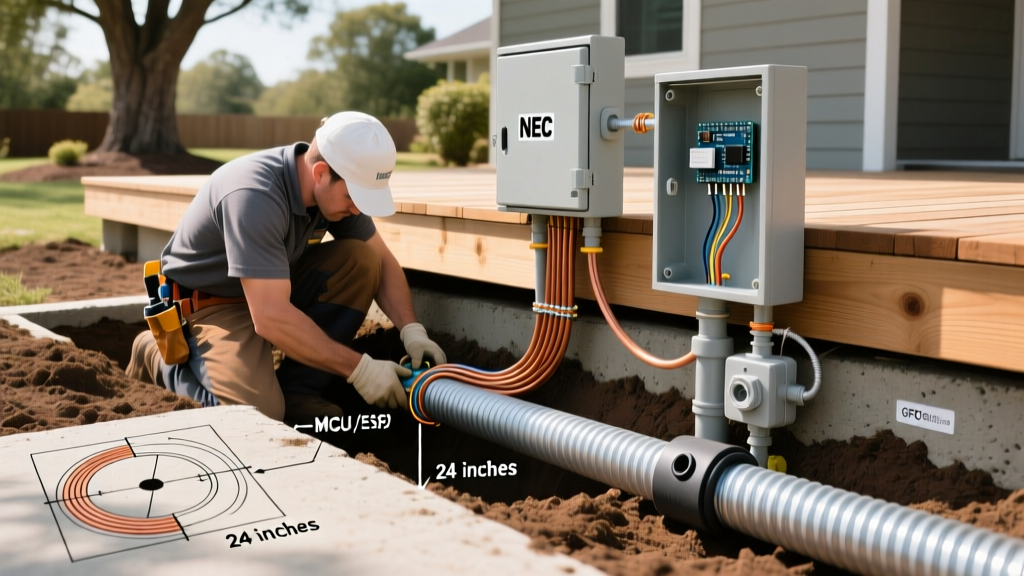
Building a new home in Philadelphia—whether you are developing a custom lot in the River Wards, constructing a modern duplex in Point Breeze, or building in the Navy Yard—requires strict adherence to local electrical codes. The Philadelphia Department of Licenses and Inspections (L&I) enforces the electrical code, which is based on the National Electrical Code (NEC) with specific local amendments outlined in Title 14 of the Philadelphia Code. Furthermore, under Pennsylvania's Act 45 (the Uniform Construction Code), all new home electrical wiring must be pulled and terminated by a state-licensed electrical contractor.
Before purchasing a single spool of wire, your lead electrician must secure an electrical permit from the Philadelphia L&I permitting office. Failing to do so can result in stop-work orders and massive fines. For 2026 new construction, expect inspectors to heavily scrutinize AFCI (Arc-Fault Circuit Interrupter) and GFCI (Ground-Fault Circuit Interrupter) placements, as well as your service grounding methodology.
Core Wiring Materials for Philly New Construction
Choosing the right cable type is the foundation of any material guide. While older Philadelphia rowhomes were notorious for knob-and-tube or early cloth-sheathed wiring, new construction relies on modern, UL-listed thermoplastics. Here is a breakdown of the primary materials you will need to source for a new build.
1. Nonmetallic-Sheathed Cable (NM-B / Romex)
For interior, climate-controlled, and drywall-enclosed framing, Southwire SIMpull NM-B is the industry standard. Its proprietary NoLube jacket reduces pulling friction by up to 50%, saving your apprentices hours of physical strain when fishing wires through 2x6 studs. You will need 14/2 for 15-amp lighting circuits and 12/2 for 20-amp receptacle circuits.
2. Metal-Clad Cable (MC) and THHN in EMT
While NM-B is fine for standard residential framing, Philadelphia L&I inspectors often require Metal-Clad (MC) cable or THHN/THWN-2 wires pulled through EMT (Electrical Metallic Tubing) conduit in areas with exposed masonry, unfinished basements, or commercial-grade mixed-use spaces. TECK-90 or standard interlocked armor MC cable provides the physical protection required in these vulnerable zones.
Material Comparison Matrix for 2026 Builds
| Material Type | Best Application | Philly Code / L&I Notes | Est. Cost (per 250ft roll) |
|---|---|---|---|
| 12/2 NM-B (Copper) | Interior 20A receptacles, kitchen small appliances | Must be secured every 4.5 ft and within 12 inches of boxes. | $110 - $135 |
| 10/3 NM-B (Copper) | 30A electric dryers, heavy HVAC equipment | Requires dedicated 2-pole 30A breaker with proper bonding. | $160 - $190 |
| THHN/THWN-2 (12 AWG) | Pulled through EMT conduit in exposed basement ceilings | Mandatory in masonry block walls; cannot be left exposed. | $45 - $60 (per spool) |
| MC Cable (12/2 w/ Ground) | Mixed-use first floors, exposed garage ceilings | Provides physical protection where drywall is absent or delayed. | $180 - $220 |
Service Entrance, Panels, and the Mandatory Ufer Ground
For a standard 2,500 sq. ft. new home in Philadelphia, a 200-amp service is the baseline. However, with the 2026 push toward electrification (heat pumps, EV chargers, and induction ranges), upgrading to a 400-amp Class 320 service meter socket with two 200-amp main breaker panels is highly recommended.
The Panel: Square D QO or Eaton BR series 42-space panels remain the top choices. Ensure you purchase panels with integrated CAFI (Combination Arc-Fault) and GFCI breakers, as the National Electrical Code now mandates AFCI protection on nearly all 120V, 15A and 20A branch circuits in living areas.
The Ufer Ground: Philadelphia L&I strictly enforces the use of a Concrete-Encased Electrode (Ufer ground) for new slab or poured-foundation builds. You must lay at least 20 feet of bare 4 AWG copper wire (or 1/2-inch rebar) within the concrete footing. This provides a vastly superior ground resistance compared to traditional copper ground rods driven into the rocky, clay-heavy soil common in parts of North Philly and Roxborough.
The Pro Electrician’s Tool Arsenal
You cannot execute a high-quality rough-in with bargain-bin tools. The following gear is mandatory for professional crews tackling new construction wiring in the Greater Philadelphia area.
- Wire Strippers: Klein Tools 11055 (10-20 AWG) and 11063 (8-22 AWG). The precision shear prevents nicking the copper conductor, which can create hot spots and lead to breaker trips down the line.
- Fish Tapes: Milwaukee 48-22-8204 (120 ft. Steel). When pulling 12/2 NM-B through dense engineered I-joists, a stiff steel tape with a slotted tip is essential for navigating tight bore holes.
- Multi-Meter: Fluke 117 True RMS Electricians Multimeter. Non-contact voltage detection and VoltAlert technology are critical for verifying dead circuits before terminating panels.
- Cable Ripper: Klein Tools 44100. Stripping the outer PVC jacket of NM-B without scoring the inner THHN insulation is a hallmark of a true craftsman. This tool guarantees a clean rip every time.
Integrating Low-Voltage and Smart Home Infrastructure
In 2026, a new home in Philadelphia is incomplete without a robust low-voltage backbone. While the electrical contractor handles the 120V/240V line voltage, coordinating the rough-in for low-voltage wiring is critical before the drywallers arrive. You will need to pull Cat6A (Category 6A) shielded twisted pair cabling to every bedroom, home office, and living space to support Wi-Fi 7 access points and hardwired PoE (Power over Ethernet) security cameras. Brands like Belden and CommScope are the gold standard here. Additionally, if you are installing a Lutron RadioRA 3 or Caseta smart lighting system, ensure you pull 3-conductor 18 AWG shielded cable alongside your line-voltage NM-B to accommodate proprietary smart switches and pico remote repeaters. Keeping line-voltage and low-voltage wires separated by at least 2 inches in parallel runs prevents electromagnetic interference (EMI), a common failure mode that causes data packet loss in smart home networks.
Sourcing Materials: Philadelphia Electrical Supply Houses
Do not buy new construction wiring materials from big-box retail stores; the per-foot pricing will destroy your project margins. Instead, open a commercial account with local wholesale suppliers. Top-tier supply houses in the Philadelphia metro include:
- City Electric Supply (CES): Multiple branches across the city, including the Northeast and Navy Yard areas. Excellent stock of Southwire and Cerro Wire bulk spools.
- Cooper Electric: A major regional player with deep inventory in heavy service entrance equipment, Square D panels, and Hubbell weather-resistant exterior components.
- Johnstone Supply: Ideal for sourcing specialized HVAC control wiring, smart home low-voltage cables (Cat6A, Lutron RadioRA 3 wiring), and thermostat conductors.
Pro Tip for 2026 Builds: Always order your service entrance cables (like 4/0-4/0-2/0 Aluminum SER) and main breaker panels at least 8 to 12 weeks before your rough-in inspection. Supply chain bottlenecks for heavy copper and aluminum service gear still occasionally impact the Mid-Atlantic distribution hubs.
Finalizing Your Rough-In for L&I Inspection
Once all wires are pulled, stapled, and boxes are nailed off, the Philadelphia L&I rough-in inspection is your next hurdle. Inspectors will check for proper fire-stopping where wires penetrate top and bottom plates, verify that NM-B cable is kept at least 1.25 inches back from the face of the stud (to prevent drywall screw punctures), and ensure your grounding electrode conductor is properly exothermically welded or clamped to the Ufer rebar. By sourcing premium UL-listed building wire and utilizing professional-grade tools, you ensure your new home electrical wiring passes inspection on the first attempt, keeping your Philadelphia construction timeline firmly on track.