
The Hidden Hazards of Legacy Electrical Systems
If you own or are renovating a home built before 1985, you are likely dealing with legacy electrical infrastructure. Identifying old electrical wiring in house systems is not just a matter of modernizing for convenience; it is a critical safety imperative. According to the U.S. Fire Administration, electrical malfunctions remain one of the leading causes of residential fires, often stemming from degraded insulation, overloaded circuits, and outdated materials that cannot handle modern electrical loads.
As a Code & Standards explainer, this guide breaks down the specific wiring types found in older homes, the National Electrical Code (NEC) violations they inherently present, and the exact remediation strategies and costs you need to know in 2026.
Identifying the Big Three: Legacy Wiring Systems
Before you can apply NEC standards, you must identify what is behind your drywall. Here is a comparison matrix of the three most common outdated wiring systems.
| Wiring Type | Era of Installation | Visual Identifiers | Primary Failure Mode | NEC Status (2026) |
|---|---|---|---|---|
| Knob-and-Tube (K&T) | 1880 – 1940 | Ceramic knobs, cloth tubes, single conductors | Insulation degradation, lack of ground, concealed splices | Banned for new installs; must be removed or abandoned in place during remodels |
| Solid Aluminum (AA-1350) | 1965 – 1973 | Silver-colored wire, "AL" stamp on jacket | Thermal creep, galvanic corrosion at copper terminals | Allowed only if properly pigtailed or terminated with listed COPALUM/AlumiConn connectors |
| Cloth-Covered NM | 1930 – 1960 | Woven fabric jacket, rubberized insulation, no ground wire | Insulation crumbling, exposed copper at junction boxes | Grandfathered if undamaged, but ungrounded status triggers NEC 406.4(D) upon replacement |
Deep Dive: Solid Aluminum Branch Wiring
The most misunderstood legacy system is solid aluminum wiring (specifically the AA-1350 alloy used before 1972). Unlike modern AA-8000 series aluminum used for heavy feeder cables, AA-1350 expands and contracts at a different rate than the brass and copper terminals it was originally connected to. Over decades of thermal cycling, this causes "creep," leading to loose connections, arcing, and fires. The National Fire Protection Association (NFPA) heavily emphasizes the risks of unmitigated aluminum branch wiring in residential settings.
Deep Dive: Knob-and-Tube (K&T)
K&T was designed for the low-draw appliances of the 1920s. It relies on air space to dissipate heat. When modern homeowners blow cellulose or fiberglass insulation into walls containing active K&T wiring, the heat cannot escape, melting the primitive rubberized cloth insulation and creating a severe fire hazard. Furthermore, K&T lacks an equipment grounding conductor (EGC), making it incompatible with modern surge protection and AFCI/GFCI devices.
Critical NEC Code Violations in Older Homes
While older homes are generally "grandfathered" under the codes that existed when they were built, the moment you modify, extend, or replace a circuit, the current NEC cycle applies. Here are the most common code violations triggered when interacting with old electrical wiring in house environments.
1. Ungrounded Receptacles and NEC Article 406.4(D)
Homes wired before 1962 typically lack a ground wire. Replacing a broken 2-prong receptacle with a standard 3-prong receptacle without providing a ground is a direct violation of NEC 406.4(D)(1). The Code-Compliant Fix: You must either run a new EGC back to the panel, or install a GFCI receptacle (or feed it from a GFCI breaker) and label it "GFCI Protected / No Equipment Ground." This provides shock protection, though it does not provide a true ground for sensitive electronics.
2. Missing AFCI Protection (NEC Article 210.12)
Modern NEC cycles require Arc-Fault Circuit Interrupter (AFCI) protection for nearly all 120V, 15A and 20A branch circuits supplying living areas, bedrooms, and kitchens. Old wiring, particularly K&T and degraded cloth NM, is highly susceptible to series arcing. When upgrading a panel or replacing a breaker that feeds old wiring, you are now required to install a Combination-Type AFCI breaker.
3. Over-Fusing and the "Edison Base" Problem
Many pre-1960s homes still utilize fuse boxes with standard "Edison base" screw-in fuses. A major violation occurs when homeowners insert a 20A or 30A fuse into a circuit wired with 14 AWG wire (rated for 15A). This defeats the overcurrent protection, allowing the wire to overheat and catch fire inside the walls before the fuse blows. The NEC requires that if a fuse panel is retained, it must be retrofitted with Type S (rejection feature) fuses that prevent over-fusing.
2026 Remediation Strategies and Cost Breakdown
Addressing old electrical wiring in house systems requires a strategic approach based on your budget, the extent of the legacy wiring, and your local Authority Having Jurisdiction (AHJ). Below are the standard remediation paths and their 2026 market costs.
- Full Rewire (The Gold Standard): Completely removing legacy wiring and pulling new 90°C rated THHN/XHHW or NM-B cable. 2026 Cost Estimate: $8.50 to $14.00 per square foot. For a 2,000 sq. ft. home, expect to pay between $17,000 and $28,000. This includes drywall patching, new 200A panel installation, and bringing all circuits up to current AFCI/GFCI codes.
- Aluminum Pigtailing (The Targeted Fix): If you have AA-1350 aluminum wiring, you do not necessarily need a full rewire. You can pigtail the aluminum to copper using specialized connectors. 2026 Cost Estimate: $45 to $65 per connection point (receptacle, switch, or junction). A typical 3-bedroom home has roughly 120-150 connection points, totaling $5,400 to $9,750.
- Abandonment in Place (K&T Specific): If K&T wiring is in good condition but you need to add new circuits, electricians will leave the old wire dead in the walls and run new NM-B alongside it. 2026 Cost Estimate: $3,000 to $6,000 to run new dedicated circuits for kitchens, bathrooms, and laundry, while leaving lighting circuits on the old (but safely capped) K&T.
The Connector Debate: COPALUM vs. AlumiConn
When remediating aluminum wiring, the National Electrical Code (NFPA 70) and the CPSC recognize specific repair methods. COPALUM (by Tyco/AMP): This is a cold-weld crimping system that requires a proprietary, expensive tool and a specially licensed electrician. It is considered the absolute best, permanent fix for aluminum wiring, but the tooling cost makes it rare in residential retrofits. AlumiConn (by King Innovation): This is a lug-style connector that uses a setscrew and specialized antioxidant paste. It is widely available, requires only a calibrated torque screwdriver (set to 15 in-lbs), and is the most common DIY and pro-choice for aluminum pigtailing in 2026.
Home Insurance and Inspection Realities
In the current real estate market, old electrical wiring in house inspections is a major dealbreaker. Most major insurance carriers (including State Farm, Allstate, and Liberty Mutual) will outright refuse to write a new homeowner's policy on a property with active Knob-and-Tube or unmitigated solid aluminum wiring. If you are buying an older home, use the presence of these systems as a negotiation lever. Request a credit equal to the cost of a full rewire or a professional AlumiConn pigtailing job, verified by a licensed electrical contractor and signed off by the local building inspector.
Frequently Asked Questions
Can I just replace the breakers to make old wiring safe?
No. While upgrading to AFCI breakers adds a layer of arc-fault protection, it does not fix degraded insulation, missing grounds, or the thermal creep inherent in old aluminum wiring. Breakers protect against overcurrent; they cannot compensate for failing physical connections or compromised wire jackets.
Is it legal to add new outlets to existing Knob-and-Tube wiring?
In almost all jurisdictions, no. The NEC prohibits extending existing K&T systems. Any new branch circuit extensions must be wired with modern, grounded NM-B or conduit systems. If you need more outlets, you must run a completely new circuit from the panel.
How do I test if my ungrounded 2-prong outlets are actually grounded?
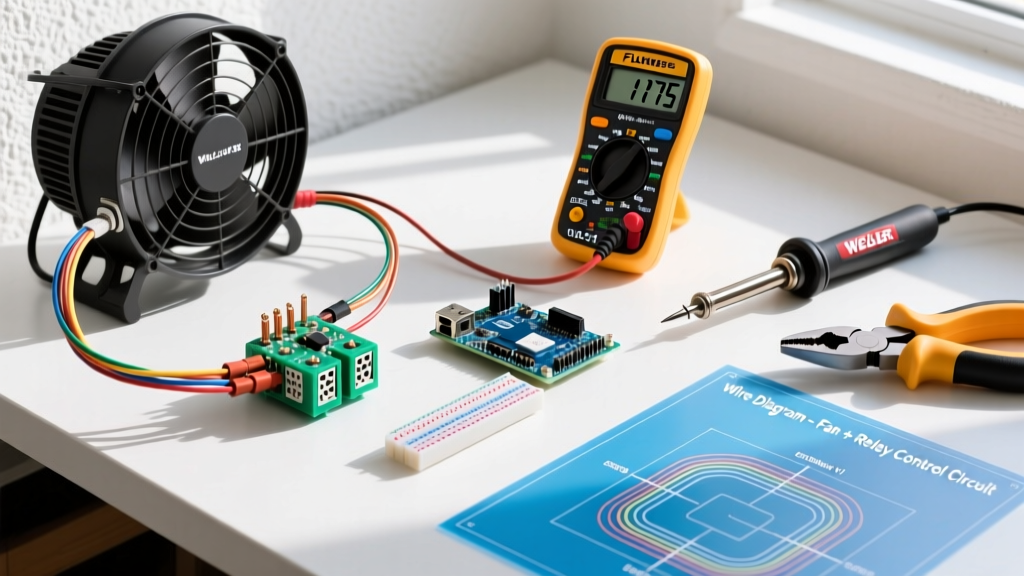
Do not rely on cheap plug-in testers for legacy wiring. Use a digital multimeter. Measure the voltage between the hot slot (shorter slot) and the neutral slot (longer slot)—it should read ~120V. Then measure between the hot slot and the metal cover plate screw. If it reads 0V, there is no true ground path, even if a 3-prong adapter is being used.