
The High-Stakes Reality of Residential Electrical Codes
When homeowners consider tackling electrical projects, the conversation often revolves around cost savings and personal satisfaction. However, the true metric of success in any wiring project is safety and compliance. The National Electrical Code (NEC), published by the National Fire Protection Association (NFPA), serves as the benchmark for safe electrical design, installation, and inspection. As we navigate the 2026 landscape, local jurisdictions are increasingly adopting the stringent 2023 and upcoming NEC cycles, making the gap between amateur DIY efforts and professional execution wider than ever.
Understanding electrical wiring codes for residential applications is not merely about passing an inspection; it is about preventing arc faults, mitigating fire risks, and ensuring your home insurance remains valid. This analysis breaks down the technical, financial, and legal realities of DIY electrical work versus hiring a licensed professional, providing a clear framework for your next home wiring project.
The Core of Electrical Wiring Codes for Residential
The NEC (NFPA 70) is updated every three years to address emerging technologies and newly identified hazards. For residential wiring, the most critical updates in recent cycles focus on advanced protection devices and precise installation tolerances. According to the Electrical Safety Foundation International (ESFI), electrical malfunctions cause over 50,000 home fires annually. The code combats this through specific mandates:
- AFCI Protection (NEC 210.12): Arc-Fault Circuit Interrupters are now required in virtually all living spaces, including bedrooms, living rooms, kitchens, and laundry areas. These devices detect dangerous arcing conditions that standard breakers miss.
- GFCI Protection (NEC 210.8): Ground-Fault Circuit Interrupters are mandated in wet or damp locations (bathrooms, kitchens, garages, outdoors, and crawl spaces) to prevent lethal electric shocks.
- EV Receptacle Requirements: Recent code cycles require new construction and major renovations to include specific 240V, 50-amp receptacles in garages to accommodate Electric Vehicle charging, anticipating the massive load shifts in modern homes.
DIY Wiring: Where Homeowners Can Legally and Safely Operate
Most municipalities allow homeowners to perform electrical work on their primary residence, provided they pull the necessary permits and pass inspections. However, the scope of permissible DIY work is strictly limited by both law and practical skill.
The Permit Trap: Many DIYers believe that replacing a light fixture or swapping a receptacle does not require a permit. While like-for-like replacements often fly under the radar, adding a new circuit, upgrading a service panel, or extending wiring into a finished wall almost universally requires a permit, a rough-in inspection, and a final inspection. Failing to pull a permit can result in fines, forced teardowns of drywall, and denied insurance claims in the event of a fire.
The Box Fill Calculation Hurdle (NEC 314.16)
One of the most common pitfalls for DIYers is overcrowding junction and device boxes. The NEC dictates strict volume calculations. For example, a standard single-gang plastic nail-on box has a volume of 18 cubic inches. If you are using 14 AWG wire (which requires 2.0 cubic inches per conductor), you can only fit a maximum of nine current-carrying conductors and device yokes combined. If you are using 12 AWG wire (2.25 cubic inches per conductor), the limit drops to eight. DIYers frequently cram wires into undersized boxes, causing physical stress on the terminals and increasing the risk of short circuits.
The Professional Advantage: Code Mastery and Liability
Licensed electricians do not just pull wire; they engineer systems. The professional advantage lies in their mastery of complex code articles that govern grounding, bonding, and load balancing—areas where DIY mistakes can be fatal.
Subpanel Grounding and Bonding (NEC 250.32)
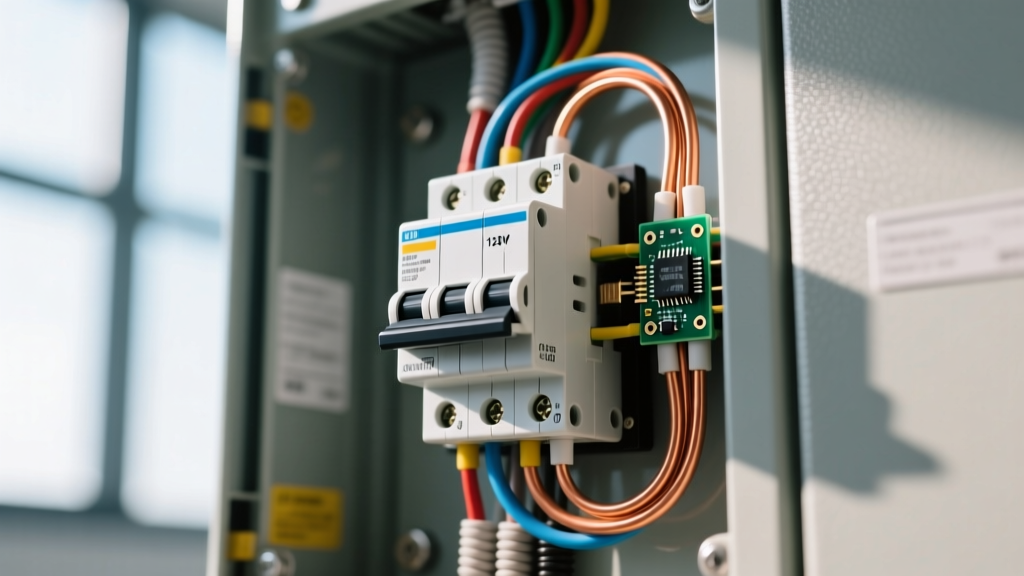
When adding a subpanel for a detached garage or a workshop, the grounding and neutral buses must be strictly isolated. In the main service panel, the neutral and ground are bonded together. In a subpanel, they must remain separate. If a DIYer bonds the neutral to the ground in a subpanel, normal return current will flow along the bare copper grounding wires, energizing the metal enclosures of appliances and creating a severe shock hazard. Professionals understand the physics behind this code requirement and install separate grounding bars and proper grounding electrode systems (like ground rods) for detached structures.
Calibrated Torque Requirements (NEC 110.14)
A major differentiator between pros and amateurs is the use of calibrated torque tools. NEC 110.14(D) requires that terminations be tightened to the manufacturer's specified torque. A loose connection on a 200-amp main breaker lug creates high resistance, leading to thermal runaway, melted bus bars, and catastrophic panel failure. Professionals use tools like the Klein Tools 11055 torque screwdriver to ensure exact specifications are met, while DIYers typically rely on the subjective "tighten it until it feels right" method.
Cost & Risk Matrix: DIY vs. Professional Electrician
Below is a comparative analysis of common residential electrical projects, highlighting the true cost and risk factors involved in 2026.
| Project Type | DIY Estimated Cost (Materials) | Pro Estimated Cost (Labor + Materials) | Code Complexity & Risk Profile |
|---|---|---|---|
| Like-for-Like Receptacle Swap | $5 - $15 | $125 - $175 (Service Call) | Low. Requires basic wire stripping and correct line/load orientation for GFCI. |
| Adding a 20A Kitchen Circuit | $80 - $150 | $450 - $850 | Medium. Requires panel space, correct wire gauge (12 AWG), and AFCI/GFCI compliance. |
| Subpanel Installation (100A) | $250 - $400 | $1,200 - $2,200 | High. Involves feeder sizing, neutral/ground separation, and load calculations. |
| Main Service Upgrade (200A) | Not legally/practically viable | $1,800 - $3,500 | Critical. Requires utility coordination, heavy gauge wire handling, and strict grounding. |
Common Code Violations in DIY Residential Wiring
When home inspectors or municipal electrical inspectors evaluate DIY work, they frequently uncover a specific set of recurring violations. Understanding these can help you decide if your skill level matches the project demands.
1. Incorrect Wire Gauge for Breaker Size (NEC 240.4)
Using 14 AWG wire on a 20-amp breaker is a severe fire hazard. The 20-amp breaker will allow up to 20 amps of current to flow, but 14 AWG wire is only rated for 15 amps. The wire will overheat and melt inside the walls long before the breaker trips. Professionals strictly adhere to the rule: 15A breakers for 14 AWG, 20A breakers for 12 AWG, and 30A breakers for 10 AWG.
2. Missing Nail Plates on Bored Studs (NEC 300.4)
When running NM-B (Romex) cable through wooden studs, the hole must be bored at least 1.25 inches from the edge of the stud. If this distance cannot be maintained, a steel nail plate must be installed over the stud to prevent drywall screws or nails from piercing the wire later. DIYers almost universally skip this step, leading to hidden damaged wires that arc inside the walls years after the drywall is painted.
3. Splicing Wires Outside of a Junction Box
All wire splices must be contained within an accessible junction box. DIYers sometimes use wire nuts or push-in connectors (like Wago 221s) and simply push the splice behind the drywall or into the ceiling joist bay. This violates the code and makes future troubleshooting impossible, while also removing the fire-containment properties of the junction box.
4. Overloaded Neutral Conductors
In multi-wire branch circuits (MWBC), two hot wires share a single neutral. If a DIYer places both hot wires on the same leg of the panel, the neutral wire will carry the sum of both currents, leading to an immediate overload. Professionals ensure MWBCs are connected to opposite legs and utilize handle-tied or double-pole breakers to ensure both circuits are disconnected simultaneously during maintenance.
Verdict: When to Pick Up the Wire Strippers vs. the Phone
The decision to DIY or hire a professional should not be based solely on upfront material costs. It must be based on your understanding of the local NEC adoption and amendments, your access to specialized tools (like torque screwdrivers and clamp meters), and your tolerance for liability.
Choose DIY if: You are performing like-for-like replacements, swapping out light fixtures, or installing low-voltage wiring (thermostats, doorbells, network cables). You must still verify local permit requirements and ensure you are using UL-listed components.
Hire a Professional if: The project involves opening the main service panel, installing new 240V circuits (for HVAC, EV chargers, or ranges), running new branch circuits through finished walls, or installing subpanels. The cost of a licensed electrician is an investment in code compliance, system longevity, and the physical safety of your household. In the realm of residential electrical wiring, ignorance of the code is not a defense against the laws of physics.