
The Unique Hazards of Motorcycle Electrical Wiring
Unlike stationary home wiring or even enclosed automotive systems, motorcycle electrical wiring operates in a brutally hostile environment. Wires on a motorcycle are subjected to constant high-frequency vibration, extreme thermal cycling from engine and exhaust heat, direct UV exposure, and water intrusion from road spray. Furthermore, the physical space available for routing harnesses is severely constrained, often forcing wires into tight bends near moving suspension and steering components. A failure in this environment does not just mean a blown fuse; it can result in a catastrophic electrical fire or a sudden loss of ignition at highway speeds. According to the SAE J1128 Standard for low-tension primary cables, automotive and motorcycle wiring must meet strict thermal and abrasion resistance criteria, yet many aftermarket installations ignore these benchmarks entirely. This guide details the exact safety protocols, material selections, and routing strategies required to build a fire-proof, reliable motorcycle electrical system in 2026.
Wire Selection: Insulation Chemistry and AWG Sizing
The most common mistake in DIY motorcycle wiring is using standard PVC-insulated wire purchased from general hardware stores. Standard PVC insulation becomes brittle under UV exposure and will melt if routed anywhere near an engine case or exhaust header. For motorcycle applications, you must use cross-linked polyethylene (XLPE) insulated wire, commonly designated as TXL, GXL, or SXL.
Why TXL Wire is the Industry Standard
TXL (Thin-wall cross-linked) wire offers the best balance of flexibility, abrasion resistance, and thermal tolerance. It is rated for continuous operation up to 125°C (257°F) and features a thin insulation wall that allows for tighter bend radii and smaller harness diameters. As of 2026, high-quality American-made TXL wire costs approximately $0.35 to $0.50 per foot, a negligible premium over dangerous PVC alternatives.
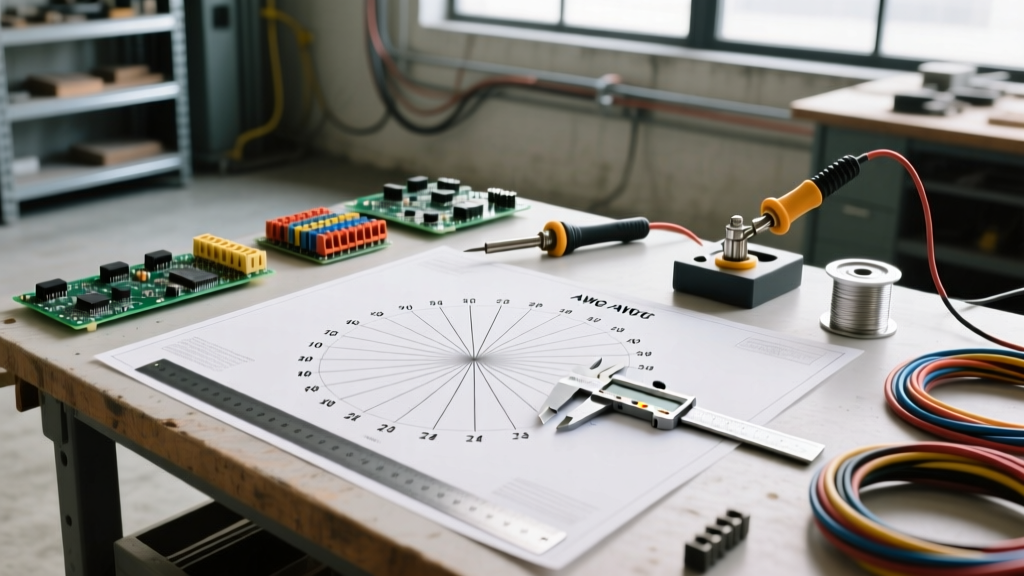
| AWG Size | Max Continuous Amps | Typical Motorcycle Application |
|---|---|---|
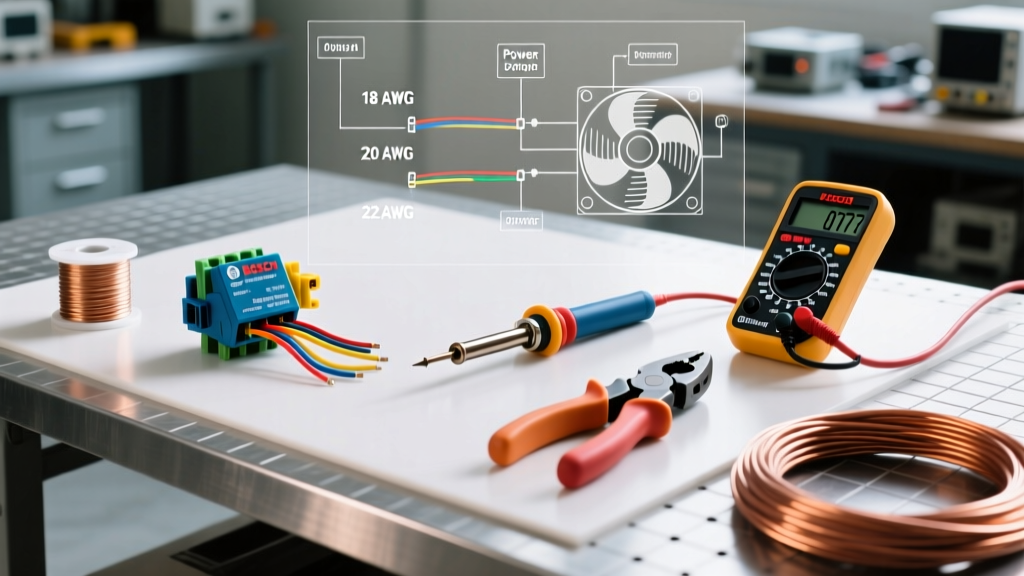
| 18 AWG | 6A - 8A | LED indicators, ECU sensors, CAN-bus triggers |
| 16 AWG | 10A - 12A | Halogen headlights, horn, heated grips (low) |
| 14 AWG | 15A - 18A | Auxiliary LED light pods, heated gear, GPS |
| 12 AWG | 20A - 25A | Main accessory power buses, high-draw winches |
| 10 AWG | 30A - 40A | Battery to starter solenoid, main stator feeds |
Note: Ampacity ratings assume a maximum voltage drop of 0.5V over a 10-foot round-trip circuit. Always upsize the wire gauge if the run exceeds 12 feet to prevent voltage starvation at the component.
Overcurrent Protection: The 80% Rule and Relay Logic
Fuses do not protect the electrical component; they protect the wire from melting and igniting the motorcycle frame. To ensure safety, apply the 80% continuous load rule: a fuse should be rated at no more than 125% of the circuit's continuous maximum draw. For example, if a set of auxiliary LED lights draws a combined 12 amps continuously, the circuit requires a 15A fuse and a minimum of 14 AWG wire.
Integrating Relays for High-Draw Accessories
Modern motorcycles (2020 and newer) heavily utilize CAN-bus networks and solid-state ECU controllers to manage power. These systems are highly sensitive to voltage spikes and over-current events. If you wire a 60W Denali SoundBomb horn or high-lumen LED pods directly to the factory horn or headlight trigger wires, the ECU will detect the anomaly and permanently shut down that circuit.
- The Safe Solution: Use a Bosch-style 30A or 40A automotive relay. Use the factory low-amp wire merely to trigger the relay's 85/86 coil pins.
- Power Source: Pull the high-amperage 30/87 load pins directly from the battery positive terminal via a dedicated, fused distribution block.
- Smart Controllers: For advanced setups, CAN-bus adapters like the Denali CANsmart or Hex EZCAN (retailing around $250-$300) act as solid-state relays, eliminating mechanical clicking and allowing software-based overcurrent protection.
Routing, Looming, and the 'Steering Neck' Failure Mode
Even the best wire will fail if it chafes against a sharp frame edge. Every wire harness must be wrapped in split loom tubing or woven expandable sleeving. However, the physical routing path dictates long-term survival.
Critical Failure Mode: The Steering Neck Pinch
The most frequent cause of total electrical failure on sport and naked motorcycles occurs at the steering neck. As the handlebars turn lock-to-lock, the main harness bends and compresses. If the harness is secured with rigid zip-ties directly to the frame near the steering stem, the wires will eventually crush, shorting the main 12V feed to the grounded steel frame and instantly melting the harness.
Best Practice: Leave a generous service loop (slack) in the harness at the steering neck. Use rubber-edged P-clips or adhesive-backed foam tape to secure the harness, and wrap the steering neck section in high-temperature silicone self-fusing tape to prevent abrasion against the frame.
Terminations: Adhesive Heat Shrink and Deutsch Connectors
Vibration will back out standard screw terminals and snap rigid solder joints. For motorcycle electrical wiring, terminations must be flexible, waterproof, and chemically bonded. The RevZilla Common Tread Wiring Guide emphasizes that standard vinyl-insulated crimp connectors are completely unsuitable for exposed motorcycle environments, as they trap moisture and invite galvanic corrosion.
Termination Comparison Matrix
| Termination Method | Vibration Resistance | Waterproofing | Recommended Use Case |
|---|---|---|---|
| Standard Vinyl Crimp | Poor | None | Never use on a motorcycle |
| Solder + Standard Shrink | Fair (Brittle) | Low | Internal gauge clusters only |
| Adhesive-Lined Heat Shrink | Excellent | High | Permanent splices, stator repairs |
| Deutsch DT Connectors | Exceptional | Total (IP68) | Removable aux lights, sensors |
| Posi-Twist / Posi-Tap | Good | Low | Temporary troubleshooting only |
For any connection that may need to be disconnected (such as auxiliary lighting or crash-bar mounted sensors), invest in Deutsch DT series connectors. Featuring silicone sealing gromms and solid copper crimp pins, they cost roughly $4.50 per 2-pin pair but guarantee a watertight, vibration-proof connection that will outlast the motorcycle itself.
Stator Connector Burnouts: A Known Failure Point
A specific, recurring safety hazard in motorcycle electrical wiring involves the 3-phase stator connector. The stator generates high-amperage Alternating Current (AC) before it reaches the regulator/rectifier. On many popular models (notably Honda CB series, Aprilia V4s, and Kawasaki Ninjas), the OEM plastic plug connecting the stator to the wiring harness is undersized for the thermal load.
Over time, thermal cycling causes the metal crimps inside the plastic housing to lose tension. This increases electrical resistance, which generates extreme heat. The result is a melted plastic plug, a short circuit, and potentially a fire originating near the engine case. As detailed in Cycle World's Electrical Basics, the permanent, safest fix is to cut off the OEM plastic plug entirely. Strip the wires, twist them together, solder the joint, and seal it with dual-wall adhesive-lined heat shrink. This eliminates the high-resistance mechanical connection and prevents stator-side fires.
Final Safety Audits and Parasitic Draw Testing
After completing any wiring project, perform a parasitic draw test before reinstalling the bodywork. Disconnect the negative battery terminal and insert a digital multimeter set to the 10A mode in series between the negative post and the disconnected cable. With the ignition off and the key removed, a healthy modern motorcycle should draw less than 5 milliamps (0.005A) to maintain the ECU clock and immobilizer memory. If the draw exceeds 20mA, you have a short circuit, a faulty aftermarket relay, or a diode leaking current backward into the system.
By adhering to strict AWG sizing, utilizing TXL insulation, implementing proper relay logic, and eliminating high-resistance mechanical plugs, you ensure your motorcycle electrical wiring remains safe, reliable, and fire-free across thousands of miles of riding.