
Understanding Electric Fencing Wiring Costs in 2026
Electric fencing wiring operates on a fundamentally different paradigm than standard AC electrical wiring or low-voltage landscape lighting. Instead of a continuous flow of current, an electric fence relies on a high-voltage, low-impedance pulsed DC shock—typically releasing a pulse every 1.2 seconds that lasts only a fraction of a millisecond. Because of this unique electrical profile, estimating the cost of electric fencing wiring requires analyzing the entire circuit: the energizer, the conductive wire, the insulators, and, most critically, the grounding system.
Whether you are installing a temporary rotational grazing paddock for sheep or a permanent high-tensile perimeter fence for cattle, material costs and labor rates have shifted in 2026 due to stabilized but elevated steel and copper tariffs. This guide provides a deep-dive cost estimation for electric fencing wiring, breaking down exact component prices, professional labor rates, and hidden edge-case failures that blow budgets out of the water.
Quick 2026 Cost Summary
- DIY Temporary Polywire Fence: $0.15 - $0.35 per linear foot
- DIY Permanent High-Tensile Fence: $0.85 - $1.45 per linear foot
- Professional Installation (High-Tensile): $1.80 - $3.20 per linear foot
- Energizer Costs: $120 (basic solar) to $1,200+ (mains-powered multi-zone)
Component-by-Component Cost Breakdown
To build an accurate budget, you must price out the four main subsystems of an electric fence. Skimping on any single subsystem will result in voltage drop, vegetation short-outs, or energizer burnout.
1. Energizers (Chargers)
The energizer is the heart of the system. Sizing is calculated by stored joules, not just output joules or "mileage" ratings (which are often marketing gimmicks). A standard rule of thumb is 1 stored joule per mile of fence, but heavy weed loads require higher joule ratings to push through the vegetation without dropping below the 4,000V threshold required for livestock containment.
- Solar/Battery Units (e.g., Parmak DF-SP-LI): Ideal for remote pastures. The Parmak Magnum Solar-Pak (1.4 output joules) retails around $360 in 2026. Battery replacement (12V sealed lead-acid) costs $45 every 3-4 years.
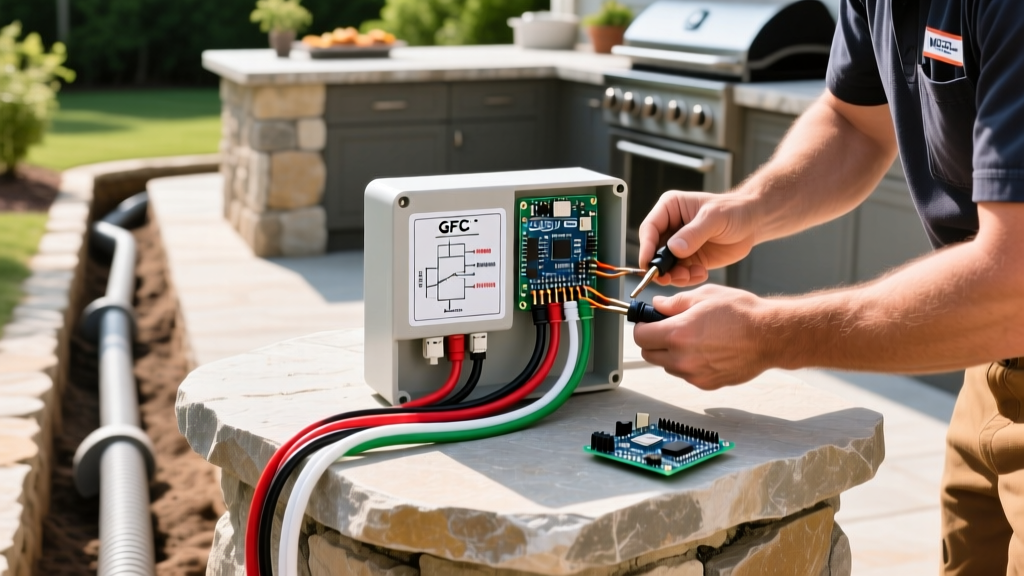
- Mains-Powered Units (e.g., Gallagher M5800i): For permanent perimeter fences near AC power. The M5800i (5.8 stored joules) costs approximately $680. These require a dedicated 110V GFCI outlet and a weatherproof housing ($40).
2. Conductive Wiring & Tape
The choice of conductor dictates both your material budget and the maximum distance the pulse can travel before resistance degrades the shock.
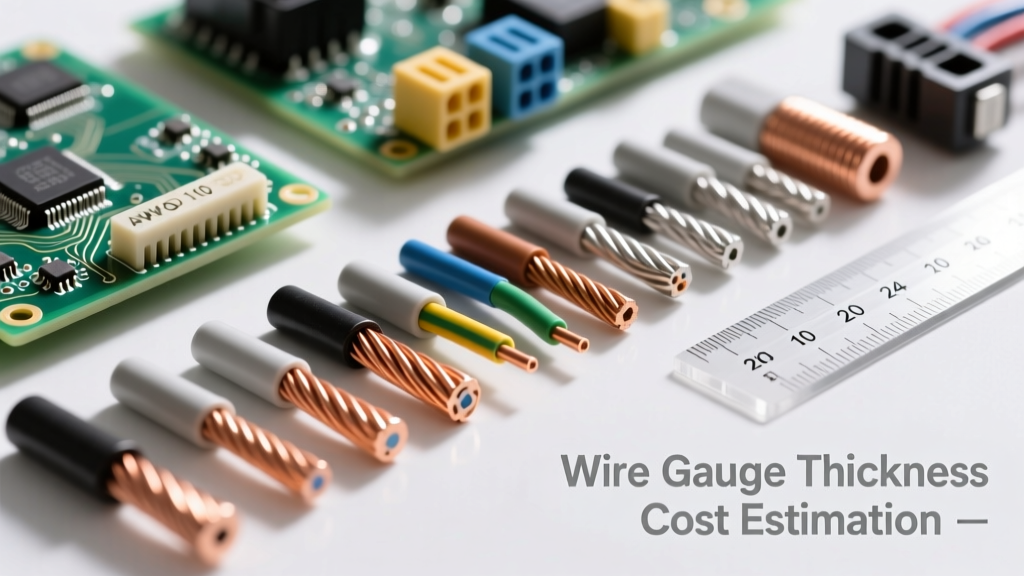
- 12.5-Gauge High-Tensile Galvanized Wire: The gold standard for permanent fencing. With a tensile strength of 170,000 to 200,000 PSI, it rarely breaks and conducts well. Cost: $0.03 to $0.05 per linear foot (approx. $45 per 1,320 ft spool).
- 1.5-Inch Polytape (9 Stainless Steel Filaments): Highly visible for horses and deer. Stainless steel resists corrosion better than tinned copper. Cost: $0.08 to $0.12 per linear foot.
- Polywire (6-9 strands): Used for temporary rotational grazing. High resistance limits runs to under 2,000 feet. Cost: $0.02 to $0.04 per linear foot.
3. Insulators & Structural Posts
Wiring must be perfectly isolated from the earth and structural posts. UV degradation is the primary failure mode for cheap plastic insulators; always specify HDPE or porcelain.
- Wood Post Porcelain Screw-In Insulators: $0.45 to $0.75 each. Lifetime durability.
- T-Post Drop-In HDPE Clips: $0.15 to $0.25 each. Must be UV-stabilized to prevent shattering after two summers.
- Wood Line Posts (Treated 3-4 inch): $8.50 to $14.00 each.
- Steel T-Posts (6.5 ft, 1.33 lb/ft): $6.50 to $9.00 each.
4. Grounding & Lightning Protection
According to the University of Minnesota Extension, up to 70% of electric fence faults stem from inadequate grounding. The electrical pulse must travel through the animal, into the soil, and back to the energizer's ground rods. If the soil is dry or rocky, the circuit fails.
- Copper-Clad Steel Ground Rods (5/8" x 8 ft): $26 each. You need a minimum of three 8-foot rods, spaced at least 10 feet apart, driven flush with the earth.
- Lightning Arresters (e.g., Dakota Alert LP-300): $45 to $60. Installed between the fence line and the ground system to divert massive voltage spikes away from the energizer's internal motherboard.
2026 Cost Estimation Matrix
The following table models the material costs for a standard 5-wire, high-tensile electric fence on flat terrain, utilizing treated wood corner posts and steel T-posts spaced 16 feet apart.
| Component | Material Specification | Unit Cost (2026) | Cost per 1,000 Linear Ft |
|---|---|---|---|
| Conductor Wire | 12.5 ga High-Tensile (5 wires) | $0.04 / ft | $200.00 |
| Line Posts | 6.5 ft Steel T-Posts (16 ft spacing) | $7.50 / ea | $468.75 |
| Insulators | HDPE T-Post Clips (5 per post) | $0.20 / ea | $62.50 |
| Corner Posts | 8" Treated Wood + Brace Wire | $45.00 / set | $45.00 (1 corner) |
| Tensioners | Inline Ratchet Strainers (5 per wire) | $12.00 / ea | $60.00 |
| Grounding | Three 8ft Copper-Clad Rods + Clamps | $95.00 / set | $95.00 (System) |
| Total Materials | Excluding Energizer | ~$931.25 |
Note: Add $350 - $700 for a mid-range energizer and $150 for a lightning arrester and mainline hookup wire.
Professional Labor vs. DIY Installation
While running polywire for temporary grazing is a simple DIY task, installing permanent high-tensile electric fencing wiring requires specialized tools and knowledge of tension dynamics. High-tensile wire must be pulled to 150–250 lbs of tension. Over-tensioning can snap the wire or pull corner posts out of plumb; under-tensioning allows the wire to sag and short out on tall grass.
Professional Installation Rates
In 2026, professional fencing contractors typically charge between $1.80 and $3.20 per linear foot for a complete 5-wire high-tensile electric fence, including materials, post driving, and wire tensioning. For a 10-acre square pasture (approx. 5,280 linear feet), expect a turnkey bid between $9,500 and $16,800.
DIY Time and Tool Investment
If you choose the DIY route, factor in the cost of specialized tools if you do not own them:
- Post Pounder / Manual Driver: $65 - $120
- Wire Grip & Come-Along Tensioner: $45
- Crimping Sleeves & Tool (Gripple or Nicopress): $35
- Digital Fence Voltmeter (e.g., Gallagher Fault Finder): $85. Essential for locating shorts along the wiring run.
Expert Insight: Never use aluminum wire in conjunction with copper ground rods or copper energizer terminals. The electrochemical reaction between aluminum and copper, combined with moisture, causes rapid galvanic corrosion. This creates a high-resistance oxide layer that will choke the voltage pulse, rendering the fence useless within 18 months. Always use galvanized steel or copper-clad steel for the fence wire when using copper grounding components.
Hidden Costs & Edge Case Failures
When budgeting for electric fencing wiring, contractors and DIYers frequently overlook site-specific variables that inflate the final bill.
1. Rocky or Sandy Soil Grounding Upgrades
The USDA NRCS Conservation Practice Standards dictate that ground rods must reach moist soil. In rocky or arid terrains, driving an 8-foot rod is impossible. You must trench and lay galvanized ground wire radially, or use bentonite clay and rock salt around driven rods to artificially lower soil resistance. Budget an extra $150 to $300 per grounding site for these soil amendments and trenching labor.
2. Vegetation Management (Weed Wipers)
Tall grass touching the bottom hot wire will bleed voltage back to the ground. If you cannot mow the fence line regularly, consider wiring the fence in an alternating Hot-Ground-Hot-Ground configuration. When a weed touches both a hot and a ground wire simultaneously, it completes the circuit and receives a shock, clearing itself without draining the entire fence's voltage. This requires running an insulated ground wire alongside the hot wires, increasing material costs by 15% to 20%.
3. Gate Handles and Crossover Jumps
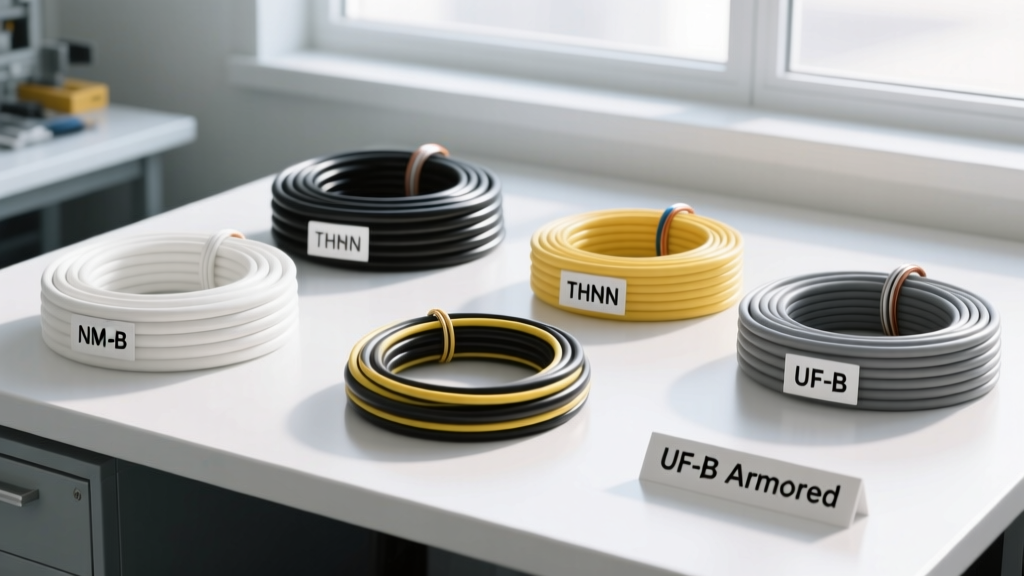
Every gate requires a specialized insulated gate handle ($12 - $18) and an underground crossover cable to maintain the circuit across driveways. Burying a heavy-duty insulated jumper wire (e.g., 12-gauge THHN in PVC conduit) under a 14-foot driveway costs roughly $85 in materials and trenching time.
Frequently Asked Questions
Can I use standard Romex or THHN house wire for an electric fence?
No. Standard AC wiring insulation is not rated for the continuous UV exposure and ozone generation created by high-voltage pulsed DC arcs. Furthermore, solid copper house wire is too expensive and lacks the tensile strength to span long distances without sagging. Always use UV-rated polyethylene-insulated hookup wire or bare galvanized high-tensile steel.
How deep should I bury the mainline hookup wire from the energizer to the fence?
The wire running from the energizer to the fence line (the lead-out wire) should be buried at least 12 inches deep and protected inside a PVC conduit or heavy-duty poly pipe to prevent damage from rodents, frost heave, or aerators. Use Texas A&M Agrilife Extension guidelines for predator control, which also recommend burying wire to prevent digging animals from tripping the circuit.
Does electric fencing wiring require a permit or inspection?
Generally, agricultural and livestock electric fencing does not require a municipal building permit, as it is classified as an agricultural appliance rather than structural wiring. However, the 110V AC outlet you install to power a mains energizer must be pulled to code, require a permit, and feature a weatherproof enclosure with a GFCI breaker. Always check local county zoning ordinances regarding fence height and setback requirements.