
The 2026 Landscape of Electrical Financing and Home Upgrades
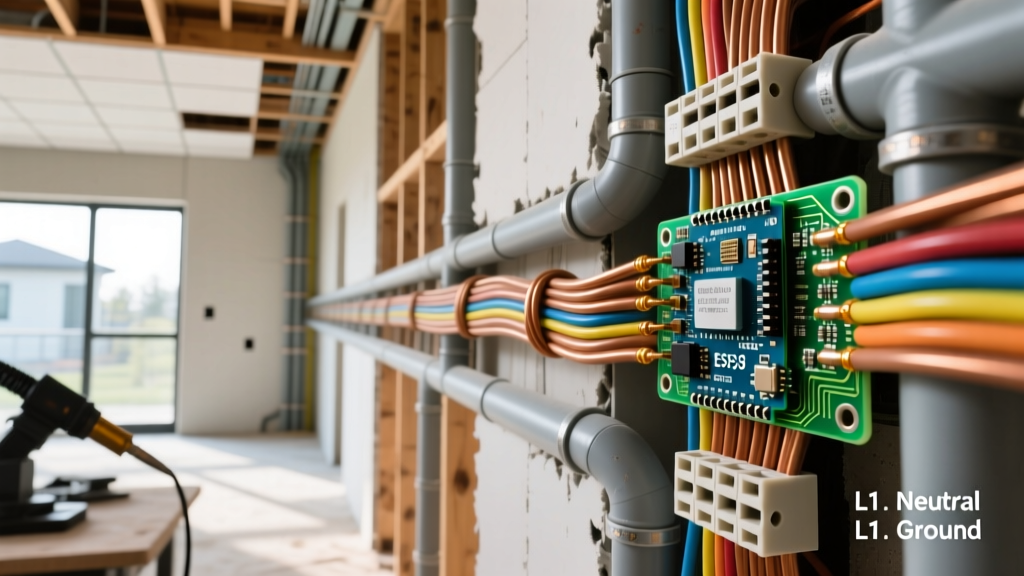
As residential power demands surge in 2026—driven by Level 2 EV chargers, cold-climate heat pumps, and whole-home smart automation—the standard 100-amp electrical service is rapidly becoming obsolete. Upgrading to a 200-amp or 400-amp service entrance, or undertaking a complete aluminum-to-copper rewire, is a massive capital expense. Consequently, homeowners are increasingly turning to wiring and electrical loans to finance these critical infrastructure upgrades.
But a critical dilemma emerges for the hands-on homeowner: Should you pull a Home Equity Line of Credit (HELOC) or personal loan to fund a DIY material purchase, or use specialized financing to hire a licensed electrical contractor? The answer lies at the intersection of the National Electrical Code (NEC), mortgage underwriting guidelines, and home insurance liabilities. This analysis breaks down the financial and technical realities of financing electrical work in the current market.
Loan Types and the 'DIY Restriction'
Not all financing is created equal when it comes to home infrastructure. When evaluating wiring and electrical loans, you must understand how lenders view 'sweat equity' versus licensed labor.
- Home Equity Lines of Credit (HELOC): According to the Consumer Financial Protection Bureau (CFPB), HELOCs allow you to borrow against your home's equity. In 2026, average HELOC rates hover between 7.5% and 9.2%. You can use these funds for anything, including buying 500 feet of 12/2 NM-B Romex and a Square D QO200CP panel for a DIY project.
- Energy Efficient Mortgages (EEM) & FHA 203(k): These specialized loans allow borrowers to roll the cost of energy upgrades (like solar-ready panel upgrades or high-efficiency HVAC circuit installations) into their primary mortgage. However, the Department of Housing and Urban Development (HUD) strictly requires that work financed through federal EEM programs be performed by licensed, insured professionals. DIY material receipts will be rejected by underwriters.
- Unsecured Personal Loans: Ranging from 8% to 18% APR, these are often used for smaller DIY projects, like installing a dedicated 240V/50A circuit for an EV charger using 6 AWG THHN wire in EMT conduit.
The Underwriter's Rule of Thumb: If the electrical upgrade requires a municipal permit and a utility company meter release (such as a service mast replacement or panel swap), institutional lenders will almost universally require a licensed contractor's invoice to release loan funds or approve an appraisal increase.
Cost Matrix: DIY Materials vs. Professional Turnkey Pricing
To understand the true value of wiring and electrical loans, we must compare the raw material costs of a DIY approach against the turnkey pricing of a licensed electrician. The table below reflects average 2026 market rates for a 2,000-square-foot home.
| Project Scope | DIY Material Cost | Pro Turnkey Cost | Loan Eligibility (EEM/203k) | Appraisal Value Add |
|---|---|---|---|---|
| 200A Service Panel Upgrade | $900 - $1,400 | $2,800 - $4,500 | Pro Only | High (Required for modern sales) |
| Whole-Home Rewire (Copper) | $4,500 - $7,000 | $16,000 - $28,000 | Pro Only | High (Removes insurance red flags) |
| 400A Service Entrance (Dual 200A) | $2,200 - $3,500 | $6,500 - $11,000 | Pro Only | Medium-High (Future-proofs EV/Solar) |
| 240V 50A EV Charger Circuit | $150 - $350 | $800 - $1,800 | Both (Varies by lender) | Low-Medium (Niche buyer appeal) |
Note: DIY material costs assume wholesale or big-box retail pricing for standard components like Eaton BR breakers and Southwire copper. Pro costs include labor, permitting, utility coordination, and drywall repair.
The Hidden 'DIY Penalty' on Appraisals and Insurance
While taking out a personal loan to fund a DIY whole-home rewire might save you $15,000 in labor, it introduces severe financial risks that can negate your loan's ROI.
1. The Insurance Cancellation Risk
Homeowners insurance policies contain strict clauses regarding unpermitted or non-code-compliant work. If you DIY a 200-amp service upgrade and fail to properly bond the neutral and ground at the main disconnect—creating a parallel neutral path that sends return current through the grounding system—you risk a catastrophic electrical fire. If the fire marshal's report indicates unpermitted DIY electrical work, your insurer will likely deny the claim and drop your coverage entirely.
2. The Appraisal Void
When you use a HELOC to fund professional electrical work, the appraiser can verify the permitted 400A upgrade, potentially increasing your home's appraised value by 1% to 3%. If you DIY the same project using a personal loan, the appraiser cannot verify the safety or code-compliance of the hidden wiring. In many jurisdictions, unpermitted electrical work is flagged as a 'safety hazard,' which can actually decrease your home's appraised value and derail future sales.
When DIY Makes Sense (And How to Fund It)
There are specific scenarios where utilizing short-term wiring and electrical loans for DIY materials is financially sound and legally permissible.
- Low-Voltage & Smart Home Integration: Running Cat6A ethernet, low-voltage landscape lighting, or smart thermostat C-wires does not typically require an electrical permit. Using a 0% APR credit card or small personal loan to buy bulk spools of 18/2 thermostat wire and PoE switches is a high-ROI DIY project.
- Receptacle and Fixture Swaps: Upgrading standard outlets to Tamper-Resistant (TR) AFCI/GFCI receptacles to meet the latest NEC living space requirements. Materials cost roughly $25 to $45 per Leviton or Legrand smart receptacle.
- Homeowner-Permitted Jurisdictions: Some rural municipalities allow homeowners to pull their own electrical permits for outbuildings or detached garages, provided they pass the rough-in and final inspections by the local Authority Having Jurisdiction (AHJ). In this case, a HELOC draw for materials is perfectly valid.
When You Must Hire a Pro (Loan-Eligible Projects)
If your project involves the service drop, the meter base, or the main bonding jumper, you must hire a professional. Utility companies will not release a meter to a homeowner, and municipal inspectors require a master electrician's license number on the permit card for service-level work.
Furthermore, the Department of Energy notes that installing high-amperage EV charging infrastructure often requires a calculated load analysis to ensure the existing transformer can handle the continuous 80% load draw. A licensed contractor will perform this Article 220 load calculation, a document your lender will require if you are rolling the EV infrastructure into an Energy Efficient Mortgage.
Step-by-Step: Structuring a Pro Electrical Loan Draw
If you decide to use a HELOC or construction loan to hire a professional for a major rewire, structure your payments to protect your capital:
- Draw 1 (15%): Paid upon permit approval and delivery of materials (e.g., copper wire, PVC conduit, panelboards) to the job site.
- Draw 2 (40%): Paid after the 'rough-in' inspection. The AHJ inspector must sign off on all open-wall wiring, box placements, and grounding electrode systems before drywall is patched.
- Draw 3 (35%): Paid after the 'final' inspection, trim-out, and utility meter release.
- Retainage (10%): Held for 30 days post-completion to ensure all breakers are functioning, GFCI circuits are properly phased, and no drywall damage remains unrepaired.
Final Verdict: ROI and Resale Value
When analyzing wiring and electrical loans, the DIY vs. Pro decision ultimately comes down to the scope of the project and the type of financing used. For cosmetic upgrades, low-voltage wiring, and simple circuit extensions, DIY funded by low-interest personal loans or credit cards offers excellent margins.
However, for service entrance upgrades, aluminum wire remediation, and whole-home rewiring, the 'DIY penalty' in the form of insurance liabilities, failed appraisals, and voided federal loan eligibility makes professional installation mandatory. In 2026, leveraging a HELOC or EEM to hire a licensed contractor for high-amperage upgrades is not just a code requirement—it is a vital strategy for protecting and maximizing your home's equity.