
Mobile Fire Suppression: Beyond the Standard Blueprint
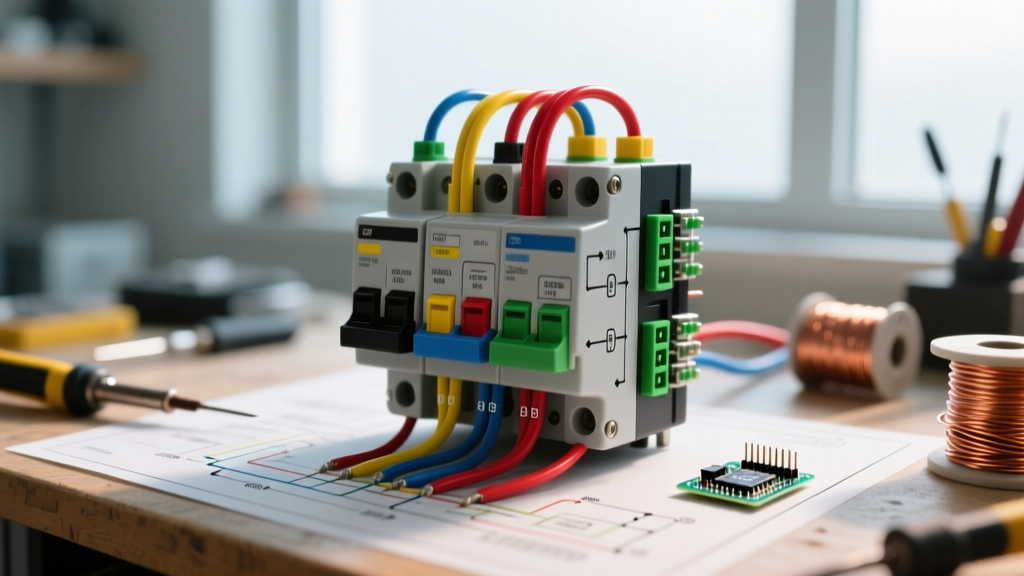
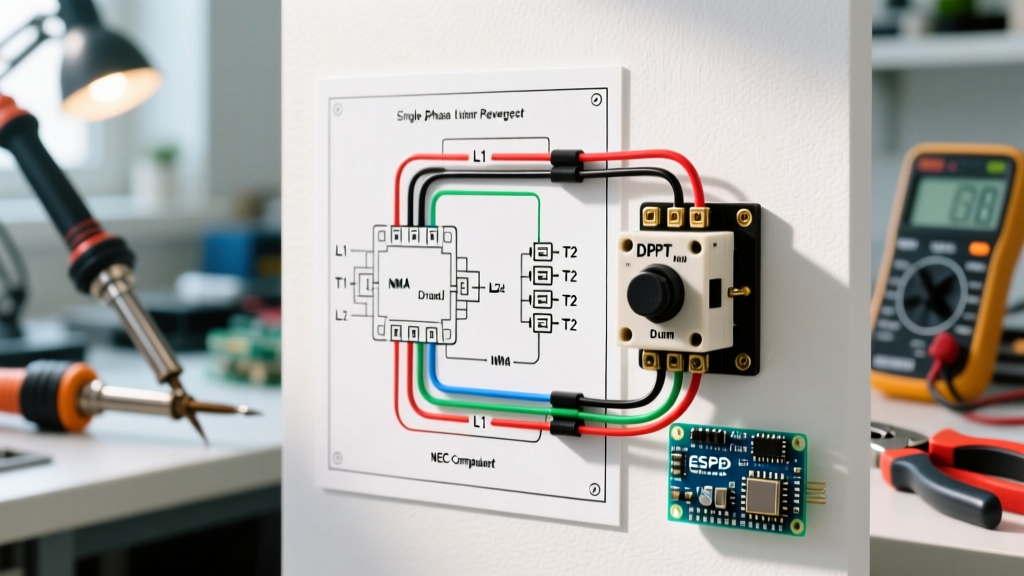
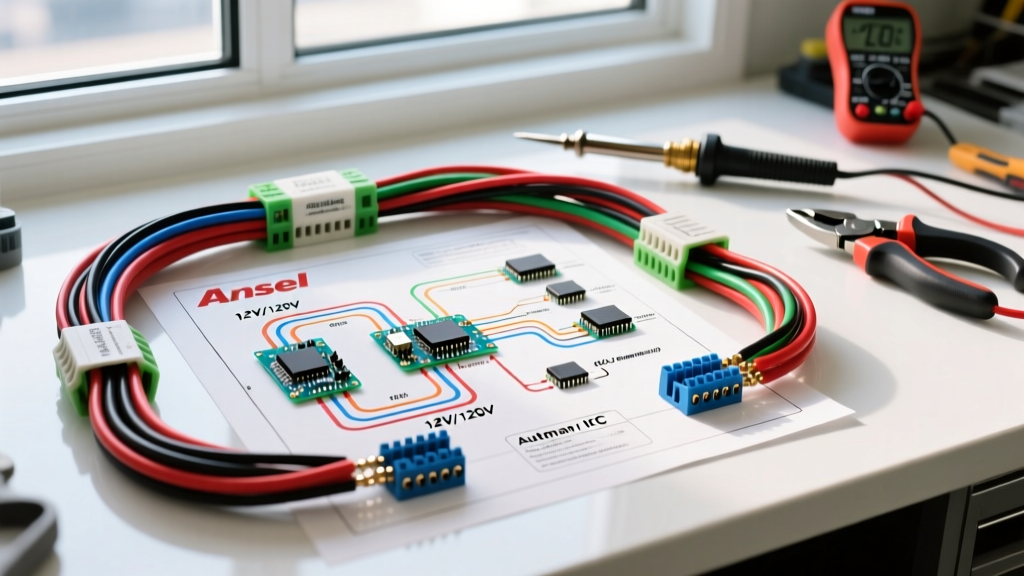
Integrating a commercial fire suppression system into a mobile kitchen requires far more than copying a brick-and-mortar schematic. When executing an Ansul system electrical wiring diagram for food trucks and mobile catering trailers, electrical contractors must navigate severe space constraints, chassis vibration, dual-power sourcing (generators and shore power), and strict adherence to mobile-specific fire codes. The brain of modern Ansul setups, such as the Ansul PIRANHA Restaurant Fire Suppression System and R-102 networks, is the Automan IIC (Intelligent Interface Controller). This guide breaks down the exact wiring matrices, vehicle-specific failure modes, and compliance requirements for mobile culinary operations in 2026.
Why Mobile Kitchens Require Specialized Wiring Protocols
Standard restaurant wiring diagrams assume a stable 120V/240V AC grid connection and rigid structural mounting. Food trucks operate in a high-vibration, electrically noisy environment. According to NFPA 96 Standard for Ventilation Control and Fire Protection of Commercial Cooking Operations, mobile cooking operations must ensure that fire suppression actuation remains operational regardless of the vehicle's transit status or power source switching.
Furthermore, the NFPA 17A Standard for Wet Chemical Extinguishing Systems mandates that the electrical detection and actuation circuits must be supervised. If a wire breaks due to road vibration, the Automan IIC panel must trigger a trouble alarm, not silently fail.
Automan IIC Terminal Wiring Matrix for Mobile Units
The Automan IIC control panel serves as the central hub for electrical detection and appliance shutdown. Below is the vehicle-specific wiring matrix, optimized for the high-vibration environment of a food truck chassis.
| Terminal Block | Wire Color / Type | Gauge | Mobile Application Function |
|---|---|---|---|
| TB1 (L1, N, G) | Black, White, Green (THHN) | 14 AWG | 120V AC Primary Power (Tied to dedicated breaker, pre-GFCI) |
| TB2 (Loop In/Out) | Red/Black Shielded Twisted Pair | 18 AWG | Linear Heat Detector Loop (Requires shield grounding to chassis) |
| TB3 (Actuator) | Blue/Yellow (Stranded) | 16 AWG | Solenoid Release for Wet Chemical Agent Cartridge |
| TB4 (Aux Relay) | Green/White (Stranded) | 14 AWG | Appliance Shutdown (Form C SPDT relay for gas valve shunt trips) |
Step-by-Step Execution of the Ansul Electrical Diagram
Wiring a mobile Ansul system requires specific mechanical and electrical techniques to prevent road-induced failures. Follow this sequence to ensure a robust installation.
1. Power Sourcing and Isolation
Never wire the Automan IIC control panel to a GFCI-protected circuit or a circuit shared with high-draw cooking appliances (like electric griddles). In a food truck, voltage sags during compressor startup can reboot the control panel, causing temporary blindness in the fire detection loop. Wire TB1 directly to a dedicated 15A, single-pole breaker on the main distribution panel, positioned before any ground-fault protection devices.
2. Detector Loop Routing and Vibration Mitigation
The 18 AWG shielded detector wire must be routed through flexible liquid-tight metallic conduit (LFMC). Standard PVC conduit will crack under the torsional flex of a food truck trailer. At every terminal connection, use ferrule crimps on the stranded wire before inserting it into the Automan IIC screw terminals. Spade connectors or bare stranded wire will inevitably fray and short out against the panel chassis due to transit vibration.
3. Chassis Grounding for EMI Protection
Food trucks generate massive Electromagnetic Interference (EMI) from onboard microwave ovens, variable frequency drive (VFD) exhaust fans, and generator alternators. The shield drain wire of the 18 AWG detector loop must be terminated to a dedicated, bare-metal chassis ground stud to prevent false alarms triggered by EMI spikes.
Integrating Appliance Shutdown Relays
When the Ansul system detects a fire, it must automatically shut off the fuel or power to the cooking appliances. In a mobile kitchen, this is typically achieved via a 120V AC shunt trip breaker or a heavy-duty contactor wired to the gas solenoid valves.
- Gas Appliances: Wire the TB4 Normally Closed (NC) contacts in series with the 24V AC control circuit of the main gas solenoid valve. When the Ansul trips, the circuit opens, dropping the solenoid and cutting the gas.
- Electric Appliances: Wire the TB4 NC contacts to the coil of a 30A, 120V AC contactor that feeds the electric fryers. Tripping the Ansul de-energizes the contactor, killing power to the heating elements.
Expert Warning: Never wire the appliance shutdown relay to cut power to the exhaust hood blower. NFPA 96 requires the exhaust fan to remain operational during a fire event to pull chemical vapor and smoke out of the mobile kitchen enclosure.
Vehicle-Specific Failure Modes and Edge Cases
Even with a perfect schematic, mobile environments introduce unique electrical edge cases that cause system failures.
Inverter Harmonic Distortion
Many food trucks rely on 12V DC battery banks inverted to 120V AC. If the kitchen uses a Modified Sine Wave (MSW) inverter, the harmonic distortion will overheat the transformer inside the Automan IIC panel, leading to premature failure. Solution: The fire suppression circuit must be powered exclusively by a Pure Sine Wave (PSW) inverter or direct shore/generator power.
Generator Transfer Switch Conflicts
When a food truck switches from shore power to an onboard generator, there is often a 50-to-100-millisecond power interruption. While the Automan IIC has a brief ride-through capacitor, older units may interpret this micro-outage as a power loss and trigger a trouble alarm. Installing a 12V DC UPS (Uninterruptible Power Supply) with a 120V AC output dedicated solely to the fire panel eliminates transfer-switch alarms.
Voltage Drop in Long Wheelbase Trailers
In large 32-foot catering trailers, the generator is often front-mounted while the kitchen and Ansul panel are rear-mounted. Running 14 AWG wire over 50 feet results in a voltage drop that can cause the actuator solenoid to fail to pull in during a fire. Always upsize the main power feed to 12 AWG THHN for runs exceeding 35 feet in mobile applications.
Cost Breakdown and Certification Realities for 2026
Budgeting for a mobile Ansul installation requires accounting for specialized hardware and certified labor. Standard restaurant technicians are often not certified for mobile DOT/NFPA 96 compliance.
- Hardware (Automan IIC, Detectors, PIRANHA Tanks): $3,200 – $4,800
- Mobile-Certified Installation Labor: $125 – $175 per hour (Typically 12-16 hours)
- Seismic/Vibration Bracing Kits: $250 – $400
- Bi-Annual NFPA 17A Inspection: $175 – $250 per visit
Attempting to bypass certified installation to save money will result in failed health department inspections and voided insurance policies. Mobile units are subject to rigorous fire marshal reviews, and the electrical diagram must be stamped by a licensed professional familiar with mobile apparatus wiring.
Frequently Asked Questions
Can I wire the Ansul control panel directly to the food truck's 12V DC battery bank?
No. The Automan IIC control panel requires a stable 120V AC (or 240V AC) power supply. You must use a dedicated Pure Sine Wave inverter to step up the 12V DC chassis battery or auxiliary battery bank to 120V AC before it reaches the panel's TB1 terminal block.
How often must the electrical detection loop be tested in a mobile kitchen?
Per NFPA 17A, the entire system, including the electrical detection loop and actuation circuits, must be inspected and tested every 6 months. In high-vibration mobile environments, many fleet operators opt for quarterly visual inspections of the ferrule crimps and conduit integrity to catch road-wear before it causes a fault.
Do I need to wire a manual pull station in a food truck?
Yes. A remote manual electrical pull station must be wired to the Automan IIC panel and located near the exit path of the food truck, typically just inside the service door or rear egress door, allowing staff to trigger the system without reaching over the fire hazard.