
The Thermal Trinity: Defining the Hazard Zones
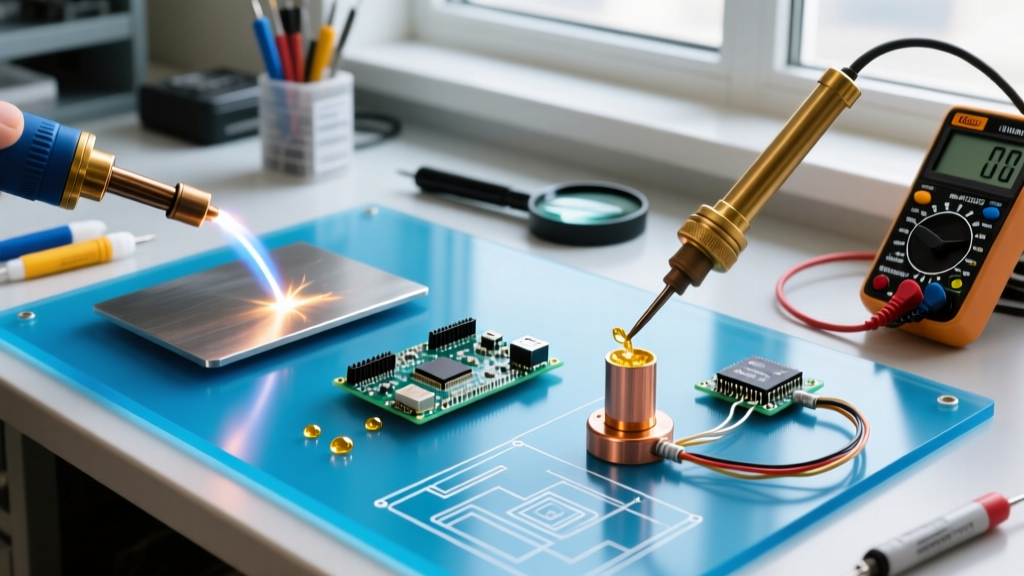
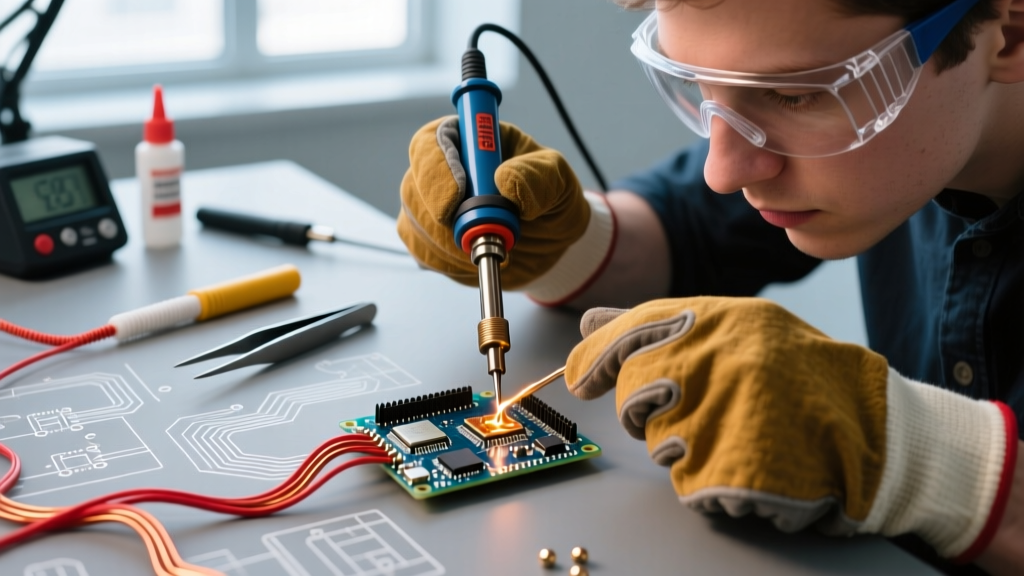
While often grouped together in metalworking and electrical fabrication, welding, brazing, and soldering represent three distinct thermal joining processes with vastly different safety profiles. Understanding the nuances of welding brazing and soldering safety is critical for preventing chronic respiratory issues, acute thermal burns, and long-term heavy metal toxicity in your 2026 workshop environment. Whether you are assembling micro-controllers, joining heavy-gauge electrical lugs, or fabricating steel enclosures, each process demands a tailored approach to Personal Protective Equipment (PPE) and local exhaust ventilation (LEV).
Comparative Hazard Matrix
Before selecting your safety gear, it is vital to understand the specific thermal thresholds and chemical byproducts associated with each joining method. The following matrix outlines the primary hazards across the thermal trinity.
| Process | Temp Range | Primary Fume Hazard | Required PPE & Mitigation |
|---|---|---|---|
| Soldering | 180°C – 400°C | Colophony (Rosin), Aldehydes | Local fume extraction, ANSI Z87.1 glasses |
| Brazing | 450°C – 1200°C | Hydrogen Fluoride, Zinc Oxide | P100/OV Respirator, Face shield, LEV |
| Welding | 1500°C – 3500°C | Ozone, Hexavalent Chromium | Auto-darkening helmet, PAPR, FR clothing |
Soldering Safety: Fume Extraction and Thermal Management
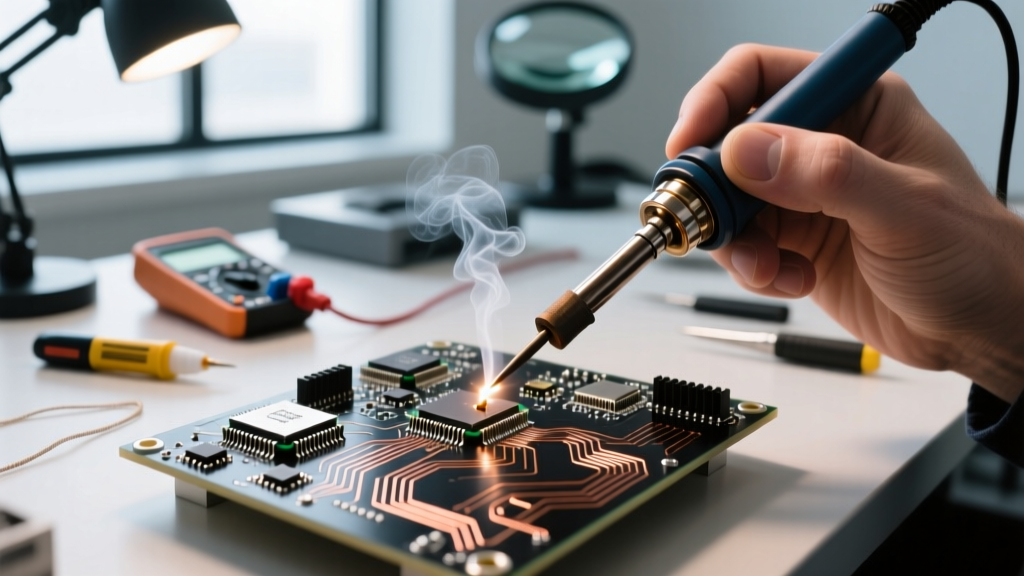
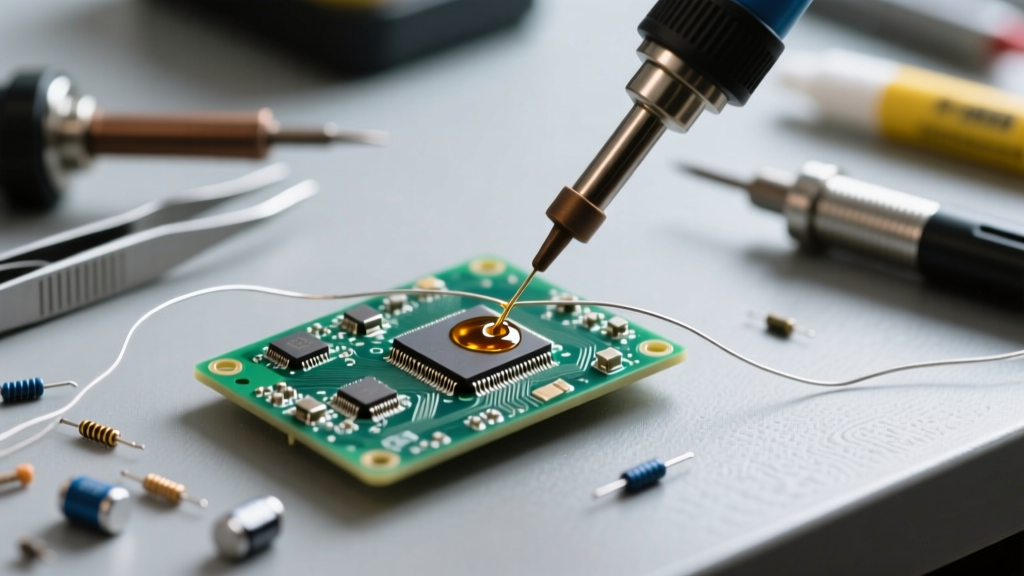
In electronics manufacturing and DIY PCB assembly, soldering is often mistakenly viewed as a low-hazard activity. However, the vaporization of flux cores presents a severe, cumulative respiratory risk.
The Colophony Threat and Temperature Control
Most rosin-based fluxes contain colophony, a known respiratory sensitizer that can trigger occupational asthma. When a soldering iron exceeds the optimal thermal window, the flux does not just melt; it burns, creating toxic isocyanates and aldehydes. For standard Sn63/Pb37 (tin-lead) solder, maintain your iron tip between 320°C and 350°C. For lead-free SAC305 alloys, do not exceed 380°C. Using a high-end station like the Weller WXP120 ensures tight thermal regulation, preventing the flux from degrading into harmful particulates.
Fume extraction is non-negotiable. A basic desktop unit like the Hakko FA-400 (approx. $55) is sufficient for light, intermittent hobby work, utilizing a charcoal filter to reduce odors. However, for professional labs or continuous production, you must invest in a HEPA-filtered LEV system like the Sentry Air Systems Hawk (approx. $1,450), which captures sub-micron colophony particulates that charcoal filters miss entirely.
Brazing Protocols: Flux Fumes and Alloy Toxicity
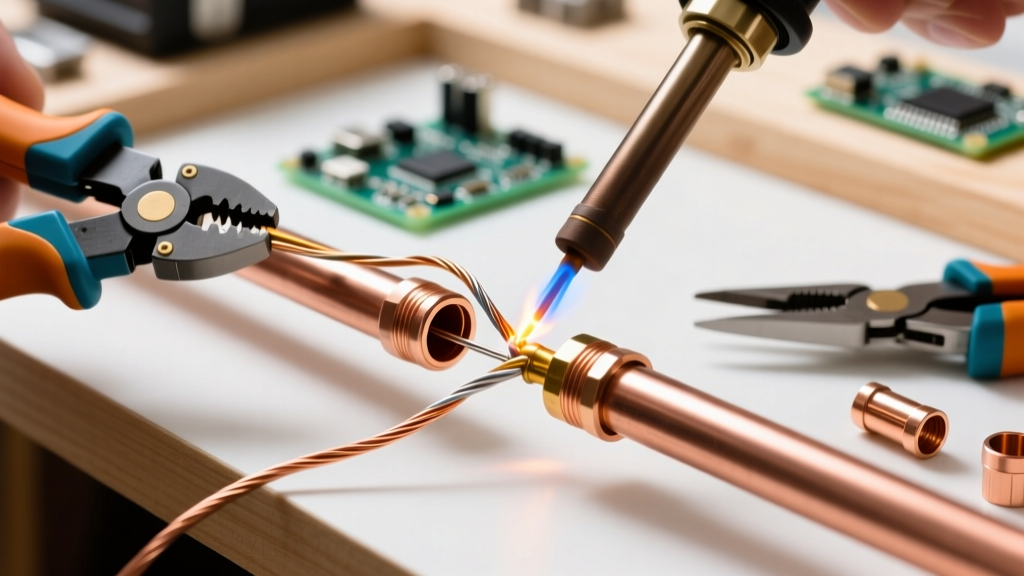
Brazing bridges the gap between soldering and welding, utilizing capillary action to join metals at temperatures above 450°C. It is heavily used in HVAC systems, heavy electrical busbars, and copper piping. The primary safety concerns here revolve around the chemical composition of the filler metals and the aggressive nature of brazing fluxes.
Fluoride and Cadmium Mitigation
Historically, silver brazing alloys contained cadmium to lower the melting point and improve flow. Cadmium oxide fumes are highly toxic, capable of causing severe pulmonary edema and long-term kidney damage. In 2026, the use of cadmium-free alloys like Harris Safety-Silv 45 (approx. $160/lb) is the industry standard. Always verify the alloy composition via the manufacturer's documentation.
Furthermore, brazing fluxes (such as Stay-Silv White Flux) rely on fluorides and chlorides to dissolve metal oxides. When heated, these release hydrogen fluoride gas. According to the NIOSH Welding Safety Guidelines, chronic inhalation of fluoride compounds can lead to skeletal fluorosis. When brazing in enclosed spaces or poorly ventilated garages, a half-mask respirator equipped with P100 particulate filters and Organic Vapor (OV) cartridges is mandatory. Never rely solely on a standard N95 mask for brazing fumes.
Welding Precautions: Arc Flash and Ozone Mitigation
Welding introduces extreme thermal energy, intense ultraviolet (UV) radiation, and complex metallurgical fumes. For electrical fabricators building custom enclosures or welding aluminum heat sinks, Tungsten Inert Gas (TIG) and Metal Inert Gas (MIG) welding are common.
Hexavalent Chromium and PAPR Integration
When TIG welding stainless steel electrical enclosures, the UV radiation and heat convert the natural chromium in the steel into hexavalent chromium (Cr(VI)), a known human carcinogen. The OSHA Standard 1910.252 strictly regulates Cr(VI) exposure limits. General room ventilation is entirely inadequate for stainless steel welding. You must use a source-capture fume extractor or a Powered Air Purifying Respirator (PAPR) integrated into your welding helmet.
Additionally, the UV arc generates ozone gas, which causes acute lung irritation. A high-quality auto-darkening helmet, such as the Lincoln Electric Viking 3350 (approx. $350), protects your corneas from arc flash (photokeratitis), but it does nothing to stop ozone inhalation. Pairing your helmet with a 3M Speedglas PAPR system ensures a continuous supply of filtered, breathable air, completely isolating your respiratory system from the welding plume.
2026 Workspace Safety Budget Breakdown
Outfitting a compliant, multi-discipline fabrication lab requires a strategic investment in safety infrastructure. Below is a realistic budget breakdown for a professional-grade DIY or small business setup.
| Equipment Category | Recommended Model / Type | Estimated Cost (2026) | Application |
|---|---|---|---|
| Electronics Fume Extractor | Sentry Air Systems Hawk (HEPA) | $1,450 | PCB Soldering, Rework |
| Respiratory Protection | 3M Half Mask 6300 + 2097 Filters | $45 | Brazing, Light Welding |
| PAPR Welding System | Lincoln Electric Viking PAPR Kit | $1,100 | Stainless TIG/MIG Welding |
| Thermal Burn Kit | Burnshield Hydrogel Dressings | $35 | First Aid (All Processes) |
| Fire Retardant Blanket | Welding Blanket (Carbon Graphite) | $85 | Workspace Isolation |
Emergency Response and Chemical Hygiene
Despite rigorous preventative measures, thermal and chemical accidents occur. For thermal burns from molten solder or brazing spatter, immediately cool the affected area with tepid running water for a minimum of 20 minutes. Never apply ice, butter, or adhesive bandages directly to a fresh burn. Keep Burnshield hydrogel dressings in your lab's first aid kit; these provide immediate cooling and prevent the dressing from adhering to damaged tissue.
Chemical hygiene is equally critical. Flux residues from both soldering and brazing are highly corrosive and can cause severe contact dermatitis. Always wash your hands with a heavy-duty pumice soap after handling bare filler metals or uncured flux pastes. Furthermore, maintain an organized, accessible binder of Safety Data Sheets (SDS) for every alloy and chemical in your shop. As outlined by the OSHA Safety Data Sheet Requirements, immediate access to SDS documentation is legally required and vital for emergency medical personnel to treat specific heavy metal or fluoride exposures accurately.
Pro Tip: Never use a wire brush to clean a hot brazed or welded joint without a face shield. The brittle flux slag and microscopic wire bristles can easily fracture and embed themselves in your cornea, requiring emergency surgical extraction.
Mastering the safety protocols of welding brazing and soldering transforms your workshop from a hazardous environment into a controlled, professional fabrication space. By respecting the unique thermal and chemical boundaries of each process, you ensure both the integrity of your electrical assemblies and the longevity of your health.