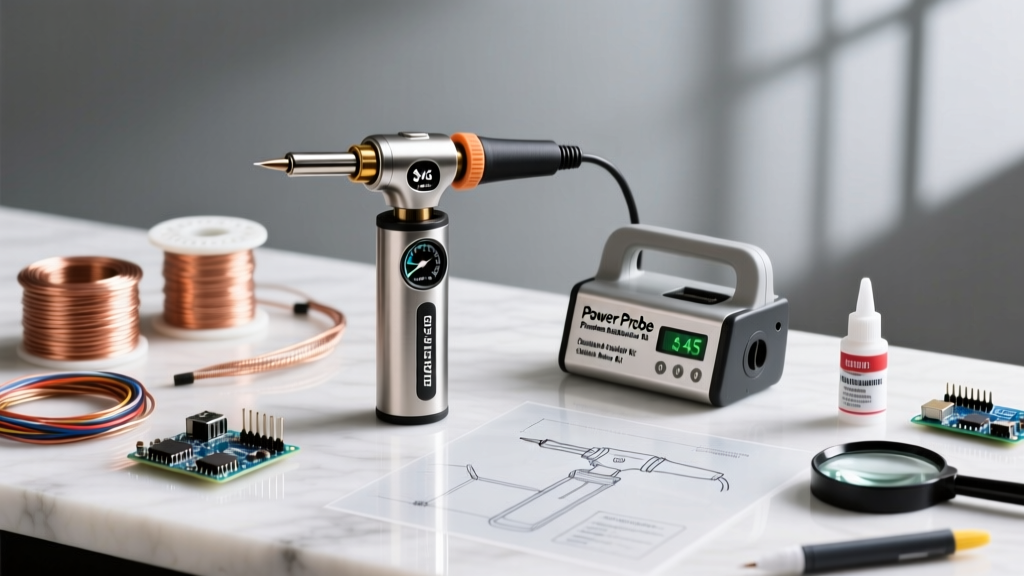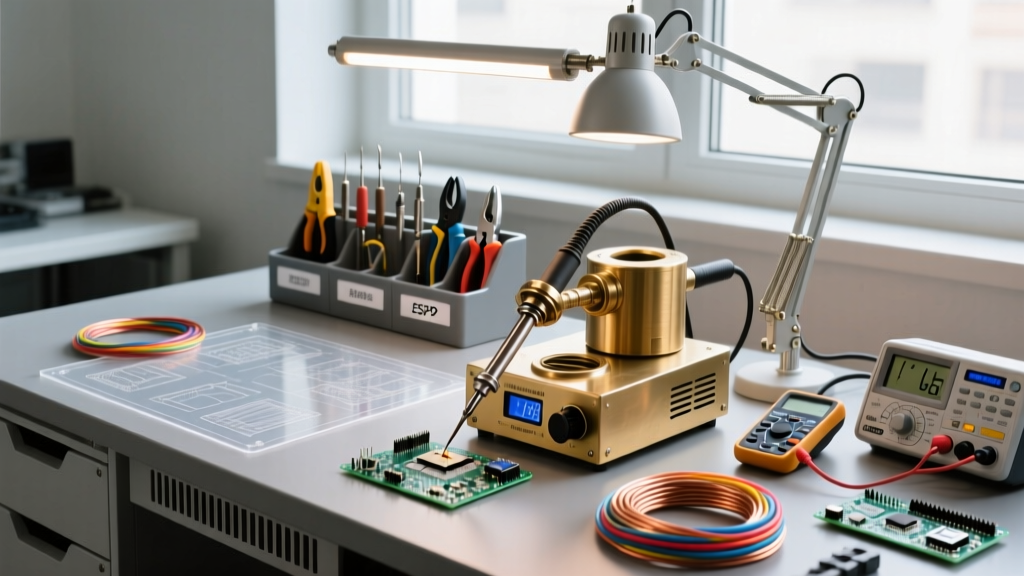

Soldering brass is fundamentally different from tinning a PCB trace or joining copper wire. Brass alloys (such as C260 cartridge brass or C360 free-machining brass) possess high thermal mass and thermal conductivity (approximately 109 W/m·K). When you apply heat, the brass acts as a massive heat sink, rapidly pulling thermal energy away from your iron's tip. If your workspace and tools are not configured correctly, you will experience cold joints, oxidized pads, and degraded tips. Setting up a dedicated workspace for a heavy-duty brass soldering kit requires addressing thermal recovery, specialized flux chemistry, and strict respiratory safety protocols.
Station Selection: Overcoming Brass Thermal Mass
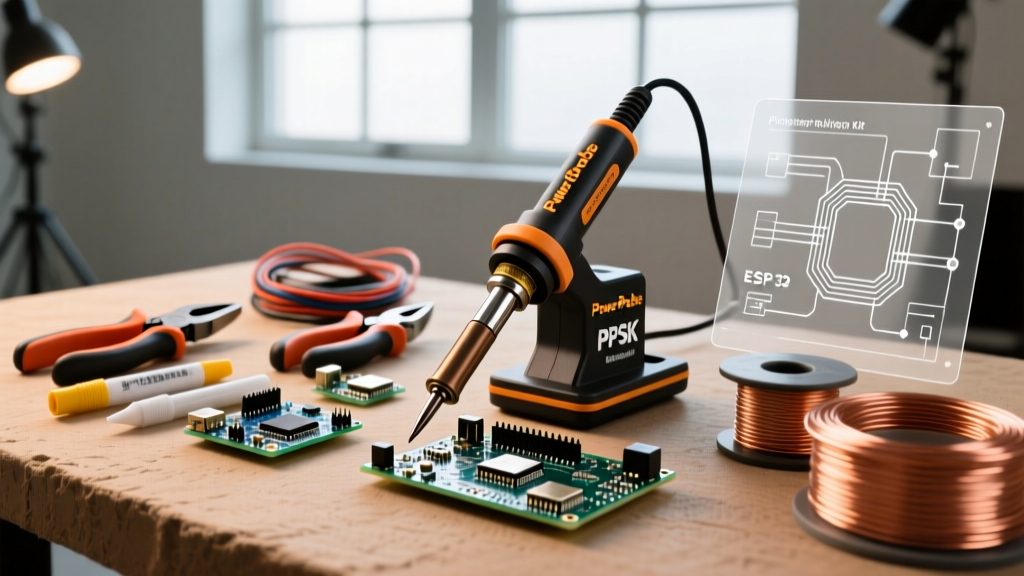
Standard 40W to 60W soldering stations are insufficient for structural brass work. To maintain a stable tip temperature of 350°C to 400°C while in contact with high-mass brass components, you need a station with aggressive thermal recovery and a minimum of 75W to 150W output.
- Weller WE1010NA (70W): Priced around $135 in 2026, this is the entry-level baseline. It features a digital readout and decent recovery, but may struggle with brass chassis thicker than 2mm.
- Hakko FX-951 (70W): At approximately $320, the FX-951 uses composite ceramic heaters that provide near-instantaneous thermal feedback. It excels at maintaining temperature when touching thick brass RC car components or custom keyboard plates.
- Metcal CV-5200 (135W+): For professional fabrication, Metcal's SmartHeat induction technology (approx. $450) senses the magnetic Curie point of the tip. It delivers maximum power exactly where the thermal load is highest, making it the ultimate choice for continuous brass soldering.
The Brass Wool Imperative: Tip Maintenance Setup
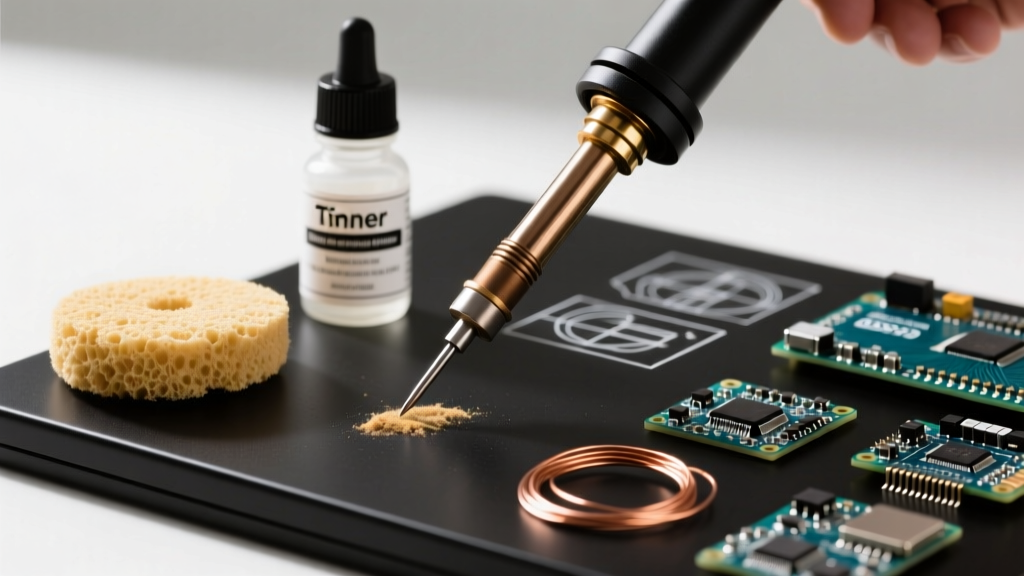
A premium brass soldering kit should always include a brass wire sponge cleaner (such as the Hakko 599B or Weller WDC2) rather than a traditional cellulose sponge. When soldering brass, your tip is operating at 380°C or higher. Plunging a 380°C tip into a wet cellulose sponge causes a sudden temperature drop of over 100°C. This extreme thermal shock micro-fractures the iron plating on your tip, leading to rapid pitting and failure.
Brass wool shavings clean the oxidized solder and carbonized flux residue mechanically, dropping the tip temperature by only 10°C to 15°C. Position your brass wool cleaner within a 4-inch radius of your iron's resting position to minimize heat loss during transit.
Fume Extraction and Respiratory Safety
This is the most critical, yet frequently ignored, aspect of a brass soldering workspace. Brass contains significant amounts of zinc (up to 35% in some alloys). Zinc boils at 907°C (1665°F). While your iron operates below this, localized micro-welding arcs or the use of high-temperature torches for large brass joints can vaporize zinc, creating toxic zinc oxide fumes. Inhalation causes 'metal fume fever,' a flu-like condition.
Safety Warning: According to the CDC NIOSH Welding and Brazing Safety guidelines, adequate local exhaust ventilation (LEV) is mandatory when working with zinc-bearing alloys. Furthermore, OSHA Welding, Cutting, and Brazing Standards dictate that fume extraction must capture emissions at the source before they reach the operator's breathing zone.
Workspace Setup: Mount a localized fume extractor, such as the Hakko FA-400 or the Metcal MX-FAE, directly behind your workpiece. Ensure the intake hood is positioned 2 to 4 inches from the solder joint. For high-volume brass fabrication, supplement this with a HEPA/Carbon overhead filtration system.
Flux and Filler Metal Selection Matrix
Standard rosin flux (RMA) lacks the chemical activity required to break through the tough zinc oxide layer that forms on heated brass. You must use an Organic Acid (OA) or specialized zinc-chloride paste. Below is a decision matrix for selecting the right chemistry for your kit.
| Flux Type | Brand / Model Example | Best Use Case | Post-Solder Cleaning |
|---|---|---|---|
| Organic Acid (OA) | Superior No. 71 | Raw brass to brass mechanical joints | Mandatory (Warm water + brush) |
| Zinc-Chloride Paste | Rubyfluid Paste | Heavy structural brass, plumbing | Mandatory (Highly corrosive) |
| No-Clean (Tacky) | Amtech NC-559-V2-TF | Tinning brass wires for PCB insertion | Optional (Isopropyl Alcohol) |
Note: As of 2026, adherence to IPC Standards for electronic assemblies requires strict residue documentation. If your brass component interfaces with a PCB, use No-Clean flux and avoid OA pastes to prevent long-term dendritic growth.
Step-by-Step Bench Layout Optimization
- Base Layer: Discard standard silicone mats. Silicone degrades and becomes brittle when exposed to sustained 400°C temperatures. Use a woven fiberglass mat or a high-temp ceramic bench tile.
- Workholding: Brass retains heat for minutes after the iron is removed. Use a cast-iron 'third hand' or a heavy-duty PCB vise with brass-tipped alligator clips. Avoid plastic-jawed clamps, which will melt upon contact with the heated workpiece.
- Pre-Heating Zone: For massive brass enclosures, integrate a PTC benchtop pre-heater (like the Quick 853A) set to 120°C. Pre-heating the brass reduces the thermal delta, allowing your soldering iron to focus on melting the solder rather than heating the entire chassis.
- Quench Station: Keep a small bowl of distilled water and a brass wire brush nearby to clean off aggressive zinc-chloride fluxes immediately after the joint cools.
Troubleshooting Common Brass Soldering Failures
The 'Ball-Up' Effect (Poor Wetting)
Cause: The zinc oxide layer on the brass was not neutralized, or the iron lacked the wattage to maintain flow temperature.
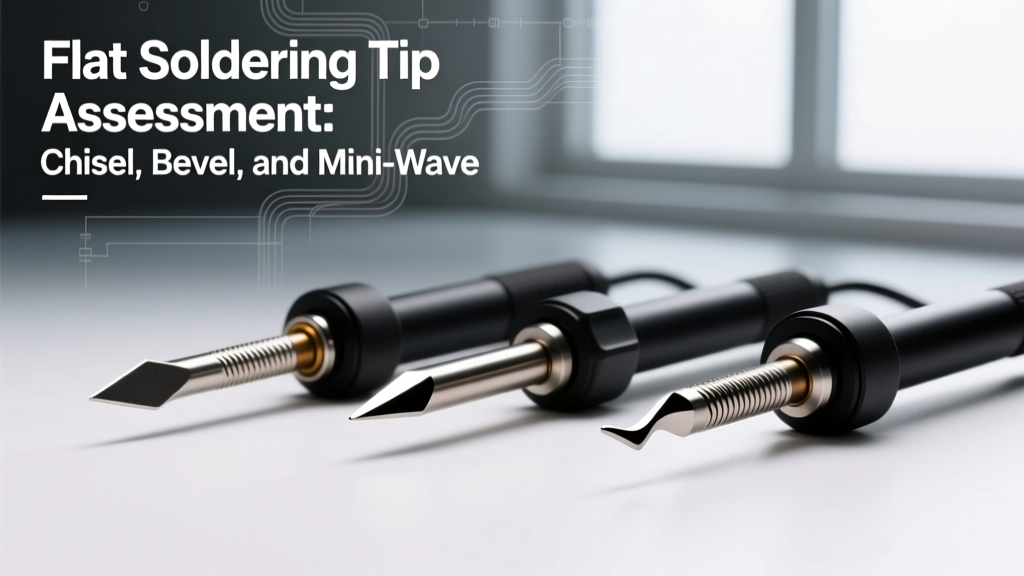
Fix: Mechanically abrade the brass surface with 400-grit sandpaper immediately before applying Superior No. 71 flux. Increase station temperature by 20°C and use a chisel tip (like the Weller ETA or Hakko D24) to maximize surface area contact.
Pitted and Blackened Tips
Cause: Using a wet sponge at 400°C, or leaving aggressive OA flux on the tip when returning the iron to the holder.
Fix: Switch exclusively to brass wool. Before holstering the iron, 'tin' the tip with a generous glob of 63/37 leaded solder to create a sacrificial oxidation barrier.
Configuring your bench specifically for the unique metallurgical demands of brass transforms a frustrating, joint-failing chore into a precise, repeatable process. By investing in high-recovery thermal stations, brass wool maintenance, and aggressive localized fume extraction, your heavy-duty kit will yield aerospace-grade joints every time.