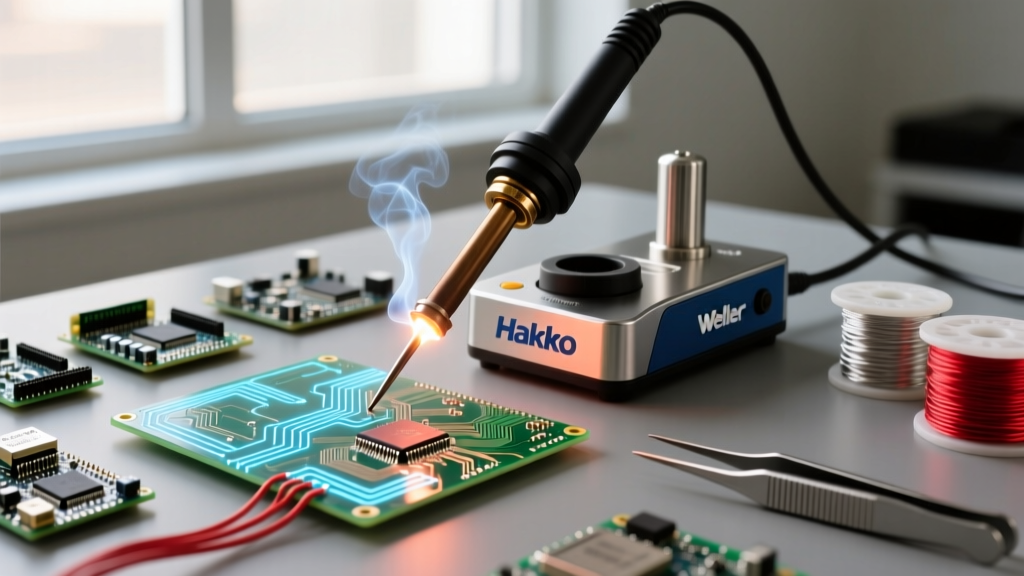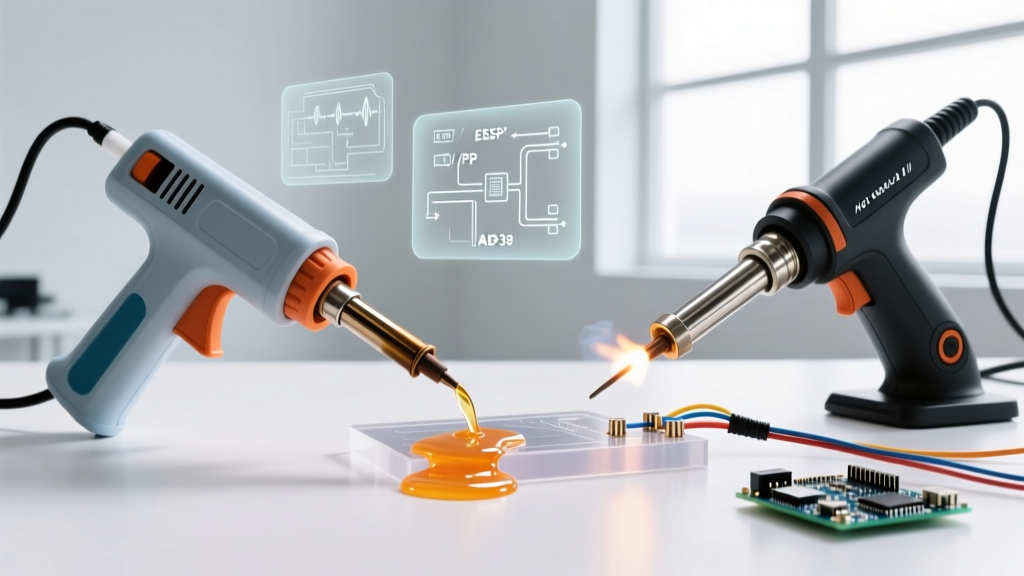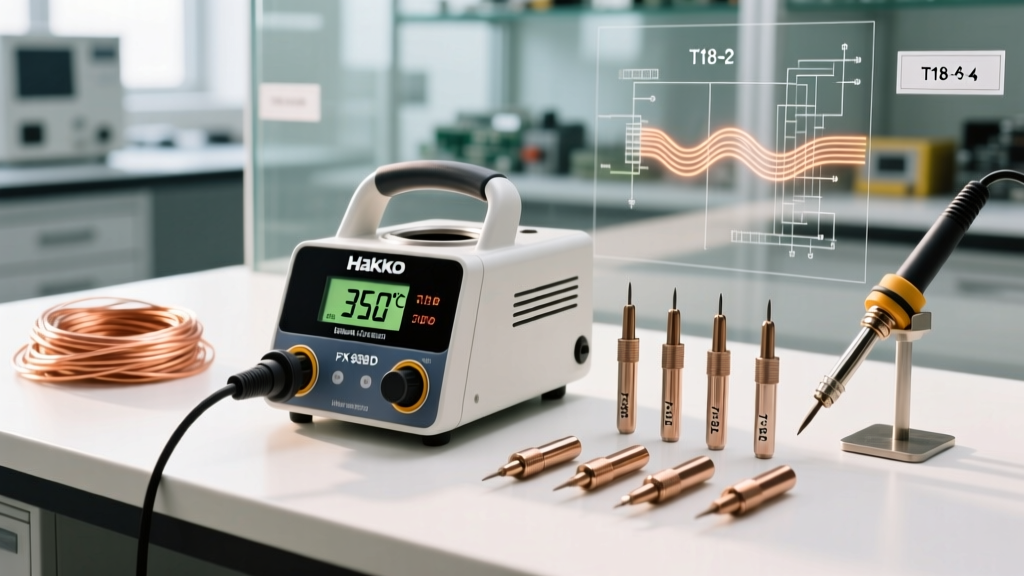

The Core Purpose: What Is a Soldering Gun Used For?
If you are stepping into the world of electronics, automotive repair, or heavy-duty wiring, you have likely encountered the pistol-shaped, trigger-operated tool known as a soldering gun. But what is a soldering gun used for, and how does it differ from the pencil-style soldering irons used for circuit boards?
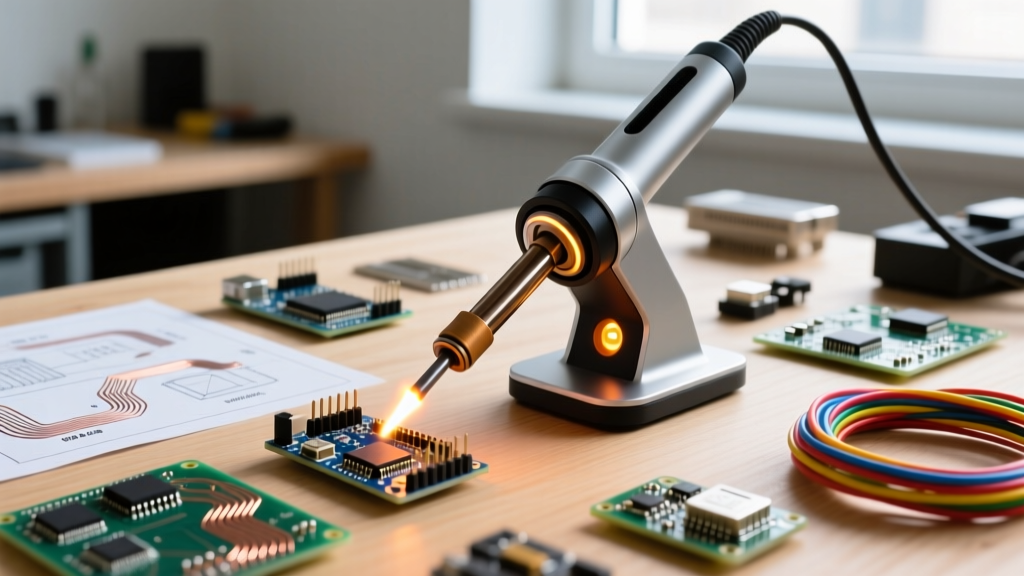
At its core, a soldering gun is a high-wattage, transformer-based thermal tool designed to deliver massive amounts of heat to large, high-thermal-mass joints almost instantly. While a standard 40-watt soldering iron relies on a resistive heating element inside a ceramic core, a soldering gun uses a step-down transformer in its handle. The secondary coil of this transformer is often just a single loop of thick copper (the tip itself). This design drops the voltage to under 1 volt but spikes the amperage to over 100 amps, causing the tip to heat up to 900°F+ in less than three seconds.
Because of this unique physics profile, soldering guns are strictly reserved for specific, heavy-duty applications. Using one on delicate electronics will destroy your components, but using a standard iron on heavy wiring will result in cold, brittle joints. Let us break down exactly where this tool shines in 2026.
1. Heavy-Duty Electrical Wiring (10 AWG to 4/0 AWG)
When you are joining thick copper wires, the wire itself acts as a massive heat sink. If you apply a standard 60W soldering station to a 6 AWG wire, the copper will rapidly draw the heat away from the tip, dropping the temperature below the solder’s melting point. This results in a "cold joint"—a grainy, weak connection that will eventually fail under electrical load. A 240W soldering gun pushes through this thermal mass, bringing the entire wire cross-section up to the 450°F melting point of 60/40 tin-lead solder in seconds.
2. Automotive, Marine, and Aviation Battery Terminals
Marine environments demand bulletproof electrical connections to prevent corrosion and voltage drop. Soldering heavy copper lugs (such as 2 AWG or 4 AWG battery cables) to brass or copper terminals requires sustained, high-amperage heat. Soldering guns are the undisputed kings of the boat garage and the mechanic’s bay for terminating heavy ring terminals and busbars.
3. Stained Glass and Thick Copper Plumbing
Artisans working with stained glass use soldering guns to run continuous, thick beads of 60/40 or 50/50 solder along copper foil tape. The trigger operation allows the user to modulate heat on the fly, backing off slightly when approaching a delicate glass edge. Similarly, for small-scale copper plumbing repairs where a blowtorch poses a fire hazard, a high-wattage gun can sweat small fittings and valves safely.
Soldering Gun vs. Soldering Station: A 2026 Comparison
To understand the ecosystem of soldering tools, it helps to compare the heavy-duty gun against the modern digital soldering station. Below is a functional matrix for beginners:
| Feature | Soldering Gun (e.g., Weller D550) | Digital Station (e.g., Hakko FX-888D) |
|---|---|---|
| Wattage Output | 120W / 240W (Dual Trigger) | 70W (Adjustable via software) |
| Heat-Up Time | 1.5 to 3 seconds | 20 to 40 seconds |
| Temperature Control | None (Fixed by transformer physics) | Precise PID control (390°F - 890°F) |
| Best Application | Heavy wire, lugs, stained glass | PCBs, SMD, delicate connectors |
| Risk to Electronics | Extreme (Fries sensitive ICs) | Low (When used correctly) |
| Average Price (2026) | $115 - $140 | $110 - $130 |
The Golden Rule: Why You Must Never Use a Gun on PCBs
Beginners often assume that because a soldering gun gets hotter and faster, it must be "better" for everything. This is a critical mistake. You must never use a transformer-based soldering gun on printed circuit boards (PCBs) or sensitive semiconductors for two primary reasons:
- Electromagnetic Induction: The step-down transformer generates a powerful alternating magnetic field at the tip. If you touch the tip to a PCB trace or a component lead, it can induce a localized AC voltage. This induced current is more than enough to instantly gate-blow a MOSFET or fry a sensitive microcontroller.
- AC Ripple and Ground Loops: Unlike DC-powered ceramic irons, the tip of a soldering gun carries raw, unrectified alternating current. If your circuit is grounded, touching it with the gun can create a short circuit through the tool’s internal windings.
- Thermal Shock: A gun tip operates at roughly 900°F to 1,000°F. Applying this to a delicate surface-mount pad will delaminate the fiberglass FR4 substrate and lift the copper pad right off the board.
"The use of transformer-type soldering guns is strictly prohibited for the assembly and repair of sensitive electronic printed wiring boards due to the risk of induced electromagnetic damage and thermal overstress." — Adapted from general ESD and thermal safety protocols in modern electronics manufacturing.
Step-by-Step: Soldering a 4 AWG Marine Battery Lug
To demonstrate what a soldering gun is used for in practice, here is a professional-grade workflow for terminating a heavy-gauge marine wire. This methodology aligns with the stringent criteria outlined in NASA-STD-8739.3 for soldered electrical connections, which demands complete wetting and a visible fillet.
- Preparation: Strip exactly 5/8" of insulation from a 4 AWG marine-grade tinned copper wire. Do not nick the strands.
- Flux Application: Apply a generous coat of Kester 186 Mildly Activated (RMA) Rosin Flux to the exposed wire strands and the inside barrel of the copper ring terminal.
- Mechanical Insertion: Push the wire fully into the lug barrel. Ensure no strands are splayed outside the metal.
- Pre-Tinning the Gun Tip: Squeeze the trigger to the first position (120W). Melt a tiny amount of solder onto the gun tip to create a thermal bridge.
- Heating the Joint: Press the tinned tip against the outside of the copper lug barrel (not the wire itself). Squeeze the trigger fully to engage the 240W high setting. Hold for 3 to 5 seconds until the flux bubbles and smokes.
- Feeding the Solder: Remove the gun tip slightly, and immediately touch 0.062" diameter 60/40 rosin-core solder to the opposite side of the lug barrel. The heat should draw the solder through the joint via capillary action.
- Cooling: Remove the solder, then remove the heat. Hold the wire perfectly still for 10 seconds. The joint should cool to a bright, shiny silver finish. Clean the residual flux with 99% isopropyl alcohol.
Essential Consumables for High-Wattage Soldering
A soldering gun is only as good as the chemistry you pair it with. High-wattage tools require specific consumables to prevent oxidation and ensure structural integrity.
- Solder Alloy: For DIY, automotive, and marine use, 63/37 Eutectic or 60/40 Tin-Lead remains the gold standard in 2026 due to its lower melting point (361°F) and superior wetting characteristics. Lead-free SAC305 requires significantly higher temperatures that can overwhelm standard gun tips and degrade the flux too rapidly.
- Solder Diameter: Use thicker wire solder for guns. A 0.062" (1.5mm) or 0.080" (2.0mm) diameter is ideal. Thin 0.031" solder will vaporize its flux core before the heavy lug reaches temperature.
- Flux: The flux core inside the solder is rarely enough for heavy oxidation. Keep a small tin of paste flux (like Rubyfluid or Kester 186) on your bench. For plumbing, use a dedicated water-soluble plumbing paste, but never use plumbing acid flux on electrical wires, as it will corrode the copper from the inside out over time.
Top Soldering Guns for Beginners in 2026
If you have determined that your projects require a gun, here are the most reliable models currently dominating the market:
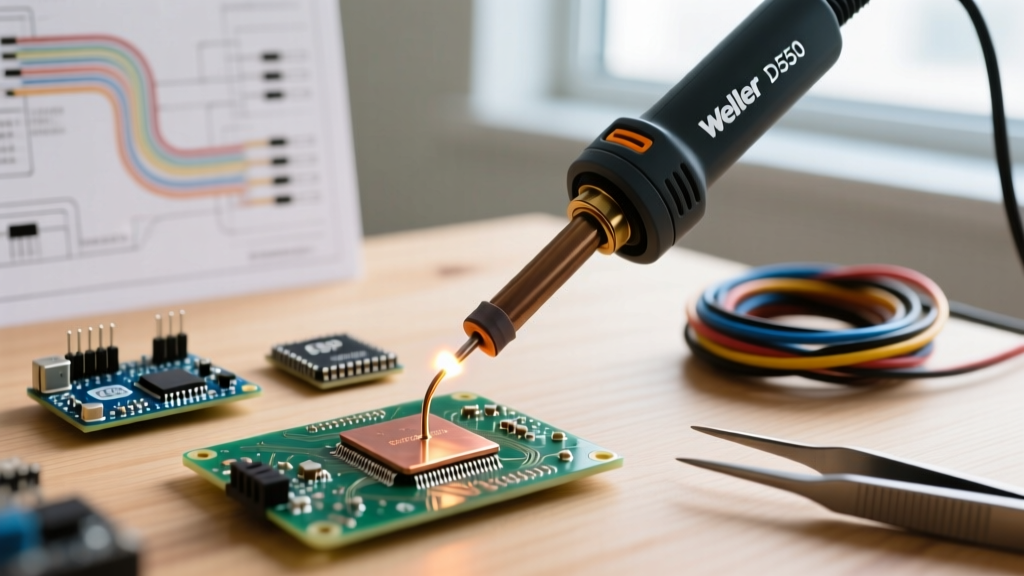
- Weller D550PK (120W/240W): The undisputed heavyweight champion. Priced around $125, it features a dual-stage trigger and a built-in LED work light. Replacement tips are cheap and universally available.
- Weller 8200N-60C (100W/140W): A slightly lighter, more ergonomic option for stained glass artists and hobbyists working with 12 AWG to 16 AWG wires. Retails for roughly $85.
- Tabiger 200W Heavy Duty Gun: A budget-friendly alternative (approx. $35) for occasional plumbing or fencing wire. However, the tip longevity and transformer winding quality do not match the Weller lineage.
Safety and Fume Management
Soldering guns vaporize flux at a much higher rate than precision irons, creating dense plumes of rosin smoke and, if using leaded solder, microscopic particulate matter. According to environmental health and safety guidelines from institutions like MIT EHS, chronic inhalation of colophony (rosin) fumes can lead to occupational asthma and respiratory sensitization.
Always operate your soldering gun in a well-ventilated area. At a minimum, use a desktop HEPA and activated carbon fume extractor (such as the Hakko FA-400) positioned 6 inches from the joint. Furthermore, because the tip operates near 1,000°F, always utilize a heavy-duty silicone mat to protect your workbench from instant scorch marks. For a deeper understanding of industry-standard soldering requirements and inspection criteria, reviewing the IPC J-STD-001 documentation is highly recommended for any aspiring technician.
Final Thoughts
Understanding what a soldering gun is used for is about recognizing the limits of thermal dynamics. It is a brute-force instrument designed for brute-force tasks. Keep it away from your Arduino boards and delicate PCBs, but keep it within arm's reach when it is time to build a custom battery bank, wire a car audio amplifier, or restore a classic vehicle's wiring harness. Master the gun, and you unlock the ability to build electrical connections that will outlast the devices they power.