
Defining the Soldering Iron Wearer Profession
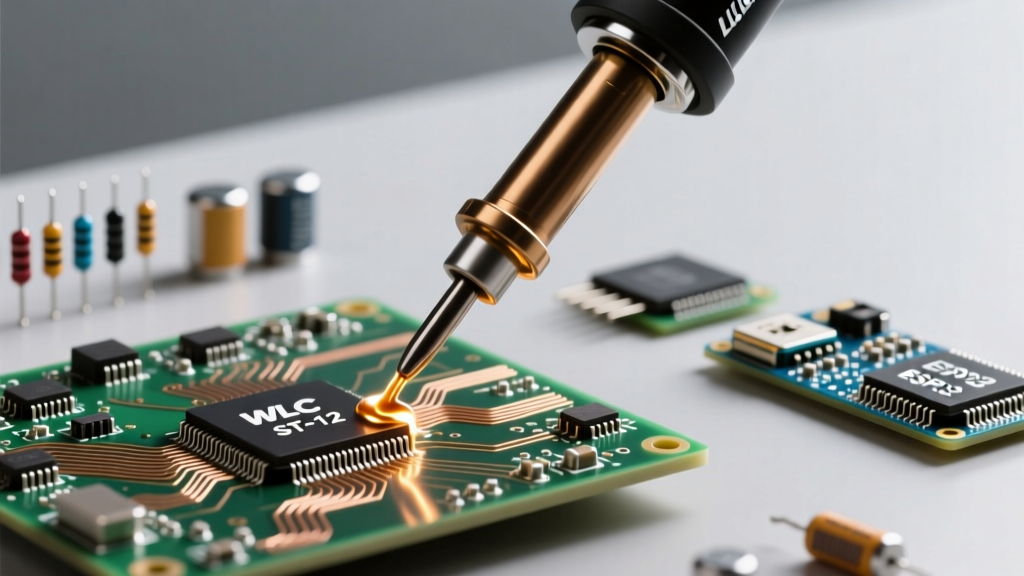
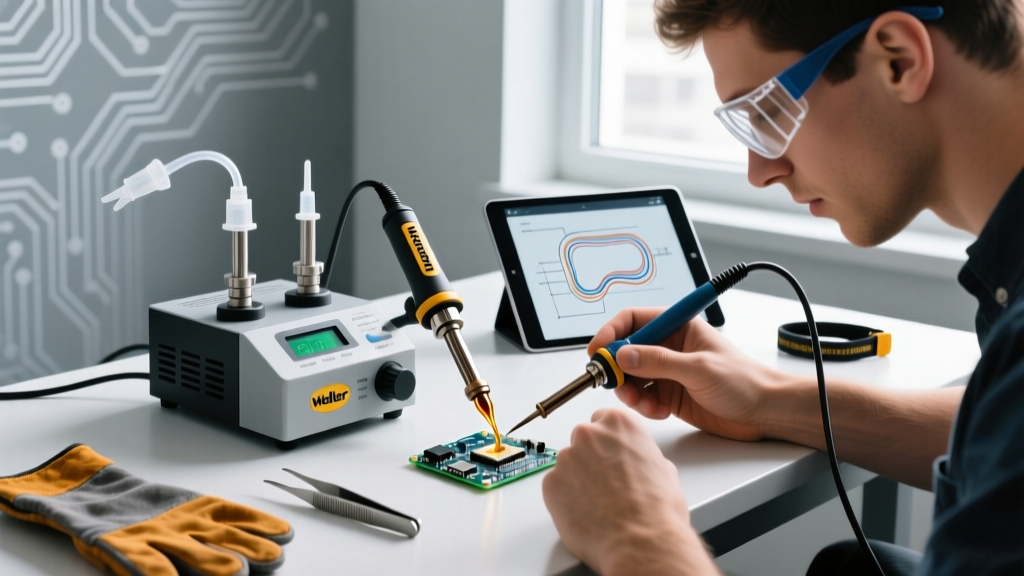
When enthusiasts transition from casual hobbyists to paid technicians, they enter what industry veterans often refer to as a dedicated soldering iron wearer profession. This term encompasses not just the physical act of wielding a heated iron, but the comprehensive adoption of professional-grade personal protective equipment (PPE), electrostatic discharge (ESD) safety protocols, and adherence to industry standards like IPC-A-610. Entering a soldering iron wearer profession requires a fundamental shift in how you view your workbench: it is no longer just a table, but a controlled environment where thermal precision, chemical safety, and component integrity intersect.
As of 2026, the barrier to entry for professional soldering has lowered thanks to advanced portable stations, yet the strict requirements for safety and reliability remain unchanged. Whether you are repairing multi-layer motherboards, assembling aerospace wiring harnesses, or restoring vintage audio equipment, your toolchain and wearable safety gear must match the demands of your specific trade.
The Matrix of Soldering Professions
Different trades demand vastly different thermal profiles and tip geometries. Below is a breakdown of the primary fields within this discipline and their baseline equipment requirements.
| Profession | Primary Tasks | Recommended Station Type | Ideal Tip Geometry | Typical Temp Range |
|---|---|---|---|---|
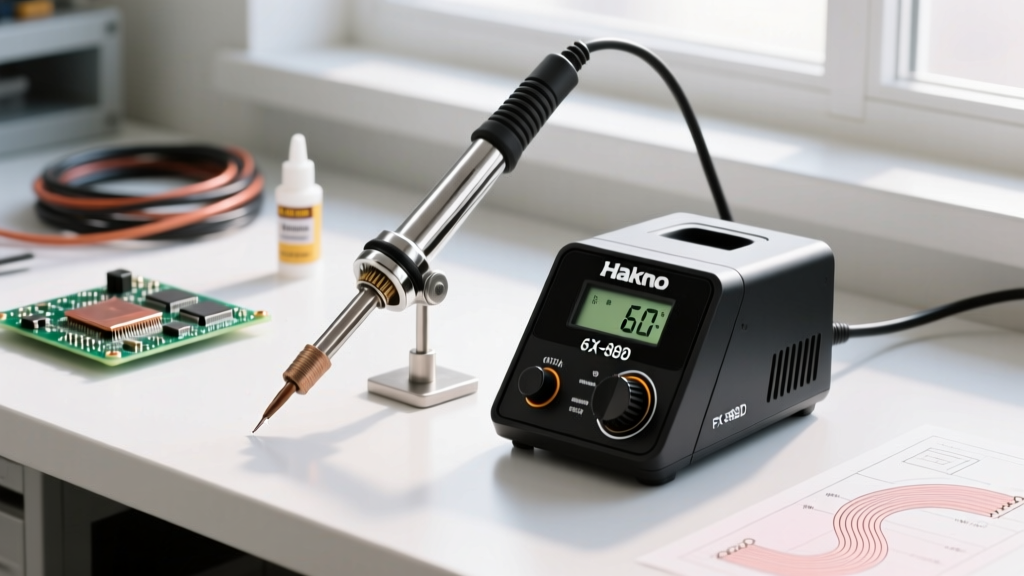
| PCB Rework & Repair | SMD component replacement, BGA rework, trace repair | Digital ESD-safe (e.g., Hakko FX-951) | Micro-conical (T15-I), Hot Air | 320°C - 360°C |
| Automotive Electronics | ECU pinning, heavy-gauge wire splicing, sensor repair | High-Wattage Analog/Digital (e.g., Weller WE1010NA) | Heavy Chisel (ET-LL), Blade | 380°C - 420°C |
| Audio/Visual Tech | XLR connector wiring, potentiometer replacement, tube amp repair | Mid-range Digital (e.g., Hakko FX-888D) | Standard Chisel (T18-D24) | 340°C - 380°C |
| Field Service Tech | On-site drone repair, telecom tower splicing, emergency fixes | USB-C PD Portable (e.g., Pinecil V2) | Interchangeable Mini-tips | 300°C - 380°C |
The Operator's Armor: Essential PPE for the Wearer
The 'wearer' aspect of this profession is critical. Soldering generates particulate matter, volatile organic compounds (VOCs) from flux, and poses severe burn and ESD risks. According to OSHA's guidelines on lead exposure, even when using lead-free SAC305 alloys, the flux activators and rosin vapors pose significant respiratory hazards over prolonged exposure.
1. Fume Extraction Systems
Never rely on passive room ventilation. A professional bench requires an active HEPA and activated carbon filtration system. The Hakko FA-400 (priced around $55-$65 in 2026) remains the gold standard for entry-to-mid-level professionals. It pulls fumes away from the breathing zone at a rate of 31 CFM. For higher-volume manufacturing, overhead extraction arms like the Metcal MX-AIR are mandatory.
2. Electrostatic Discharge (ESD) Wearables
Modern MOSFETs and microcontrollers can be destroyed by ESD events as low as 30 volts—far below the human threshold of feeling a shock. Adhering to ESD Association standards requires the operator to wear a grounded wrist strap. The Desco 0465 adjustable wrist strap with a 1-megohm safety resistor (approx. $15) is a non-negotiable piece of gear. This resistor protects the wearer from lethal mains shocks if the ground wire accidentally contacts live voltage while still safely dissipating static charge.
3. Optical and Thermal Protection
Flux spatter can reach temperatures exceeding 200°C and travel several inches when a wet sponge is used for tip cleaning. Polycarbonate safety glasses, such as the Uvex Genesis XC, provide necessary wrap-around protection. Furthermore, heat-resistant silicone bench mats (rated for 500°C) protect the work surface from accidental iron drops, a common failure mode for beginners.
Matching the Soldering Station to the Profession
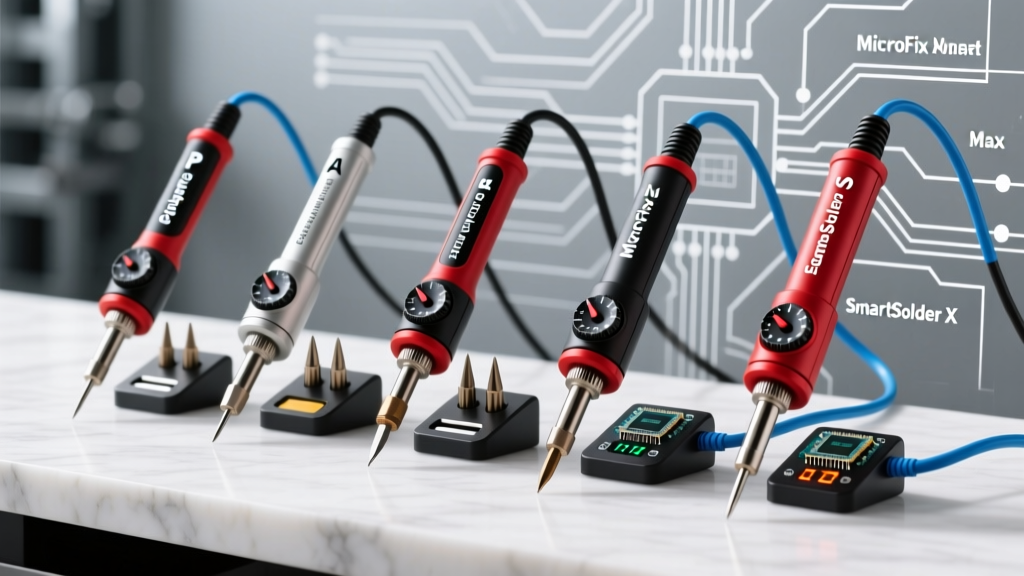
Selecting the right iron is about thermal recovery, not just peak temperature. A 40-watt iron might reach 400°C, but it will fail to maintain that temperature when touching a large ground plane, resulting in cold, brittle solder joints.
The Workhorse: Hakko FX-888D
Priced between $110 and $130, the Hakko FX-888D delivers 70 watts of power and utilizes the T18 tip series. It is the undisputed champion for general electronics repair and audio-visual wiring. Its ceramic heater ensures rapid thermal recovery. Pro Tip: The digital interface requires a two-step button press to change temperatures, which prevents accidental bumps on the workbench from altering your thermal profile mid-job.
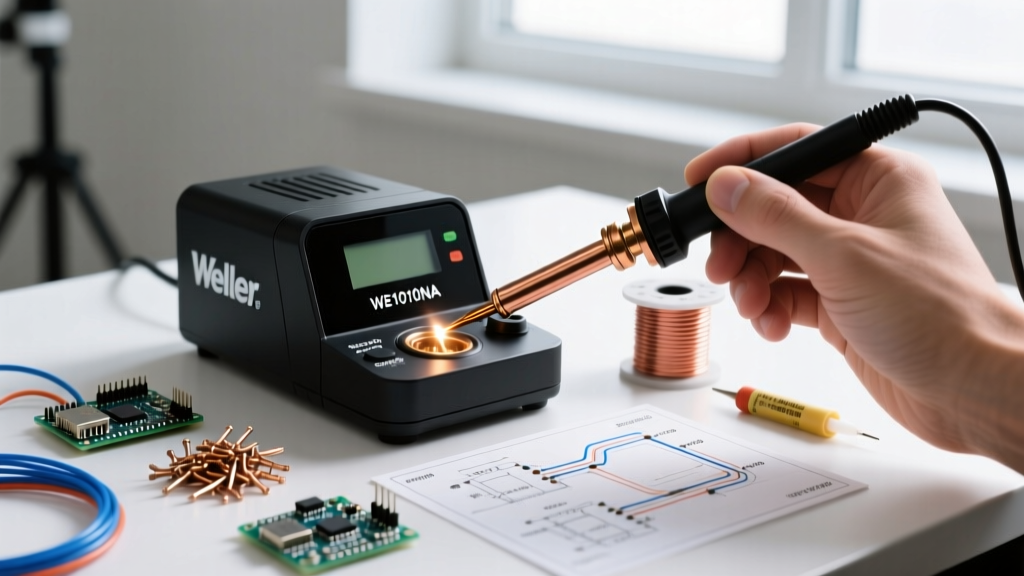
The Heavy Duty Option: Weller WE1010NA
For automotive and heavy-gauge wiring, the Weller WE1010NA ($120-$140) offers 70 watts but is optimized for the heavier ET-series tips. The massive thermal mass of the ET-LL chisel tip allows it to pump heat into 12AWG copper wires and large ground lugs without stalling.
The Modern Field Tech: Pinecil V2
For field service technicians, the Pinecil V2 ($26-$30) has revolutionized portable soldering. Powered via USB-C Power Delivery (up to 65W), it runs on a RISC-V processor and boots to soldering temperature in under 8 seconds. It supports custom firmware via the IronOS open-source community, allowing technicians to program specific thermal curves for sensitive aerospace connectors.
Edge Cases and Common Failure Modes
Even with the best gear, operators in a soldering iron wearer profession frequently encounter specific technical pitfalls. Understanding these edge cases separates the amateur from the professional.
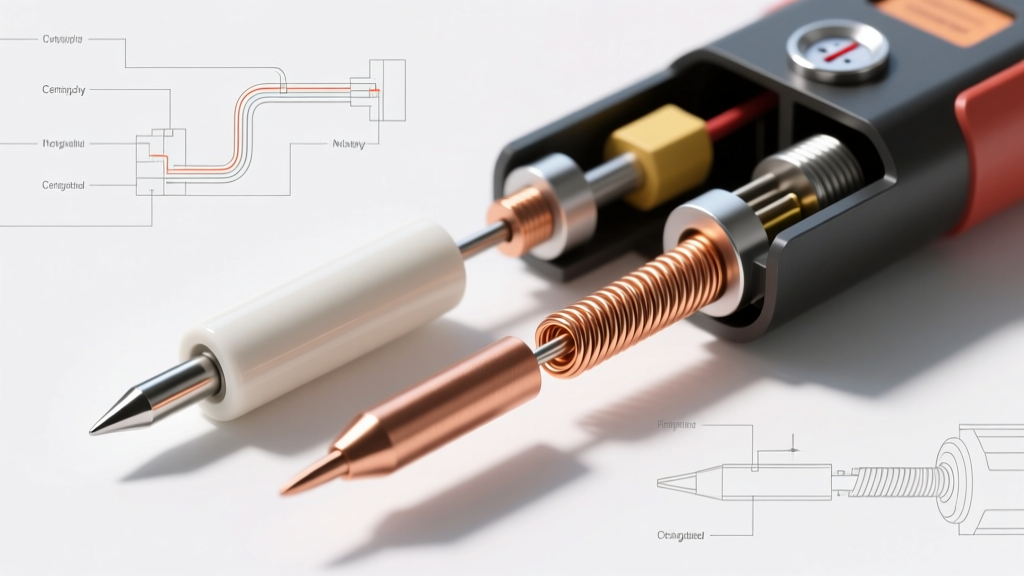
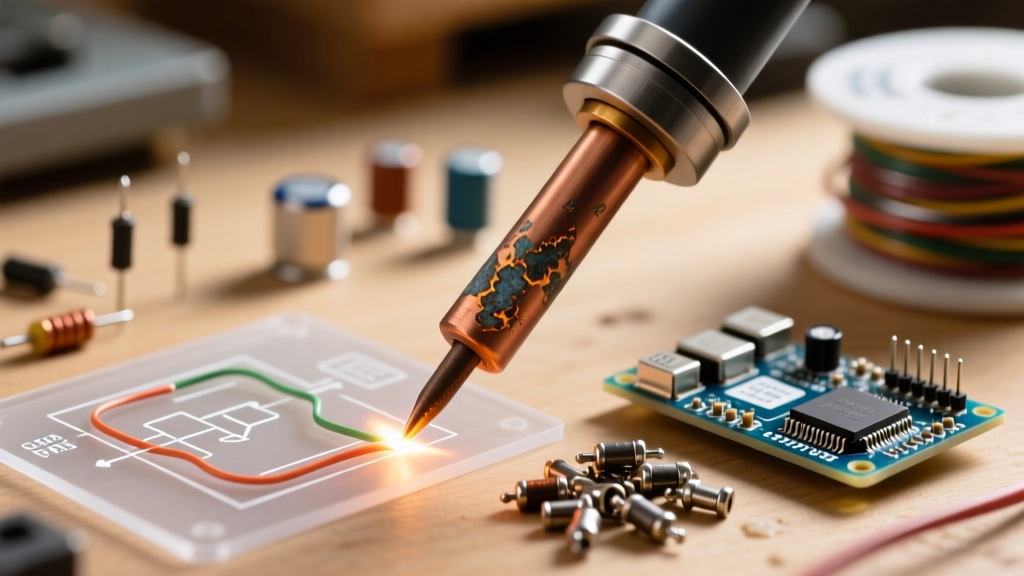
The Black Crust Phenomenon: Leaving a tinned iron idle at 380°C for more than 10 minutes causes the flux core in the solder to carbonize and the tin to oxidize. This creates a black, non-wettable crust on the tip. Solution: Never use abrasives or sandpaper to clean a tip; this strips the iron plating. Instead, use a brass wire sponge (like the Hakko 599B) and apply a generous blob of leaded 63/37 solder to re-tin and protect the tip when powering down.
- Thermal Runaway on Ground Planes: When soldering a via connected to an internal ground plane on a 4-layer PCB, the copper acts as a massive heatsink. If the iron's thermal recovery is slow, the operator will hold the iron longer, melting the solder mask and delaminating the board. Solution: Use a pre-heater (like the PTC-based A-BF models) to bring the ambient board temperature to 100°C before applying the iron.
- Flux Starvation in Lead-Free Alloys: Lead-free SAC305 solder has a higher melting point (217°C vs 183°C for Sn/Pb) and wets poorly. Beginners often crank the iron to 420°C to compensate, which burns the flux instantly. Solution: Keep the iron at 350°C and supplement with an external no-clean liquid flux pen (e.g., Kester 951) to improve wetting without extreme heat.
Step-by-Step: Setting Up Your First Professional Bench
- Establish the Ground: Connect your ESD mat and wrist strap to a verified earth ground. Do not rely on the ground pin of a standard wall outlet without testing it first with a receptacle tester.
- Position the Extractor: Place the fume extractor intake exactly 6 to 8 inches from the soldering point. Airflow drops exponentially beyond this distance.
- Calibrate the Station: Use a digital tip thermometer (e.g., Hakko FG-100) to verify the station's displayed temperature matches the actual tip temperature. A variance of more than 5°C requires digital offset calibration.
- Organize the Consumables: Keep 63/37 Sn/Pb solder (0.8mm for SMD, 1.0mm for through-hole), brass sponge, and flux within your primary reach zone to avoid moving the heated iron across the bench.
Frequently Asked Questions
Is lead-free solder mandatory for all professional work?
While the EU's RoHS directive mandates lead-free solder for commercial products sold in Europe, many repair shops, aerospace contractors, and medical device manufacturers still use leaded 63/37 Sn/Pb solder for its superior joint reliability and lower thermal stress on components. Always consult your specific industry's compliance requirements, referencing CDC NIOSH lead safety resources for proper handling protocols if you do use leaded alloys.
How often should I replace my soldering iron tips?
In a high-volume professional environment, tips should be replaced every 3 to 6 months. If you notice pitting, craters, or areas where solder refuses to wet despite proper cleaning and tinning, the iron plating has dissolved into the solder and the tip must be discarded immediately to prevent cold joints.