
Can You Use an Electronics Soldering Iron for Pyrography?
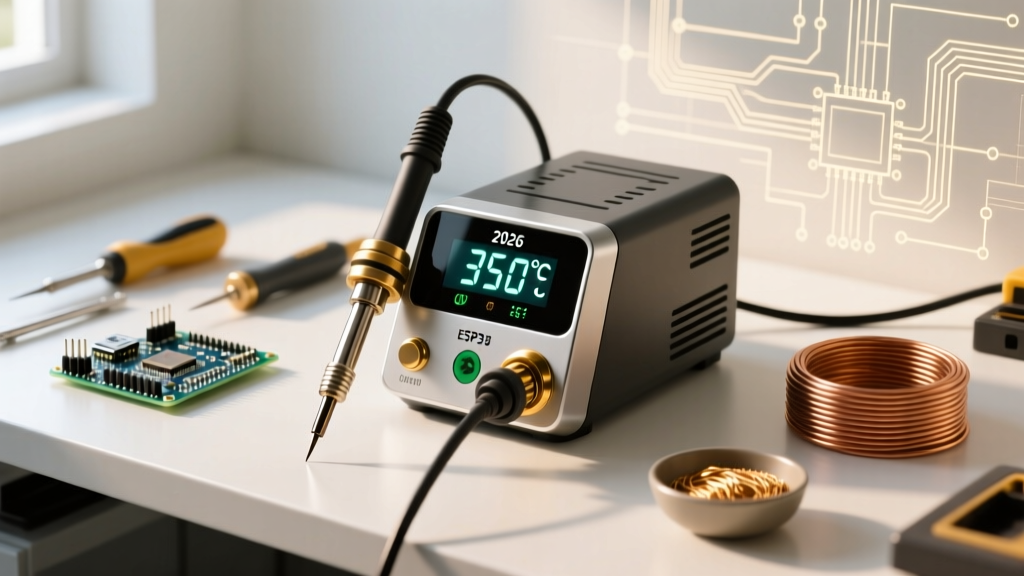
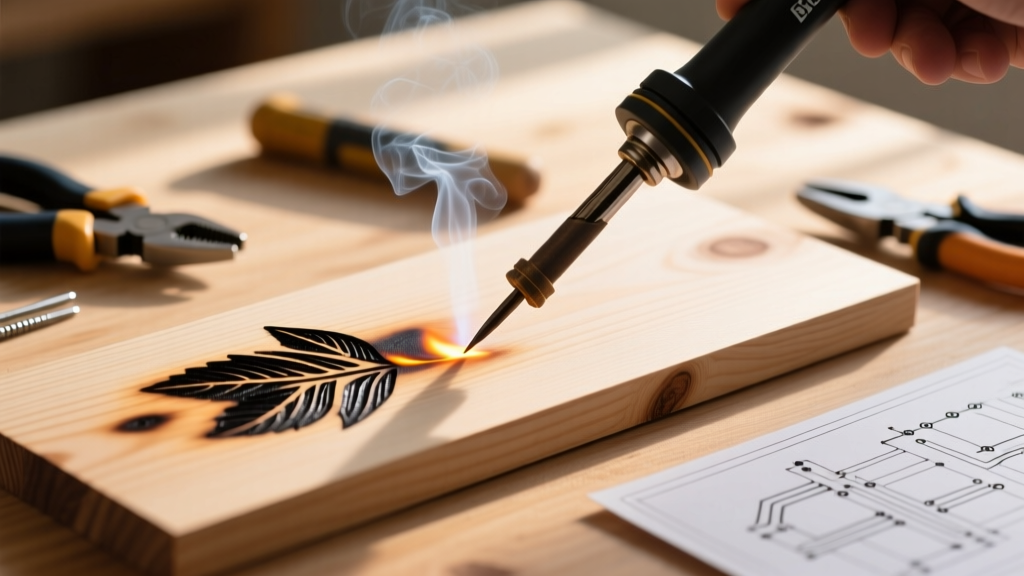
Pyrography, the art of decorating wood with controlled burn marks, has seen a massive resurgence among DIYers and makers. If you already own a high-quality electronics soldering station like the Hakko FX-888D or the Weller WES51 for your PCB work, you might wonder if you can cross over into woodburning without buying a dedicated kit. The short answer is yes, but using a soldering iron on wood requires a completely different approach to temperature management, tip maintenance, and material safety.
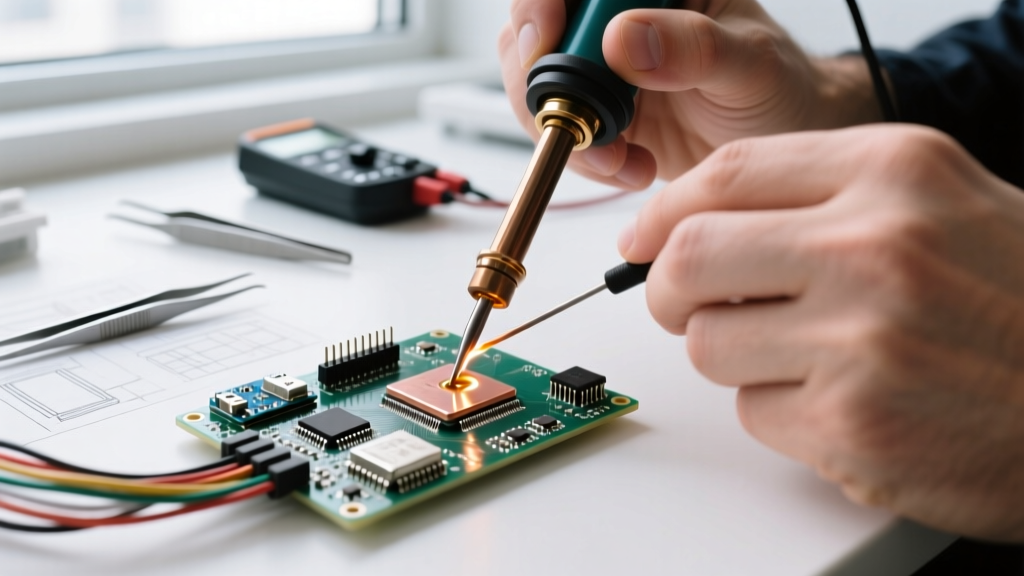
Unlike dedicated woodburning pens that rely on simple resistive wire heating, modern soldering stations use closed-loop ceramic heaters with rapid thermal recovery. While this makes them exceptional for melting SAC305 solder paste, pushing these tools to the extreme temperatures required for scorching hardwood introduces unique metallurgical challenges. This technique guide will walk you through the exact parameters, safety protocols, and step-by-step methods to successfully execute pyrography using your existing electronics lab gear in 2026.
Critical Safety: Wood Selection and Toxic Fumes
Before you touch a hot tip to any surface, you must understand that burning wood releases complex volatile organic compounds (VOCs) and fine particulate matter. In electronics, we worry about flux fumes; in pyrography, the wood itself is the hazard.
Woods You Must Never Burn
- MDF (Medium-Density Fiberboard): MDF is bound together with urea-formaldehyde resins. Heating MDF releases formaldehyde gas, a known carcinogen. Never use scrap MDF from your CNC router for pyrography.
- Pressure-Treated Pine: Often tinted green or brown, this wood is infused with copper azole or alkaline copper quaternary (ACQ) to resist rot. Burning it vaporizes heavy metals and toxic biocides.
- Oleander and Yew: These ornamental woods contain highly toxic alkaloids that remain dangerous even when pyrolyzed.
For comprehensive data on wood toxicity, always consult The Wood Database before selecting a blank. Furthermore, the CDC NIOSH guidelines on wood dust and fumes strongly recommend localized exhaust ventilation. When using a soldering iron on wood, keep your desktop fume extractor (like a Hakko FA-400) positioned directly behind your workpiece to pull smoke away from your breathing zone.
Equipment Showdown: Soldering Station vs. Dedicated Burner
Is it worth sacrificing your electronics tools for art? Let us compare a standard 2026 lab setup against a dedicated pyrography unit.
| Feature | Hakko FX-888D (Electronics Station) | Walnut Hollow Pro (Dedicated Burner) |
|---|---|---|
| Average Price (2026) | $115 - $125 USD | $45 - $60 USD |
| Temperature Control | Digital Closed-Loop (200°C - 480°C) | Analog Dial (Variable Voltage) |
| Thermal Recovery |