
The Metallurgical Challenge: Why Aluminum Rejects Standard Solder
Many DIYers and electronics technicians assume that finding a specialized 'soldering iron for aluminum' is a simple hardware store purchase. The reality is far more complex. Aluminum is not inherently unsolderable, but its surface chemistry and thermal properties actively fight the soldering process. In 2026, with the rise of lightweight aluminum chassis in consumer electronics, high-current EV battery tab assemblies, and custom drone frames, mastering aluminum soldering is a critical skill for advanced makers and repair technicians.
The primary adversary is aluminum oxide (Al2O3). When exposed to ambient air, aluminum instantly forms a passivation layer of this ceramic oxide. According to metallurgical data on Aluminium Oxide, this layer melts at approximately 2,072°C (3,762°F). Meanwhile, the base aluminum melts at just 660°C (1,220°F), and standard tin-lead or SAC305 solders melt between 183°C and 220°C. If you apply a standard 40W soldering iron, the heat dissipates into the aluminum's highly conductive matrix before the oxide layer can be breached, resulting in a classic 'dewetting' failure where the solder balls up and rolls off the surface.
Tool Selection: High Thermal Mass vs. Ultrasonic Cavitation
To overcome aluminum's thermal conductivity (approximately 237 W/m·K), you need a tool that can dump massive amounts of localized heat into the joint faster than the metal can dissipate it. Standard temperature-controlled stations with thin tips will experience severe thermal droop. Below is a comparison of the most effective tool categories for aluminum soldering in 2026.
| Tool Category | Specific Model / Example | Wattage / Power | Best Use Case | Approx. 2026 Cost |
|---|---|---|---|---|
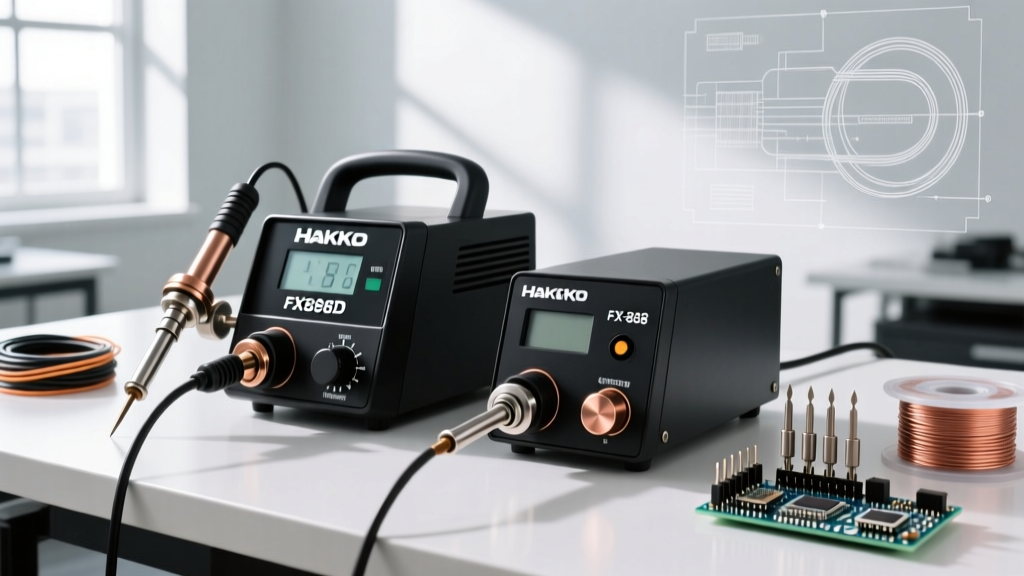
| High-Wattage Adjustable Iron | Hakko FX-601 | 72W (Ceramic Heater) | Thick wires, battery tabs, RC chassis | $85 - $95 |
| Heavy Thermal Mass Iron | Weller W100PG | 100W (Magnetic Tip) | Large busbars, heavy gauge aluminum wire | $110 - $130 |
| Ultrasonic Soldering System | Sunbonar / MST Ultrasonic | 60W - 150W + Acoustic | Hermetic seals, glass-to-metal, oxide-free joints | $2,500+ |
For 95% of DIY and bench-level repair scenarios, a high-wattage iron like the Hakko FX-601 paired with a massive chisel tip (such as the T19-D24) is the most practical choice. The broad chisel tip maximizes surface area contact, ensuring efficient thermal transfer.
Consumables: Zinc-Based Alloys and Corrosive Fluxes
You cannot use standard rosin (RMA) or no-clean fluxes on aluminum; they lack the chemical aggression required to penetrate the oxide layer. You must use a specialized aluminum flux, typically zinc chloride-based or a highly active organic acid (OA) formulation. These fluxes are highly corrosive and mandate rigorous post-solder cleaning.
For the solder alloy, standard tin-copper or tin-lead will create a brittle intermetallic compound and suffer from severe galvanic corrosion. The industry standard for joining aluminum is a Tin-Zinc (Sn-Zn) alloy. Indium Corporation's Indalloy 121 (91% Sn, 9% Zn) is a premier choice. It melts at 198°C and provides a galvanic match that minimizes bimetallic corrosion, ensuring long-term joint reliability in humid environments.
The 'Scratch-Through' Technique: Step-by-Step Execution
Because chemical flux alone is often insufficient to dissolve thick aluminum oxide at soldering temperatures, mechanical abrasion is required. However, you cannot simply sand the aluminum and then solder it; the oxide will reform in milliseconds. You must use the 'Scratch-Through' method.
- Mechanical Preparation: Clean the aluminum surface with a dedicated stainless steel wire brush to remove heavy dirt, oils, and thick oxidation layers. Wipe with isopropyl alcohol (99%).
- Flux Application: Apply a generous amount of specialized aluminum flux to the joint area. This acts as a liquid shield against ambient oxygen.
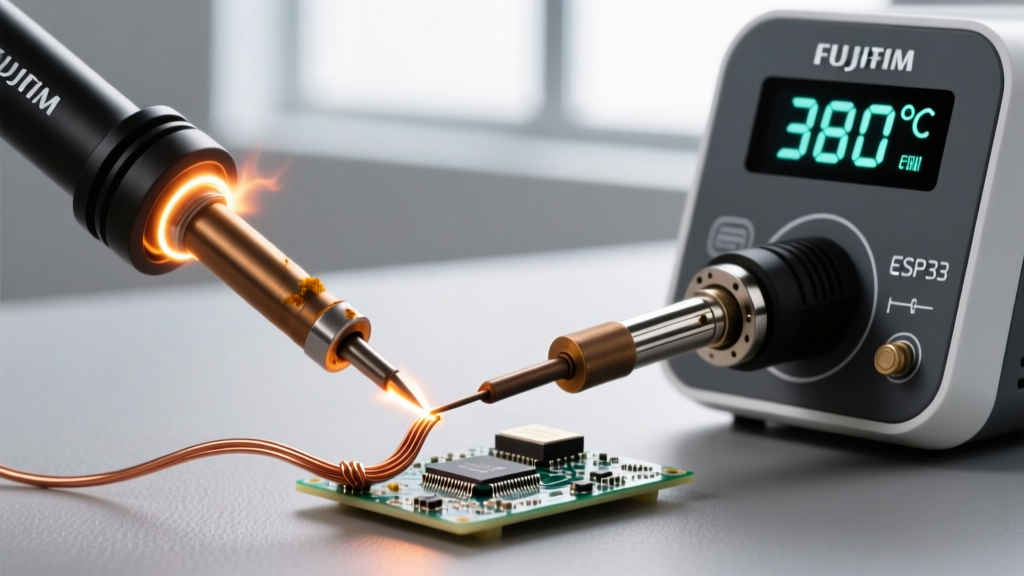
- Pre-Tinning the Tip: Melt a small amount of your Sn-Zn solder directly onto the chisel tip of your pre-heated iron (set to 350°C - 380°C) to ensure maximum thermal transfer.
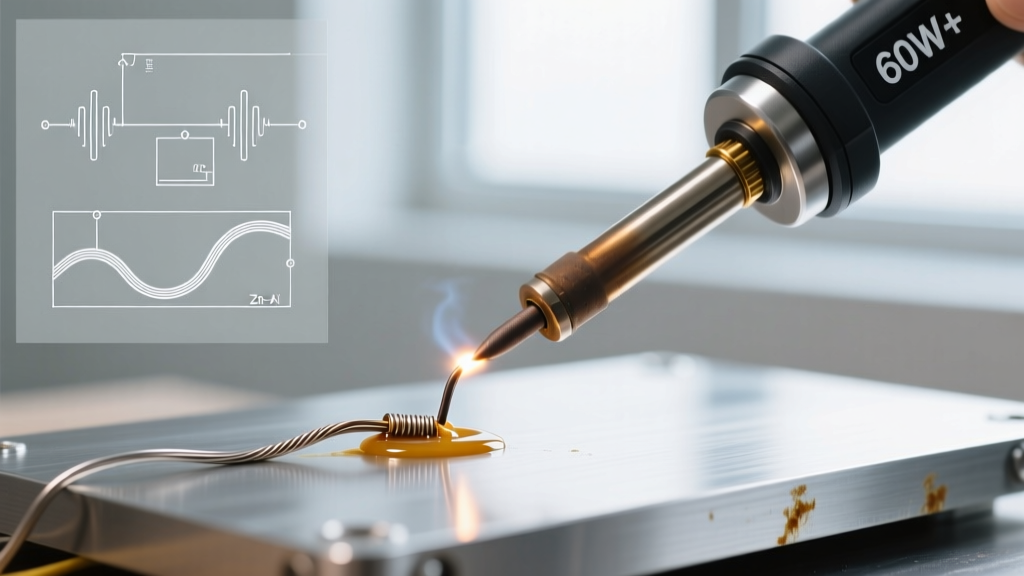
- Heat and Scratch: Press the iron firmly against the aluminum. While the flux is bubbling and molten, use the edge of the iron tip (or a dedicated titanium pick) to physically scratch and score the aluminum surface beneath the molten solder pool. This breaks the oxide layer without exposing the bare metal to oxygen.
- Wetting and Flow: Once the oxide is breached, the Sn-Zn solder will instantly 'grab' the aluminum and wet the surface. Feed additional solder into the joint until a smooth, concave fillet forms.
- Hold and Cool: Remove the iron and hold the components perfectly still for 10-15 seconds. Sn-Zn alloys have a slightly pasty freezing range and are susceptible to cold-joint fracturing if disturbed during solidification.
Pro-Tip on Galvanic Isolation: Never use a steel brush that has previously been used on copper or iron. Embedded ferrous particles will trigger rapid galvanic corrosion in the aluminum joint. Always use a dedicated stainless steel brush exclusively for aluminum work.
Post-Solder Cleaning and IPC Compliance
Because aluminum fluxes rely on aggressive zinc chloride or organic acids, leaving the residue on the board or chassis will result in catastrophic galvanic rot over time. The IPC J-STD-001 Standards strictly mandate the removal of corrosive flux residues to ensure long-term electrical and structural reliability.
Immediately after the joint cools, scrub the area with a stiff nylon brush and warm distilled water or a specialized saponified aqueous cleaner. Follow this with a 99% isopropyl alcohol rinse to displace the water, and dry the assembly with compressed air or a low-heat heat gun. Inspect the joint under magnification to ensure no white, powdery corrosion (aluminum chloride) is forming in the crevices.
Troubleshooting Common Failure Modes
- Dewetting (Solder Balls Up): The iron lacked sufficient thermal mass, or the oxide layer was not fully breached. Solution: Switch to a larger chisel tip, increase the iron temperature by 20°C, and apply more aggressive mechanical scratching beneath the flux pool.
- Thermal Runaway / Base Metal Melt: Aluminum's melting point is relatively low (660°C). If you apply a 100W iron to a thin aluminum sheet (under 1mm), you risk melting the workpiece. Solution: Use a variable temperature iron like the Hakko FX-601, keep the tip moving, and use aluminum heat-sink clips on adjacent areas to draw excess heat away.
- Brittle Joints: Using standard Sn-Pb or SAC305 solder on aluminum creates a weak, brittle intermetallic boundary that will snap under mechanical stress. Solution: Always use a Zinc-bearing alloy (Sn-Zn) which chemically bonds with the aluminum substrate.
- White Powdery Residue: This is active galvanic corrosion caused by incomplete flux removal. Solution: Mechanically scrub the joint with an aqueous cleaner and apply a conformal coating or dielectric grease to seal the joint from atmospheric moisture.