
The Evolution of Cordless Soldering in 2026
For field technicians, automotive electricians, and off-grid DIYers, relying on a wall outlet is rarely an option. The demand for reliable, high-thermal-mass cordless tools has surged, and the Master Appliance butane soldering iron lineup remains a dominant force in the rugged electronics repair sector. Unlike closed-loop digital stations that rely on thermocouples and PID controllers, butane irons utilize a catalytic reaction to generate heat, offering rapid thermal recovery and complete portability. In this 2026 best-of comparison, we dissect the flagship Master Appliance UltraTorch series and pit it against industry heavyweights like Weller and SE to determine which tool truly deserves a spot in your field kit.
Deep Dive: Master Appliance UltraTorch UT-100
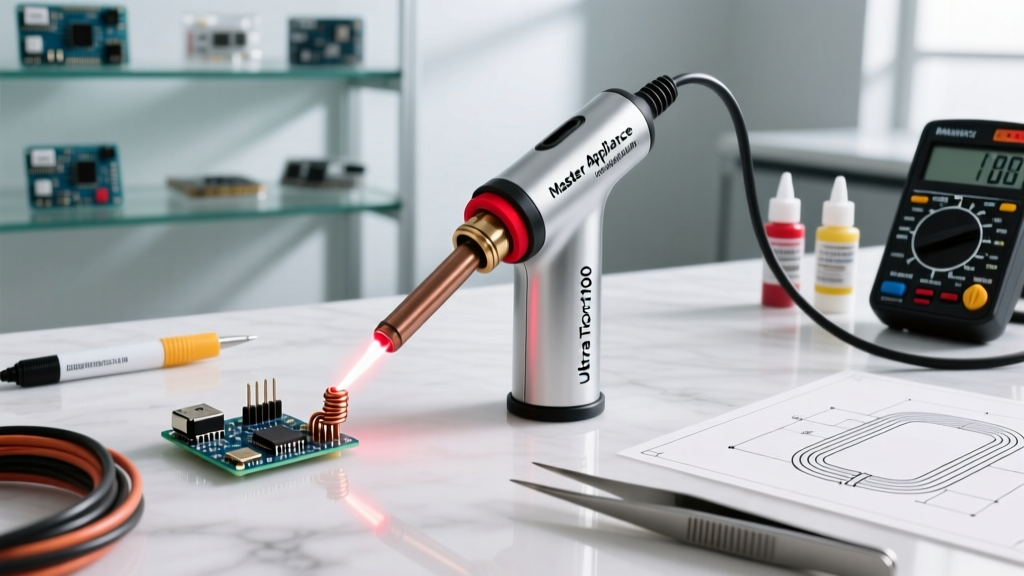
The Master Appliance UltraTorch UT-100 is the cornerstone of the brand's cordless ecosystem. Engineered in the USA, it operates as a multi-tool: a soldering iron, a heat gun for shrink tubing, and a pinpoint torch. When configured with the standard chisel soldering tip, the UT-100 delivers a thermal equivalent of 20 to 75 watts, reaching operating temperatures between 850°F and 950°F (454°C to 510°C) in roughly 35 seconds.
What sets the Master Appliance butane soldering iron apart from cheaper import alternatives is the precision of its catalytic heater screen and the robustness of its piezoelectric ignition system. The fuel tank holds approximately 14 grams of high-grade butane, yielding up to 60 minutes of continuous soldering time or 90 minutes of hot-air blowing. According to the official Master Appliance specifications, the tool's internal O-rings and brass valves are rated for high-pressure refills, significantly reducing the micro-leaks that plague budget models over time.
Pros and Cons of the UT-100
- Pros: Exceptional build quality, versatile 3-in-1 tip ecosystem, reliable piezo ignition at sea level, user-serviceable internal components.
- Pros: Excellent thermal mass for heavy-gauge automotive wiring (10 AWG to 4 AWG).
- Cons: Lacks active temperature feedback (not ideal for sensitive SMD components).
- Cons: Piezo ignition struggles at altitudes above 6,500 feet due to reduced air density.
Head-to-Head Comparison Matrix
How does the Master Appliance stack up against the competition? Below is a technical comparison of the top three butane soldering irons on the market in 2026.
| Feature | Master Appliance UT-100 | Weller Portasol W20011250 | SE 9040 Butane Iron |
|---|---|---|---|
| Estimated Street Price | $75 - $85 | $110 - $130 | $22 - $28 |
| Max Soldering Temp | 950°F (510°C) | 950°F (510°C) | 850°F (454°C) |
| Tank Capacity | 14g Butane | 12g Butane | 8g Butane |
| Continuous Burn Time | ~60 Minutes | ~45 Minutes | ~25 Minutes |
| Ignition Type | Push-Button Piezo | Push-Button Piezo | Manual Flint / External |
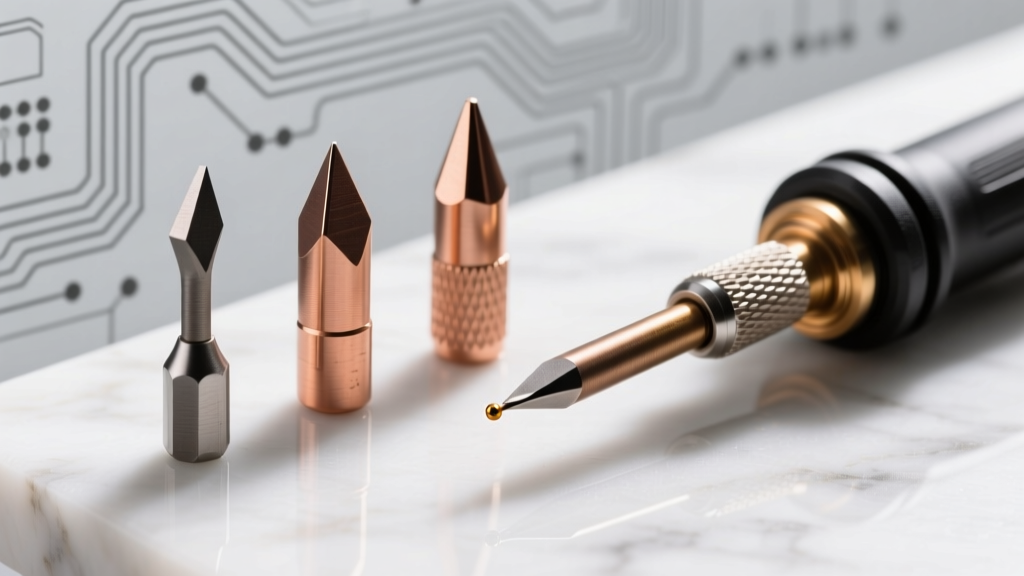
| Tip Ecosystem | Proprietary UltraTorch | Proprietary Portasol | Generic Threaded |
Thermal Dynamics and IPC Compliance
When working on complex printed circuit boards, thermal management is critical. The IPC J-STD-001 standard outlines strict requirements for soldered electrical assemblies, emphasizing the need to avoid thermal shock to components while ensuring proper wetting. Butane irons, including the Master Appliance UT-100, operate on an open-loop system. They do not sense the temperature of the solder joint; they simply output heat based on the catalytic reaction rate.
This makes the Master Appliance butane soldering iron exceptional for high-mass joints—such as soldering 12 AWG wires to heavy brass terminals or applying heat-shrink tubing over marine-grade battery lugs. The heavy copper core of the UT-100 chisel tip acts as a thermal battery, absorbing the heat sink effect of thick copper planes. However, for fine-pitch SMD work (like 0402 resistors or QFN microchips), the lack of closed-loop temperature control poses a severe risk of pad delamination. For those tasks, technicians should refer to the NASA Workmanship Standards for manual soldering, which heavily favor active-feedback micro-stations over open-flame or catalytic butane tools.
The Purging Protocol: Essential Maintenance
The most common reason a Master Appliance butane soldering iron fails to ignite or suffers from erratic heat output is improper fueling. Over time, air becomes trapped in the fuel reservoir, preventing liquid butane from vaporizing correctly. To maintain peak catalytic efficiency, you must purge the tank before every third refill.
- Cool Down: Ensure the tool is completely cold and the flame adjustment dial is set to the minimum position.
- Invert the Tool: Hold the soldering iron upside down with the fill valve pointing toward the ceiling.
- Depress the Valve: Using a small flathead screwdriver or a dedicated butane purge tool, press the center pin of the fill valve. You will hear a loud hissing sound as trapped air and vaporized gas escape.
- Wait for Silence: Hold the valve down until the hissing stops completely (usually 15-20 seconds).
- Fill with Premium Fuel: Using a 5x or 7x refined butane (such as Colibri or Zippo Premium), press the canister firmly into the valve for 10 seconds. Low-grade butane contains oily impurities that will permanently clog the catalytic mesh screen.
- Rest Period: Wait at least 3 minutes before igniting. This allows the liquid butane to acclimate to room temperature and build proper vapor pressure inside the tank.
Real-World Failure Modes and Troubleshooting
Even premium tools experience edge-case failures in harsh environments. Here are the most frequent issues encountered with the Master Appliance lineup and how to resolve them:
1. Catalytic Screen Burnout
Symptom: The tool clicks, gas flows, but no heat is generated at the tip, and raw butane odor is present.
Cause: Using unrefined butane or exposing the hot tip to silicone-based fluxes. Silicone vapors coat the platinum catalytic mesh, suffocating the reaction.
Fix: Remove the tip assembly and blast the catalytic screen with compressed air. Never use a wire brush, as this will destroy the fragile platinum coating. If the screen is heavily carbonized, order a replacement heater assembly from Master Appliance.
2. Piezo Ignition Failure at Altitude
Symptom: The spark is visible, but the gas does not catch fire.
Cause: At elevations above 6,500 feet, the air density drops, altering the dielectric breakdown voltage required for the piezo spark to jump the gap and ignite the butane-air mixture.
Fix: Keep a secondary ignition source, such as a ferrocerium rod or a windproof butane lighter, in your high-altitude field kit.
3. O-Ring Degradation and Fuel Leaks
Symptom: The tool smells of fuel while stored in the toolbox, and burn time is drastically reduced.
Cause: Storing the tool in environments exceeding 110°F (such as a closed vehicle dashboard in summer) causes internal pressure spikes that deform the internal Viton O-rings.
Fix: Always store the tool in a climate-controlled environment. Master Appliance sells a $5 rebuild kit that includes replacement valve O-rings, allowing you to service the tool in under 10 minutes with basic needle-nose pliers.
Final Verdict: Is It Worth the Investment?
If your workflow involves heavy-gauge automotive wiring, marine electronics repair, or off-grid plumbing where a heat gun and soldering iron are both required, the Master Appliance butane soldering iron (specifically the UT-100) is an undisputed champion. Its 14-gram fuel capacity and rugged American-made housing justify the $80 price tag, easily outlasting the SE 9040 and offering a more robust tip ecosystem than the Weller Portasol. However, if your primary focus is delicate PCB rework or SMD soldering, you should bypass butane entirely and invest in a portable lithium-ion powered station like the Pinecil V2 or a traditional closed-loop bench station.
Frequently Asked Questions
Can I use standard lighter fluid in the Master Appliance UT-100?
No. Lighter fluid (naphtha) will instantly destroy the catalytic heater screen and poses a severe explosion risk due to incorrect vapor pressure. Only use high-purity liquid butane.
How long does the catalytic tip last?
With proper maintenance and 5x refined butane, the catalytic heater assembly in a Master Appliance iron typically lasts between 3 to 5 years of regular professional use before requiring replacement.
Is it safe to use indoors?
While butane irons do not produce an open flame during soldering mode, they do emit trace amounts of carbon monoxide and water vapor. Always use them in well-ventilated areas, especially when working inside enclosed junction boxes or vehicle interiors.