
Diagnostic Matrix: Identifying Your Soldering Iron Torch Failure
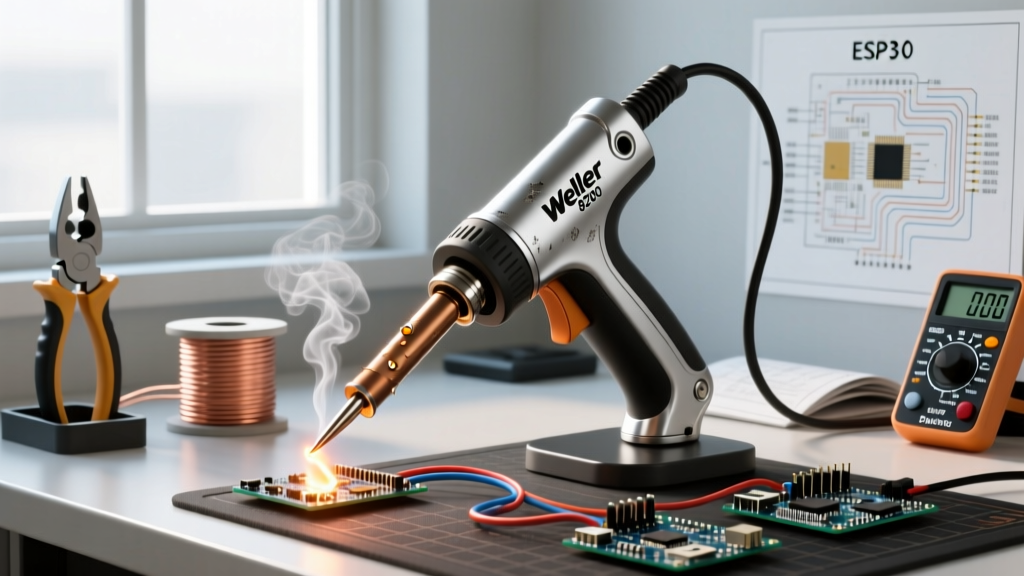
Cordless butane soldering iron torches, such as the Blazer Big Shot GT8000 and the Weller Pyropen Plus, remain indispensable in 2026 for field technicians, automotive electricians, and off-grid DIYers. Unlike traditional resistive heating elements found in plug-in stations, these tools rely on catalytic oxidation or controlled open flames to reach soldering temperatures upwards of 1050 degrees Fahrenheit. However, the mechanical and chemical complexities of butane-powered tools introduce unique failure modes. Troubleshooting a soldering iron torch requires a systematic approach to gas flow, piezoelectric ignition, and catalytic mesh integrity.
| Torch Model (2026 Market) | Primary Failure Point | Average Repair Cost | Fix Complexity |
|---|---|---|---|
| Blazer Big Shot GT8000 | Piezo igniter electrode misalignment | $0 (DIY adjustment) | Low |
| Weller Pyropen Plus | Catalytic heater mesh poisoning | $18 - $25 (Replacement) | Medium |
| Master Appliance ProTorch | Butane tank vapor lock (airlock) | $0 (Purging required) | Low |
Troubleshooting Piezo Ignition Failures
The piezoelectric igniter is the most common point of failure on a soldering iron torch. When you press the ignition button, a spring-loaded hammer strikes a quartz crystal, generating a high-voltage pulse typically ranging from 10,000 to 15,000 volts. This voltage travels down a wire to an electrode, jumping a small gap to create a spark that ignites the butane gas cloud. If your torch clicks but fails to ignite, or fails to click altogether, the issue is almost always related to the spark gap or internal grounding.
Adjusting the Spark Gap
For a reliable ignition, the distance between the electrode tip and the burner head must be precisely 1/8 inch (3.17mm). If the gap widens due to thermal expansion or physical impact, the voltage will seek the path of least resistance, often grounding out inside the plastic housing rather than jumping the gap. Conversely, if the gap is too narrow, the spark will occur before the butane gas has adequately mixed with oxygen, resulting in a weak pop and immediate extinguishing.
- No Spark, Audible Click: The electrode wire has likely shifted. Use a pair of ceramic-tipped tweezers or a non-conductive plastic spudger to gently bend the electrode wire back to the 1/8 inch specification. Never use metal pliers, as scratching the wire can create a micro-fracture that leads to internal arcing.
- Weak or Yellow Spark: This indicates moisture or carbon buildup on the electrode. Clean the tip with 99% isopropyl alcohol and a lint-free swab. Avoid using compressed air, which often contains microscopic water droplets that will worsen the issue.
- No Click, Spongy Button: The internal piezoelectric crystal housing is cracked, or the hammer spring has dislodged. In most consumer-grade torches, the piezo unit is a sealed, non-serviceable component. Replacement of the entire ignition module (usually $12 to $15) is required.
Catalytic Heater Degradation & Gas Flow Diagnostics
Unlike open-flame torches, high-end soldering iron torches like the Weller Pyropen utilize a catalytic heater. The butane gas passes through a platinum or palladium-coated ceramic mesh. This precious metal catalyst lowers the activation energy required for butane oxidation, allowing the gas to react with ambient oxygen and produce intense, flameless heat. When this mesh degrades, the torch will sputter, fail to reach soldering temperatures, or emit a raw, unburnt butane odor.
The Chemistry of Catalyst Poisoning
The most frequent cause of catalytic failure is catalyst poisoning. Standard, unrefined butane contains trace impurities, including sulfur compounds and heavier hydrocarbons. When these impurities pass over the platinum mesh, they bind permanently to the catalytic sites, blocking the butane from reacting. To prevent this, you must exclusively use 11x refined butane. While 5x refined butane is acceptable for open-flame culinary torches, the sulfur content is still high enough to destroy a soldering iron catalytic mesh within 20 to 30 hours of burn time. According to the NIOSH Pocket Guide for n-Butane, proper ventilation is also critical when working with any hydrocarbon gas, as incomplete combustion due to a failing catalyst can produce carbon monoxide and unburnt volatile organic compounds.
If your catalytic heater is poisoned, no amount of cleaning will restore it. The platinum mesh must be replaced. For the Weller Pyropen Plus, the replacement catalytic heater assembly (Part # WP1) costs approximately $22 in 2026 and twists into the burner head using a specialized slotted tool included in most maintenance kits.
Step-by-Step Tank Purging Procedure
If your soldering iron torch sputters, the flame height fluctuates wildly, or the tool dies after only two minutes of use despite a full fuel window, you are likely experiencing a vapor lock. This occurs when ambient air becomes trapped inside the butane reservoir during refilling. Because butane boils at 30 degrees Fahrenheit (-1 degree Celsius), it relies on its own vapor pressure to push liquid fuel to the burner. Trapped air compresses, creating a false pressure reading that prevents liquid butane from entering the tank.
To resolve this, you must purge the tank. Always perform this step in a well-ventilated area, away from any ignition sources, adhering to the safety principles outlined in the OSHA Hazard Communication Standard for flammable gases.
- Depress the Fill Valve: Turn the torch upside down. Using a small, flat-head jeweler's screwdriver or a dedicated brass purging tool, press down firmly on the center pin of the butane fill valve.
- Vent the Gas and Air: You will hear a loud hissing sound as pressurized butane and trapped air escape. Continue holding the valve open until the hissing completely stops. This may take up to 45 seconds.
- Cycle the Gas Control: Turn the torch's gas flow dial from the minimum to the maximum setting, and back to minimum. This ensures the internal metering valve is clear of residual pressure.
- Refill with 11x Refined Butane: Shake your can of 11x refined butane vigorously to mix the propellant. Press the canister nozzle firmly into the torch fill valve for 5 to 7 seconds. The liquid butane will rapidly expand and cool the tank.
- Thermal Acclimation: Wait exactly 3 minutes before attempting to ignite the torch. The liquid butane must absorb ambient room heat to vaporize and build the necessary internal pressure for a stable flame.
Tip Maintenance and IPC Wetting Standards
The soldering tip on a butane torch is subjected to extreme thermal shock. Unlike a digital soldering station that ramps up temperature gradually, a catalytic torch tip can jump from 70 degrees Fahrenheit to 900 degrees Fahrenheit in under 15 seconds. This rapid expansion can cause micro-fractures in the tip's protective iron plating if the tip is not properly tinned.
The IPC J-STD-001 standard for soldered electrical and electronic assemblies emphasizes the critical nature of tip wetting and thermal transfer. A dry, oxidized tip on a butane torch will not transfer heat efficiently, leading to cold solder joints and prolonged dwell times that can lift copper pads from printed circuit boards.
Expert Maintenance Rule: Never file or sand a soldering iron torch tip. Modern tips consist of a solid copper core electroplated with a thin layer of iron to resist solder leaching, followed by a micro-layer of chromium to prevent solder from climbing up the shaft. Abrasive cleaning removes the iron layer, exposing the copper core. The tin in your solder will rapidly dissolve the exposed copper, creating deep pits and destroying the tip within a single soldering session.
To maintain your torch tip, always apply a thick bead of 63/37 tin-lead or SAC305 lead-free solder to the working end immediately after turning off the gas flow. As the tip cools from 900 degrees down to room temperature, this sacrificial solder layer will oxidize instead of the underlying iron plating. When you next ignite the torch, simply wipe the oxidized sacrificial layer off on a damp cellulose sponge or brass wire wool, and apply fresh solder for your first joint. This single habit will extend the lifespan of a $15 replacement torch tip from a few weeks to well over a year of heavy field use.