
The Molecular Architecture of Colophony
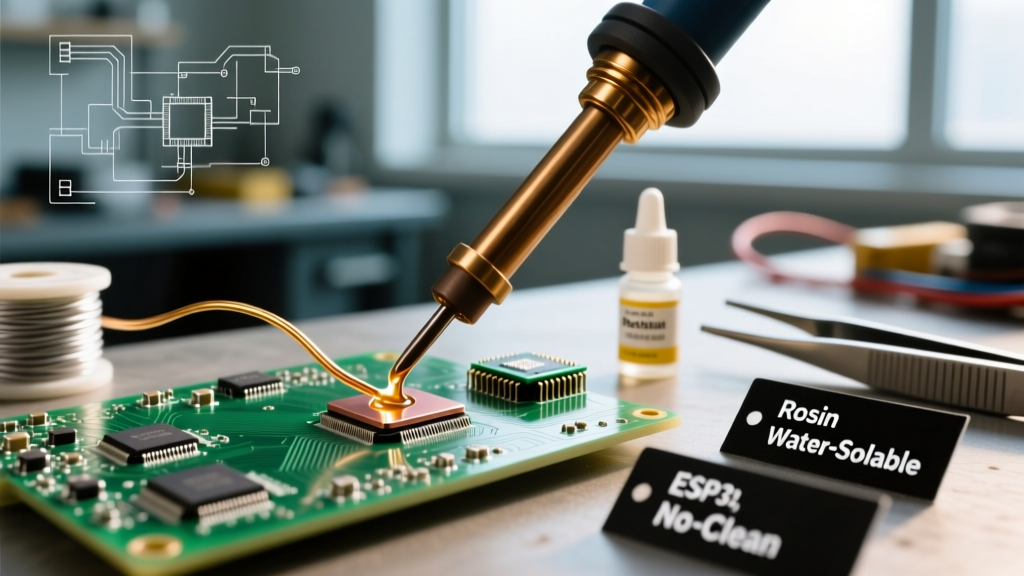
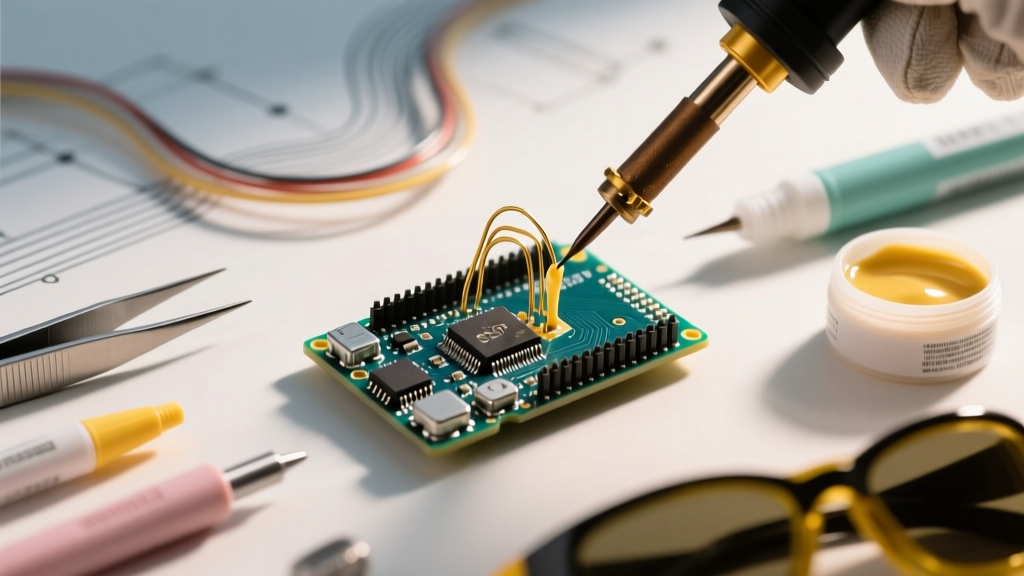
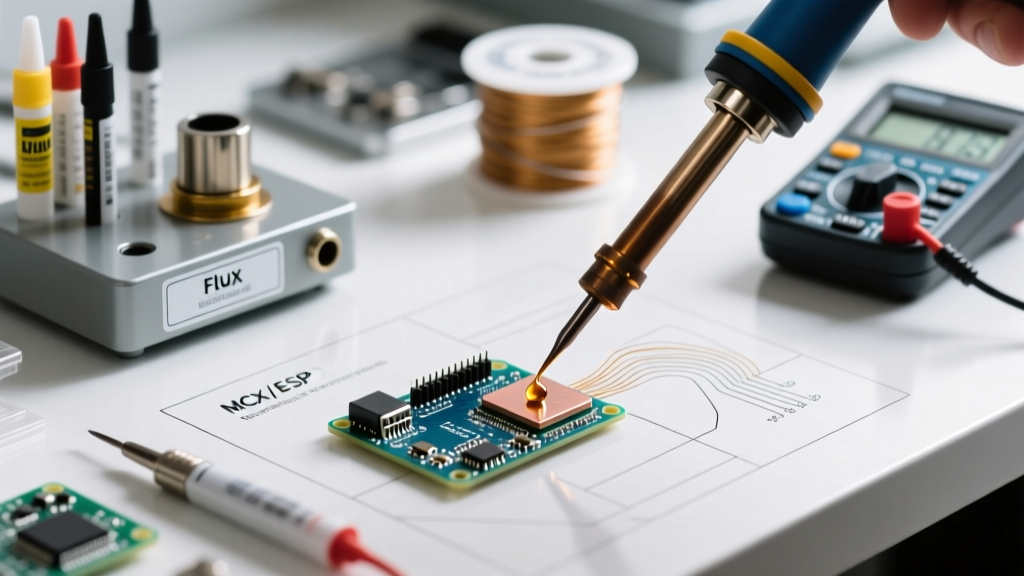
To the untrained eye, the amber residue left behind after a through-hole soldering session is merely a messy byproduct. To a materials engineer, however, soldering flux rosin is a sophisticated, naturally occurring organic acid matrix that enables the very foundation of modern electronics assembly. Derived primarily from the distillation of pine tree oleoresins, rosin (technically known as colophony) is not a single compound, but a complex mixture of diterpene carboxylic acids.
The primary active agent in this mixture is abietic acid, which typically constitutes 70% to 80% of the total rosin mass. The remaining fraction includes structural isomers such as pimaric, palustric, and neoabietic acids. According to the National Center for Biotechnology Information (PubChem), abietic acid (C20H30O2) features a bulky hydrophenanthrene ring structure attached to a carboxylic acid group. It is this specific carboxylic acid group that acts as the chemical workhorse during the soldering process.
When copper is exposed to ambient air, it rapidly forms a passivation layer of copper oxide (CuO and Cu2O). Molten solder (whether traditional Sn63Pb37 or SAC305 lead-free alloys) will not wet this oxidized surface; the surface tension of the liquid metal causes it to bead up and roll off. Rosin flux solves this via a localized reduction-oxidation reaction. As the flux reaches its activation temperature, the carboxylic acid groups donate protons to the copper oxide, stripping the oxygen away and forming water vapor, while simultaneously binding with the copper ions to form copper abietate.
The Core Reduction Reaction:
2 C20H30O2 (Abietic Acid) + CuO (Copper Oxide) → Cu(C20H29O2)2 (Copper Abietate) + H2O (Water Vapor)
Copper abietate is a soluble, non-corrosive salt that dissolves directly into the molten rosin matrix, exposing pristine, highly reactive copper underneath. Once the bare copper is exposed, the liquid solder can undergo intermetallic compound (IMC) formation, creating a permanent metallurgical bond.
Thermal Dynamics and Activation Windows
A common misconception among DIY enthusiasts is that flux activates the moment it melts. From a material science perspective, the phase change (melting) and the chemical activation are two distinct thermal events. Pure pine rosin begins to soften around 70°C and fully melts into a low-viscosity liquid between 120°C and 135°C. However, the thermal energy at this stage is insufficient to break the chemical bonds of the copper oxide layer.
True chemical activation requires temperatures between 150°C and 220°C. In a standard wave soldering or reflow profile, the flux must remain in this activation window long enough to reduce the oxides before the solder alloy reaches its liquidus temperature (183°C for Sn63Pb37, and roughly 217°C for SAC305). If the thermal profile ramps too quickly, the solder melts before the flux has completed its reduction work, resulting in cold, de-wetted joints.
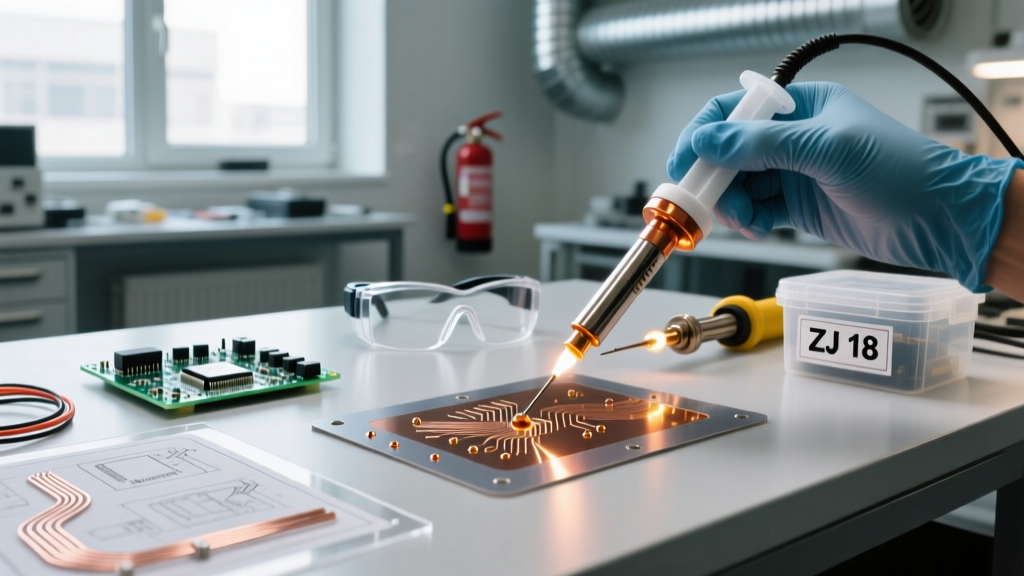
Conversely, rosin has a strict upper thermal limit. If exposed to temperatures exceeding 300°C to 350°C for prolonged periods (such as when using a high-wattage soldering iron on a massive ground plane without preheating), the abietic acid undergoes thermal degradation and carbonization. This charring traps unreacted activators beneath a hard, impermeable carbon shell, making post-solder cleaning nearly impossible and potentially leading to long-term localized corrosion.
Decoding the R, RMA, and RA Classifications
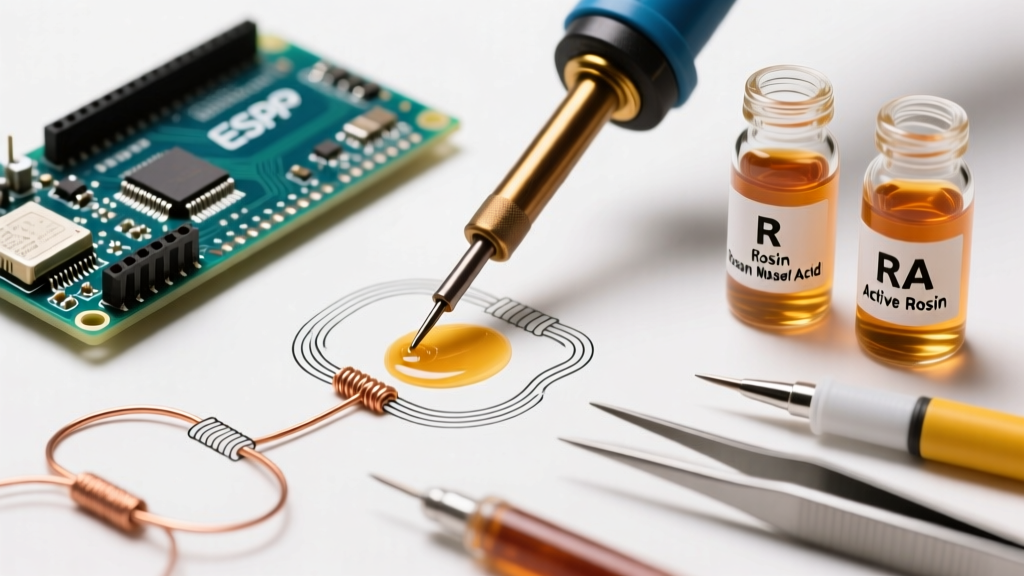
Pure rosin is an excellent oxide reducer for lightly oxidized surfaces, but it struggles with heavily tarnished copper or nickel-plated component leads. To overcome this, chemical engineers introduced 'activators' to the rosin base, creating the traditional R, RMA, and RA classification system. While modern IPC J-STD-004 standards use more complex alphanumeric codes (like ROL0, ROM1), the legacy terms remain deeply embedded in the industry and are still heavily utilized by major manufacturers like Kester and Indium Corporation.
| Flux Type | Activator Chemistry | Halide Content | Corrosivity | Cleaning Requirement | Typical Use Case |
|---|---|---|---|---|---|
| R (Rosin) | None (Pure Colophony) | 0% | Non-Corrosive | Optional (Cosmetic) | Military/Aerospace, pristine surfaces |
| RMA (Rosin Mildly Activated) | Organic Acids (e.g., Succinic, Glutaric) | < 0.5% | Low | Recommended | Commercial electronics, general DIY |
| RA (Rosin Activated) | Halide Salts (Chlorides/Bromides) | > 0.5% | High (if uncleaned) | Mandatory | Heavily oxidized boards, quick wetting |
The Role of Halides in RA Flux
RA (Rosin Activated) fluxes utilize halide salts, typically ammonium chloride or organic hydrochlorides, to dramatically accelerate the oxide reduction process. Halide ions are highly aggressive; they penetrate thick oxide layers almost instantly upon reaching activation temperature. This makes RA fluxes incredibly forgiving for hand soldering on older, tarnished boards. However, the trade-off is severe: if the halide-laden residue is left on the PCB and exposed to ambient humidity, the halides re-dissolve and form hydrochloric acid, which will rapidly eat through copper traces and cause catastrophic electrochemical migration (ECM).
Real-World Failure Modes and Edge Cases
Understanding the material science of rosin allows technicians to diagnose specific soldering failures that generic troubleshooting guides often miss.
- Dendritic Growth (Electrochemical Migration): When RA or heavily activated RMA flux residues are left uncleaned in high-humidity environments, the residue absorbs moisture. The combination of water, ionic halide contaminants, and DC voltage bias causes copper ions to migrate from the anode to the cathode, forming microscopic metallic 'trees' (dendrites) that eventually short adjacent traces. This is a primary reason why aerospace standards strictly mandate the use of pure R flux or rigorous post-solder cleaning.
- The 'Tombstoning' Effect in Reflow: While more common with synthetic no-clean fluxes, uneven activation of rosin-based paste fluxes can cause tombstoning in 0402 or 0201 surface mount components. If one pad reaches the flux activation temperature slightly before the other due to unequal thermal mass, the rapid outgassing of water vapor and the sudden change in surface tension can physically pull the component upright.
- Flux Spattering (Popcorning): If rosin flux is exposed to rapid, uncontrolled heating (such as touching a 400°C iron tip directly to a pool of liquid flux), the moisture and volatile solvents trapped within the rosin matrix flash-boil. This causes microscopic explosions that spit molten solder and corrosive flux droplets across the PCB, potentially lodging conductive residues under fine-pitch ICs.
Solvent Chemistry and Cleaning Protocols
A critical aspect of working with soldering flux rosin is understanding how to properly remove it post-assembly. The most pervasive myth in electronics repair is that 99% Isopropyl Alcohol (IPA) is a universal flux cleaner. From a chemical standpoint, IPA is a highly polar solvent. Pure rosin (R) is non-polar. While IPA can dissolve fresh, lightly applied RMA residues, it is entirely ineffective at breaking down the polymerized, cross-linked residue of RA flux that has been subjected to high soldering temperatures.
When technicians attempt to clean RA flux with IPA and a brush, they are not removing the flux; they are merely dissolving the top layer and smearing the corrosive halide activators into the microscopic gaps beneath BGA packages and QFN chips. As the IPA evaporates, the halides are left concentrated exactly where they will do the most damage.
Proper Cleaning Methodology:
- For R and RMA Fluxes: High-purity IPA (99%+) or specialized rosin solvents like Techspray Rosin Flux Remover are sufficient. Apply with a lint-free swab, agitate mechanically, and immediately blot dry before the solvent evaporates.
- For RA Fluxes and Polymerized Residues: You must use a saponifier or a highly engineered co-solvent. Products like Kyzen Aquanox or MG Chemicals Super Clean utilize alkaline saponification to chemically convert the acidic rosin residue into a water-soluble soap, which is then rinsed away with deionized (DI) water. This is the only scientifically valid method for ensuring zero ionic contamination on high-reliability medical or automotive PCBs.
By mastering the material science of soldering flux rosin, from the molecular behavior of abietic acid to the thermal limits of the activation window, engineers and technicians can transition from simply 'melting solder' to executing precise, reliable metallurgical bonds.