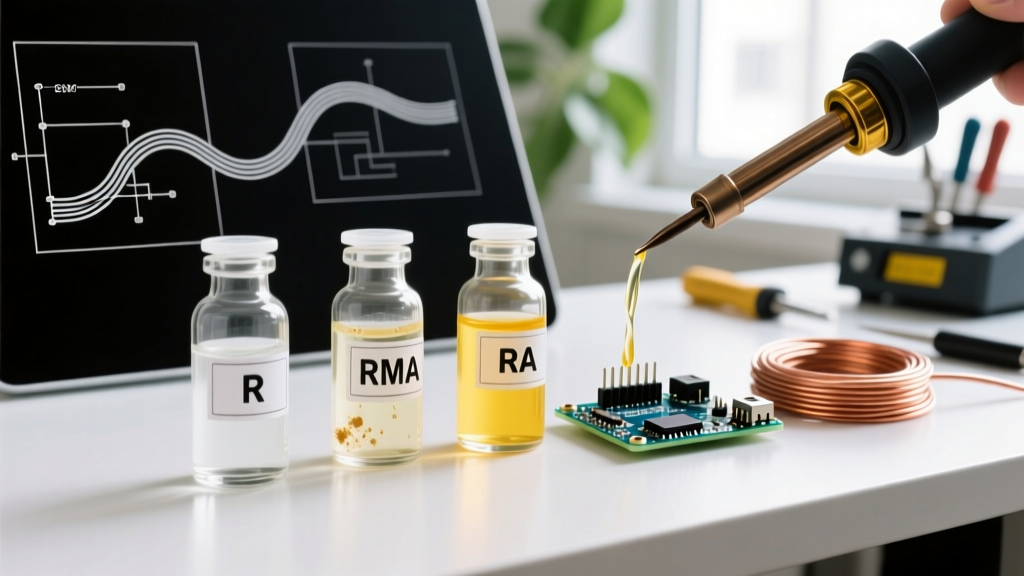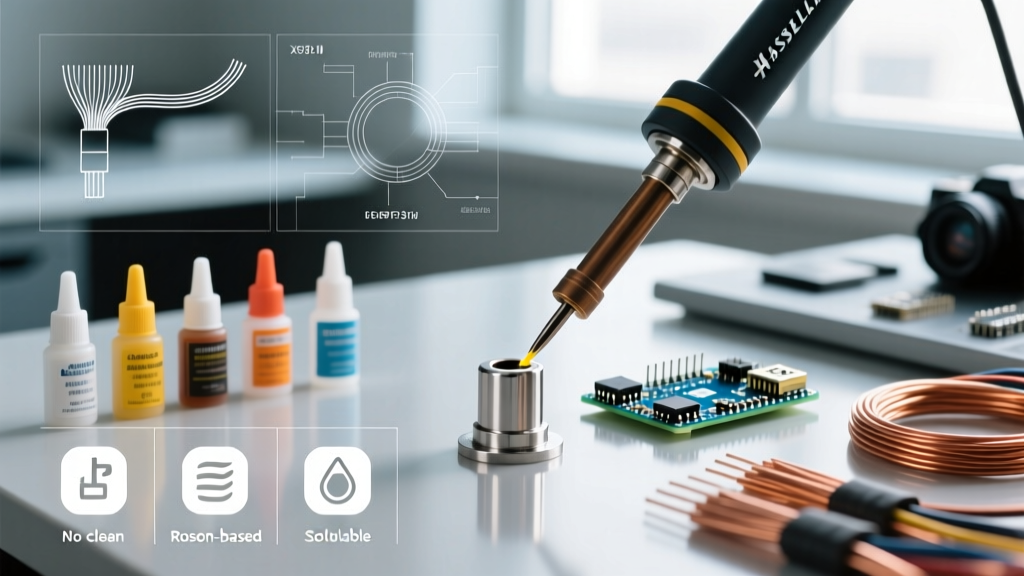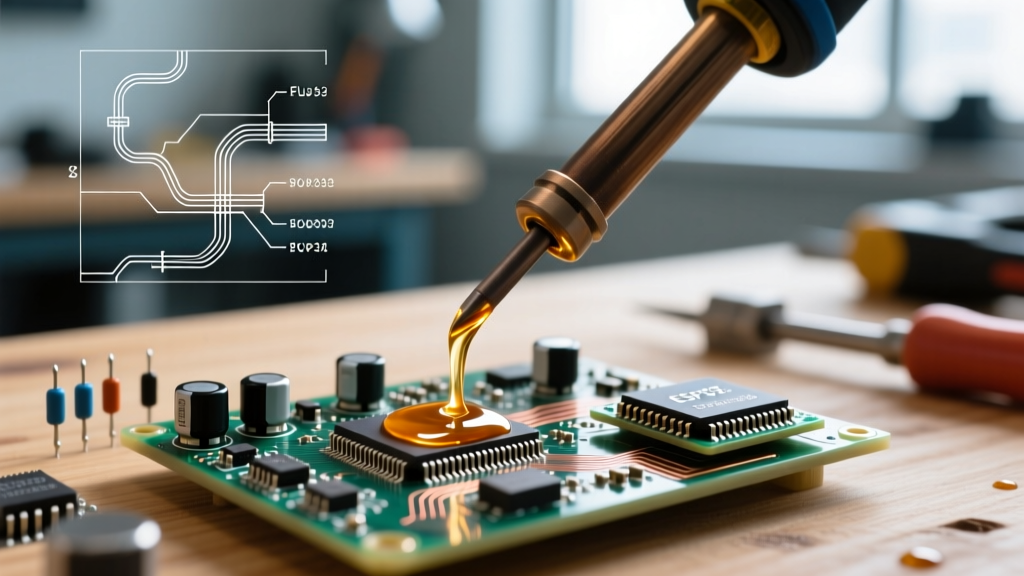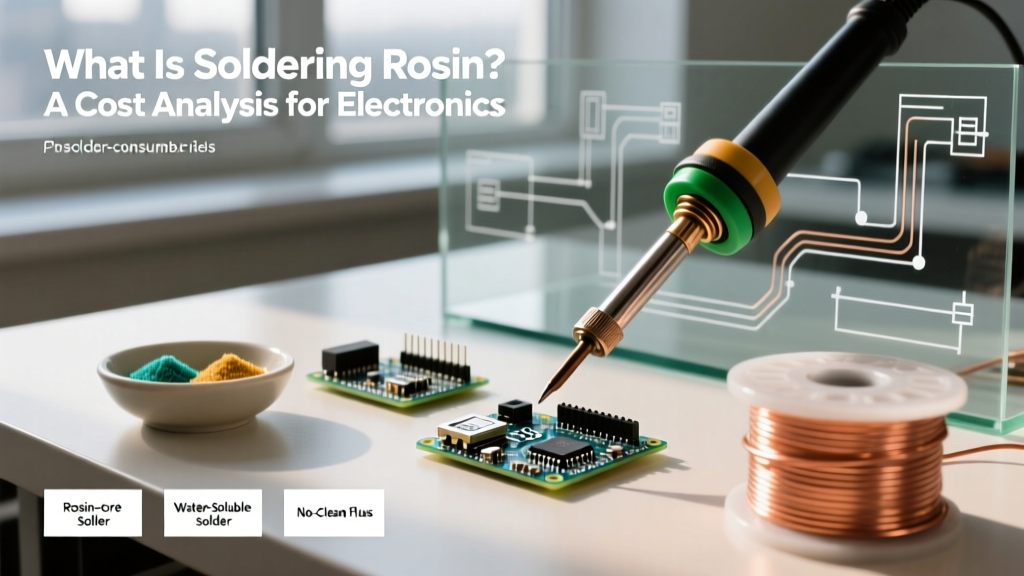

When building or repairing printed circuit boards (PCBs), one of the most common questions from both hobbyists and production engineers is: what is soldering rosin? At its core, rosin is a solid form of resin obtained from pines and some other plants, mostly conifers. However, in the context of electronics manufacturing and DIY soldering, it is the foundational chemical activator that makes reliable metallurgical bonds possible. But beyond the chemistry, how does rosin impact your bottom line?
In 2026, with fluctuating tin prices and increased scrutiny on manufacturing reliability, choosing the right flux is no longer just a technical decision—it is a strict economic one. This guide breaks down the true cost of rosin-based fluxes compared to water-soluble and no-clean alternatives, analyzing upfront material costs, hidden cleaning expenses, and long-term equipment degradation.
The Chemical Reality: What Is Soldering Rosin?
To understand the cost, you must understand the material. Soldering rosin is primarily composed of abietic acid (C20H30O2), a naturally occurring organic compound derived from pine stump extraction. In its raw state, rosin is inert and non-corrosive at room temperature. However, when exposed to the heat of a soldering iron (typically between 150°C and 180°C), the abietic acid activates.
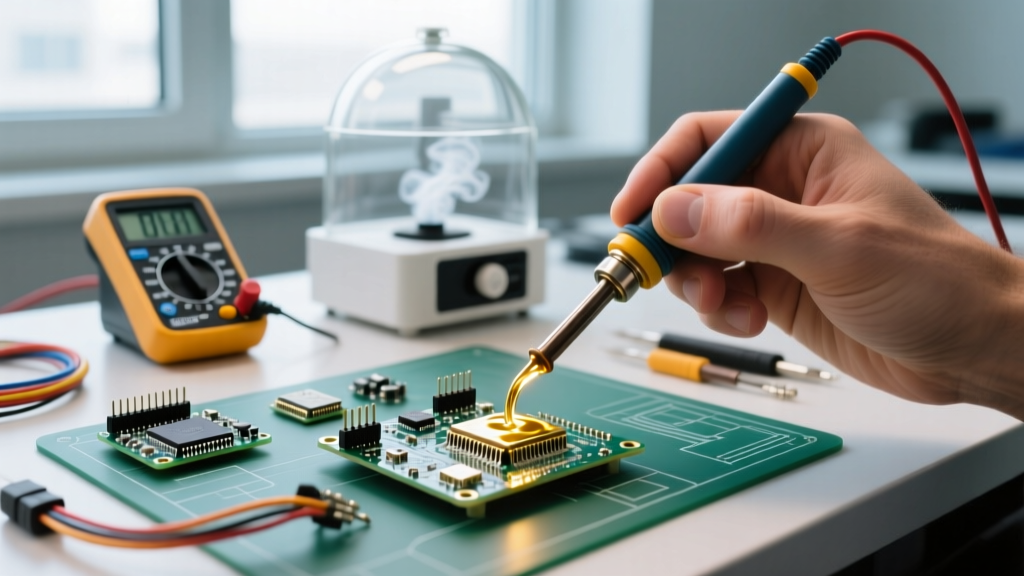
Once activated, it becomes a mild reducing agent. It chemically strips away copper oxide layers from the PCB pads and component leads, reducing the surface tension of the molten solder and allowing it to "wet" the metal surfaces. Without this chemical deoxidation, solder would simply ball up and roll off the joint, resulting in a cold, high-resistance connection.
Industry Standard Note: Under the IPC J-STD-004 standard, rosin fluxes are classified under the "RO" (Rosin) designator, followed by activity levels (L, M, H) and halide content (0 or 1). For example, ROL0 indicates a Rosin flux with Low activity and zero halides, which is the gold standard for high-reliability Class 3 electronics.
True Cost Matrix: Rosin vs. Water-Soluble vs. No-Clean
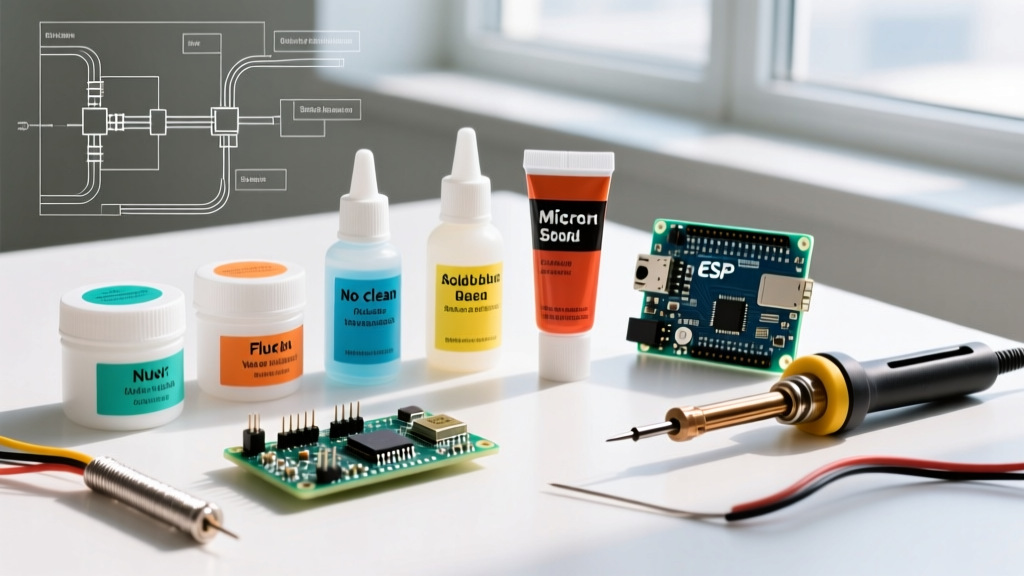
When evaluating what is soldering rosin from a financial perspective, we must compare it against its two main competitors: Organic Acid (OA / Water-Soluble) and No-Clean fluxes. The table below outlines the 2026 market economics for a standard mid-sized production run or serious prototyping lab.
| Flux Type | Example Product (2026) | Upfront Cost (per 100g) | Cleaning Required? | Estimated Cleaning Cost (per board) | Hidden Rework Risk |
|---|---|---|---|---|---|
| Rosin (RMA) | Kester 44 (63/37) | $7.50 | Optional (Class 2) | $0.00 - $0.15 | Low |
| Water-Soluble (OA) | MG Chemicals 8341 Paste | $24.00 | Mandatory | $0.15 - $0.60 | High (if residue remains) |
| No-Clean | Kester 245 (SAC305) | $9.50 | No | $0.00 | Medium (if heated improperly) |
Upfront Material Costs and Supply Chain Realities
Rosin-core solder wire remains the most cost-effective upfront consumable for general electronics. A 1lb (454g) spool of Kester 44 (63/37 rosin core) averages around $38.00. In contrast, high-activity water-soluble pastes used for stencil printing can exceed $120.00 per 500g jar. While no-clean fluxes are slightly more expensive than rosin due to the complex synthetic resins required to encapsulate the activators, rosin remains the undisputed king of budget-friendly, high-performance wire soldering.
The Hidden Economics: Solvents and Labor
The most misunderstood aspect of flux economics is the cleaning phase. Many engineers assume water-soluble flux is cheaper to clean because "you just use water." In reality, deionized (DI) water washing requires expensive filtration systems to prevent ionic contamination recirculation. For manual or small-batch labs, cleaning rosin flux is often more economical.
- Rosin Cleaning (IPA): Rosin is highly soluble in Isopropyl Alcohol (99% IPA). A gallon of electronics-grade 99% IPA costs roughly $35.00 and can clean hundreds of boards using simple brush-and-wipe methods.
- Rosin Cleaning (Aerosol): For targeted cleaning under fine-pitch QFN or BGA components, aerosol cleaners like Chemtronics Flux-Off cost about $24.00 per can. While the per-ounce cost is high, the precision reduces chemical waste.
- Water-Soluble Cleaning (Saponifiers): If water-soluble flux is baked onto a board due to excessive reflow temperatures, DI water alone will not remove it. You must purchase specialized saponifiers (alkaline cleaners), which add $40 to $80 per gallon to your chemical overhead, plus the cost of ultrasonic agitation equipment.
The IPC Exemption: When You Can Skip Cleaning Entirely
According to IPC-A-610 guidelines for Class 2 (Dedicated Service Electronic Products), fully activated RMA (Rosin Mildly Activated) flux residue is considered non-corrosive and non-conductive once cooled. If your rosin flux has reached proper activation temperatures and the joint is complete, you can legally and safely skip the cleaning step. This saves $0.10 to $0.50 per board in labor and solvent costs—a massive margin multiplier for production runs of 10,000+ units.
Equipment Degradation: The Thermal Cost on Soldering Tips
When asking what is soldering rosin, you must also ask what it does to your hardware. Modern soldering iron tips are constructed from a copper core plated with iron to resist solder leaching. Water-soluble (OA) fluxes contain aggressive organic acids (like lactic or glutamic acid) that actively pit and corrode the iron plating, especially at lead-free soldering temperatures (350°C+). Once the iron layer is breached, the molten solder dissolves the copper core in hours, destroying a $50.00 Weller or Hakko tip. Rosin flux, by contrast, is remarkably gentle on iron plating. By utilizing rosin-core solder, labs routinely extend tip life by 300% to 400% compared to water-soluble alternatives. If your lab goes through 10 tips a month at $45 each, switching to rosin could save over $3,000 annually in hardware replacement costs alone.
Failure Modes and the Cost of Dendrites
The ultimate cost in electronics manufacturing is a field failure. If water-soluble flux residue is left trapped under a bottom-terminated component (BTC) and exposed to humidity, it triggers Electrochemical Migration (ECM). This causes microscopic metallic dendrites to grow between biased pads, eventually shorting the circuit. Diagnosing and reworking a shorted BGA or QFN component requires X-ray inspection, specialized hot-air rework stations, and new solder paste. A single complex rework event can cost $150 to $300 in labor and materials. Because rosin residue is inherently dielectric and hydrophobic (water-repelling) when properly activated, it naturally resists moisture ingress, drastically reducing the statistical probability of ECM failures in humid environments. For high-reliability aerospace or medical devices, NASA and high-reliability standards heavily favor rosin-based or carefully tested no-clean chemistries over organic acids for this exact reason.
Expert Decision Framework: Which Should You Buy?
To maximize your budget and ensure reliability, apply this decision matrix to your next consumable purchase:
- Choose Rosin (RMA/ROL0) if: You are doing manual hand-soldering, through-hole assembly, or general PCB repair. It offers the lowest total cost of ownership, excellent tip life, and optional cleaning for non-critical applications.
- Choose Water-Soluble (OA) if: You are running an automated SMT line with heavy, multi-layer ground planes that require extreme wetting power, AND you have an automated inline aqueous washing machine. Do not use this for manual hand-soldering.
- Choose No-Clean if: You are performing automated reflow soldering on dense, fine-pitch surface-mount boards where manual cleaning under 0.4mm pitch components is physically impossible.
Storage and Shelf Life: Protecting Your Investment
Rosin is an organic material and is subject to oxidation. If exposed to UV light and oxygen over 12 to 18 months, the abietic acid oxidizes, turning the flux dark amber or brown. Oxidized rosin loses its chemical activity, leading to poor wetting and cold solder joints. Cost-Saving Storage Tip: Store your rosin-core solder wire and liquid rosin flux in opaque, nitrogen-purged, or tightly sealed containers at room temperature (20°C - 25°C). Never store rosin flux in a refrigerator, as condensation upon removal will introduce water into the chemical matrix, causing violent spattering (solder splatter) when the iron makes contact.
Final Verdict
Understanding what is soldering rosin goes far beyond basic chemistry; it is an exercise in manufacturing economics. While newer synthetic no-clean fluxes dominate automated SMT lines, traditional pine-derived rosin remains the most cost-effective, equipment-friendly, and reliable choice for hand-soldering, prototyping, and high-reliability rework. By factoring in solvent costs, tip longevity, and the avoidance of catastrophic dendrite failures, rosin flux consistently delivers the highest ROI for electronics professionals in 2026.