
The True Economics of Plumbing Flux Selection
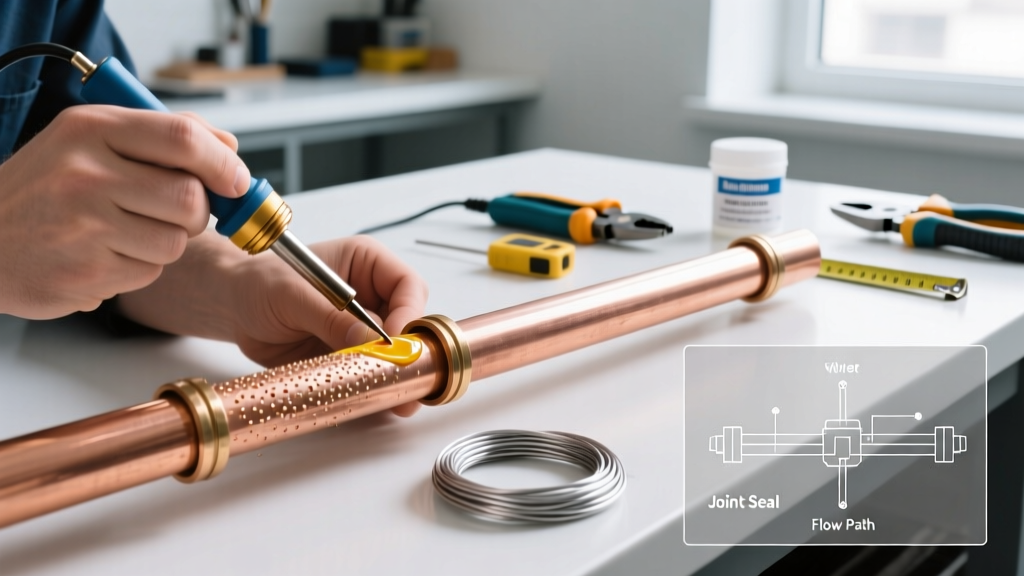
When evaluating consumables for copper pipe joining, contractors and DIYers often fixate on the cost of the solder alloy itself, treating the flux as an afterthought. This is a critical miscalculation. In 2026, with copper prices remaining volatile and labor rates for licensed plumbers averaging between $75 and $125 per hour, the chemical preparatory step dictates the success or failure of the entire system. The Copper Development Association explicitly notes that proper flux application is the single most important factor in achieving a capillary joint that will withstand decades of thermal cycling and water pressure.
This cost analysis breaks down the material expenses, labor implications, and catastrophic failure costs associated with the three primary categories of soldering flux for plumbing: standard tinning pastes, heavy-duty acid liquids, and water-soluble formulations. By understanding the true ROI of these consumables, you can optimize your procurement strategy and eliminate the hidden costs of rework.
The Golden Rule of Plumbing Economics: An $8.00 tin of high-quality flux is the cheapest insurance policy against a $5,000 water damage claim. Never compromise on flux chemistry to save pennies on the rough-in.
Material Cost Matrix: Paste vs. Liquid vs. Water-Soluble
To understand the baseline material costs, we must look beyond the sticker price of the container and calculate the cost per joint. The following matrix reflects average 2026 retail and contractor-tier pricing for 1/2-inch Type L copper tube joints.
| Flux Type | Brand/Model Reference | Avg Price (2026) | Cost per Joint (1/2") | Best Application | Cleanup / Rework Cost |
|---|---|---|---|---|---|
| Standard Tinning Paste | Oatey No. 95 Paste Flux (8 oz) | $7.50 - $8.50 | $0.12 - $0.15 | General residential potable water, mixed orientations | Low (Wipes clean easily with damp rag) |
| Heavy-Duty Acid Liquid | Hercules Pro-Duty (16 oz) | $13.00 - $15.00 | $0.08 - $0.10 | Drain/Waste/Vent (DWV), heavily oxidized pipes | High (Requires neutralization to prevent crevice corrosion) |
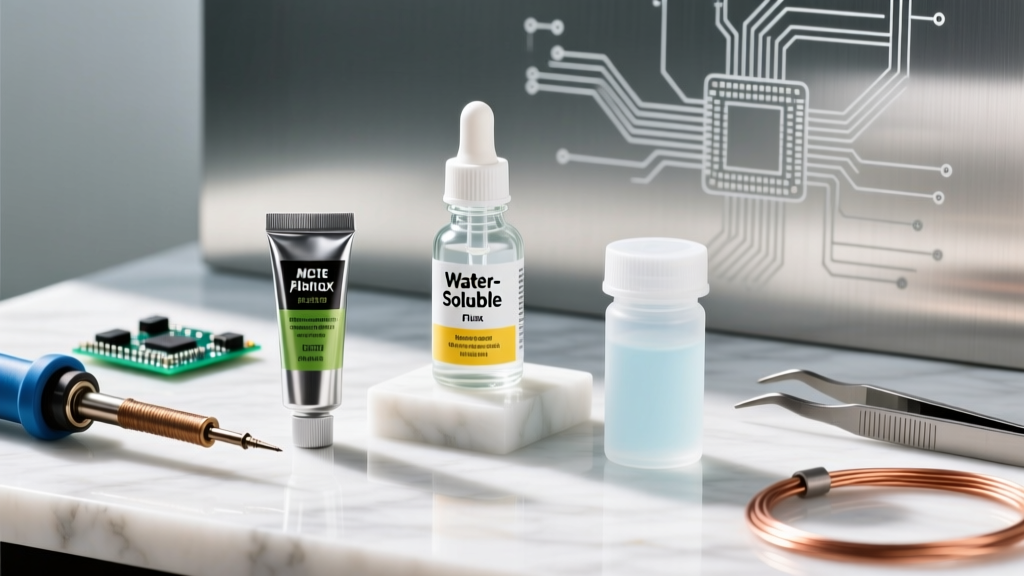
| Water-Soluble Paste | La-Co Water-Soluble (8 oz) | $9.00 - $11.00 | $0.14 - $0.18 | Commercial potable water, strict NSF/ANSI 61 compliance | Very Low (Flushes out during system pressure testing) |
While liquid acid fluxes offer the lowest cost per joint, their use on pressurized potable water lines is heavily restricted by the Uniform Plumbing Code (UPC) and local municipal authorities due to the risk of toxic heavy metal leaching and severe internal pitting corrosion if not perfectly flushed.
Labor & Time: Where the Real Money is Lost
Material costs are only a fraction of the equation. In commercial plumbing, labor accounts for up to 70% of the total project bid. The physical properties of your chosen soldering flux for plumbing directly impact your crew's run rate.
Vertical vs. Horizontal Run Rates
Liquid fluxes (like zinc chloride-based solutions) are incredibly fast to apply on horizontal runs. A dauber swipe takes roughly 1.5 seconds. However, on vertical risers, liquid flux succumbs to gravity. It weeps down the pipe, pooling at the base of the fitting. This requires the plumber to spend an additional 3 to 5 seconds wiping the excess to prevent the flux from boiling and blowing out the solder during the torching phase.
Conversely, a high-viscosity tinning paste like Oatey No. 95 stays exactly where you put it. While the initial brush application takes about 3 seconds per joint, the zero-drip nature of the paste eliminates the secondary wiping step on vertical runs. Over a 500-joint commercial rough-in, the paste actually yields a net labor savings of approximately 1.2 hours compared to liquid flux, easily offsetting its slightly higher per-ounce material cost.
The Tinning Advantage
Pastes that contain suspended solder powder (tinning fluxes) pre-coat the copper with a microscopic layer of alloy as the flux activates at 350°F. This lowers the surface tension for the primary solder wire, reducing the time the torch must be applied to the joint by 1 to 2 seconds. This prevents the base metal from annealing (softening) and reduces the risk of burning the flux, which turns it into a useless, crusty carbon residue.
The High Price of the Wrong Chemistry (Failure Modes)
The most expensive mistake in plumbing soldering is using the wrong flux for the environment. The financial fallout from these edge cases routinely wipes out the profit margin of an entire job.
- The Electronics Rosin Blunder: Using rosin-core solder and electronics flux on copper water pipes. Rosin flux is designed for clean, bright copper traces on PCBs. It lacks the aggressive chemical activators (like ammonium chloride) required to dissolve the heavy copper oxide layer found on plumbing tubes. Result: The solder balls up and refuses to wick into the capillary space. The joint fails the hydrostatic pressure test, requiring the plumber to cut out and re-sweat every single joint. Cost of Failure: $300+ in wasted labor and materials.
- The Unneutralized Acid Burn: Using standard plumbing acid flux on HVAC refrigeration lines or failing to neutralize it on DWV lines. The residual zinc chloride continues to eat through the copper long after the torch is put away, leading to "green patina" crevice corrosion. Result: Pinhole leaks develop 6 to 18 months after installation, leading to warranty callbacks and potential drywall repair liabilities. Cost of Failure: $1,500 - $5,000+ in remediation.
- The Inspection Fail (Non-Compliant Flux): Using a standard petroleum-based paste on a commercial hospital or school potable water line without verifying NSF/ANSI 61 and EPA lead-free compliance. Result: The municipal inspector rejects the rough-in. Cost of Failure: The crew must physically re-heat, disassemble, and chemically clean every joint, or in worst-case scenarios, replace the entire manifold, plus pay for a secondary inspection fee ($150-$300).
Strategic Procurement for 2026
For DIYers tackling a single bathroom remodel, a 4 oz tin of standard tinning paste is perfectly adequate and will cost under $6. However, for contractors and frequent flusers, procurement strategy must shift to maximize ROI.
- Buy in 1 lb (16 oz) Tubs: The price-per-ounce drops by roughly 35% when moving from 4 oz tubes to 1 lb tubs. A 1 lb tub of high-quality water-soluble paste will yield approximately 800 to 1,000 half-inch joints.
- Invest in Silicone Flux Brushes: Traditional horsehair or nylon dauber brushes degrade rapidly when exposed to the acidic nature of plumbing fluxes, shedding bristles into the pipe (a major cause of aerator clogs downstream). Reusable silicone flux brushes cost about $8 each but last indefinitely and can be wiped clean in two seconds, saving hours of cumulative cleanup time over a year.
- Climate-Controlled Storage: Water-soluble and tinning pastes will separate or crystallize if subjected to freezing temperatures in an unheated work van during winter months. Storing flux in a climate-controlled environment prevents the $40 loss of a ruined 1 lb tub and ensures consistent viscosity for optimal capillary draw.
Final Verdict: Optimizing Your Consumables Budget
When analyzing the cost of soldering flux for plumbing, the cheapest option on the shelf is rarely the most economical choice on the job site. Standard tinning pastes offer the best balance of material cost, labor efficiency, and joint reliability for residential applications. For commercial potable water systems, the slight premium paid for NSF-certified water-soluble fluxes is a mandatory investment that guarantees code compliance and eliminates post-installation flushing labor. By aligning your flux chemistry with the specific mechanical and regulatory demands of your project, you protect your margins, your reputation, and the structural integrity of the plumbing system.