
The Economics of Sweat Soldering in 2026
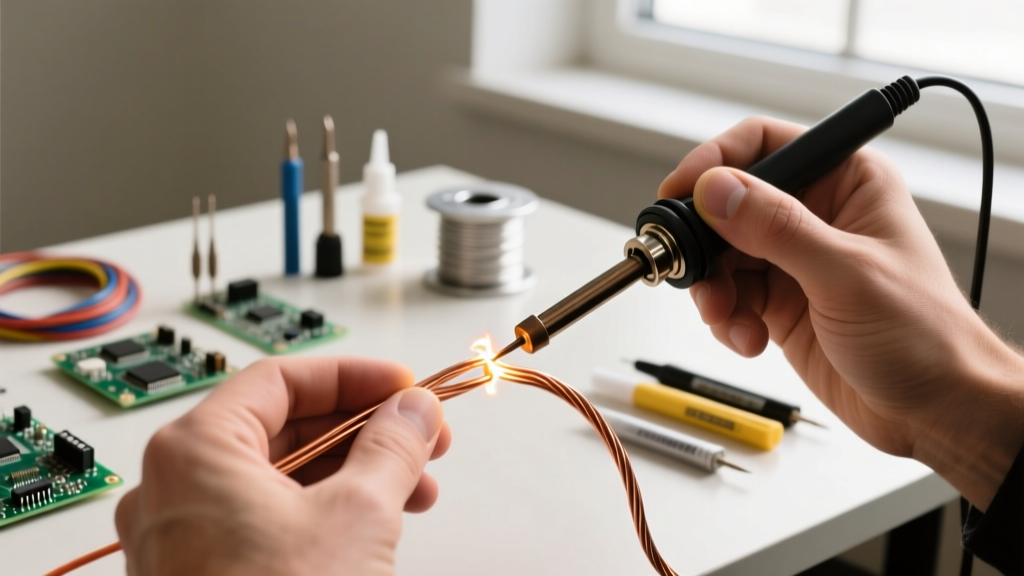
When evaluating the economics of modern plumbing, HVAC, and heavy-duty electrical busbar installations, the phrase "soldering copper pipe with flux" often brings to mind simple, low-cost hardware store purchases. However, in 2026, with fluctuating global tin markets, strict environmental mandates, and rising labor rates, the cost analysis of sweat soldering requires a highly granular approach. The true expense is not merely the upfront price of a solder spool or a jar of paste; it is defined by the cost per joint, metallurgical compatibility, fuel efficiency, and the catastrophic financial risk of rework.
Whether you are a DIY enthusiast building a custom water-cooling loop or a professional contractor estimating a multi-unit residential repipe, understanding the unit economics of your consumables is critical. This guide breaks down the exact material costs, chemical differences, and hidden expenses associated with soldering copper pipe with flux in today’s market.
Material Cost Breakdown: Price Per Joint
To understand the baseline expenses, we must isolate the cost of consumables per standard 1/2-inch Type L copper joint. The table below reflects average 2026 retail and pro-tier pricing for premium consumables.
| Consumable Category | Specific Product (2026) | Unit Price | Est. Cost Per Joint |
|---|---|---|---|
| Petroleum Paste Flux | Oatey No. 5 Paste Flux (4 oz) | $6.98 | $0.03 |
| Water-Soluble Liquid Flux | Harris Stay-Clean Liquid (4 oz) | $8.50 | $0.04 |
| Standard Lead-Free Solder | Oatey 95/5 Tin-Antimony (8 oz) | $32.00 | $0.18 |
| Silver-Bearing Solder | Harris Safety-Silv 15% (1 oz) | $48.00 | $1.45 |
| Abrasive Cleaning | Milwaukee Emery Cloth Roll | $12.00 | $0.02 |
As demonstrated, the raw material cost for a standard potable water joint using 95/5 alloy and petroleum paste flux is approximately $0.23 per joint. However, substituting standard solder for a 15% silver-bearing alloy (required for high-vibration HVAC refrigeration lines) increases the soldering consumable cost by over 600%.
Flux Chemistry and Consumable Pricing
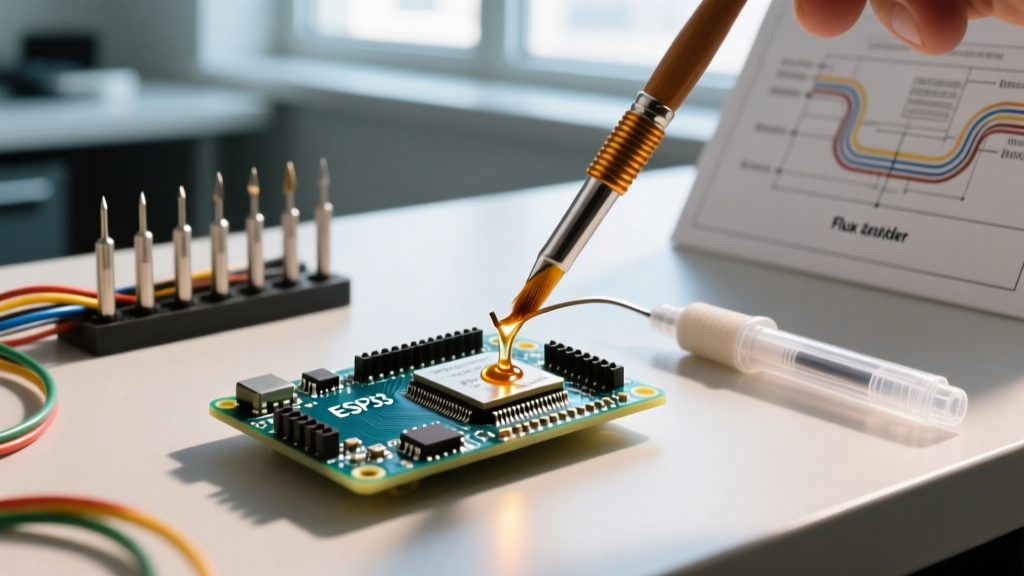
The flux you select dictates both your material cost and your failure rate. According to the Copper Development Association (CDA), flux is chemically required to dissolve copper oxide layers that form at soldering temperatures, allowing the molten alloy to wet the base metal via capillary action.
Petroleum-Based Paste vs. Water-Soluble Liquid
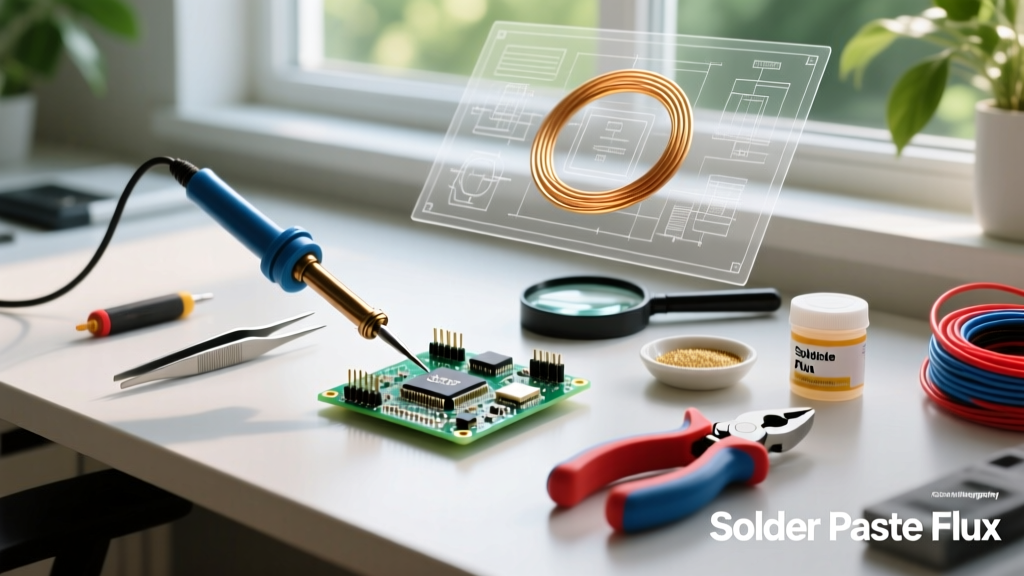
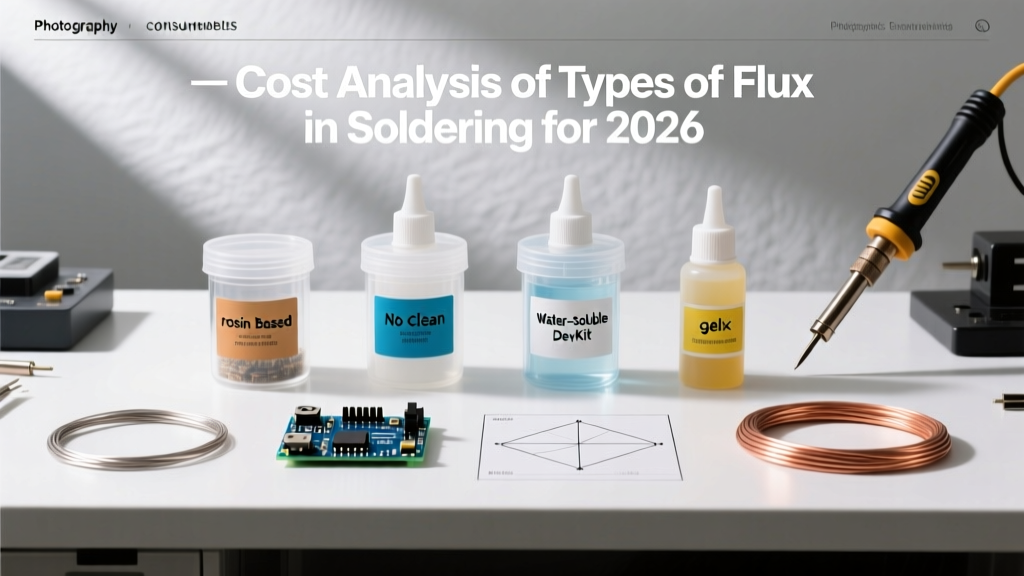
- Petroleum-Based Paste (e.g., Oatey No. 5): Priced around $1.75 per ounce, this tallow and rosin-based paste contains zinc chloride and ammonium chloride. It is the industry standard for potable water lines. The petroleum base provides a physical barrier against oxygen during heating, but it requires aggressive wiping while hot to prevent sticky residue buildup. It is the most cost-effective option for general plumbing.
- Water-Soluble Liquid (e.g., Harris Stay-Clean): Priced slightly higher at $2.12 per ounce, liquid fluxes are highly active and excel at cleaning heavily oxidized copper. Because they lack a petroleum base, they do not leave a sticky residue and can be flushed from the system with plain water. They are preferred for high-purity systems and medical gas lines where hydrocarbon contamination is a liability.
Expert Warning: Never substitute electronics flux (rosin-core or RMA) for plumbing applications. Electronics fluxes are designed to activate at 350°F to 400°F and will completely burn off and carbonize before the copper pipe reaches the 450°F+ threshold required for plumbing solders, resulting in immediate cold-joint failures.
Solder Alloy Selection: Where the Real Money Goes
While flux costs pennies per joint, the solder alloy is where your budget will either stabilize or balloon. The EPA’s Safe Drinking Water Act (SDWA) mandates that all solder used in potable water systems must be lead-free (containing no more than 0.2% lead). This has shifted the market heavily toward tin-antimony and tin-copper alloys.
95/5 Tin-Antimony (The Budget Standard)
At roughly $4.00 per ounce, 95/5 solder is the workhorse of residential plumbing. It melts at a narrow plastic range of 446°F to 464°F. It provides excellent shear strength and is highly cost-effective for static water lines. However, it lacks the tensile strength and vibration resistance required for dynamic environments.
Silver-Bearing Alloys (The Premium Tier)
For HVAC refrigeration lines, underground water mains, or high-pressure steam traps, contractors must upgrade to silver-bearing solders (typically 2% to 15% silver). A 15% silver alloy like Harris Safety-Silv costs upwards of $48.00 per ounce. Why pay the premium? Silver drastically increases the tensile strength and fatigue resistance of the joint. In a vibrating compressor line, a standard 95/5 joint will work-harden and crack within months, whereas a 15% silver joint will endure for decades. The $1.45 per joint cost is a fraction of the expense of a refrigerant leak callback.
Thermal Dynamics: The Hidden Cost of Torch Fuel
An often-overlooked variable in the cost of soldering copper pipe with flux is the thermal efficiency of your heat source. Time is money, and fuel is a consumable.
- Standard Propane (Bernzomatic TS4000): Burns at approximately 3,600°F. It is cheap ($4.50 per 14.1 oz cylinder) but heats 1/2-inch copper slowly. The prolonged heat exposure increases the risk of "flux burn-off," where the flux oxidizes and turns into a useless black crust before the solder melts.
- MAP-PRO (Propylene): Burns at 3,730°F and transfers heat roughly 30% faster than propane. While the yellow cylinders cost about $6.50 each, the drastic reduction in dwell time per joint saves fuel overall and preserves the chemical integrity of the flux. For professionals doing 50+ joints a day, MAP-PRO is the undisputed economic choice.
The Rework Multiplier: Calculating Failure Costs
The most expensive aspect of soldering is not the consumable; it is the rework. A failed joint inside a finished wall represents a massive financial loss. Understanding failure modes is essential for protecting your profit margins.
Common Failure Modes and Their Financial Impact
- Capillary Starvation (Under-fluxing): Applying too little flux fails to clear the oxide layer. The solder balls up on the outside of the fitting but fails to wick into the joint. Result: Pinhole leak under pressure. Cost to repair: $400+ in drywall repair, painting, and labor.
- Flux Inclusions (Over-fluxing): Applying excessive paste flux can cause the boiling flux to become trapped inside the joint as the solder cools, creating microscopic voids. Result: Joint failure under thermal expansion. Cost to repair: Complete fitting replacement and system flush.
- Thermal Shock Quenching: Wiping a joint with a wet rag immediately after soldering to clean the flux. This rapid cooling shrinks the copper fitting faster than the solder, cracking the internal fillet. Result: Slow weeping leak. Cost to repair: Hours of diagnostic time to locate the hidden moisture.
Procurement Strategies for 2026
To optimize your consumable budget, abandon retail hardware store purchasing for anything beyond emergency repairs. According to Oatey’s technical documentation and wholesale plumbing distributors, buying flux in 1-pound tubs rather than 4-ounce cans reduces the per-ounce cost by up to 45%. Similarly, purchasing 1-pound spools of 95/5 solder instead of 8-ounce tubes yields a 30% discount. Store your bulk flux in a cool, dark environment to prevent the petroleum base from separating or the zinc chloride from crystallizing, ensuring your bulk investment does not expire on the shelf.
Expert Verdict
The cost of soldering copper pipe with flux is highly scalable based on your application. For standard DIY water lines, sticking to Oatey No. 5 paste and 95/5 solder keeps your cost under a quarter per joint. For high-stress, high-vibration, or high-purity systems, investing in water-soluble fluxes and 15% silver-bearing alloys is not an optional upgrade—it is an economic necessity to prevent catastrophic rework. By matching your flux chemistry and solder alloy precisely to the mechanical demands of the joint, you eliminate the hidden costs of failure and maximize the longevity of your installation.