
The Metallurgy of Copper: Why Flux Selection is Non-Negotiable
Copper is the undisputed king of electrical and thermal conductivity, making it the foundational metal for everything from microscopic PCB traces to heavy-duty electrical lugs and plumbing pipes. However, its greatest strength is also its greatest soldering weakness. According to the Copper Development Association, copper oxidizes rapidly when exposed to heat in the presence of oxygen. When you apply a soldering iron to bare copper, cuprous oxide (Cu2O) and cupric oxide (CuO) form almost instantly on the surface. Molten solder will simply ball up and roll off this oxidized layer, resulting in a catastrophic cold joint.
This is where the correct soldering flux for copper becomes non-negotiable. Flux acts as a chemical reducing agent, stripping away oxides at soldering temperatures and protecting the pristine metal surface until the molten alloy can wet and bond to it. But not all fluxes are created equal. Using a plumbing acid flux on a delicate circuit board will destroy the traces, while using a mild electronics rosin on a thick copper pipe will result in inadequate oxide removal. As of 2026, understanding the application-specific chemistry of flux is the hallmark of a true professional.
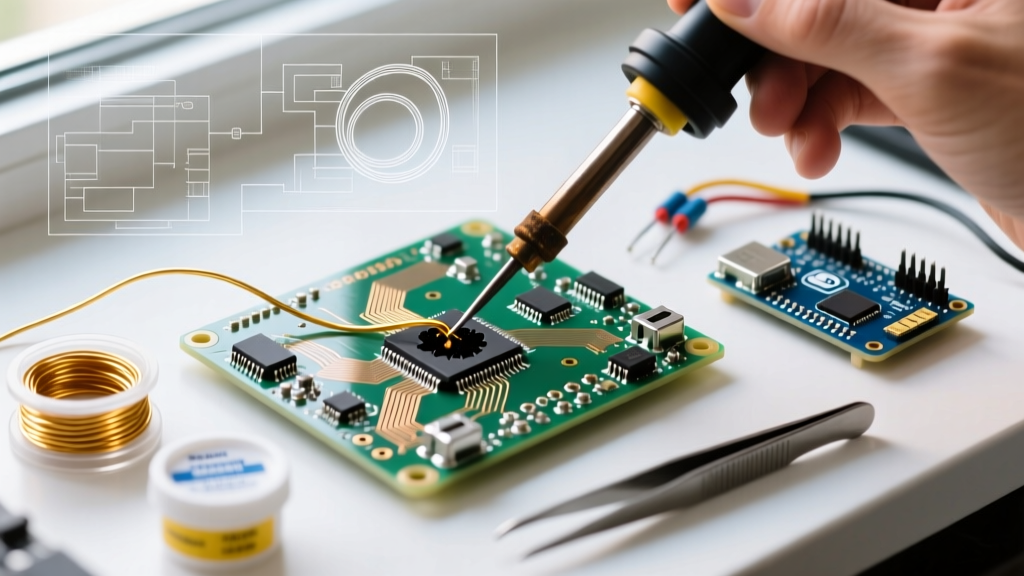
Application 1: Electronics and PCB Copper Traces
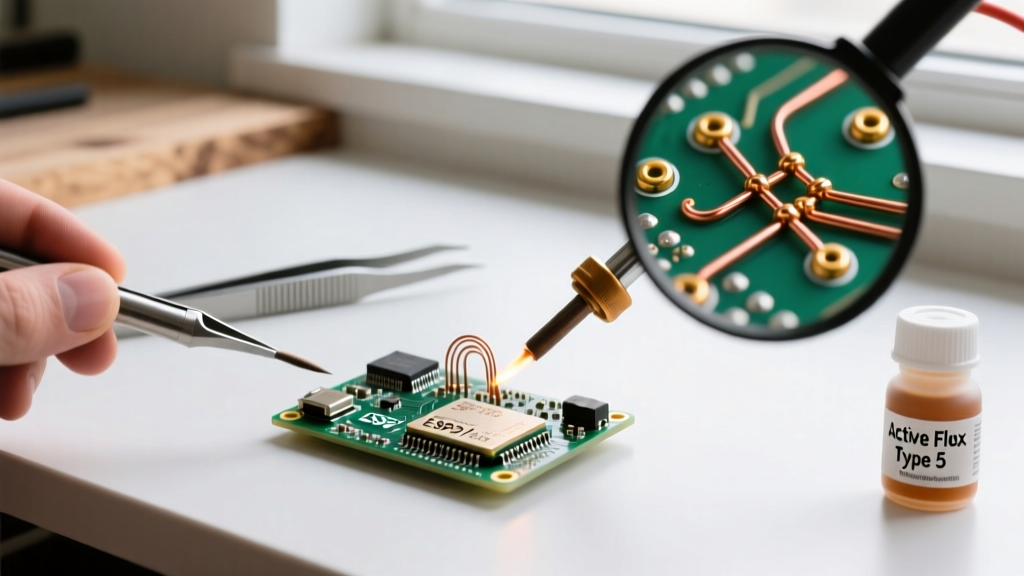
When soldering copper traces on printed circuit boards (PCBs), component leads, or fine enameled magnet wire, the primary goals are oxide removal, electrical insulation, and long-term reliability. You must avoid ionic residues that can cause electrochemical migration (dendritic growth) and short circuits.
Recommended Flux: ROL0 and ROL1 Mildly Activated Rosin
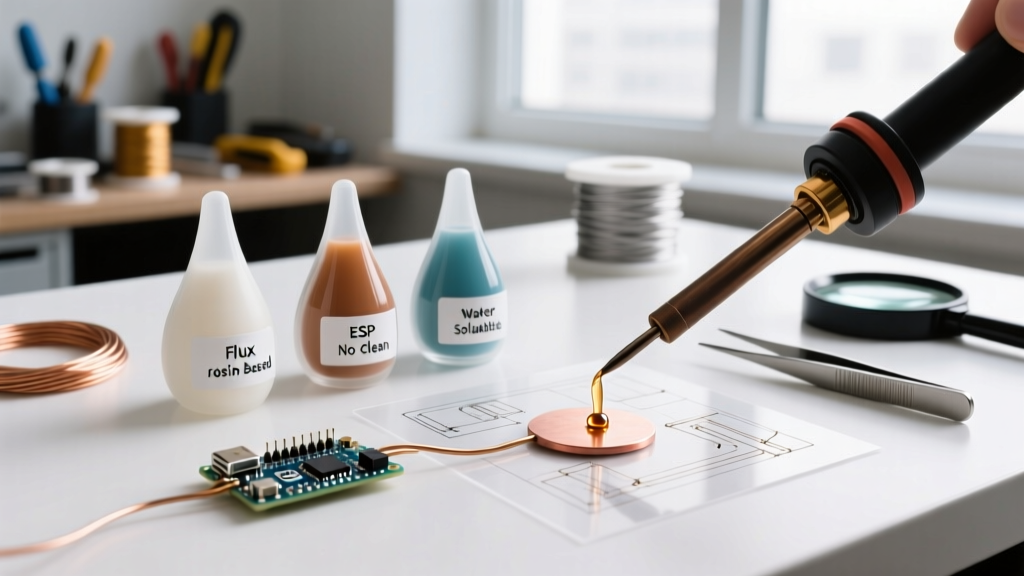
For 99% of electronic copper soldering, you need a Rosin-based flux classified under IPC J-STD-004 as ROL0 (Rosin, Low Activity, 0% Halides) or ROL1 (Low Activity, <1% Halides). These fluxes use mildly activated natural pine rosin (abietic acid) to clean the copper without leaving corrosive salts.
- Top Pick for Liquid/Pen Flux: Kester 951 or MG Chemicals 8341. These are mildly activated rosin fluxes that leave a hard, non-conductive, non-corrosive residue. Pricing in 2026 averages $14 to $18 for a 100ml bottle.
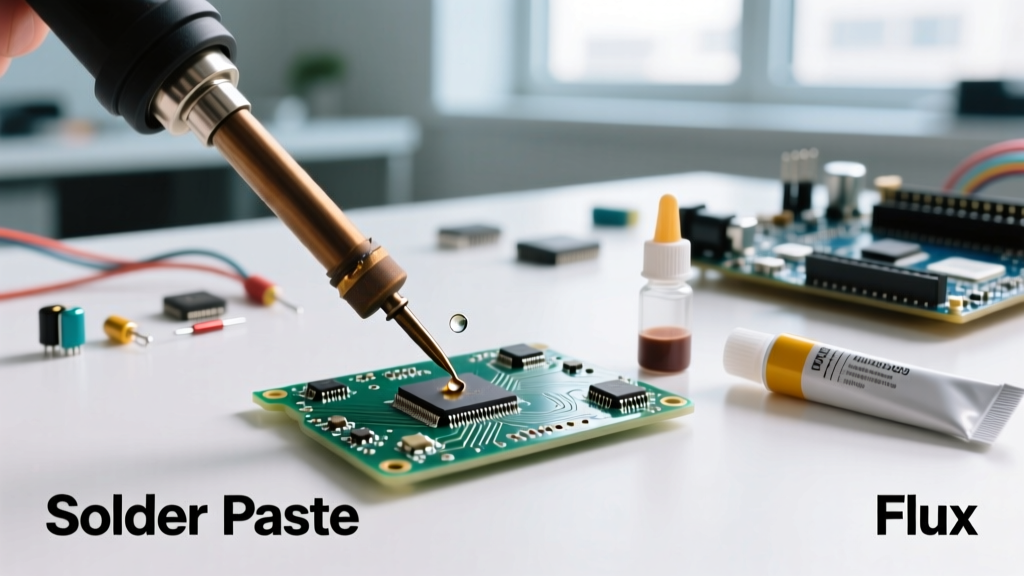
- Top Pick for Solder Paste: Amtech NC-559-V2-TF. A no-clean, lead-free compatible tacky flux ideal for SMD copper pads. Expect to pay around $35 for a 10cc syringe.
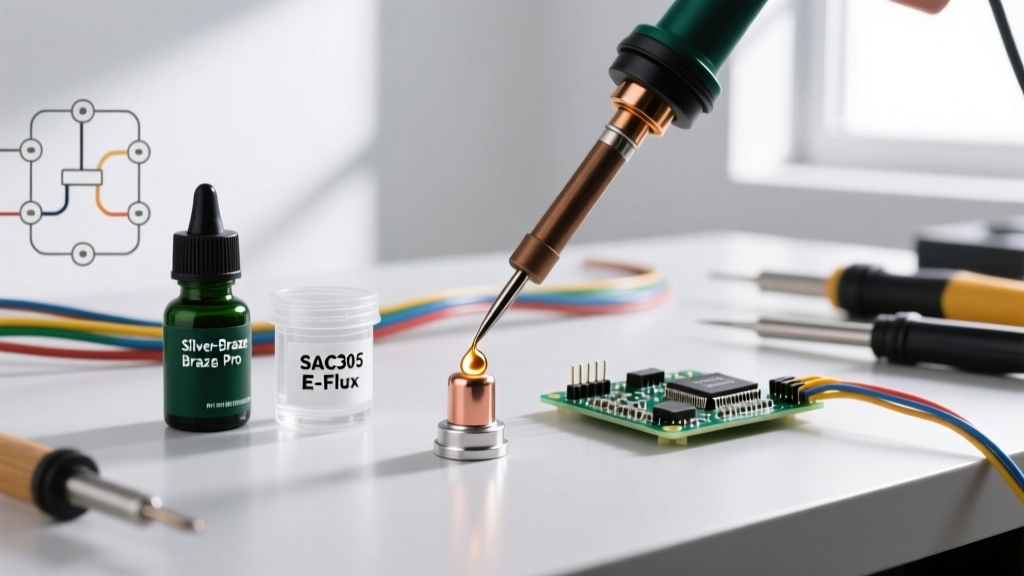
- Wire Solder Recommendation: Use 63/37 (eutectic) tin-lead for hobbyist/prototype boards, or SAC305 (96.5% Sn, 3% Ag, 0.5% Cu) for commercial RoHS-compliant boards, both featuring a 2% to 3% ROL0 rosin core.
Pro Tip: Never use water-soluble (OA) organic acid fluxes on PCB copper unless you have an ultrasonic cleaner and deionized water setup to remove the residue immediately. Leftover OA flux will eat through thin copper traces within weeks.
Application 2: Plumbing, HVAC, and Heavy-Gauge Electrical
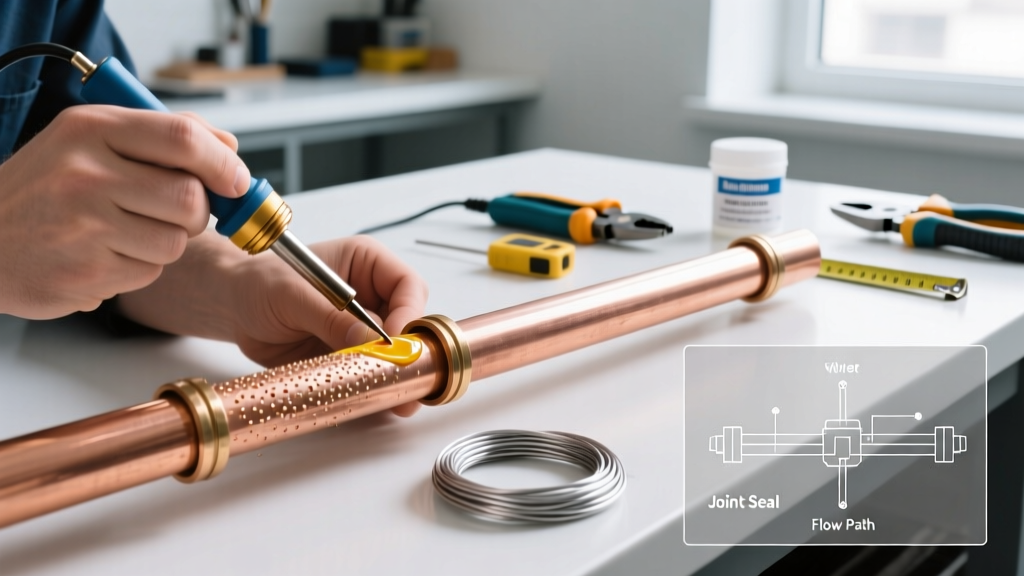
Thick copper pipes, HVAC refrigerant lines, and heavy-gauge electrical lugs (like 2/0 AWG battery cables) present a massive thermal challenge. Copper's thermal conductivity is roughly 401 W/(m·K). A thick copper pipe will suck the heat out of your soldering iron or torch instantly. Furthermore, these applications often involve outdoor exposure, moisture, and heavy mechanical stress, requiring a much more aggressive chemical approach to clean the heavily oxidized outer surfaces.
Recommended Flux: Zinc Chloride and Ammonium Chloride (Acid Fluxes)
For heavy copper, you must use inorganic acid (IA) fluxes. These contain zinc chloride, ammonium chloride, or hydrochloric acid. They are highly aggressive, boiling and bubbling as they violently strip thick copper oxides, allowing high-temperature solders (like 95/5 tin-antimony or 50/50 tin-lead) to flow deep into the joint via capillary action.
- Top Pick for Plumbing/Pipes: Oatey No. 95 Tinning Flux. This is a zinc chloride paste that actually contains a small amount of powdered solder. As the flux boils, it pre-tins the copper pipe, guaranteeing a perfect capillary draw when you apply the main solder wire. Cost: ~$9 for an 8oz tub.
- Top Pick for Electrical Lugs: Superior No. 30 Acid Flux. A liquid zinc chloride solution that penetrates stranded copper wire bundles inside ring terminals before you apply heat. Cost: ~$12 for a 4oz bottle.
WARNING: The Fatal Mistake
Never, under any circumstances, use plumbing acid flux (like Oatey or Superior) on electronic PCBs, microcontrollers, or thin-gauge wiring. The chloride ions will rapidly corrode the thin copper traces into a green, powdery cupric chloride crust, destroying the circuit permanently. Furthermore, acid fluxes are electrically conductive when damp, guaranteeing short circuits.
Application 3: Stained Glass and Copper Foil Art
Copper foil tape is the backbone of the Tiffany-style stained glass technique. The adhesive-backed copper foil wraps the edges of the glass, and the artisan solders the seams. Because the copper foil is incredibly thin (usually 1.5 to 2 mils), it heats up instantly but also oxidizes rapidly under the continuous heat of a 100W stained glass iron.
Recommended Flux: Oleic Acid and Stearic Acid Blends
Stained glass artists require a flux that is aggressive enough to clean the foil but viscous enough to stay in place on vertical seams without dripping onto the glass (which causes stubborn staining).
- Top Pick: Novacan Black Patina Flux or Gryphon Ziggy Flux. These are typically oleic acid or stearic acid-based gels. They provide a smooth, glass-like finish on 60/40 tin-lead solder seams and are easily wiped away with a damp sponge. Pricing is around $11 for a 16oz bottle.
Copper Flux Selection Matrix
Use this quick-reference table to ensure you are selecting the exact right chemistry for your specific copper project.
| Application | Flux Type | Active Ingredients | Cleanup Required? | Corrosion Risk |
|---|---|---|---|---|
| PCB Traces / SMD | ROL0 / ROL1 (No-Clean) | Abietic Acid (Rosin) | No (Optional for aesthetics) | None |
| Heavy Electrical Lugs | Inorganic Acid (IA) | Zinc Chloride | Yes (Wipe & Neutralize) | High (if uncleaned) |
| Plumbing / HVAC Pipes | Tinning Acid Paste | Zinc Chloride + Solder Powder | Yes (Wipe exterior) | High (if uncleaned) |
| Stained Glass Foil | Oleic / Stearic Gel | Oleic Acid | Yes (Wipe with damp cloth) | Low |
| Enamelled Magnet Wire | Polyurethane / Rosin | Synthetic Resins | No | None |
Step-by-Step: Soldering 2/0 AWG Copper Battery Lugs
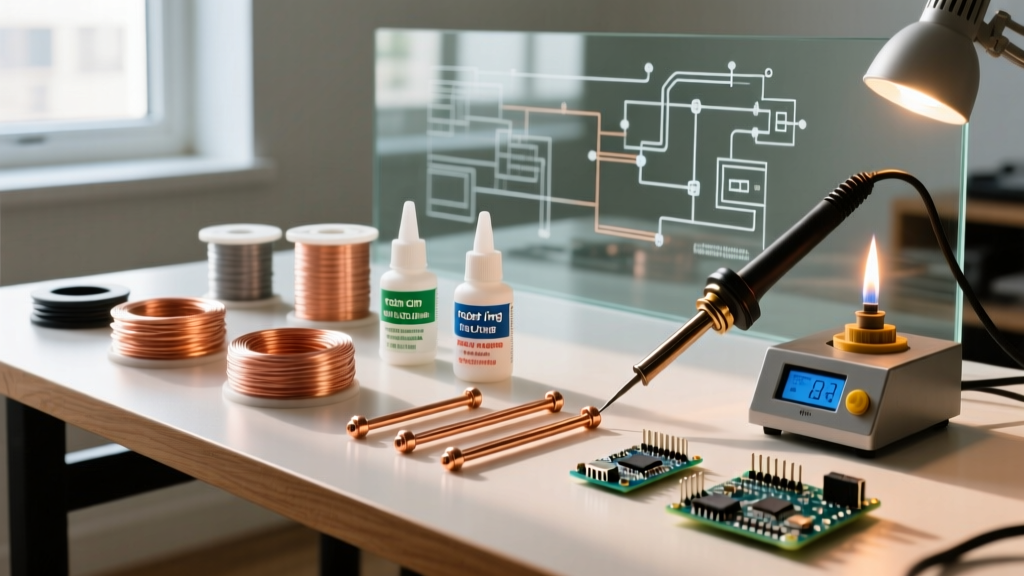
Soldering heavy copper electrical lugs requires immense thermal mass and the correct acid flux. Here is the professional procedure using a high-wattage station like the JBC CD-2BE or a dedicated 400W iron.
- Preparation: Strip the 2/0 AWG copper wire and slide it into the copper ring terminal. Ensure the copper strands are bright and free of green patina. If oxidized, clean with a fiberglass scratch pen.
- Flux Application: Inject 2-3 drops of Superior No. 30 liquid acid flux directly into the barrel of the terminal so it wicks into the stranded copper wire via capillary action.
- Thermal Transfer: Set your soldering station to 400°C (752°F). Use a massive chisel tip (e.g., JBC C115-118 or equivalent 8mm+ tip). Apply the tip to the barrel of the copper lug, not the wire.
- Feed the Alloy: Wait exactly 3 to 5 seconds for the flux to boil and the copper to reach flow temperature. Touch 63/37 rosin-core solder (or 95/5 for high-heat environments) to the opposite side of the barrel. The solder should instantly flash and wick completely through the barrel.
- Cooling and Cleanup: Remove the iron and hold the wire still for 4 seconds until the solder crystallizes. Immediately wipe the terminal with a damp, baking-soda-laced rag to neutralize the residual zinc chloride acid flux.
Troubleshooting Common Copper Soldering Failures
1. The Solder 'Balls Up' and Refuses to Wet
Cause: The copper surface is heavily oxidized, or your flux has burned off before the copper reached soldering temperature. Copper's high thermal mass means the flux often boils away while the metal is still heating up.
Fix: Apply flux twice. Apply a first coat to protect the copper while it heats, then touch the solder wire (which has its own rosin core) to the joint to introduce fresh flux right at the moment of melting.
2. Green Crusty Residue on Electrical Lugs
Cause: Incomplete neutralization of acid flux. The zinc chloride has reacted with ambient moisture and the copper to form cupric chloride, which will eventually cause high-resistance connections and voltage drops.
Fix: Always follow up acid flux soldering with an isopropyl alcohol wipe and a mild alkaline neutralizer (like a baking soda and water paste), followed by a heat-shrink seal to block moisture.
3. Lifted Pads on PCB Copper Traces
Cause: Using a highly active water-soluble (OA) flux on thin 1oz copper PCB pads, combined with excessive dwell time. The aggressive acid eats through the thin copper and degrades the FR4 epoxy bond.
Fix: Switch to a mild ROL0 rosin flux like Kester 951, lower your iron temperature to 320°C-340°C, and limit dwell time to under 2 seconds per pad.
Mastering the nuances of soldering flux for copper transforms your joints from fragile, oxidized liabilities into robust, highly conductive connections that will outlast the devices they inhabit.