
The Economics of Acid Flux Soldering: Beyond the Sticker Price
Acid flux soldering remains an indispensable process in heavy-duty plumbing, HVAC refrigeration lines, sheet metal fabrication, and heavy-gauge electrical grounding. Unlike rosin-based or no-clean fluxes designed for delicate printed circuit boards (PCBs), acid fluxes—primarily zinc chloride (ZnCl2) and ammonium chloride (NH4Cl)—are engineered to aggressively strip heavy oxidation from copper, brass, and steel. However, evaluating the economic viability of acid flux requires looking far beyond the initial purchase price of the consumable. In 2026, with supply chain shifts and stricter environmental regulations, the true cost of acid flux soldering encompasses direct material expenses, labor-intensive neutralization protocols, accelerated equipment degradation, and severe long-term corrosion liabilities.
This comprehensive cost analysis breaks down the financial realities of using acid flux, helping fabricators, plumbers, and electronics technicians determine when this aggressive chemistry makes financial sense—and when it will quietly bankrupt a project through hidden rework and warranty claims.
Direct Consumable Costs: Zinc Chloride vs. Ammonium Chloride
The upfront cost of acid flux is generally low, but pricing varies significantly based on the active chemical agent and the manufacturer's formulation. The market is dominated by two primary chemistries:
Zinc Chloride (ZnCl2) Liquid Pastes
Zinc chloride is the industry standard for plumbing and general sheet metal. It provides exceptional oxide removal but leaves a highly corrosive, hygroscopic residue. Leading products in 2026 include:
- Oatey Ruby Fluid (SKU 30104): Priced at approximately $14.99 for a 4 oz bottle ($3.74 per oz). Known for its aggressive cleaning action on copper and brass.
- Harris Stay-Clean (SKU 31104): Priced at roughly $11.50 for a 4 oz bottle ($2.87 per oz). A slightly more cost-effective alternative with a similar zinc chloride base.
- Superior No. 30: A premium zinc chloride paste favored by HVAC technicians, retailing around $16.00 for 4 oz ($4.00 per oz).
Ammonium Chloride (NH4Cl) Compounds
Ammonium chloride fluxes are often used for galvanized steel and iron. They sublime (turn to gas) at soldering temperatures, leaving less solid residue than zinc chloride, though they produce highly irritating fumes. Products like Alpha Metals 580 typically cost around $22.00 per pound, making them more economical for high-volume industrial dipping processes but less accessible for small-scale DIY repairs.
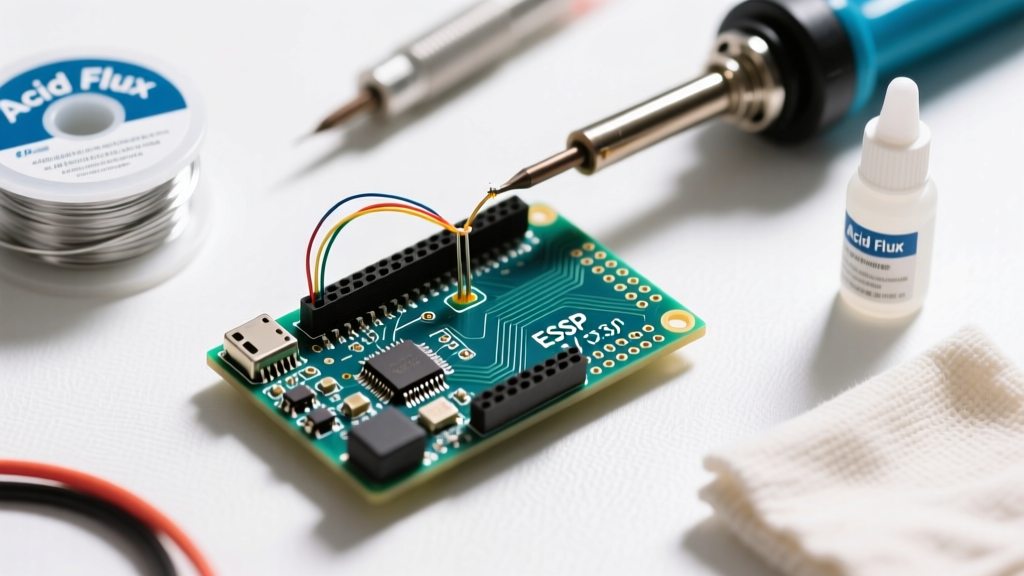
⚠️ CRITICAL WARNING: Never use zinc or ammonium chloride acid fluxes on PCBs or fine-gauge electronic components. The residue will cause immediate dendrite growth and short-circuit low-voltage traces. According to Alpha Assembly, electronic manufacturing strictly requires rosin (RMA) or organic acid (OA) fluxes compliant with IPC-J-STD-004B standards.The Hidden Costs: Cleanup, Neutralization, and Labor
The most frequently overlooked expense in acid flux soldering is the post-solder cleanup. Because zinc chloride residue is highly acidic (often exhibiting a pH between 2.0 and 3.0) and hygroscopic (moisture-absorbing), it must be chemically neutralized. Failing to do so guarantees rapid galvanic corrosion.
The Neutralization Protocol
Water alone is insufficient and can actually accelerate corrosion by dissolving the flux and spreading it into micro-crevices. The standard industry protocol requires a sodium bicarbonate (baking soda) solution:
- Mix: 1 tablespoon of sodium bicarbonate per 1 cup of distilled water.
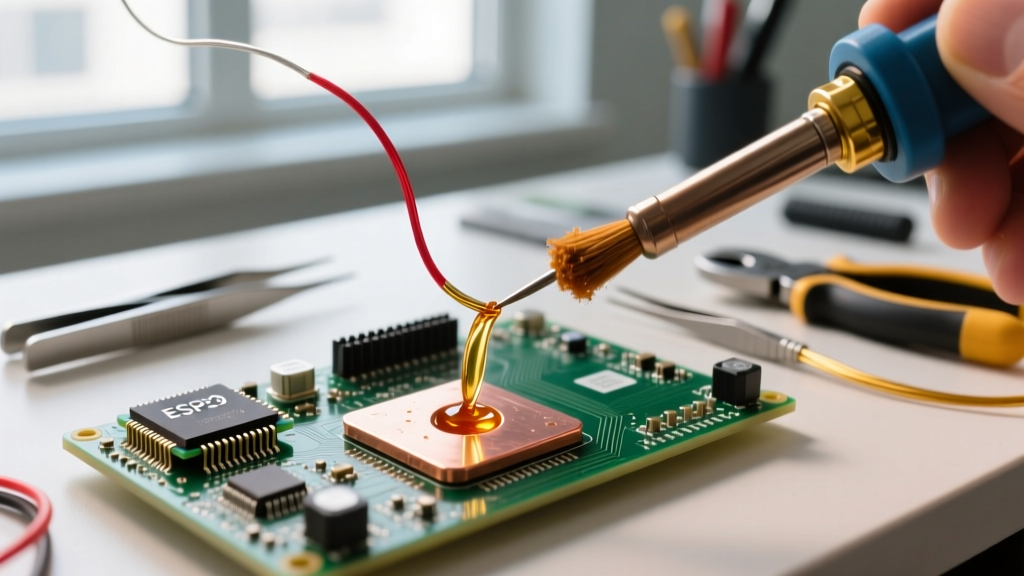
- Apply: Scrub the soldered joint with a stiff nylon brush dipped in the solution until foaming ceases. The foaming indicates the neutralization of hydrochloric acid byproducts.
- Rinse: Flush with copious amounts of distilled water.
- Dry: Use compressed air or a heat gun to eliminate trapped moisture.
Labor Cost Impact: This 4-step process adds approximately 3 to 5 minutes of labor per joint. In a commercial plumbing or fabrication environment where a technician bills at $85/hour, adding 4 minutes per joint increases the labor cost by $5.66 per connection. On a project with 200 joints, that is over $1,100 in hidden cleanup labor alone.
Cost Comparison Matrix: Acid vs. Rosin vs. No-Clean
To contextualize the expense, we must compare acid flux against alternatives used in adjacent industries.
| Flux Type | Direct Cost (per oz) | Cleanup Cost (Labor/Chem) | Equipment Wear Rate | Ideal Application |
|---|---|---|---|---|
| Acid (ZnCl2) | $2.80 - $4.00 | High (Neutralization req.) | Severe (Eats iron plating) | Plumbing, HVAC, Sheet Metal |
| Rosin (RMA) | $5.00 - $8.00 | Medium (Isopropyl alcohol) | Low | Heavy-duty electronics, wiring |
| No-Clean (OA) | $6.00 - $12.00 | None (Leave on board) | Very Low | SMT PCBs, delicate wiring |
| Water-Soluble | $7.00 - $10.00 | Medium (DI water rinse) | Moderate | Automotive electronics |
Equipment Degradation: Tip and Iron Wear
Acid flux is notoriously hostile to soldering equipment. Modern soldering iron tips (such as the Hakko T12 series or Weller RT series) consist of a copper core plated with iron, then chrome, and finally tinned. The iron plating is what protects the copper from dissolving into the molten solder.
When zinc chloride flux is heated to typical plumbing temperatures (600°F - 750°F), it releases hydrochloric acid gas. This gas aggressively attacks the iron plating on the soldering tip. A tip that might last 3 to 4 weeks under normal rosin flux conditions can suffer catastrophic pitting and iron-plating dissolution in a matter of hours when exposed to acid flux.
- Standard Tip Replacement Cost: $9.00 to $16.00 per tip.
- Heavy-Duty Chisel Tip Cost: $25.00 to $45.00 per tip.
Technicians dedicated to acid flux soldering must budget for a 300% to 500% increase in tip replacement consumables. To mitigate this, many professionals use dedicated, lower-cost irons (like the Weller SP40NK) exclusively for acid work, preserving their high-end temperature-controlled stations for clean electronics work.
Health, Safety, and Fume Extraction Costs
The financial analysis must also account for occupational health compliance. When heated, zinc chloride produces dense, white, highly toxic fumes. Inhalation can cause metal fume fever, characterized by severe respiratory irritation, chills, and nausea.
According to OSHA chemical hazard guidelines, the Permissible Exposure Limit (PEL) for zinc chloride fume is strictly capped at 1 mg/m³ over an 8-hour time-weighted average. To comply with this in an indoor fabrication shop, you cannot rely on passive ventilation.
Required Capital Expenditure (CapEx)
Shops must invest in HEPA and activated carbon fume extraction systems. A basic desktop unit like the Hakko FA-400 costs around $75, but it is insufficient for heavy acid flux volumes. Industrial-grade extractors with specialized acid-gas filters (such as those from Metcal or BOFA) range from $1,200 to $3,500. Furthermore, the specialized acid-gas filter cartridges require replacement every 3 to 6 months, adding $150 to $300 in annual maintenance costs per workstation.
Long-Term Liability: The Financial Impact of Corrosion
The most devastating cost associated with acid flux soldering occurs months or years after the joint is completed. If the neutralization protocol is rushed or skipped, the residual zinc chloride will absorb ambient humidity and form a localized galvanic cell.
According to data from the Association for Materials Protection and Performance (AMPP), corrosion costs the global economy hundreds of billions annually, and localized galvanic pitting is a primary culprit in plumbing failures. In copper plumbing systems, unneutralized acid flux will eat through the pipe wall from the outside in, resulting in pinhole leaks.
The True Cost of a Failed Joint:
Saving $2.00 by skipping the baking soda neutralization on a copper water line can result in a pinhole leak inside a finished drywall cavity. The resulting water damage, mold remediation, and drywall repair routinely exceed $5,000 to $15,000 in residential and commercial insurance claims.
Failure Mode: Dendrite Growth in Heavy Electronics
While acid flux should never be used on PCBs, it is sometimes used on heavy-gauge busbars and high-current lugs. If residue bridges the gap between a high-current positive terminal and a grounded chassis, the hygroscopic flux will create a conductive electrolyte path. Under high voltage, this leads to electrochemical migration (dendrite growth), eventually causing a dead short, arcing, and catastrophic equipment failure.
When Does Acid Flux Make Financial Sense?
Despite the hidden costs, acid flux soldering is not inherently uneconomical; it is simply highly specialized. It makes strict financial sense in the following scenarios:
- Heavily Oxidized Substrates: When soldering old, weathered copper pipes or brass fittings where rosin flux lacks the chemical strength to break through the oxidation layer. The alternative—mechanical sanding or replacing the fitting—costs significantly more in labor.
- High-Temperature Silver Soldering: When using silver-bearing plumbing solders (which melt above 700°F), standard rosin fluxes burn to a carbonized crisp before the solder flows. Zinc chloride remains stable and active at these elevated temperatures.
- Non-Critical Structural Joints: Soldering sheet metal enclosures or grounding straps where cosmetic corrosion is acceptable and the joint will be painted or encapsulated immediately after cooling.
Summary: Budgeting for Acid Flux
To accurately budget for acid flux soldering in 2026, project managers and DIYers must adopt a total-cost-of-ownership mindset. The $12 bottle of Oatey Ruby Fluid is merely the entry fee. A true cost analysis must factor in the $5.66 per joint in neutralization labor, the accelerated $15 tip replacements, the mandatory fume extraction CapEx, and the severe financial penalties of inadequate cleanup. By respecting the chemistry and strictly adhering to neutralization protocols, acid flux remains a highly cost-effective, irreplaceable tool for heavy-duty metallurgical joining.