
The Chemical Anatomy of 328 Soldering Paste
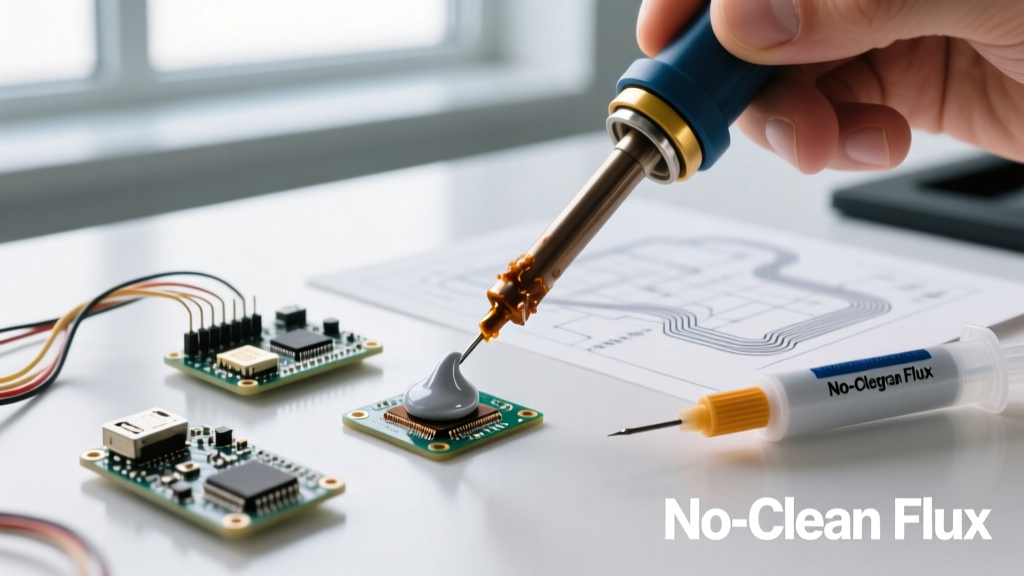
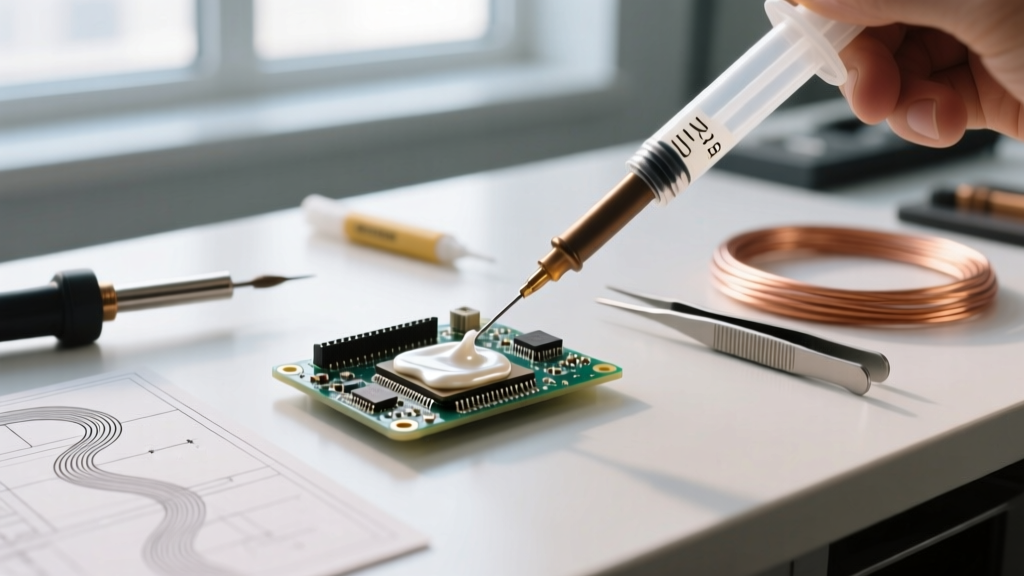
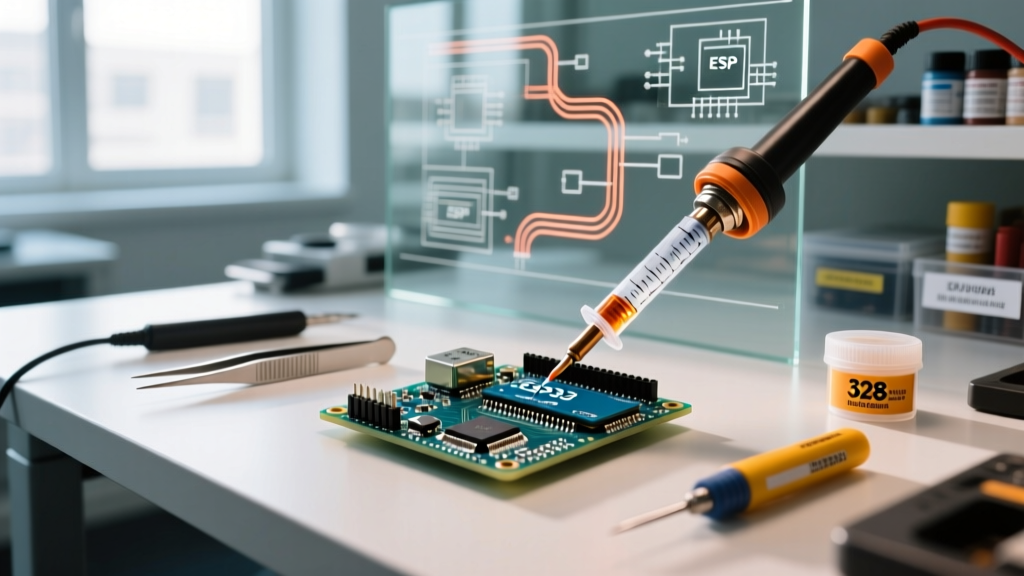
In the intricate world of micro-soldering, BGA reballing, and SMD prototyping, 328 soldering paste has earned a reputation as a high-tack, reliable formulation. Typically packaged in 10cc to 50cc syringes, this paste is engineered for excellent wetting and moderate-temperature reflow profiles. However, its aggressive flux vehicle—designed to cut through microscopic oxidation on fine-pitch pads—demands rigorous safety protocols and precise handling techniques.
As of 2026, the transition toward denser PCB layouts and 01005 imperial components means that paste volume control and chemical safety are more critical than ever. A standard 328 formulation relies on a mildly activated rosin (RMA) or synthetic no-clean flux base, suspended with Type 3 (25-45μm) or Type 4 (20-38μm) solder powder. While it delivers exceptional IPC-A-610 Class 2 and Class 3 compliant joints, the volatilization of its chemical activators during reflow presents genuine occupational hazards if mismanaged.
Flux Vehicle Breakdown and Sensitization Risks
The primary hazard in any rosin-based or synthetic 328 paste is not the metal alloy, but the flux vehicle. When heated past 150°C, the solvents and activators vaporize. According to data published by the National Institute for Occupational Safety and Health (NIOSH), colophony (rosin) fumes are a potent respiratory sensitizer. Repeated inhalation can lead to occupational asthma, a condition where the immune system overreacts to flux aerosols. Furthermore, the glycol ethers used as solvents in the paste can cause contact dermatitis upon prolonged skin exposure.
Engineering Your Fume Extraction Setup
Relying on a standard desk fan to blow 328 soldering paste fumes away from your face is a critical safety failure. Effective fume management requires engineered capture at the source.
- Capture Velocity: Benchtop fume extractors must generate a minimum of 100 to 150 CFM (Cubic Feet per Minute) at the capture hood. The hood should be positioned exactly 6 to 8 inches from the rework site to intercept the thermal plume before it disperses into the breathing zone.
- Filtration Media: A two-stage filtration system is mandatory. The first stage requires a HEPA pre-filter to trap particulate matter and micro-solder balls. The second stage must utilize a deep-bed activated carbon filter (minimum 2kg of carbon) to adsorb Volatile Organic Compounds (VOCs) and aldehydes generated by the decomposing flux.
- Filter Maintenance: Carbon filters do not last forever. In a high-volume repair shop running 328 paste daily, carbon beds must be replaced every 3 to 4 months, or immediately if a sweet, chemical odor is detected at the exhaust port.
Thermal Profiling: Preventing Aerosolization and Splatter
Safety and solder joint quality are inextricably linked when using 328 soldering paste. Applying excessive heat too quickly causes the solvent carriers to boil violently. This results in micro-splatter (ejecting hot solder spheres onto adjacent pads) and aggressively aerosolizing the flux, overwhelming your fume extractor.
The Ramp-Soak-Spike Protocol
To safely reflow 328 paste, particularly on multi-layer boards with high thermal mass, you must adhere to a controlled thermal profile:
- Ramp Phase: Limit the temperature rise to 1.0°C to 1.5°C per second. This gentle ramp allows the volatile solvents to evaporate gradually rather than boiling.
- Soak Phase: Hold the board at 150°C–170°C for 60 to 90 seconds. This activates the rosin acids, allowing them to reduce surface oxides without burning off prematurely.
- Spike (Reflow) Phase: Push past the liquidus temperature (e.g., 183°C for Sn63/Pb37 or 217°C for SAC305 variants of 328 paste) and hold the peak temperature (215°C–240°C) for no more than 30 to 45 seconds to prevent intermetallic compound (IMC) overgrowth and component thermal shock.
CRITICAL WARNING: Never use a standard hot air gun on its maximum setting to rush the reflow of 328 paste. The resulting thermal shock can delaminate the PCB's internal vias and cause the flux to spit molten solder directly toward the operator's eyes.
Stencil Maintenance and Solvent Safety
When using 328 soldering paste for SMD stenciling or BGA reballing, the paste will inevitably dry in the stencil apertures. Improper cleaning damages the stencil and exposes the technician to harsh chemicals.
Under the OSHA Hazard Communication Standard, technicians must have access to Safety Data Sheets (SDS) for all cleaning agents. Avoid using pure acetone or unregulated industrial thinners, which degrade the adhesive bonding of framed stencils and pose severe inhalation risks.
Step-by-Step Stencil Cleaning
- Initial Wipe: Immediately after stenciling, use a lint-free wipe dampened with a specialized saponifier (such as Kyzen E5611 or Techspray Ecoline) to remove bulk paste.
- Ultrasonic Bath: For fine-pitch stencils (0.3mm pitch or smaller), place the stencil in an ultrasonic cleaner filled with a 10% saponifier-to-water solution for 3 to 5 minutes. The cavitation safely dislodges 328 paste from microscopic apertures without manual scrubbing.
- Rinse and Dry: Rinse thoroughly with deionized (DI) water to prevent mineral spotting, then dry with compressed, oil-free air.
PPE and Environmental Controls
Personal Protective Equipment (PPE) is your final line of defense against the chemical and thermal hazards of 328 soldering paste.
| Hazard Category | Required PPE / Control | Specific Standard / Detail |
|---|---|---|
| Dermal Exposure | Nitrile Gloves (4-mil minimum) | ANSI/ISEA 105; Latex degrades upon contact with flux solvents. |
| Ocular Splatter | ANSI Z87.1 Safety Glasses | Wraparound style to protect from lateral flux spitting during reflow. |
| ESD Damage | Grounded Wrist Strap & Mat | ANSI/ESD S20.20; 328 paste syringes must be stored in ESD-safe bins. |
| Paste Degradation | Climate-Controlled Storage | Store 328 paste at 0°C–10°C (refrigerated) to prevent flux separation. |
Proper storage is a safety issue as much as a quality issue. If 328 soldering paste is left at room temperature for extended periods, the flux vehicle can separate from the solder powder, and moisture can ingress. During reflow, this trapped moisture turns to steam, causing 'popcorning'—a violent expulsion of solder and flux that poses a severe burn risk to the operator and destroys the PCB.
Disposal and Environmental Compliance
Used wipes, empty syringes, and expired 328 paste are classified as hazardous waste due to their VOC content and potential heavy metal load (if using leaded Sn63/Pb37 variants). The Environmental Protection Agency (EPA) mandates that these materials must not be disposed of in standard municipal trash. Collect all flux-contaminated waste in sealed, fire-retardant bins and contract a certified hazardous waste disposal service for regular pickup.
Summary of Best Practices
Mastering 328 soldering paste requires looking beyond the solder joint itself. By engineering proper fume extraction, adhering to strict thermal ramp rates, utilizing safe saponifier-based cleaning protocols, and wearing appropriate PPE, you protect both your long-term health and the integrity of your micro-electronics repairs. Treat the chemistry with respect, and the paste will consistently deliver flawless, high-reliability interconnects.